Are Fresh Grass Clippings Safe to Use as Summer Garden Mulch?

Are Fresh Grass Clippings Safe to Use as Summer Garden Mulch?
Ah, the symphony of summer. The birds are chirping, the grill is sizzling, and the roar of a thousand lawnmowers fills the air. You’ve just finished your weekly ritual, wrestling the beast across the lawn, and now you stand triumphant, surveying your perfectly manicured turf. But wait. What’s that? A mountain of fragrant, green grass clippings, mocking you from its pile of shame. What’s a gardener to do with this verdant byproduct of suburban conquest?
For generations, gardeners have eyed this pile with a mix of hope and suspicion. Is it free, nitrogen-rich gold waiting to be spread upon our vegetable beds? Or is it a slimy, weed-seed-infested Trojan horse, poised to unleash horticultural havoc? The temptation to just dump it in the garden is strong—it feels so resourceful, so... circular. But the horror stories of stinky, matted messes and herbicide-damaged tomatoes are enough to give anyone pause.
Fear not, my fellow soil-stewards! We’re about to dive headfirst into the great grass clipping debate. We'll separate the mulch from the myth, the fact from the folklore. This guide will arm you with the knowledge to turn your lawn leftovers from a weekly nuisance into one of your garden's greatest assets. Let's get ready to mulch!
So, Can I Actually Use Fresh Grass Clippings as Mulch?
Yes, you absolutely can use fresh grass clippings as a fantastic garden mulch, but with a few crucial caveats. The key is to apply them in thin layers, no more than one to two inches deep. This prevents them from matting together, blocking water and air, and turning into a slimy, stinky mess.
Think of using fresh grass clippings not as a one-and-done mulching event, but as a continuous process. Every time you mow, you get a fresh batch of what gardeners lovingly call "green gold." The secret to success lies in the application technique. A thick, heavy blanket of fresh clippings is a recipe for disaster. It undergoes anaerobic decomposition (a fancy term for rotting without oxygen), which smells like a forgotten science experiment and can create a water-repellent barrier. This suffocates the soil and your plant roots.
The golden rule is "thin to win." A light sprinkling of clippings allows air to circulate, promoting healthy decomposition that releases valuable nutrients directly into your soil. As the thin layer dries and settles, you can add another thin layer from your next mowing session. This layering method builds a beautiful, effective mulch over time without any of the smelly, slimy downsides.
What are the Amazing Benefits of Using Grass Clipping Mulch?
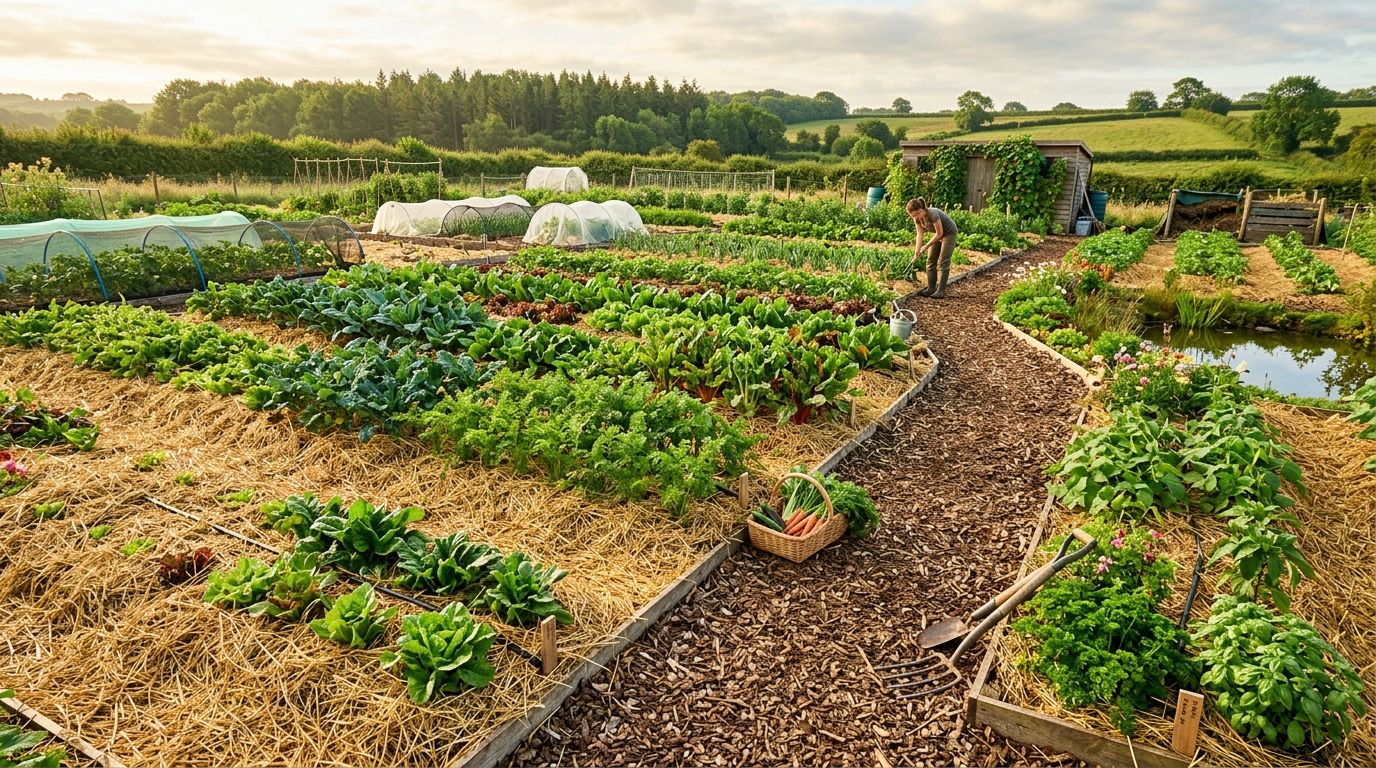
Using grass clippings as mulch offers a treasure trove of benefits for your garden, completely free of charge. They are a superb natural fertilizer, rich in nitrogen, which fuels leafy growth. They also conserve soil moisture, suppress weeds, and improve soil structure by feeding earthworms and beneficial microbes as they decompose.
Let's break down why this humble byproduct is a superhero in disguise for your garden:
- Free Fertilizer on Demand: Grass clippings are a surprisingly potent source of nutrients. They have an N-P-K (Nitrogen-Phosphorus-Potassium) ratio of roughly 4-1-2. That's a higher nitrogen content than most bagged manures!
| Nutrient | Percentage by Dry Weight |
|---|---|
| Nitrogen (N) | ~4.0% |
| Phosphorus (P) | ~1.0% |
| Potassium (K) | ~2.0% |
As the clippings break down, they release this nitrogen directly to your plants, leading to lusher, greener growth. It's like a slow-release fertilizer that you get for free every week.
Superb Water Conservation: A layer of grass mulch acts like a lid on your soil, dramatically reducing water evaporation from the sun and wind. This means you'll need to water less often, saving you time, effort, and money on your water bill. A simple 1-inch layer can reduce water loss by up to 70% in the heat of summer.
Weed Warrior: Mulch's primary job is to block sunlight from reaching the soil surface, preventing weed seeds from germinating. Grass clippings form a dense mat (a good one, when applied correctly!) that smothers would-be weeds, significantly cutting down on your weeding chores.
Soil Health Extraordinaire: As clippings decompose, they add organic matter to the soil. This is pure bliss for your soil ecosystem. Earthworms pull the clippings down into the soil, aerating it with their tunnels, while beneficial microbes feast on the organic matter, improving soil structure and fertility. Over time, this process turns compacted clay or loose sand into rich, loamy garden soil.
Are There Any Dangers or Downsides to Using Fresh Clippings?
The primary dangers of using fresh grass clippings are herbicide contamination from treated lawns and the risk of the clippings matting. A thick, wet layer can become anaerobic, creating a slimy, smelly barrier that blocks water and air from reaching the soil and can even harm plant stems.
While the benefits are fantastic, it's not all sunshine and roses. Going in with your eyes open will help you avoid the common pitfalls. Here are the villains of our grass clipping story:
The Herbicide Horror: If you use "weed and feed" products or spray for broadleaf weeds on your lawn, those chemicals can persist in the clippings. Using these contaminated clippings as mulch can have devastating effects on your garden, especially on sensitive plants like tomatoes, beans, and peppers. The plants may show curled leaves, stunted growth, or even die off completely. Rule of Thumb: If you've applied herbicides to your lawn in the last 2-4 mowings, do not use the clippings on your vegetable garden. Compost them first, as the heat of a good compost pile can help break down many of these chemicals.
The Slimy Mat of Doom: This is the most common rookie mistake. Piling fresh, wet grass clippings more than a couple of inches deep creates an impenetrable, oxygen-deprived layer. It starts to rot instead of decompose, producing a foul odor and a slimy texture. This mat can shed water like a raincoat, preventing moisture from ever reaching the soil below.
Weed Seed Invasion: If your lawn has a healthy population of dandelions, crabgrass, or other weeds that have gone to seed, mowing simply chops them up and includes them in your mulch. You could be inadvertently seeding your entire garden with the very weeds you're trying to suppress. The solution? Try to mow before weeds set seed, or if it's too late, compost those particular clippings first.
Disease Transmission: While the risk is generally low, some lawn diseases like rust or dollar spot could potentially be transferred to susceptible garden plants. This is more of a concern for monocultures like a corn patch than a diverse flower bed. If you notice signs of disease on your lawn, it's best to compost those clippings hot or discard them.
How Do I Apply Grass Clippings as Mulch Correctly?
To apply grass clippings correctly, always use thin layers of just one to two inches. Allow each layer to dry and shrink before adding the next. Keep the mulch a few inches away from the base of plant stems to prevent rot, creating a "donut" shape around the plant, not a "volcano."
Follow this simple, step-by-step process for mulch mastery and you'll never have to deal with a slimy mess again.
The Foolproof 5-Step Method for Applying Grass Clipping Mulch:
The Safety Check: First, ask yourself: have I treated my lawn with any herbicides or "weed and feed" products recently? If the answer is yes, or if you're unsure, these clippings are not safe for the garden yet. Put them in the compost pile instead.
The Dry Run (Optional but Recommended): For best results, spread your fresh clippings out on a tarp or driveway for a few hours on a sunny day. This wilts them slightly and removes excess moisture, dramatically reducing the chance of them compacting and getting stinky.
The "Thin to Win" Application: Take your fresh or slightly dried clippings and sprinkle them around your plants. Do not exceed a depth of 1-2 inches. It will look like a very light layer, and that's exactly what you want. It's better to apply a half-inch layer every week than a four-inch layer once a month.
The Donut, Not the Volcano: This is a universal mulching rule. Piling mulch directly against the stem of a plant traps moisture and invites pests and diseases like collar rot. Always leave a small, mulch-free circle (2-3 inches) around the base of each plant. Your mulch should look like a donut, not a volcano erupting against the plant stem.
The Fluff and Refresh: After a week or so, the clippings will have dried, shrunk, and settled significantly. You can gently fluff the existing layer with a rake or your hands to keep it from compacting, and then add your next thin layer from the latest mowing session. Repeat this process throughout the summer to maintain a consistent, effective mulch layer.
Will Grass Clippings from a Treated Lawn Harm My Garden?
Yes, clippings from a lawn treated with certain herbicides can severely harm your garden. Broadleaf herbicides, often found in "weed and feed" products, can persist in clippings and are toxic to many garden plants, especially tomatoes, beans, and peppers. Always wait at least 2-4 mowings after application before using clippings.
This is arguably the most critical safety issue when using grass clippings. The convenience of a weed-free lawn can lead to the destruction of your vegetable patch if you're not careful. Herbicides are designed to kill plants, and they don't always distinguish between a dandelion and a tomato plant.
Here's a breakdown of the problem:
- Persistent Herbicides: Some of the most effective broadleaf weed killers (like those containing aminopyralid, clopyralid, or picloram) are notoriously persistent. They can remain active in grass clippings for months, even after composting.
- Non-Persistent Herbicides: Other common herbicides (like 2,4-D) break down more quickly, often within a few weeks. Sunlight and soil microbes help degrade them.
A Simple Test for Herbicide Residue: If you're unsure if your clippings are safe, you can perform a simple "bioassay."
- Fill two pots with standard potting soil.
- Mix a generous amount of your grass clippings into the soil of one pot. The other pot will be your control.
- Plant a few sensitive seeds, like peas or beans, in both pots.
- Water them equally and observe. If the seeds in the clipping-mixed pot fail to germinate, or if they sprout with curled, twisted, or deformed leaves, your clippings are contaminated.
| Herbicide Status of Lawn | Safe to Use Fresh? | Recommended Action |
|---|---|---|
| Untreated / Organic | Yes | Use freely following the "thin layer" rule. |
| Treated >4 weeks ago | Likely Yes | Proceed with caution. Perform a bioassay to be sure. |
| Treated <4 weeks ago | NO | Do not use on the garden. Compost them hot or discard. |
The Ultimate Rule: When in absolute doubt, throw them out (or better yet, compost them for a full season before using).
Do Grass Clippings Steal Nitrogen from My Soil?
No, this is a common gardening myth. Grass clippings do not steal nitrogen; they add it to the soil. Because they are a "green" material with a low carbon-to-nitrogen ratio, they decompose quickly and release a significant amount of nitrogen, acting as a natural, slow-release fertilizer for your plants.
This myth likely stems from a misunderstanding of the carbon-to-nitrogen (C:N) ratio and its effect on soil. Let's clear it up with a little garden science.
- High-Carbon "Browns": Materials like wood chips, sawdust, and straw have a very high C:N ratio. When you mix these into the soil, the microbes that break them down need a lot of nitrogen to do their work. They pull this nitrogen from the surrounding soil, temporarily making it unavailable to plants. This is called "nitrogen immobilization" or "nitrogen robbing."
- Low-Carbon "Greens": Fresh grass clippings are the opposite. They are a "green" material, rich in nitrogen, with a low C:N ratio (around 20:1). The microbes that decompose them have more than enough nitrogen from the clippings themselves. As they break down, the excess nitrogen is released into the soil in a form that plants can readily use.
Here’s a simple formula to remember:
High Carbon Mulch (Wood Chips) + Soil Microbes = Temporary Nitrogen Deficit
High Nitrogen Mulch (Grass Clippings) + Soil Microbes = Nitrogen Surplus (Fertilizer!)
So, far from robbing your soil, using grass clippings is one of the best ways to continuously add nitrogen and organic matter throughout the growing season. You are literally feeding your soil with every application.
Can Grass Clippings Turn into a Smelly, Slimy Mess?
Yes, fresh grass clippings can definitely turn into a smelly, slimy mess if they are applied too thickly. When piled deeper than a couple of inches, the bottom layer gets compacted, cutting off the oxygen supply. This leads to anaerobic decomposition, which produces foul-smelling gases and a slimy texture.
This unfortunate transformation from green gold to swamp slime is all about one thing: oxygen. Or rather, a lack thereof.
Aerobic Decomposition (The Good Stuff): When clippings are in a thin layer, oxygen can penetrate. Aerobic bacteria, the friendly helpers in your garden, break down the material efficiently and without any bad smells. The end product is rich, stable organic matter, or humus.
Anaerobic Decomposition (The Stinky Stuff): When you pile clippings high, you create an oxygen-free zone. Here, anaerobic bacteria take over. Their decomposition process is much less efficient and produces byproducts like ammonia and hydrogen sulfide, which are responsible for that lovely rotten-egg-and-sewage aroma. This process also creates a slimy biofilm that repels water.
How to Prevent the Slime:
- Go Thin: We can't say it enough. A 1-inch layer is your best friend.
- Let Them Wilt: Letting clippings dry for a few hours before application reduces moisture and makes them less likely to compact.
- Fluff It Up: If you notice a layer starting to get matted, just take a rake or a hand cultivator and gently fluff it up to reintroduce air.
- Mix with Browns: If you want to apply a thicker mulch layer all at once, mix your green grass clippings with a "brown" material like shredded leaves or straw. This creates air pockets and balances the C:N ratio, preventing the anaerobic issue entirely.
What's the Difference Between Green and Brown Clippings?
Green clippings are fresh, moist, and high in nitrogen, making them a fast-acting fertilizer but also prone to matting. Brown clippings are simply green clippings that have been dried. They are lower in moisture, less likely to mat, and act more like a traditional, slow-to-decompose mulch than a potent fertilizer.
Choosing between green (fresh) and brown (dried) clippings depends on your gardening goals.
| Attribute | Green (Fresh) Clippings | Brown (Dried) Clippings |
|---|---|---|
| Appearance | Bright green, moist, fragrant | Tan or brown, dry, lightweight, hay-like |
| Nitrogen Content | High (~4%) | Slightly lower (some nitrogen is lost as ammonia) |
| Decomposition | Very Fast (days to weeks) | Slow (weeks to months) |
| Matting Risk | High | Low |
| Best Use As | A quick-release fertilizer and soil conditioner | A long-lasting weed barrier and moisture retainer |
| Application | Very thin layers (1-inch) applied frequently | Can be applied in thicker layers (2-3 inches) |
How to Make Brown Clippings: It's incredibly simple. Just spread your fresh green clippings in a thin layer on a tarp, driveway, or unused patch of lawn. On a sunny, breezy day, they can dry out and turn "brown" in a matter of hours. Rake them up, and you now have a stable, easy-to-handle mulch that you can store in bags or apply more thickly to your garden beds.
Which Garden Plants Love Grass Clipping Mulch the Most?
Plants that are heavy nitrogen feeders absolutely love a mulch of grass clippings. This includes vegetables like corn, tomatoes, squash, cucumbers, and potatoes, as well as leafy greens like lettuce and cabbage. The steady supply of nitrogen from the decomposing clippings promotes vigorous, lush foliar growth throughout the season.
Think of grass clippings as a power smoothie for the hungriest plants in your garden. Here are some of the top fans:
- The Big Eaters (Cucurbit Family): Squash, pumpkins, cucumbers, and melons have a huge appetite for nutrients to support their sprawling vines and large fruits. A consistent mulch of grass clippings provides the nitrogen they crave.
- The Nightshade Superstars: Tomatoes, peppers, and eggplants are also heavy feeders. The mulch not only feeds them but also helps prevent soil-borne diseases by stopping soil from splashing onto the lower leaves during rain.
- Corn and Brassicas: Corn is famous for its nitrogen needs, and a side-dressing of grass clipping mulch is a perfect organic solution. Similarly, broccoli, cabbage, and kale will reward you with larger heads and leaves.
- Garlic and Onions: These alliums benefit greatly from the weed suppression and moisture retention that grass clippings provide, leading to larger bulbs.
- Established Perennials and Shrubs: Mulching around the base of plants like hostas, daylilies, and roses feeds the soil, conserves water, and keeps the weeds down.
Are There Any Plants I Should AVOID Mulching with Grass?
Yes, you should avoid using thick layers of fresh grass clippings around plants that are sensitive to moisture and potential rot at their crown, such as lavender, rosemary, and succulents. It's also wise to keep fresh clippings away from tiny, newly sprouted seedlings, as the clippings can smother them.
While most plants enjoy the benefits, a few are a bit more particular. Here's who to be cautious with:
- Delicate New Seedlings: A fresh layer of clippings, even a thin one, can be too heavy and dense for a brand-new seedling trying to push its way into the world. It's best to wait until plants are a few inches tall and well-established before mulching around them.
- Plants Prone to Crown Rot: Mediterranean herbs like lavender, rosemary, thyme, and sage, as well as succulents, evolved in dry, gravelly conditions. They despise having constant moisture around their base (the crown). Piling any kind of moisture-retentive mulch, especially fresh grass, right up against their stems is an invitation for rot.
- Root Vegetables (A Small Caveat): While root vegetables like carrots and beets benefit from the weed suppression, an overabundance of nitrogen from very heavy, repeated applications of fresh clippings can sometimes encourage them to produce lush, beautiful leaves at the expense of big, tasty roots. A balanced approach with dried clippings is often better here.
Related Guides & Agronomic References
- To explore connected soil and crop strategies, see our deep-dive on deep mulch system.
- For complete infrastructure setup and management, consult our guide on carbon to nitrogen ratio.
- To maintain season-long health and pest suppression, explore our analysis of occultation tarps.
Expert Insights & FAQs
So, Can I Actually Use Fresh Grass Clippings as Mulch?
Yes, you absolutely can use fresh grass clippings as a fantastic garden mulch, but with a few crucial caveats. The key is to apply them in thin layers, no more than one to two inches deep. This prevents them from matting together, blocking water and air, and turning into a slimy, stinky mess.
What are the Amazing Benefits of Using Grass Clipping Mulch?
Using grass clippings as mulch offers a treasure trove of benefits for your garden, completely free of charge. They are a superb natural fertilizer, rich in nitrogen, which fuels leafy growth. They also conserve soil moisture, suppress weeds, and improve soil structure by feeding earthworms and beneficial microbes as they decompose.
Are There Any Dangers or Downsides to Using Fresh Clippings?
The primary dangers of using fresh grass clippings are herbicide contamination from treated lawns and the risk of the clippings matting. A thick, wet layer can become anaerobic, creating a slimy, smelly barrier that blocks water and air from reaching the soil and can even harm plant stems.
How Do I Apply Grass Clippings as Mulch Correctly?
To apply grass clippings correctly, always use thin layers of just one to two inches. Allow each layer to dry and shrink before adding the next. Keep the mulch a few inches away from the base of plant stems to prevent rot, creating a "donut" shape around the plant, not a "volcano."
Will Grass Clippings from a Treated Lawn Harm My Garden?
Yes, clippings from a lawn treated with certain herbicides can severely harm your garden. Broadleaf herbicides, often found in "weed and feed" products, can persist in clippings and are toxic to many garden plants, especially tomatoes, beans, and peppers. Always wait at least 2-4 mowings after application before using clippings.
Do Grass Clippings Steal Nitrogen from My Soil?
No, this is a common gardening myth. Grass clippings do not steal nitrogen; they add it to the soil. Because they are a "green" material with a low carbon-to-nitrogen ratio, they decompose quickly and release a significant amount of nitrogen, acting as a natural, slow-release fertilizer for your plants.
Can Grass Clippings Turn into a Smelly, Slimy Mess?
Yes, fresh grass clippings can definitely turn into a smelly, slimy mess if they are applied too thickly. When piled deeper than a couple of inches, the bottom layer gets compacted, cutting off the oxygen supply. This leads to anaerobic decomposition, which produces foul-smelling gases and a slimy texture.
What's the Difference Between Green and Brown Clippings?
Green clippings are fresh, moist, and high in nitrogen, making them a fast-acting fertilizer but also prone to matting. Brown clippings are simply green clippings that have been dried. They are lower in moisture, less likely to mat, and act more like a traditional, slow-to-decompose mulch than a potent fertilizer.
Which Garden Plants Love Grass Clipping Mulch the Most?
Plants that are heavy nitrogen feeders absolutely love a mulch of grass clippings. This includes vegetables like corn, tomatoes, squash, cucumbers, and potatoes, as well as leafy greens like lettuce and cabbage. The steady supply of nitrogen from the decomposing clippings promotes vigorous, lush foliar growth throughout the season.
Are There Any Plants I Should AVOID Mulching with Grass?
Yes, you should avoid using thick layers of fresh grass clippings around plants that are sensitive to moisture and potential rot at their crown, such as lavender, rosemary, and succulents. It's also wise to keep fresh clippings away from tiny, newly sprouted seedlings, as the clippings can smother them.
Johnnie McCormick
Zone 7b/8a - North Central Alabama
Johnnie McCormick is a gardening hobbyist and the founder of My Garden Spot. Raised in north-central Alabama, his passion for gardening began in his youth. In 2008, he established a large market garden, teaching himself high-yield growing methods. In the years since, he has operated seasonal seedling sales for transplants, specializing in heirloom tomatoes, peppers, eggplants, decorative ground covers like Ajuga (Bugleweed), marigolds, nasturtiums, and fresh kitchen-window herb arrangements (basil, cilantro). Today, he gardens in the hills between Birmingham and Jasper, Alabama (Zone 7b/8a), sharing practical, community-focused gardening resources.
Verified Authoritative Citations & References
In alignment with our strict E-E-A-T research and verification guidelines, this guide cross-references data from the United States Department of Agriculture (USDA) and Cooperative Extension Service programs.
- USDA Natural Resources Conservation Service (NRCS): Soil Quality and Cation Exchange Capacity technical references. nrcs.usda.gov
- Cornell Cooperative Extension: Soil Health Manual and organic composting guidelines. soilhealth.cals.cornell.edu
- Penn State Extension: Soil Buffering Ratios, acidity management, and soil testing procedures. extension.psu.edu
- Alabama Cooperative Extension System (ACES): Soil testing procedures and compost formulation standards. aces.edu


Please log in to view comments.