Organic Pest Management: Integrated Strategies for a Healthy, Pesticide-Free Garden

How Do You Control Garden Pests Naturally Using Integrated Pest Management?
Advanced Biological Control: The Ecosystem Approach
Biological control is the foundation of advanced organic pest management. Unlike reactive chemical treatments, biological control relies on the establishment of a robust, self-sustaining ecosystem where predatory and parasitic insects naturally regulate pest populations. This approach requires a profound understanding of the food web within the garden. A healthy garden is not devoid of pests; rather, it contains a baseline population of herbivores that serve as a consistent food source for beneficial insects. If pests are entirely eradicated, the predators will starve or migrate, leaving the garden highly vulnerable to sudden, devastating infestations when pests inevitably return.
To cultivate this balance, growers must focus on 'conservation biological control'—creating habitats that actively support beneficials. This involves planting insectary strips, which are dedicated borders or interplanted rows of flowering plants specifically chosen for their nectar and pollen production. Plants in the Apiaceae family (like dill, fennel, and cilantro) and the Asteraceae family (like yarrow, daisies, and sunflowers) are particularly effective. These shallow-throated flowers provide accessible carbohydrates for adult parasitic wasps, hoverflies, and lacewings, which require this energy to hunt pests and lay eggs. Furthermore, providing overwintering habitats, such as undisturbed bunch grasses, hedgerows, and coarse mulch, ensures that these beneficial populations remain on-site year-round, ready to emerge in the spring before pest populations can spike.
In commercial or high-intensity micro-farming environments, 'augmentative biological control' is often employed alongside conservation strategies. This involves the deliberate purchase and release of commercially reared natural enemies. For instance, in a high tunnel tomato crop threatened by spider mites, a grower might release *Phytoseiulus persimilis*, a highly aggressive predatory mite. Similarly, *Encarsia formosa* wasps are routinely released to manage greenhouse whiteflies. The success of augmentative releases depends critically on timing, temperature, humidity, and the existing pest density. Releasing predators too late, when the pest population has already caused significant economic damage, is a common and costly mistake. The goal is to release these agents at the very onset of the infestation, allowing them to suppress the pest population before it reaches the economic injury level.
Another crucial aspect of biological control is the utilization of entomopathogenic organisms—fungi, bacteria, and nematodes that specifically infect and kill insects. For example, *Beauveria bassiana* is a naturally occurring soil fungus that can be applied as a foliar spray; its spores attach to the insect's cuticle, germinate, and penetrate the body cavity, ultimately killing the pest. Entomopathogenic nematodes, such as *Steinernema feltiae*, are microscopic roundworms applied to the soil to hunt and destroy soil-dwelling pests like fungus gnat larvae, cutworms, and root maggots. These biopesticides offer highly targeted control with virtually zero toxicity to humans, mammals, or non-target beneficial insects, making them indispensable tools in the organic pest management arsenal.
Soil Health and Systemic Plant Resistance
The relationship between soil health and plant resilience is the most critical, yet frequently overlooked, component of organic pest management. A plant's ability to resist insect herbivory and pathogenic infection is inextricably linked to the biological and chemical composition of the soil in which it grows. When soil is teeming with a diverse community of beneficial microbes—bacteria, fungi, protozoa, and nematodes—plants engage in complex symbiotic exchanges. In return for carbon exudates from their roots, plants receive solubilized minerals, synthesized growth hormones, and enhanced water uptake. This robust nutrition allows plants to synthesize complex secondary metabolites, such as alkaloids, terpenoids, and phenols, which act as powerful natural defense mechanisms against pests.
Conversely, plants grown in depleted, compacted, or chemically imbalanced soils suffer from physiological stress. This stress fundamentally alters the plant's metabolic processes. When a plant is deficient in critical micronutrients, or when it is force-fed excessive amounts of highly soluble synthetic nitrogen, it tends to accumulate simple sugars and free amino acids in its sap. To a sap-sucking insect like an aphid or a whitefly, this plant is an incredibly attractive and easily digestible food source. The excess nitrogen causes rapid, structurally weak vegetative growth—thin cell walls and a lack of protective cuticle waxes—making it effortless for pests to pierce the plant tissue. Therefore, the first step in organic pest management is never a spray; it is always a soil test and a commitment to building soil organic matter.
Building suppressive soils is a long-term strategy that pays immense dividends. Suppressive soils are those in which soil-borne pathogens and pests are naturally inhibited by the sheer volume and diversity of antagonistic microorganisms. Practices that foster suppressive soils include the regular application of high-quality, biologically active compost, the use of diverse cover crop cocktails, and the minimization of soil disturbance (no-till or reduced-till farming). When a pathogen like *Pythium* or *Rhizoctonia* attempts to establish itself in a suppressive soil, it is immediately outcompeted for resources, parasitized, or inhibited by antibiotics produced by the resident beneficial microbes. This vibrant subterranean ecosystem effectively acts as the plant's external immune system.
Furthermore, modern agronomic research has highlighted the critical role of specific minerals in pest resistance, particularly silicon and calcium. Calcium is essential for cell wall integrity; a calcium-deficient plant is structurally weak and highly susceptible to both insect chewing and fungal penetration. Silicon, while not universally considered an essential nutrient for all plants, provides massive benefits when supplemented. Plants can uptake silicic acid from the soil and deposit it in their epidermal cells, forming a physical barrier—a layer of phytoliths—that is exceptionally tough. This 'silica armor' rapidly wears down the mandibles of chewing insects like caterpillars and beetles, significantly deterring feeding. Organic growers often utilize amendments like wollastonite, glacial rock dust, or horsetail extract to boost plant-available silicon, thereby fortifying the crop's structural defenses.
Physical and Mechanical Exclusion Strategies
Physical exclusion is arguably the most reliable and immediate method of organic pest management. By placing a physical barrier between the crop and the pest, growers can entirely eliminate the need for chemical interventions, even organic ones. This is particularly vital for crops that are highly attractive to aggressive, fast-multiplying pests. Floating row covers—lightweight, spun-bonded polyester fabrics—are the standard exclusion tool. When applied immediately after seeding or transplanting, and securely buried or weighed down at the edges, these covers prevent adult insects from landing on the crop to feed or lay eggs. This strategy is indispensable for protecting brassicas from the cabbage white butterfly and flea beetles, or protecting cucurbits from the cucumber beetle and the devastating bacterial wilt it vectors.
While row covers are highly effective in the cooler temperatures of spring and autumn, they can trap excessive heat during the summer months, leading to thermal stress and blossom drop. To counter this, growers transition to woven insect netting. High-quality insect netting, such as ProtekNet, offers varying mesh sizes designed to exclude specific pests while maximizing airflow and light transmission. A 0.35mm mesh is required to exclude tiny pests like thrips and sweet potato whiteflies, whereas a 1.0mm mesh is sufficient for larger insects like the spotted wing drosophila (SWD) or Japanese beetles. Investing in durable, UV-stabilized insect netting is a significant capital expense, but it frequently provides a rapid return on investment by guaranteeing marketable yields that would otherwise be destroyed.
Beyond broad covers, mechanical controls involve direct, physical intervention to reduce pest populations. For the backyard gardener or the micro-farmer, hand-picking remains a highly effective strategy for dealing with large, conspicuous pests. Conducting morning or evening patrols to physically remove tomato hornworms, Colorado potato beetles, and squash bugs can break their reproductive cycles before populations explode. Knocking pests into a bucket of soapy water ensures they do not return. For smaller pests like aphids and spider mites, a strong, targeted blast of water from a hose can disrupt their feeding, physically damage their delicate bodies, and wash them onto the ground where they fall prey to ground beetles and spiders.
In controlled environments, mechanical controls include the strategic use of traps. Yellow sticky traps are universally used to monitor and mass-trap whiteflies, fungus gnats, and winged aphids, as these insects are strongly attracted to the specific wavelength of yellow light. Blue sticky traps are utilized specifically for monitoring thrips. Pheromone traps offer a highly advanced level of mechanical control. These traps use synthesized versions of insect sex pheromones to lure male insects into a trap, thereby disrupting the mating cycle and significantly reducing the subsequent generation of caterpillars or grubs. While pheromone traps are primarily used for monitoring the emergence and flight patterns of specific pests (like the codling moth in orchards or the corn earworm), deploying them in high densities can achieve 'mating disruption,' a powerful technique in integrated pest management.
Targeted Organic Chemical Controls (Biopesticides)
When preventive, cultural, and biological controls are overwhelmed by an unexpected pest population spike, targeted organic chemical controls—biopesticides—serve as the final line of defense. It is imperative to understand that 'organic' does not mean 'harmless.' Many organically approved botanical and mineral insecticides are broad-spectrum, meaning they will kill beneficial predators and pollinators just as effectively as they kill the target pest. Therefore, the application of any biopesticide must be treated as a surgical strike, utilized only when the pest population has definitively breached the Economic Injury Level (EIL), and applied with extreme care regarding timing and technique.
The most targeted and ecologically safe biopesticides are microbial insecticides, primarily formulations of *Bacillus thuringiensis* (Bt). Bt is a naturally occurring soil bacterium that produces crystal proteins. When ingested by specific insect larvae, these proteins bind to receptors in the insect's alkaline gut, causing the gut wall to rupture and leading to rapid death. The genius of Bt lies in its specificity; different strains target different insect orders. *Bt kurstaki* (Btk) is highly effective against the caterpillars of moths and butterflies (Lepidoptera), such as cabbage loopers and tomato hornworms. *Bt israelensis* (Bti) targets the larvae of flies and mosquitoes (Diptera), commonly used for fungus gnats. Because Bt must be ingested to work, and because it is rapidly degraded by UV light, it requires thorough coverage of the foliage and frequent reapplication, but it poses absolutely zero risk to bees, ladybugs, or humans.
Botanical insecticides are derived directly from plants that have evolved powerful chemical defenses. Neem oil, extracted from the seeds of the neem tree (*Azadirachta indica*), is one of the most widely used and versatile organic controls. Its primary active compound, azadirachtin, acts as an insect growth regulator (disrupting molting), an anti-feedant, and an oviposition deterrent. Neem oil is most effective against soft-bodied, chewing, and sucking insects like aphids, whiteflies, and young caterpillars. Another powerful botanical is Pyrethrin, extracted from the flowers of *Chrysanthemum cinerariifolium*. Pyrethrin is a potent, fast-acting neurotoxin that causes immediate paralysis (knockdown) in a wide range of insects. However, because it is highly broad-spectrum and highly toxic to bees, it must only be used as a last resort and applied strictly at dusk when pollinators have returned to their hives. Pyrethrin breaks down rapidly in sunlight, typically within 24 hours, minimizing its residual environmental impact.
Mineral and soap-based controls offer physical modes of action against pests. Insecticidal soaps, composed of potassium salts of fatty acids, work by penetrating the protective waxy cuticle of soft-bodied insects (aphids, mites, mealybugs), causing their cells to leak and the insect to rapidly dehydrate and die. Horticultural oils, including dormant oils and lighter summer oils, work by physically coating the insect and blocking its spiracles, suffocating it. Both soaps and oils require direct contact with the pest to be effective; once they dry on the leaf, they have no residual killing power. Diatomaceous earth (DE) is another mineral control, consisting of the fossilized remains of microscopic diatoms. DE functions as a desiccant; its razor-sharp edges score the exoskeletons of crawling insects (like ants, flea beetles, and slugs), causing them to lose moisture and die. DE is only effective when dry and must be reapplied after rain or heavy dew.
Advanced Biological Control: The Ecosystem Approach (Phase 2 Implementation)
Biological control is the foundation of advanced organic pest management. Unlike reactive chemical treatments, biological control relies on the establishment of a robust, self-sustaining ecosystem where predatory and parasitic insects naturally regulate pest populations. This approach requires a profound understanding of the food web within the garden. A healthy garden is not devoid of pests; rather, it contains a baseline population of herbivores that serve as a consistent food source for beneficial insects. If pests are entirely eradicated, the predators will starve or migrate, leaving the garden highly vulnerable to sudden, devastating infestations when pests inevitably return.
To cultivate this balance, growers must focus on 'conservation biological control'—creating habitats that actively support beneficials. This involves planting insectary strips, which are dedicated borders or interplanted rows of flowering plants specifically chosen for their nectar and pollen production. Plants in the Apiaceae family (like dill, fennel, and cilantro) and the Asteraceae family (like yarrow, daisies, and sunflowers) are particularly effective. These shallow-throated flowers provide accessible carbohydrates for adult parasitic wasps, hoverflies, and lacewings, which require this energy to hunt pests and lay eggs. Furthermore, providing overwintering habitats, such as undisturbed bunch grasses, hedgerows, and coarse mulch, ensures that these beneficial populations remain on-site year-round, ready to emerge in the spring before pest populations can spike.
In commercial or high-intensity micro-farming environments, 'augmentative biological control' is often employed alongside conservation strategies. This involves the deliberate purchase and release of commercially reared natural enemies. For instance, in a high tunnel tomato crop threatened by spider mites, a grower might release *Phytoseiulus persimilis*, a highly aggressive predatory mite. Similarly, *Encarsia formosa* wasps are routinely released to manage greenhouse whiteflies. The success of augmentative releases depends critically on timing, temperature, humidity, and the existing pest density. Releasing predators too late, when the pest population has already caused significant economic damage, is a common and costly mistake. The goal is to release these agents at the very onset of the infestation, allowing them to suppress the pest population before it reaches the economic injury level.
Another crucial aspect of biological control is the utilization of entomopathogenic organisms—fungi, bacteria, and nematodes that specifically infect and kill insects. For example, *Beauveria bassiana* is a naturally occurring soil fungus that can be applied as a foliar spray; its spores attach to the insect's cuticle, germinate, and penetrate the body cavity, ultimately killing the pest. Entomopathogenic nematodes, such as *Steinernema feltiae*, are microscopic roundworms applied to the soil to hunt and destroy soil-dwelling pests like fungus gnat larvae, cutworms, and root maggots. These biopesticides offer highly targeted control with virtually zero toxicity to humans, mammals, or non-target beneficial insects, making them indispensable tools in the organic pest management arsenal.
Soil Health and Systemic Plant Resistance (Phase 2 Implementation)
The relationship between soil health and plant resilience is the most critical, yet frequently overlooked, component of organic pest management. A plant's ability to resist insect herbivory and pathogenic infection is inextricably linked to the biological and chemical composition of the soil in which it grows. When soil is teeming with a diverse community of beneficial microbes—bacteria, fungi, protozoa, and nematodes—plants engage in complex symbiotic exchanges. In return for carbon exudates from their roots, plants receive solubilized minerals, synthesized growth hormones, and enhanced water uptake. This robust nutrition allows plants to synthesize complex secondary metabolites, such as alkaloids, terpenoids, and phenols, which act as powerful natural defense mechanisms against pests.
Conversely, plants grown in depleted, compacted, or chemically imbalanced soils suffer from physiological stress. This stress fundamentally alters the plant's metabolic processes. When a plant is deficient in critical micronutrients, or when it is force-fed excessive amounts of highly soluble synthetic nitrogen, it tends to accumulate simple sugars and free amino acids in its sap. To a sap-sucking insect like an aphid or a whitefly, this plant is an incredibly attractive and easily digestible food source. The excess nitrogen causes rapid, structurally weak vegetative growth—thin cell walls and a lack of protective cuticle waxes—making it effortless for pests to pierce the plant tissue. Therefore, the first step in organic pest management is never a spray; it is always a soil test and a commitment to building soil organic matter.
Building suppressive soils is a long-term strategy that pays immense dividends. Suppressive soils are those in which soil-borne pathogens and pests are naturally inhibited by the sheer volume and diversity of antagonistic microorganisms. Practices that foster suppressive soils include the regular application of high-quality, biologically active compost, the use of diverse cover crop cocktails, and the minimization of soil disturbance (no-till or reduced-till farming). When a pathogen like *Pythium* or *Rhizoctonia* attempts to establish itself in a suppressive soil, it is immediately outcompeted for resources, parasitized, or inhibited by antibiotics produced by the resident beneficial microbes. This vibrant subterranean ecosystem effectively acts as the plant's external immune system.
Furthermore, modern agronomic research has highlighted the critical role of specific minerals in pest resistance, particularly silicon and calcium. Calcium is essential for cell wall integrity; a calcium-deficient plant is structurally weak and highly susceptible to both insect chewing and fungal penetration. Silicon, while not universally considered an essential nutrient for all plants, provides massive benefits when supplemented. Plants can uptake silicic acid from the soil and deposit it in their epidermal cells, forming a physical barrier—a layer of phytoliths—that is exceptionally tough. This 'silica armor' rapidly wears down the mandibles of chewing insects like caterpillars and beetles, significantly deterring feeding. Organic growers often utilize amendments like wollastonite, glacial rock dust, or horsetail extract to boost plant-available silicon, thereby fortifying the crop's structural defenses.
Physical and Mechanical Exclusion Strategies (Phase 2 Implementation)
Physical exclusion is arguably the most reliable and immediate method of organic pest management. By placing a physical barrier between the crop and the pest, growers can entirely eliminate the need for chemical interventions, even organic ones. This is particularly vital for crops that are highly attractive to aggressive, fast-multiplying pests. Floating row covers—lightweight, spun-bonded polyester fabrics—are the standard exclusion tool. When applied immediately after seeding or transplanting, and securely buried or weighed down at the edges, these covers prevent adult insects from landing on the crop to feed or lay eggs. This strategy is indispensable for protecting brassicas from the cabbage white butterfly and flea beetles, or protecting cucurbits from the cucumber beetle and the devastating bacterial wilt it vectors.
While row covers are highly effective in the cooler temperatures of spring and autumn, they can trap excessive heat during the summer months, leading to thermal stress and blossom drop. To counter this, growers transition to woven insect netting. High-quality insect netting, such as ProtekNet, offers varying mesh sizes designed to exclude specific pests while maximizing airflow and light transmission. A 0.35mm mesh is required to exclude tiny pests like thrips and sweet potato whiteflies, whereas a 1.0mm mesh is sufficient for larger insects like the spotted wing drosophila (SWD) or Japanese beetles. Investing in durable, UV-stabilized insect netting is a significant capital expense, but it frequently provides a rapid return on investment by guaranteeing marketable yields that would otherwise be destroyed.
Beyond broad covers, mechanical controls involve direct, physical intervention to reduce pest populations. For the backyard gardener or the micro-farmer, hand-picking remains a highly effective strategy for dealing with large, conspicuous pests. Conducting morning or evening patrols to physically remove tomato hornworms, Colorado potato beetles, and squash bugs can break their reproductive cycles before populations explode. Knocking pests into a bucket of soapy water ensures they do not return. For smaller pests like aphids and spider mites, a strong, targeted blast of water from a hose can disrupt their feeding, physically damage their delicate bodies, and wash them onto the ground where they fall prey to ground beetles and spiders.
In controlled environments, mechanical controls include the strategic use of traps. Yellow sticky traps are universally used to monitor and mass-trap whiteflies, fungus gnats, and winged aphids, as these insects are strongly attracted to the specific wavelength of yellow light. Blue sticky traps are utilized specifically for monitoring thrips. Pheromone traps offer a highly advanced level of mechanical control. These traps use synthesized versions of insect sex pheromones to lure male insects into a trap, thereby disrupting the mating cycle and significantly reducing the subsequent generation of caterpillars or grubs. While pheromone traps are primarily used for monitoring the emergence and flight patterns of specific pests (like the codling moth in orchards or the corn earworm), deploying them in high densities can achieve 'mating disruption,' a powerful technique in integrated pest management.
Targeted Organic Chemical Controls (Biopesticides) (Phase 2 Implementation)
When preventive, cultural, and biological controls are overwhelmed by an unexpected pest population spike, targeted organic chemical controls—biopesticides—serve as the final line of defense. It is imperative to understand that 'organic' does not mean 'harmless.' Many organically approved botanical and mineral insecticides are broad-spectrum, meaning they will kill beneficial predators and pollinators just as effectively as they kill the target pest. Therefore, the application of any biopesticide must be treated as a surgical strike, utilized only when the pest population has definitively breached the Economic Injury Level (EIL), and applied with extreme care regarding timing and technique.
The most targeted and ecologically safe biopesticides are microbial insecticides, primarily formulations of *Bacillus thuringiensis* (Bt). Bt is a naturally occurring soil bacterium that produces crystal proteins. When ingested by specific insect larvae, these proteins bind to receptors in the insect's alkaline gut, causing the gut wall to rupture and leading to rapid death. The genius of Bt lies in its specificity; different strains target different insect orders. *Bt kurstaki* (Btk) is highly effective against the caterpillars of moths and butterflies (Lepidoptera), such as cabbage loopers and tomato hornworms. *Bt israelensis* (Bti) targets the larvae of flies and mosquitoes (Diptera), commonly used for fungus gnats. Because Bt must be ingested to work, and because it is rapidly degraded by UV light, it requires thorough coverage of the foliage and frequent reapplication, but it poses absolutely zero risk to bees, ladybugs, or humans.
Botanical insecticides are derived directly from plants that have evolved powerful chemical defenses. Neem oil, extracted from the seeds of the neem tree (*Azadirachta indica*), is one of the most widely used and versatile organic controls. Its primary active compound, azadirachtin, acts as an insect growth regulator (disrupting molting), an anti-feedant, and an oviposition deterrent. Neem oil is most effective against soft-bodied, chewing, and sucking insects like aphids, whiteflies, and young caterpillars. Another powerful botanical is Pyrethrin, extracted from the flowers of *Chrysanthemum cinerariifolium*. Pyrethrin is a potent, fast-acting neurotoxin that causes immediate paralysis (knockdown) in a wide range of insects. However, because it is highly broad-spectrum and highly toxic to bees, it must only be used as a last resort and applied strictly at dusk when pollinators have returned to their hives. Pyrethrin breaks down rapidly in sunlight, typically within 24 hours, minimizing its residual environmental impact.
Mineral and soap-based controls offer physical modes of action against pests. Insecticidal soaps, composed of potassium salts of fatty acids, work by penetrating the protective waxy cuticle of soft-bodied insects (aphids, mites, mealybugs), causing their cells to leak and the insect to rapidly dehydrate and die. Horticultural oils, including dormant oils and lighter summer oils, work by physically coating the insect and blocking its spiracles, suffocating it. Both soaps and oils require direct contact with the pest to be effective; once they dry on the leaf, they have no residual killing power. Diatomaceous earth (DE) is another mineral control, consisting of the fossilized remains of microscopic diatoms. DE functions as a desiccant; its razor-sharp edges score the exoskeletons of crawling insects (like ants, flea beetles, and slugs), causing them to lose moisture and die. DE is only effective when dry and must be reapplied after rain or heavy dew.
Related Guides & Agronomic References
- To explore connected soil and crop strategies, see our deep-dive on organic aphid control.
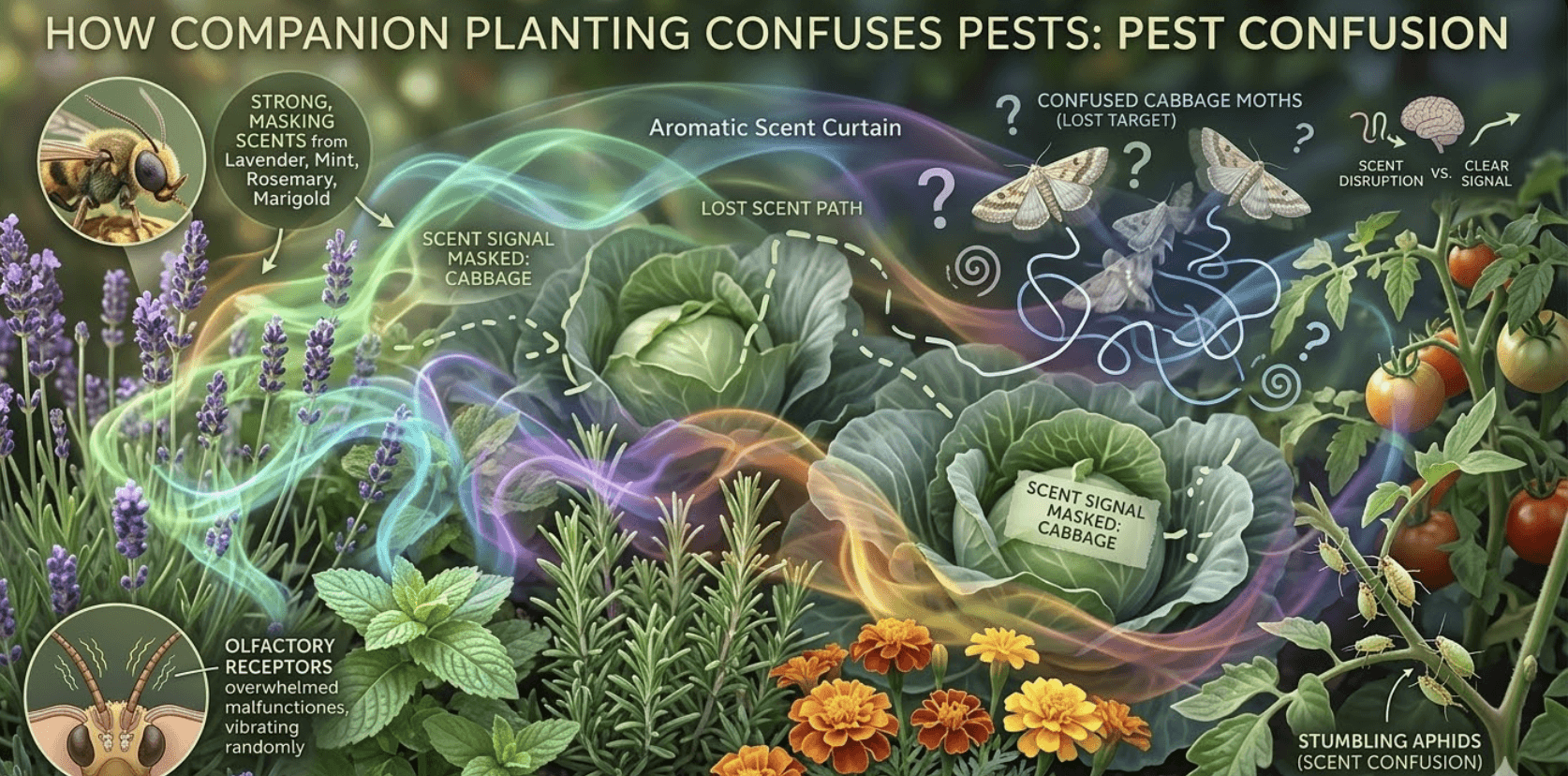
- For complete infrastructure setup and management, consult our guide on companion planting.
- To maintain season-long health and pest suppression, explore our analysis of crop rotation.
Step-by-Step Instructions
Identification and Monitoring
Scouting for Garden Pests & Damage
Integrated Pest Management (IPM) begins with accurate pest identification. You must identify the specific insect or pathogen to select the correct organic control strategy and avoid harming beneficial species.
Inspect your garden beds daily, checking the undersides of leaves, the junctions of stems, and the tender new growing tips where pests like aphids, thrips, spider mites, and whiteflies tend to aggregate.
Deploy yellow and blue sticky traps throughout the crop canopy. These traps act as early warning indicators, allowing you to catch pest spikes and identify species before they become outbreaks.
Physical and Cultural Controls
Preventing Pests with Barriers & Hygiene
Prevention is the best medicine. Use physical barriers like floating row covers or fine insect exclusion netting to block pests from ever touching your plants and laying eggs.
Implement cultural controls by keeping your garden clean. Remove diseased plant debris, prune lower leaves to improve airflow, rotate crops to disrupt overwintering soil pests, and pull weeds that host pests.
Build strong, resilient plants by maintaining optimal soil health and watering consistently, as stressed plants release pheromones that actively attract insect pests.
Encouraging Beneficial Insects
Attracting Predatory Species
Nature provides its own pest control. Encouraging beneficial insects like ladybugs, lacewings, hoverflies, and parasitic wasps helps maintain biological balance in your garden.
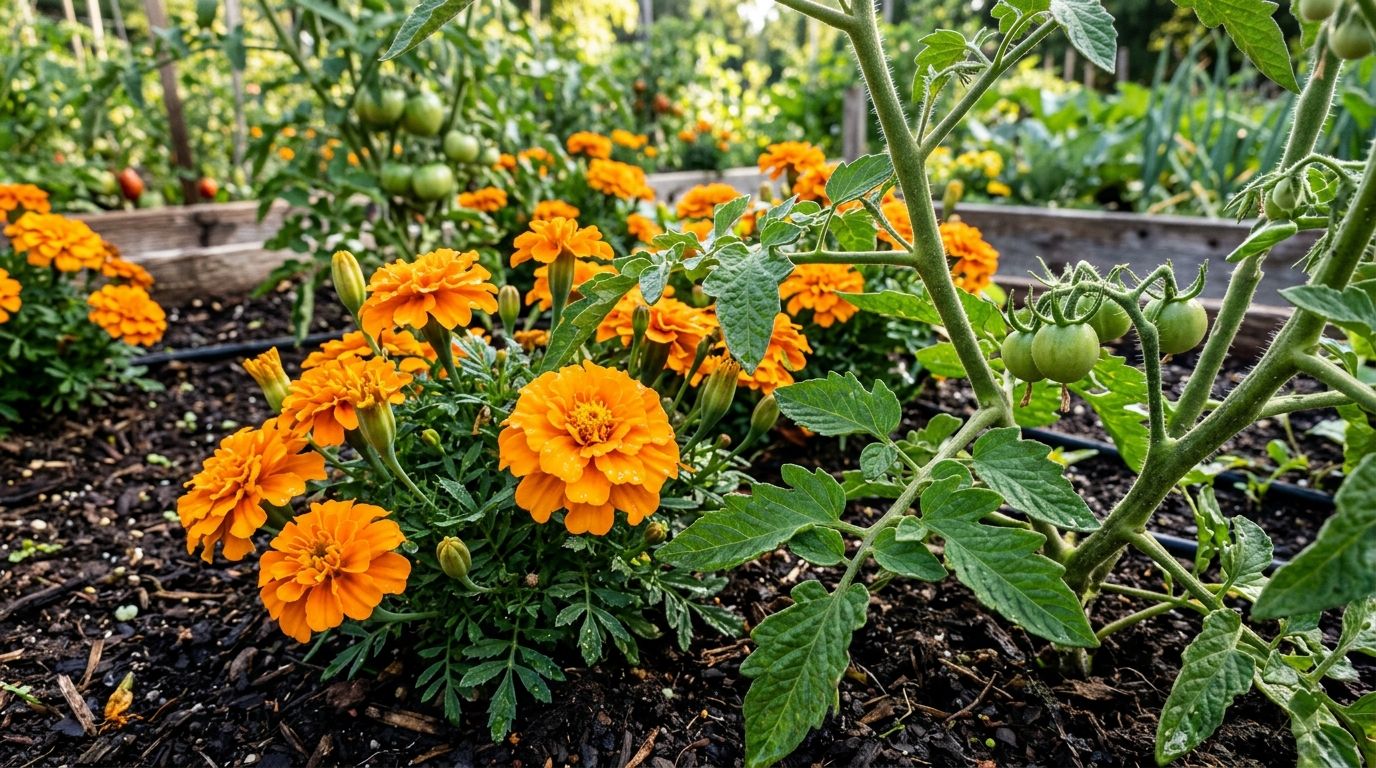
Plant diverse insectary borders filled with flowering dill, fennel, sweet alyssum, marigolds, and yarrow to provide nectar and habitat for these predatory insects throughout the season.
For greenhouses or severe outdoor outbreaks, buy and release commercial beneficial insects (like Phytoseiulus persimilis predatory mites for spider mites, or Aphidius wasps for aphids) to target pests directly.
Applying Organic Sprays
Using Targeted Sprays Safely
When biological and physical controls are insufficient, organic sprays can be applied as a last resort. Use targeted biological solutions like Bacillus thuringiensis (Bt) for caterpillars, which only affects pests that ingest it.
Apply broad-spectrum organic sprays like neem oil, insecticidal soap, or horticultural oils carefully. Always spray late in the evening when honeybees and other pollinators are inactive to minimize off-target harm.
In conclusion, organic pest control is about ecosystem management. By identifying pests early, using row covers, attracting beneficial insects, and spraying selectively, you can protect your garden without harsh synthetic chemicals.
Expert Insights & FAQs
Are organic pesticides safe for bees?
Some, like neem oil, can still harm bees if sprayed on open flowers. Spray at dusk.
How do I get rid of aphids?
A strong blast of water or releasing ladybugs usually handles aphids.
What is diatomaceous earth?
A natural powder that damages the exoskeletons of crawling insects.
How does crop rotation help?
It prevents soil-borne pests from accumulating in one spot over time.
Johnnie McCormick
Zone 7b/8a - North Central Alabama
Johnnie McCormick is a gardening hobbyist and the founder of My Garden Spot. Raised in north-central Alabama, his passion for gardening began in his youth. In 2008, he established a large market garden, teaching himself high-yield growing methods. In the years since, he has operated seasonal seedling sales for transplants, specializing in heirloom tomatoes, peppers, eggplants, decorative ground covers like Ajuga (Bugleweed), marigolds, nasturtiums, and fresh kitchen-window herb arrangements (basil, cilantro). Today, he gardens in the hills between Birmingham and Jasper, Alabama (Zone 7b/8a), sharing practical, community-focused gardening resources.
Verified Authoritative Citations & References
In alignment with our strict E-E-A-T research and verification guidelines, this guide cross-references data from the United States Department of Agriculture (USDA) and Cooperative Extension Service programs.
- Cornell Cooperative Extension: Home Vegetable Gardening Guide and vegetable variety recommendations. gardening.cals.cornell.edu
- Penn State Extension: Master Gardener Manual and companion planting matrices. extension.psu.edu
- Alabama Cooperative Extension System (ACES): Raised bed construction plans and regional seed planting calendars. aces.edu
- USDA NRCS: Cover crops and biological soil health guidelines. nrcs.usda.gov
Please log in to view comments.