Regenerative Soil Priming: Mycorrhizal Inoculation and the Soil Food Web

How Does Mycorrhizal Inoculation Prime Regenerative Soil Biology?
1. The Architecture of Soil Priming: Beyond Traditional Fertilization
In the transition from extractive to regenerative agriculture, we must shift our perspective from viewing soil as a static substrate to recognizing it as a dynamic, bio-energetic engine. "Soil priming" is the intentional process of accelerating the establishment of biological infrastructure to optimize nutrient cycling, water infiltration, and crop resilience. Unlike conventional fertility management, which relies on soluble N-P-K inputs, regenerative priming focuses on the symbiotic relationship between plant root exudates and the soil food web.
At the center of this process are Arbuscular Mycorrhizal Fungi (AMF). These obligate symbionts form complex networks that extend the root zone's effective surface area by up to 1,000 times. By inoculating seeds or soils with specific mycorrhizal consortia, practitioners can bypass the lag phase that typically occurs while native populations recover from tillage, chemical residue, or fallow periods.
The Biological Pivot
When we introduce mycorrhizal inoculants, we are essentially deploying "biological scaffolding." These fungi penetrate the root cortex, forming structures called arbuscules—the sites of nutrient and carbon exchange. The plant trades photosynthetically derived carbon (sugars and lipids) for inorganic nutrients (phosphorus, zinc, and micronutrients) that the fungi have scavenged from the soil matrix through an intricate network of hyphae.
Priming is not a one-time event but a strategic entry point into the biological succession of the soil. When executed correctly, it triggers a cascade of biological activity. The glomalin produced by these fungi acts as a biological "glue," binding soil particles into stable aggregates. This aggregation is the foundational requirement for [Soil Structure and Porosity Management], as it creates the pore spaces necessary for oxygen exchange and water retention.
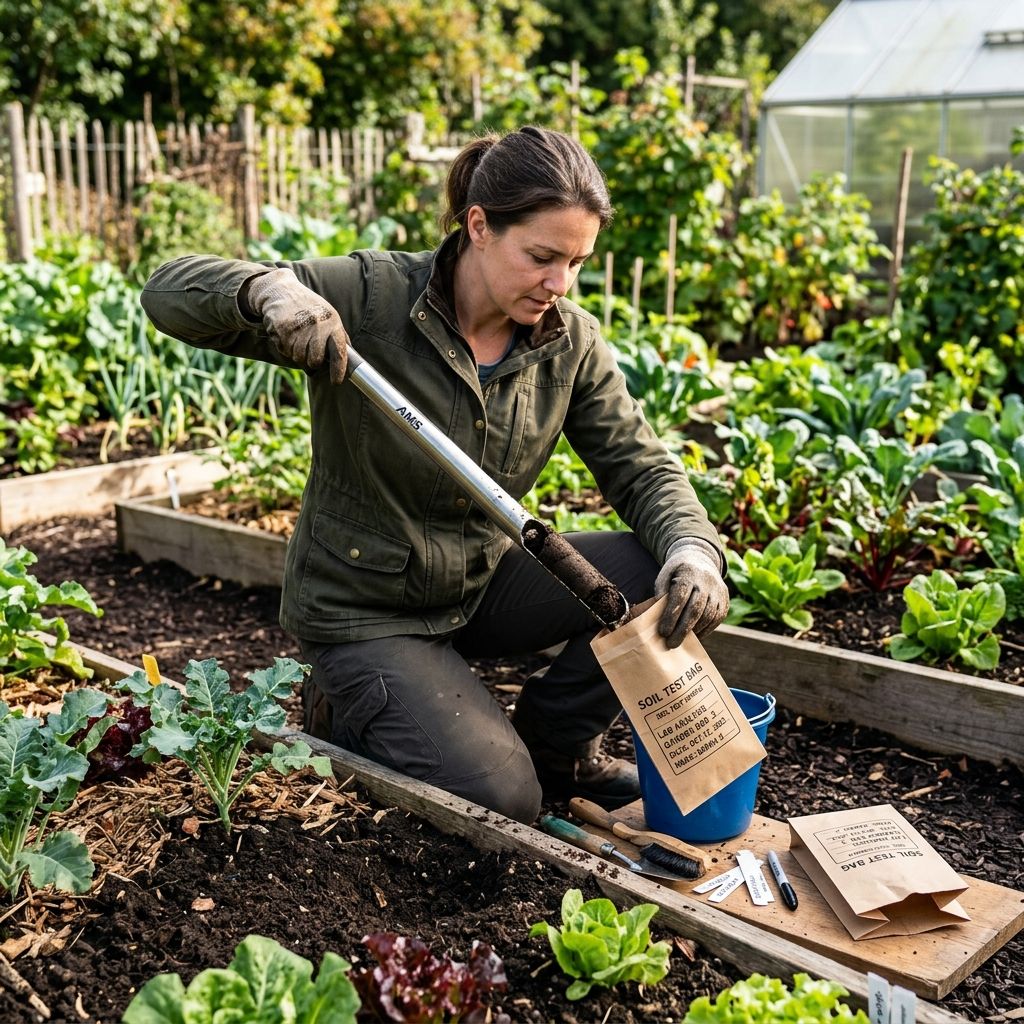
2. Deciphering the Soil Food Web Hierarchy
To manage soil priming effectively, one must understand the trophic levels within the soil food web. Priming serves as the catalyst for a top-down and bottom-up feedback loop.
- Level 1 (The Producers): These are your plants, which capture atmospheric CO2 and convert it into root exudates. The quality and volume of these exudates—rich in organic acids and complex sugars—are the "fuel" for the soil food web.
- Level 2 (The Consumers): This includes the mycorrhizal fungi and bacteria (the "decomposers" and "symbionts"). AMF serve as the primary conduits, transferring carbohydrates from the plants to the broader web.
- Level 3 (The Predators): Protozoa, nematodes, and microarthropods graze on the bacterial and fungal biomass. This "grazing" is critical; as these predators consume the bacteria and fungi, they release nitrogen and other nutrients in plant-available forms—a process known as nutrient cycling or the [Microbial Loop].
In a primed soil, this hierarchy is highly active. Without inoculation in degraded systems, the "producers" often struggle to recruit these beneficial symbionts, leading to a reliance on synthetic inputs that further suppress the biological life cycle. By introducing mycorrhizal species early, we ensure that the plant does not have to expend excess energy attempting to solicit symbiotic colonization during its most vulnerable growth stages.
3. Selecting the Right Inoculant: Species Diversity vs. Concentration
A common mistake in regenerative practice is prioritizing high propagule counts over species diversity. Not all AMF strains interact equally with every crop species or soil type.
- Glomus intraradices (Rhizophagus irregularis): The "workhorse" of the mycorrhizal world. It colonizes quickly and adapts to a wide range of soil pH and environmental conditions. It is essential for row crops and annuals where rapid establishment is required.
- Gigaspora species: These fungi tend to produce more extensive extra-radical hyphal networks, which are superior for soil structure development and long-term phosphorus sequestration. They are slower to colonize but provide more durable results.
When evaluating inoculants, look for a consortium that mimics the natural complexity of a [Restored Soil Ecosystem]. A diverse blend ensures that if environmental fluctuations (such as temperature spikes or temporary flooding) inhibit one species, others within the mix can occupy the niche.
Assessing Compatibility
Before wide-scale application, practitioners must consider the "P-Trap." If soil phosphorus levels are already high due to years of synthetic fertilization, the plant may engage in "mycorrhizal suppression," where it restricts the colonization of AMF because the cost of the symbiotic relationship (carbon) exceeds the benefit of scavenged nutrients. Therefore, regenerative priming is most effective when managed in conjunction with a [Reduction of Synthetic Phosphorus Applications].
4. The Mechanistic Priming Workflow
Successful inoculation requires specific delivery mechanisms that ensure the fungal spores come into direct contact with the emerging radical of the seed.
Seed Coating and Drenching
Seed coating is the most efficient delivery method for broad-acre crops. By using an adhesive agent—such as a humic acid solution or a dilute fish emulsion—the inoculant is held against the seed coat. As the seed imbibes water and initiates germination, the hyphae are positioned to immediately begin the search for the host root.
In-Furrow Application
For specialized crops or vegetable systems, in-furrow liquid application can be utilized. This allows the practitioner to combine the mycorrhizae with [Biostimulant Compatibility Protocols], such as kelp extracts or fulvic acids, which can further stimulate the hyphal growth.
The Importance of Moisture
Mycorrhizal fungi are aerobic organisms. Inoculation will fail in compacted or waterlogged soils. Priming is therefore a two-part intervention: the biological addition (the fungi) and the physical preparation (the soil environment). Practitioners must ensure that soil oxygen levels are adequate at the time of planting. If the soil is too dry, the fungi will fail to germinate; if it is too wet, the lack of oxygen will prevent the aerobic exchange required for symbiosis.
5. Setting Expectations: The Biological Lag Phase
It is essential to understand that regenerative soil priming is an investment, not a quick fix. While visible plant vigor may increase within the first three weeks, the systemic benefits—such as increased drought tolerance and improved soil structural stability—often manifest over a full growing season.
During this time, the soil food web is undergoing a structural realignment. The mycorrhizal hyphae are expanding the root depletion zone, and the plant is recalibrating its allocation of sugars. Patience is required. Practitioners should monitor success not just through yield, but through qualitative indicators: root hair density, the presence of dark, healthy fungal mats on roots, and the gradual improvement of soil tilth.
In the subsequent sections of this guide, we will explore the specific [Advanced Inoculation Techniques] and how to calibrate your [Regenerative Monitoring Strategy] to ensure that your investment in soil biology pays dividends in long-term ecological health and agricultural productivity.
Advanced Inoculation Techniques: Bridging the Gap Between Laboratory and Field
Moving beyond the rudimentary application of dry-powder spores, advanced inoculation requires a nuanced understanding of the biological interface. Successful priming is not merely about the volume of propagules; it is about the synchronicity of the inoculum with the host plant’s exudation timeline and the existing soil biome. To maximize colonization efficacy, practitioners must transition toward methods that protect fungal integrity and facilitate rapid hyphal expansion.
The Slurry-Gel Matrix: Protecting Propagules from Desiccation
The most common point of failure in field-scale inoculation is the rapid desiccation of mycorrhizal spores upon contact with dry, aerated soil or exposure to UV radiation. To mitigate this, we employ a slurry-gel matrix that mimics the rhizosphere’s moisture-retentive environment.
By utilizing a food-grade hydrogel or a humic-acid-based carrier, you create a microscopic "biological vault" around the root tip or seed. The humic acid serves a dual purpose: it acts as a biostimulant to trigger initial root exudation, while the gel provides a buffer against osmotic stress.
Application protocol:
- Hydration: Rehydrate your arbuscular mycorrhizal fungi (AMF) in a non-chlorinated, room-temperature water solution for 30 minutes. Chlorinated municipal water must be avoided, as it actively inhibits fungal germination.
- Buffering: Integrate a 5% liquid humic/fulvic acid blend into the slurry. This provides an immediate carbon source for the colonizing fungi.
- Coating: For bare-root transplants, ensure the slurry consistency adheres to the root system like a thick paste. For seed-drilling, the slurry should be atomized directly into the furrow.
This technique ensures that the inoculum is not merely "present" in the soil, but is physically tethered to the zone of highest biological activity. As the seedling germinates, the fungus is already localized at the root-soil interface, minimizing the energy expenditure required for the fungus to locate a host.
Sub-Surface Banding and Rhizosphere Injection
Surface broadcasting of biologicals—even in liquid form—often results in the majority of the inoculum being sequestered in the top centimeter of the soil, where temperature fluctuations and microbial predation are highest. To bypass this, we utilize sub-surface banding.
By injecting the inoculant 2–4 inches below the seed or root crown, you place the fungal propagules directly within the active rhizosphere. This depth is critical because it stabilizes the micro-environment, shielding the developing mycelial network from the extreme surface heat that causes premature dormancy in many beneficial fungal strains.
For orchards or permanent perennial crops, a soil auger injection system is preferred. By boring small pilot holes in the drip line and pressurized-injecting the liquid inoculant, you bypass the compacted topsoil layers and deliver the biology directly to the feeder-root zone. This is particularly effective in soils with high bulk density, where the soil food web may be struggling to penetrate deeper horizons independently.
Co-Inoculation: The Synergistic Approach
A singular focus on AMF (Arbuscular Mycorrhizal Fungi) is often insufficient for comprehensive soil restoration. Advanced practitioners use a "biological cocktail" approach, incorporating co-inoculants that provide the scaffolding for mycorrhizae to thrive.
- PGPR (Plant Growth-Promoting Rhizobacteria): Bacteria such as Bacillus subtilis or Pseudomonas fluorescens serve as the "scouts" of the soil food web. They produce secondary metabolites that soften root cell walls, making it significantly easier for mycorrhizal hyphae to initiate penetration.
- Trichoderma Species: While technically a soil-borne fungus rather than a mycorrhizal one, Trichoderma acts as an aggressive competitor against soil-borne pathogens. By managing pathogenic pressure, Trichoderma creates a "safe zone" that allows delicate mycorrhizal hyphae to colonize the root system without the immediate threat of suppression or consumption.
When developing your [Advanced Inoculation Techniques], prioritize strains native to your specific climate zone or ecoregion. Biology that is locally sourced often exhibits superior cold-hardiness and heat tolerance compared to commercially standardized cultures.
Calibrating Your Regenerative Monitoring Strategy
Investment in biological priming is a sunk cost unless it is coupled with a rigorous feedback loop. Because the soil food web is a dynamic, invisible system, we must rely on proxy indicators that translate biological activity into actionable data. Your [Regenerative Monitoring Strategy] should be divided into three temporal scales: immediate (at planting), seasonal (during peak growth), and long-term (post-harvest).
Indicator 1: The Root-Stain Assay (Immediate)
The most direct method to confirm that your inoculation techniques are working is the "Quick-Stain" root analysis. Within 14 to 21 days post-planting, extract a small root sample. By utilizing a simple Trypan blue or ink-and-vinegar staining technique (often performed in a basic field lab), you can visually quantify the colonization rate.
Look for the presence of arbuscules—the tree-like structures where the nutrient exchange occurs. If colonization is below 20%, it suggests either poor inoculum viability or a nutrient imbalance (usually excess phosphorus, which causes the plant to "shut the door" on fungal symbionts).
Indicator 2: The CO2 Burst and Respiration Rate (Seasonal)
Soil respiration is the "pulse" of the soil food web. A system with high mycorrhizal density will exhibit a healthy CO2 burst when soil moisture is optimized. Utilizing an inexpensive field-based CO2 probe allows you to monitor the metabolic activity of your microbes.
If your respiration rates are flat, it indicates the biology is dormant or lacks carbon substrate. If they are surging uncontrollably, you may be experiencing a "biological bloom" and crash, often caused by over-application of high-nitrogen fertilizers that force the microbes to burn through soil organic matter too rapidly.
Indicator 3: Tilth Evolution and Aggregate Stability (Long-Term)
The ultimate dividend of successful inoculation is the transformation of soil structure. Mycorrhizal fungi produce glomalin, a sticky glycoprotein that acts as the "glue" for soil aggregates.
Use the SLAKES test (or a simple slake test in a glass of water) to measure the structural integrity of your soil. If a soil clod retains its shape in water rather than dissolving into silt, your glomalin levels are rising. This is the gold standard for regenerative progress: as your soil aggregates stabilize, your water infiltration rate will increase, and your dependence on external irrigation or synthetic inputs will begin to decline proportionally.
By aligning your [Advanced Inoculation Techniques] with this [Regenerative Monitoring Strategy], you shift from being a manager of chemical inputs to an architect of biological infrastructure. You are no longer just feeding the plant; you are cultivating the platform upon which your farm’s long-term agricultural productivity is built.
Orchestrating the Soil Food Web: Beyond the Inoculum
While [Advanced Inoculation Techniques] provide the "seed" for your biological infrastructure, the long-term resilience of your soil depends on the trophic complexity of the indigenous and introduced microbial community. A singular focus on mycorrhizal colonization, while critical, is akin to stocking a pond with fish without ensuring the presence of plankton, aquatic plants, or predatory insects. To achieve a self-sustaining regenerative system, the practitioner must shift their lens toward the Soil Food Web—the hierarchical energy transfer system that powers nutrient cycling.
The Trophic Cascade: From Bacteria to Ecosystem Stability
The Soil Food Web functions through a series of energy transfers starting from the rhizosphere, where plants exude photosynthates—sugars, amino acids, and organic acids—to attract specific microbial cohorts. This "rhizosphere effect" is the primary engine of your farm.
In a degraded system, the soil food web is often truncated, dominated by bacterial-feeding organisms and lacking the fungal pathways necessary for complex carbon sequestration and structural soil development. Your objective is to foster a "fungal-to-bacterial" (F:B) ratio that matches your crop’s physiological needs.
- Bacteria and Fungi: These are the primary decomposers. Bacteria, with their rapid turnover rates, excel at mobilizing nitrogen (N). Fungi, through their extensive hyphal networks, are essential for mobilizing phosphorus (P) and micronutrients, as well as creating macro-aggregates.
- Protozoa and Nematodes: These are the "herbivores" of the microbial world. As they consume bacteria and fungi, they release excess nitrogen in the form of ammonium ($NH_4^+$) directly in the root zone—a process known as microbial nutrient cycling.
- Arthropods and Earthworms: The "ecosystem engineers." They shred organic matter, increase surface area for microbial colonization, and create macropores that improve gas exchange and water infiltration.
To move from a chemistry-dependent model to a biological one, you must ensure that your inoculation efforts are supported by an environment where these trophic layers can thrive. If you introduce mycorrhizal fungi into a field with high synthetic nitrogen and phosphorus inputs, the plant will effectively "deactivate" the fungal symbiosis because it is receiving nutrients through cheaper, external pathways. Consequently, the food web collapses, the soil loses its structure, and the reliance on inputs is locked in.
Managing the Fungal-to-Bacterial (F:B) Ratio
For the regenerative practitioner, the F:B ratio is the primary diagnostic metric for understanding soil successional state. Annual row crops typically require a balanced to slightly bacterial-dominant soil, while perennials and orchard systems require high fungal dominance.
- Measuring the Baseline: Utilize [Regenerative Monitoring Strategy] protocols to determine your current F:B ratio through direct microscopic assessment or PLFA (Phospholipid Fatty Acid) analysis.
- Influencing the Shift:
- For Bacterial Dominance (Vegetables/Annuals): Focus on high-quality compost teas, green manures, and moderate application of humic substances.
- For Fungal Dominance (Perennials/Orchards/Agroforestry): Incorporate lignified organic matter such as wood chips, sawdust, or fungal-dominant compost (often referred to as Johnson-Su bioreactor compost). Avoid frequent tillage, as this physically shears the delicate hyphal networks you have spent months developing.
By managing the F:B ratio, you are essentially setting the "operating system" for your crops. A fungal-dominant soil acts as a nutrient bank, holding nitrogen in the hyphal biomass rather than allowing it to leach, while a bacterial-dominant soil provides a "paycheck-to-paycheck" flow of nutrients suitable for fast-growing annuals.
The Role of Bio-Stimulants and Exudate Management
Inoculation is rarely a "set it and forget it" task. To ensure the survival and proliferation of your introduced mycorrhizal and beneficial microbial populations, you must provide a consistent carbon source. This is where [Advanced Inoculation Techniques] merge with management practices like cover cropping and "green bridging."
Exudates are the currency of the soil. When you plant a cover crop cocktail—incorporating diverse species like legumes (for nitrogen fixation), brassicas (for bio-fumigation and deep mining), and grasses (for mycorrhizal support)—you are diversifying the "menu" of exudates available to the soil food web.
Furthermore, the strategic application of bio-stimulants can serve as a catalyst. These are not fertilizers in the traditional sense; they are substances designed to trigger microbial activity.
- Humic and Fulvic Acids: Act as chelating agents, making nutrients bio-available while stimulating microbial respiration.
- Seaweed Extracts: Rich in trace minerals and growth hormones like cytokinins and auxins, which stimulate root growth, thereby providing more sites for mycorrhizal colonization.
- Fish Hydrolysate: Provides amino acids and proteins that feed the fungal component of the soil food web, particularly when applied in the root zone during critical plant growth stages.
Minimizing Biological Disturbances
The greatest threat to a developed soil food web is the abrupt cessation of the symbiotic relationship. Synthetic inputs, high-salt fertilizers, and fungicides are the primary agents of biological degradation.
Fungicides, by design, inhibit the very networks you are trying to build. If a crop protection strategy necessitates the use of fungicides, you must understand that the "clock" on your mycorrhizal colony is being reset. In such cases, re-inoculation via [Advanced Inoculation Techniques] at the seedling or transplant stage becomes non-negotiable.
Equally detrimental is excessive tillage. Every pass of a disc or plow is a massive disturbance event that destroys the macro-aggregates formed by fungal glomalin. Without these aggregates, the soil loses its hydraulic conductivity—the ability to move water through the profile—leading to ponding, anaerobic pockets, and the eventual death of the aerobic microbes that form the foundation of your regenerative success.
Conclusion of Part 3: Establishing the Platform
Building a soil food web is about creating a habitat, not just adding organisms. When you align your management practices to protect the trophic complexity of the soil, you create a biological insurance policy. The soil becomes self-filtering, self-fertilizing, and self-structuring.
In the next section, we will transition from the biological theory of the food web to the practical application of building custom composts and liquid inoculants, ensuring that the biology you introduce is native to your farm's unique ecological context. By mastering these onsite production techniques, you effectively eliminate the need for costly commercial inputs and finalize the transition to an architect-led agricultural model.
The Alchemy of Extraction: Scaling Biological Sovereignty
Transitioning from passive soil management to active biological architecture requires moving beyond the application of bulk compost. While solid amendments provide the organic matter foundation, the true leverage in regenerative priming lies in the extraction and concentration of the soil food web (SFW) into liquid form. By transitioning your microbial focus to liquid inoculants—specifically compost extracts and actively aerated compost teas (AACT)—you move from applying a "blanket" of biology to delivering a precision-guided "serum" directly to the rhizosphere.
The Physics of Extraction: From Solids to Suspensions
The fundamental challenge in liquid inoculation is the mechanical removal of beneficial bacteria, fungi, protozoa, and nematodes from the surface of organic substrates without destroying their cellular integrity. The extraction process is not merely a washing cycle; it is a bio-physical separation technique.
When you submerge high-quality, biologically active compost in water, you are initiating a transition from an aerobic solid environment to a liquid suspension. The key to successful extraction is the use of shear force. Using a food-grade agitator or a dedicated compost tea brewer, you must apply sufficient kinetic energy to "scrub" the biofilms—the protective, slimy matrices where microbes congregate—off the surface of the humified organic matter.
Technical Protocol for High-Efficiency Extraction:
- Hydration: Use dechlorinated water. Chlorine and chloramine are potent bactericides that will neutralize your inoculum before it reaches the field. If your water source is municipal, treat it with humic acid or let it sit exposed to air for 24 hours to dissipate volatile compounds.
- Shear Force Application: Utilize a 400-micron mesh bag to contain your compost. The mesh size is critical; it must be large enough to allow passage of the larger predatory microbes (nematodes and testate amoebae) but fine enough to retain large particulate matter that might clog your spray equipment.
- The "Bio-Scrub": Mechanical agitation should be vigorous but non-cavitating. You are looking for a gentle, rhythmic folding of the liquid. If the agitation is too violent, you risk shredding fungal hyphae; if it is too weak, the microbial biomass remains sequestered in the compost matrix.
For further reading on maintaining microbial viability during application, see [The Principles of Micro-Climate Control in Soil].
Actively Aerated Compost Tea (AACT) vs. Compost Extract
The common confusion between "extract" and "tea" is a failure of biological strategy. An extract is a direct concentration of the existing microbial population. It is best used when you have high-quality, mature, microbially diverse compost and you wish to apply the biology immediately. A tea (AACT), by contrast, involves an incubation period where you provide a food source (usually a combination of simple and complex carbohydrates like molasses and kelp meal) to "brew" and multiply the population density of the microbes present in the original sample.
The danger in brewing AACT is "population explosion bias." If your original compost contains pathogens (often due to thermophilic failure or anaerobic pockets), an AACT brew will amplify those pathogens as rapidly as the beneficial organisms. Never brew tea from compost that has not been [Assessed via Microscopic Analysis]. If you are uncertain about the purity of your compost, stick to the extract method.
The Rhizosheath Strategy: Inoculation at the Point of Contact
Biological priming is most effective when the distance between the inoculum and the germinating seed or the active root hair is minimized. The rhizosheath—a layer of soil adhering to root surfaces held together by microbial mucilage—is the target.
When applying liquid inoculants, timing is dictated by the phenology of the crop:
- Seed Inoculation: The most cost-effective moment for intervention. By "priming" the seed with a concentrated extract, you ensure that the moment the radical emerges from the seed coat, it is colonized by a beneficial suite of bacteria and fungi rather than opportunistic pathogens.
- Transplant Drenching: When moving starts from a nursery environment to the field, the "shock" of transition often results in a stagnant root system. A root-dip in a microbial slurry inoculates the rhizosphere before the roots even make contact with the native, potentially depleted soil.
- Foliar Inoculation: While mycorrhizal fungi are root-associated, bacteria and some beneficial fungi thrive on the phyllosphere (the leaf surface). Applying an extract to the leaves creates a "biological barrier" that outcompetes pathogenic fungi for space, effectively functioning as an immunomodulator for the plant.
Precision Dosage and Microbial Density
In regenerative architecture, "more" is rarely "better." Over-applying biological inoculants can lead to resource competition among the microbes themselves, leading to a population crash. The goal is to reach a critical mass—a tipping point where the beneficial microbes can dominate the niche and begin to facilitate nutrient cycling.
We generally aim for an application rate that delivers a specific number of microbial "units" per square meter. However, in practice, this is adjusted based on the [Soil Food Web Balancing Act]. If a soil test indicates a bacterial dominance (typical of degraded or heavily tilled soils), your extract strategy should shift toward fungal-heavy composts, often supplemented with fungal foods like fish hydrolysate or chitin-rich shrimp meal, to encourage the mycelial networking necessary for soil structure development.
Troubleshooting the Liquid Inoculation Pipeline
Even with a perfect extract, systemic failures can occur in the delivery hardware. The most common pitfall is equipment sterilization. Many farmers use sprayers that have previously held chemical herbicides or fungicides. These residues are toxic to the soil food web.
Pro-Tip: Dedicated biological application equipment is mandatory. If you must use shared equipment, implement a strict decontamination protocol using a 3% hydrogen peroxide solution to oxidize chemical residues. Furthermore, avoid high-pressure pumps. Microbes are biological organisms, not chemical solutions; high-pressure nozzles (above 50 PSI) can physically damage fragile fungal hyphae and large-bodied protozoa. Always utilize low-pressure, high-volume systems (e.g., diaphragm pumps) to ensure your "biological army" arrives intact.
By masterfully managing the transition from solid compost to liquid serum, you move from being a farmer who manages "inputs" to an architect who manages "ecological velocity." This liquid infrastructure provides the bridge between the dormant biology in your compost pile and the active, nutrient-cycling engine within the rhizosphere of your crop. Once this loop is closed, the soil becomes a self-replicating biological asset, requiring only the maintenance of the ecological conditions that allow this food web to persist.
Regenerative Soil Priming: Mycorrhizal Inoculation and the Soil Food Web
As regenerative agriculture moves from niche practice to mainstream strategy, understanding the biological engine of the farm—the soil—is paramount. This FAQ addresses the technical mechanisms of mycorrhizal inoculation and its role in re-establishing the soil food web.
Frequently Asked Questions
Q: What is the biological mechanism behind "soil priming" via mycorrhizal inoculation? A: Soil priming is the process of jump-starting the microbial metabolism of a dormant or degraded soil system. When you introduce Arbuscular Mycorrhizal Fungi (AMF) via inoculation, you are introducing a symbiotic bridge between the plant and the soil mineral matrix. These fungi extend their hyphal networks far beyond the plant's root depletion zone, effectively "priming" the soil by secreting glomalin—a glycoprotein that acts as biological glue. This stimulates the soil food web by providing a continuous carbon pathway (exudates) from the plant to the rhizosphere, attracting bacteria and protozoa that cycle nutrients into plant-available forms.
Q: How do AMF and the soil food web interact to improve nutrient bioavailability? A: Nutrient uptake is rarely a simple diffusion process. The soil food web operates through a "microbial loop." AMF secrete enzymes to solubilize phosphorus and micronutrients locked in soil minerals. However, they rely on bacteria and protozoa in the rhizosphere to mine these minerals. In a primed system, the AMF hyphae serve as a delivery highway. The presence of these fungi creates a specialized micro-niche where predatory bacteria and nematodes release nitrogen and minerals directly adjacent to the root surface, drastically increasing nutrient use efficiency (NUE) compared to sterile or chemically-saturated systems.
Q: Does synthetic fertilizer application negate the benefits of mycorrhizal inoculation? A: High-solubility synthetic phosphorus and nitrogen fertilizers can actively discourage the formation of mycorrhizal associations. When plants have easy access to soluble nutrients, they often "down-regulate" their carbon investment in the fungi, effectively breaking the symbiotic contract. In a regenerative context, we recommend a "bridge" approach: utilize inoculation to establish the biological foundation, then transition to organic or micro-dosed fertility inputs. This maintains the plant’s biological dependence on the soil food web rather than the fertilizer bag.
Q: How does fungal inoculation influence soil structure and water retention? A: Mycorrhizal hyphae are the primary architects of soil aggregate stability. As they grow through the soil, they physically entangle soil particles, while the production of glomalin acts as a binder. This creates micro-aggregates that improve soil porosity. Improved porosity facilitates better gas exchange and hydraulic conductivity. Effectively, a well-primed soil acts like a sponge, increasing the water-holding capacity (WHC) and buffering the crop against drought stress by creating a deep-reaching network for moisture access.
Q: What are the primary indicators that a soil priming strategy is succeeding? A: Beyond visual crop vigor, look for chemical and physical markers. Success is indicated by an increase in aggregate stability (the "slake test"), improved root colonization rates (visible via microscopy or staining), and a narrowing gap between soil test results and actual crop yield. If your sap analysis shows high nutrient uptake despite lower levels of applied fertilizer, your soil food web is successfully cycling nutrients via your inoculated mycorrhizal partners.
Expert Insights & FAQs
What is regenerative soil priming?
Regenerative soil priming is the practice of using biological inputs, such as mycorrhizal fungi, to jumpstart the soil food web, improving nutrient cycling and plant vitality.
How does mycorrhizal inoculation help soil health?
Mycorrhizal inoculation introduces beneficial fungi that form symbiotic relationships with plant roots, expanding the root surface area for better water and nutrient absorption.
Why is the soil food web important for regenerative farming?
A healthy soil food web promotes natural pest suppression, carbon sequestration, and soil structure, reducing the need for synthetic fertilizers and chemical inputs.
Johnnie McCormick
Zone 7b/8a - North Central Alabama
Johnnie McCormick is a gardening hobbyist and the founder of My Garden Spot. Raised in north-central Alabama, his passion for gardening began in his youth. In 2008, he established a large market garden, teaching himself high-yield growing methods. In the years since, he has operated seasonal seedling sales for transplants, specializing in heirloom tomatoes, peppers, eggplants, decorative ground covers like Ajuga (Bugleweed), marigolds, nasturtiums, and fresh kitchen-window herb arrangements (basil, cilantro). Today, he gardens in the hills between Birmingham and Jasper, Alabama (Zone 7b/8a), sharing practical, community-focused gardening resources.
Verified Authoritative Citations & References
In alignment with our strict E-E-A-T research and verification guidelines, this guide cross-references data from the United States Department of Agriculture (USDA) and Cooperative Extension Service programs.
- USDA Natural Resources Conservation Service (NRCS): Soil Quality and Cation Exchange Capacity technical references. nrcs.usda.gov
- Cornell Cooperative Extension: Soil Health Manual and organic composting guidelines. soilhealth.cals.cornell.edu
- Penn State Extension: Soil Buffering Ratios, acidity management, and soil testing procedures. extension.psu.edu
- Alabama Cooperative Extension System (ACES): Soil testing procedures and compost formulation standards. aces.edu


Please log in to view comments.