The Complete Guide to Closed-Loop Aquaponics: Balancing Water, Fish, and Plant Health
The Complete Guide to Closed-Loop Aquaponics: Balancing Water, Fish, and Plant Health
Introduction to Closed-Loop Aquaponics
Aquaponics is an innovative, highly sustainable method of farming that combines aquaculture (raising fish) and hydroponics (growing plants in water) into one integrated, closed-loop ecosystem. In a traditional aquaculture system, waste produced by the fish accumulates in the water, leading to toxicity for the aquatic life if not regularly removed or filtered out. Conversely, in traditional hydroponics, farmers must carefully formulate and add chemical fertilizers to provide the necessary nutrients for plant growth. Aquaponics elegantly solves both problems by marrying the two systems. The fish waste, which is rich in ammonia, is processed by naturally occurring beneficial bacteria into nitrites and then nitrates. These nitrates serve as an excellent, natural fertilizer for the plants. As the plants absorb these nutrients, they effectively filter and purify the water, which is then recirculated back to the fish tanks. This closed-loop process mimics the natural biological cycles found in rivers, lakes, and other aquatic ecosystems.
The concept of a "closed-loop" refers to the fact that the system requires very few external inputs once it is established, aside from fish feed, a small amount of electricity to run water and air pumps, and occasional water top-offs to account for evaporation and plant transpiration. Because the water is continuously recycled and naturally purified, closed-loop aquaponics uses up to 90% less water than traditional soil-based agriculture. This makes it an incredibly attractive option for regions facing water scarcity or for anyone interested in highly efficient, resource-conscious food production.
The beauty of closed-loop aquaponics extends beyond just water conservation. Because the plants rely entirely on the fish waste for nutrients, the use of synthetic fertilizers, chemical pesticides, and herbicides is strictly prohibited. Introducing such chemicals would disrupt the delicate balance of the bacterial colonies and could be fatal to the fish. Therefore, crops produced in an aquaponic system are inherently organic. Furthermore, this method of farming can be implemented anywhere—from a small backyard setup or an indoor basement system with artificial grow lights, to massive commercial greenhouses spanning acres. Its versatility and scalability have made it a cornerstone of the modern urban farming movement, allowing communities to produce fresh, healthy fish and vegetables locally, regardless of the quality of the native soil or the availability of arable land.
In this comprehensive guide, we will dive deep into every aspect of closed-loop aquaponics. We will explore the fundamental scientific principles that make the system work, detail the essential components needed to build your own setup, discuss the best species of fish and plants for various climates and goals, and provide a step-by-step walkthrough for designing, cycling, and maintaining your system. Whether you are a curious beginner looking to grow a few heads of lettuce and some goldfish on your patio, or an aspiring commercial farmer aiming to supply local restaurants with premium tilapia and organic greens, this guide will equip you with the knowledge and tools necessary for long-term success in the fascinating world of aquaponics.
The Core Principles and Science Behind the System
To truly master aquaponics, one must first understand the fundamental scientific principles that drive the entire system. At its core, aquaponics is an exercise in applied biology and chemistry. It is not simply a matter of putting fish in a tank and plants in a bed; it is about cultivating a complex, living ecosystem where three distinct groups of organisms—fish, plants, and bacteria—exist in a symbiotic relationship. Understanding how these organisms interact and how to maintain the environmental conditions that allow them to thrive is the key to a successful, stable, and highly productive closed-loop system.
The first principle of aquaponics is the concept of a balanced ecosystem. In a natural pond or stream, waste produced by aquatic animals is broken down by microorganisms and absorbed by aquatic plants. This prevents the accumulation of toxic compounds and keeps the water clean. A closed-loop aquaponics system artificially recreates this natural process in a controlled environment. The fish are the engine of the system, providing the biological "fuel" in the form of waste. The plants are the water purifiers, extracting the nutrients they need to grow and leaving clean water behind. But the unsung heroes of the aquaponic ecosystem—the crucial link that connects the fish to the plants—are the nitrifying bacteria. Without these microscopic organisms, the entire system would collapse almost immediately.
The second core principle is water quality management. Because the system is closed-loop, any changes in water chemistry can quickly affect all the organisms within it. Aquaponic practitioners must be diligent in monitoring and managing key water parameters, including pH, temperature, dissolved oxygen, ammonia, nitrite, and nitrate levels. Each of the three organism groups has its own ideal range for these parameters. For example, most plants prefer a slightly acidic pH (around 6.0 to 6.5) to optimally absorb nutrients, while many fish and the beneficial bacteria prefer a slightly alkaline pH (around 7.0 to 7.5). The challenge, therefore, is finding a compromise—a "sweet spot"—that is acceptable to all three groups. Typically, aquaponic systems are maintained at a pH of around 6.8 to 7.0 to balance the needs of the fish, plants, and bacteria.
The third principle is the concept of biofiltration. In an aquaponic setup, the grow beds (or specialized biofilters in systems like Nutrient Film Technique or Deep Water Culture) serve as a home for the nitrifying bacteria. These bacteria naturally colonize any surface area within the system, especially in areas with high oxygen levels and consistent water flow. The media in the grow beds—such as clay pebbles, gravel, or lava rock—provides an enormous amount of surface area for the bacteria to thrive. As the nutrient-rich water from the fish tank flows through the grow beds, the bacteria intercept the toxic ammonia and convert it into accessible nitrates. This biofiltration process is the beating heart of closed-loop aquaponics, transforming what would otherwise be a deadly waste product into a valuable resource.
Understanding the Nitrogen Cycle in Depth
The nitrogen cycle is the biological engine that drives aquaponics. A thorough, in-depth understanding of this cycle is absolutely essential for anyone looking to build and maintain a successful closed-loop system. The nitrogen cycle describes the process by which nitrogen, a crucial element for all living things, is converted between its various chemical forms. In the context of aquaponics, it refers specifically to the transformation of toxic fish waste (ammonia) into plant-accessible nutrients (nitrates) by naturally occurring beneficial bacteria.
The cycle begins with the fish. As fish consume feed, they metabolize the proteins and excrete nitrogenous waste, primarily in the form of ammonia (NH3) released through their gills and solid waste (feces). Ammonia is highly toxic to fish even at very low concentrations. In a closed system, if this ammonia is not rapidly removed or processed, it will quickly accumulate and cause stress, disease, and eventually death in the fish population. This is where the first group of crucial microorganisms comes into play: Nitrosomonas bacteria.
Nitrosomonas are aerobic, autotrophic bacteria that naturally colonize aquaponic systems. They are drawn to environments with high levels of ammonia and oxygen. When the ammonia-rich water from the fish tank flows over the surfaces where these bacteria live—such as the grow media or the walls of the pipes—the Nitrosomonas bacteria consume the ammonia. Through an oxidation process, they convert the ammonia into nitrites (NO2-). While this is a necessary step in the cycle, nitrites are actually even more toxic to fish than ammonia. If the process stopped here, the system would still fail.
Fortunately, the second half of the nitrogen cycle is handled by another group of beneficial bacteria: Nitrobacter. Like Nitrosomonas, Nitrobacter are naturally occurring, aerobic bacteria. They are drawn to environments with high levels of nitrites. The Nitrobacter bacteria consume the highly toxic nitrites produced by the Nitrosomonas and, through a further oxidation process, convert them into nitrates (NO3-). Nitrates are relatively non-toxic to fish, allowing them to tolerate much higher concentrations than they could with ammonia or nitrites. More importantly, nitrates are the primary source of nitrogen for plants. Nitrogen is a vital component of chlorophyll, amino acids, and proteins, and is essential for robust, healthy vegetative growth.
The final stage of the nitrogen cycle occurs in the grow beds. As the nitrate-rich water surrounds the roots of the plants, the plants absorb the nitrates, utilizing them to fuel their growth. This absorption process effectively filters the water, removing the nitrogen compounds and leaving it clean and purified. The clean water is then returned to the fish tank, and the cycle begins anew. Establishing a robust colony of both Nitrosomonas and Nitrobacter bacteria—a process known as "cycling" the system—is the most critical first step in starting a new aquaponics setup. Until this bacterial engine is fully functioning, the system cannot safely support a full load of fish or produce optimal plant growth.
Essential Components of an Aquaponics System
While closed-loop aquaponics systems can range from simple, DIY setups made from recycled barrels to massive, highly engineered commercial facilities, all systems share a set of essential core components. Understanding the function and requirements of each component is crucial for designing a balanced and efficient system. The five primary components of any aquaponics system are the fish tank, the grow beds, the water pump, the aeration system, and the plumbing infrastructure.
The fish tank is the heart of the system, providing the habitat for the aquatic animals. The size and shape of the tank are important considerations. Round or oval tanks are generally preferred over square or rectangular tanks, as they allow for better water circulation and prevent the accumulation of solid waste in corners. The material of the tank must be food-safe, non-toxic, and capable of withstanding the significant weight of the water. Popular options include food-grade IBC (Intermediate Bulk Container) totes, fiberglass tanks, heavy-duty polyethylene stock tanks, and even custom-built concrete or lined ponds. The volume of the fish tank will dictate the overall capacity of the system, including how many fish you can raise and how many plants you can support.
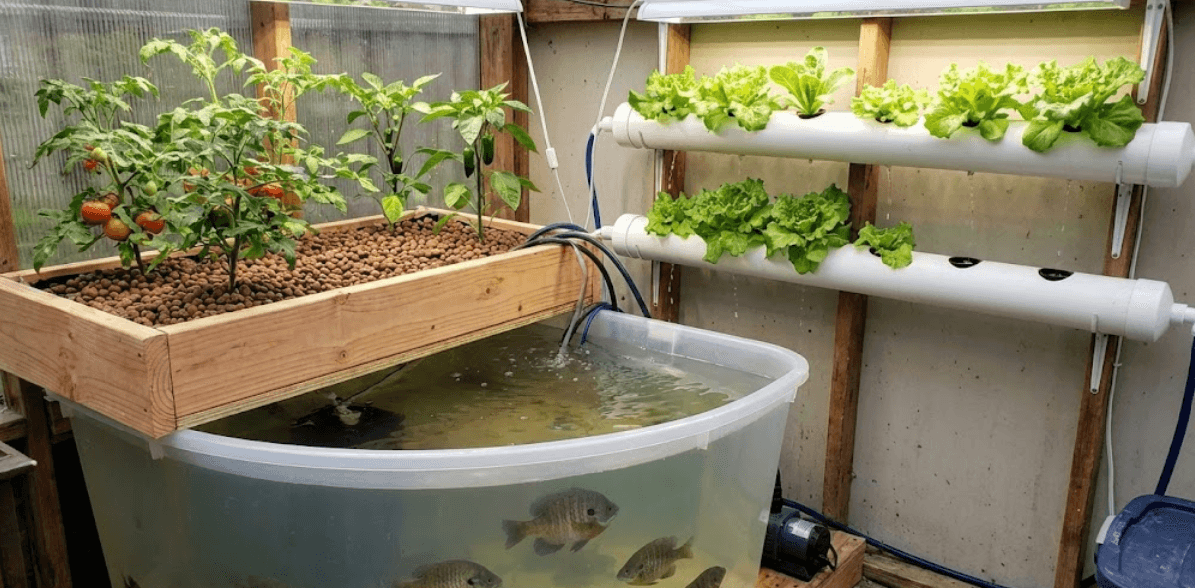
The grow beds are where the plants are cultivated and where the crucial biofiltration takes place. The design of the grow beds will vary depending on the specific type of aquaponics system being used (such as media-based, Deep Water Culture, or Nutrient Film Technique). In a media-based system, the grow beds are filled with a porous, pH-neutral substrate like expanded clay pebbles, gravel, or lava rock. This media supports the plant roots and provides the massive surface area required for the beneficial bacteria to colonize. The grow beds must be constructed from waterproof, non-toxic materials and positioned in a way that allows for efficient water flow and drainage.
The water pump is the engine that drives the continuous circulation of water throughout the closed loop. It is responsible for moving the nutrient-rich water from the fish tank to the grow beds and, depending on the design, returning the clean water back to the tank. When selecting a water pump, it is crucial to choose one that is rated for continuous, 24/7 operation and that can handle the required flow rate and "head height" (the vertical distance the water must be lifted). An undersized pump will result in poor circulation, inadequate filtration, and stagnant water, while an oversized pump will consume unnecessary electricity and create excessive turbulence. Magnetic drive submersible pumps are a popular choice for their reliability and energy efficiency.
Adequate aeration is essential for the survival of the fish, the plants, and the beneficial bacteria. All three groups of organisms require dissolved oxygen to thrive. The aeration system typically consists of an air pump connected to airlines and air stones placed in the fish tank and, in some designs, in the grow beds as well. The air stones create a stream of tiny bubbles that agitate the surface of the water, facilitating the exchange of gases and increasing the levels of dissolved oxygen. Maintaining high levels of dissolved oxygen is particularly crucial in warmer climates, as warmer water holds less oxygen than cooler water. A robust aeration system acts as an insurance policy against catastrophic system failure.
Finally, the plumbing infrastructure connects all the components together, creating the closed loop. This includes all the pipes, hoses, valves, and fittings necessary to transport the water efficiently and safely. PVC pipe is the most commonly used material due to its durability, low cost, and ease of assembly. It is important to use appropriate pipe diameters to minimize friction and ensure adequate flow rates. The plumbing system must be designed to prevent leaks, clogs, and dead zones where water might stagnate. Thoughtful plumbing design also includes features like overflow drains, bypass valves, and easily accessible cleanouts to facilitate maintenance and troubleshooting.
Selecting the Right Fish Species for Your Environment
Choosing the appropriate fish species is a critical decision that will significantly impact the design, management, and ultimate success of your aquaponics system. The ideal fish for aquaponics must be hardy, adaptable to varying water conditions, resistant to disease, and capable of thriving in a densely stocked environment. Your choice should be heavily influenced by your local climate, the intended purpose of the system (e.g., food production, ornamental display, educational tool), and the specific environmental parameters you can maintain.
Tilapia is widely considered the undisputed king of aquaponics. They are remarkably hardy, fast-growing, and highly tolerant of a wide range of water conditions, including poor water quality, low dissolved oxygen, and fluctuations in pH and temperature. They are an omnivorous species, meaning they can thrive on a diverse diet of commercial pellets, plant matter, and even insects. Tilapia are an excellent source of lean protein, making them a popular choice for systems designed for food production. However, tilapia are a warm-water species; they require water temperatures consistently between 75°F and 85°F (24°C - 29°C) to thrive and will suffer or die if temperatures drop significantly below 60°F (15°C). In cooler climates, raising tilapia requires significant energy inputs for water heating, which can affect the economic viability of the system.
For practitioners in cooler climates or those seeking a cold-water alternative, Trout (specifically Rainbow Trout) are an excellent option. Trout are a premium food fish, prized for their flavor and nutritional value. They grow rapidly and thrive in water temperatures ranging from 50°F to 65°F (10°C - 18°C). However, trout are significantly more demanding than tilapia. They require pristine water quality, extremely high levels of dissolved oxygen, and a high-protein, carnivorous diet. They are highly sensitive to ammonia and nitrite spikes, meaning the biofiltration system must be perfectly balanced and meticulously maintained. Raising trout in aquaponics is generally recommended for more experienced growers who can guarantee a stable, cold, and highly oxygenated environment.
If the goal of the aquaponics system is not food production, but rather ornamental display, education, or simply the joy of creating a closed-loop ecosystem, Goldfish and Koi are outstanding choices. Both species belong to the carp family and share a remarkable resilience and adaptability. They are incredibly hardy, capable of tolerating wide temperature fluctuations, varying pH levels, and less-than-ideal water quality. They produce copious amounts of waste, making them excellent nutrient generators for the plants. Koi, in particular, can grow quite large and require significant tank volume, but they can live for decades and become beautiful, interactive pets. Goldfish are ideal for smaller, indoor, or educational setups where a robust and forgiving fish species is needed.
Other notable species commonly raised in aquaponics include Catfish (which are hardy, bottom-dwelling, and tolerate poor water quality well), Bass, Bluegill, and even freshwater crustaceans like Marron or Redclaw Crayfish. When selecting a species, it is essential to research their specific requirements regarding water temperature, pH, diet, stocking density, and compatibility with other species. It is also crucial to check local regulations, as the importation, breeding, or possession of certain non-native fish species (like tilapia) may be restricted or prohibited in some regions to prevent ecological damage if they escape into local waterways.
Choosing the Best Plants for Aquaponic Growth
The choice of plants in a closed-loop aquaponics system is just as crucial as the choice of fish. The plants serve as the biological water purifiers, extracting the nitrates and other nutrients generated by the fish waste. A successful system pairs the nutrient output of the fish with the nutrient demands of the plants. The specific types of plants you can grow will depend largely on the maturity of your system, the stocking density of your fish, the type of grow bed design you are using, and the environmental conditions (light, temperature, humidity) of your setup.
In a newly established aquaponics system, the nutrient levels—particularly nitrates—are relatively low. During this initial phase, it is highly recommended to stick to leafy greens and herbs, which have lower nutrient demands and thrive primarily on nitrogen. Lettuce (in all its varieties, from Romaine to Butterhead to loose-leaf) is the undisputed champion of aquaponic plants. It grows rapidly, requires minimal nutrients, and performs exceptionally well in almost all aquaponic designs, particularly Deep Water Culture (DWC) and Nutrient Film Technique (NFT). Other excellent choices for new systems include leafy greens like spinach, Swiss chard, kale, arugula, and mustard greens.
Herbs are another fantastic option for both new and established systems. Basil is incredibly popular in aquaponics; it grows vigorously, commands a high market price, and acts as a natural pest deterrent due to its strong aroma. Other herbs that thrive in the nutrient-rich, moist environment of aquaponics include mint, watercress, chives, cilantro, parsley, and oregano. Mint and watercress, in particular, grow so aggressively in aquaponic systems that they often need to be actively managed and pruned to prevent them from choking out other plants or clogging the plumbing lines.
As an aquaponics system matures—typically after six months to a year—the nutrient profile of the water becomes richer and more complex. The accumulation of essential macro and micronutrients allows for the cultivation of more demanding, "heavy-feeding" fruiting plants. Tomatoes are a highly sought-after crop in aquaponics, but they require significant levels of potassium and phosphorus, which may occasionally need to be supplemented in an aquaponic system. Cucumbers, peppers (both sweet and hot), eggplants, beans, peas, and even certain varieties of squash and melons can be successfully grown in a mature, well-balanced system. These fruiting plants generally perform best in media-based grow beds, as their extensive root systems require more substantial physical support than DWC or NFT systems can typically provide.
It is also important to consider the environmental requirements of the plants. While the aquaponic system provides the water and nutrients, the plants still require appropriate lighting, temperature, and humidity to photosynthesize and grow. If your system is outdoors, you must select plants that are appropriate for your local climate and growing season. If your system is indoors or in a greenhouse, you have the flexibility to control the environment using artificial grow lights, heaters, and ventilation, allowing you to grow a wide variety of crops year-round. Successful aquaponic farmers often practice succession planting, staggering their harvests and replanting continuously to maintain a consistent uptake of nutrients and a steady supply of fresh produce.
System Designs: Media Beds, NFT, and DWC Explained
While the biological principles remain the same, the physical architecture of closed-loop aquaponics systems can vary dramatically. The choice of system design depends on several factors, including the space available, the types of crops desired, the budget, and the intended scale of the operation. The three most common and widely utilized designs in modern aquaponics are Media-Based Grow Beds, Deep Water Culture (DWC), and Nutrient Film Technique (NFT). Each design has its own unique strengths, weaknesses, and operational nuances.
Media-Based systems are the most popular choice for beginners, backyard hobbyists, and small-scale farmers. In this design, the plants are grown in beds filled with a porous substrate, such as expanded clay pebbles (Hydroton), gravel, lava rock, or expanded shale. The nutrient-rich water from the fish tank is pumped into the grow beds, flooding the media, and then drains back out in a continuous or cyclic manner (often using a bell siphon to create an ebb-and-flow action). The media serves three crucial functions: it provides excellent physical support for the plant roots, allowing for the cultivation of tall or heavy fruiting plants like tomatoes and peppers; it acts as a highly effective mechanical filter, trapping solid fish waste and uneaten food; and most importantly, it provides massive surface area for the beneficial nitrifying bacteria to colonize, acting as an exceptional biological filter. Because the media handles both mechanical and biological filtration so efficiently, media-based systems are incredibly robust, stable, and forgiving of minor fluctuations in water chemistry.
Deep Water Culture (DWC), also known as raft aquaponics, is widely used in commercial, large-scale operations. In a DWC system, the plants are suspended in holes cut into floating rafts—typically made of food-grade polystyrene—that float on top of long, deep channels of nutrient-rich water. The roots dangle directly into the highly oxygenated water below. DWC is exceptionally efficient for growing lightweight, fast-growing crops like lettuce, leafy greens, and basil. Because there is a massive volume of water in the system, DWC setups offer incredible thermal stability and are highly resistant to sudden changes in pH or temperature. However, unlike media beds, DWC channels provide very little surface area for bacterial colonization and no mechanical filtration. Therefore, a DWC system requires the addition of specialized, external mechanical and biological filters to remove solids and process ammonia before the water reaches the plant roots.
Nutrient Film Technique (NFT) systems involve growing plants in long, narrow channels or PVC pipes. A very thin film of nutrient-rich water is continuously pumped down the channels, flowing over the roots of the plants, and then draining back to a central reservoir or the fish tank. The roots are only partially submerged in the flowing water, ensuring they have abundant access to atmospheric oxygen. NFT is highly space-efficient, can be arranged vertically to maximize yield per square foot, and is excellent for growing lightweight crops like lettuce, strawberries, and herbs. Like DWC, NFT systems require external mechanical and biological filtration. A significant drawback of NFT in aquaponics is the risk of clogging; the narrow channels and root masses can easily trap solid waste, leading to anaerobic zones and system failure. Consequently, NFT systems require meticulous filtration and careful monitoring to ensure continuous, unimpeded flow.
Step-by-Step Guide to Setting Up Your Closed-Loop System
Setting up a closed-loop aquaponics system requires careful planning, precise execution, and a good dose of patience. Rushing the process, particularly the initial biological establishment phase, is the most common reason for failure among beginners. A systematic, step-by-step approach is essential to create a balanced, thriving ecosystem that will provide years of sustainable produce and healthy fish. This section outlines the critical steps from initial design to fully operational status.
Step 1: Planning and Design. Before purchasing any equipment, carefully plan your system based on your goals, available space, budget, and climate. Decide on the scale of your operation (backyard hobby vs. commercial venture) and choose the appropriate system design (Media-based, DWC, or NFT). Determine the size of your fish tank and calculate the corresponding grow bed volume or surface area required to maintain a balanced fish-to-plant ratio. Sketch out the plumbing layout, ensuring adequate flow rates and easy access for maintenance. Select the species of fish and plants you intend to grow, keeping in mind their environmental requirements and compatibility. Finally, identify a suitable location for your system, considering factors like access to sunlight (or the installation of grow lights), proximity to a water source and electrical outlets, and protection from extreme weather or predators.
Step 2: Assembly and Plumbing. Once the design is finalized and the materials are procured, begin the physical assembly. Thoroughly clean all components—tanks, grow beds, pipes, and media—to remove any manufacturing residues, dust, or contaminants. Construct the supporting frames and position the tanks and grow beds securely. Install the plumbing infrastructure, ensuring all connections are tight, secure, and leak-proof. Install the water pump and the aeration system, carefully positioning the air stones to maximize oxygen dissolution and water circulation. Fill the system with water (if using municipal tap water, it must be treated to remove chlorine or chloramines, which are lethal to the beneficial bacteria) and turn on the pumps. Allow the system to run for at least 24 to 48 hours, carefully checking for any leaks, blockages, or flow issues. This initial "wet run" is crucial for verifying the mechanical integrity of the setup.
Step 3: Cycling the System (The Most Critical Step). "Cycling" refers to the biological process of establishing robust colonies of Nitrosomonas and Nitrobacter bacteria within the system's biofilters or grow media. This step is non-negotiable; introducing fish before the cycle is complete will result in fatal ammonia spikes. The most reliable and humane method is "fishless cycling." This involves introducing an artificial source of ammonia (pure, unscented household ammonia or specialized aquaponic cycling products) into the water to feed the bacteria. The ammonia levels should be maintained around 2 to 4 parts per million (ppm). Over the next several weeks, use a water testing kit to monitor the levels of ammonia, nitrites, and nitrates daily. Initially, ammonia levels will rise. Then, as Nitrosomonas bacteria establish themselves, ammonia will drop while nitrite levels spike. Finally, as Nitrobacter bacteria colonize, nitrite levels will fall, and nitrate levels will begin to rise steadily. The cycle is considered complete when ammonia and nitrite levels drop to zero (or near zero) within 24 hours of adding an ammonia dose, while nitrate levels remain high. This entire process typically takes 4 to 6 weeks, depending on water temperature and the initial bacterial inoculation.
Step 4: Introducing Plants and Fish. Once the biological cycle is firmly established and ammonia/nitrite levels are safe, you can begin stocking the system. It is generally recommended to introduce the plants first. Plant seeds or carefully transplant seedlings into the grow beds or rafts. The established nitrates in the water will immediately provide the necessary nutrients for explosive vegetative growth. Wait a few days to ensure the plants are adapting well and the water chemistry remains stable. Then, gradually introduce your chosen fish species. Start with a small, conservative stocking density to allow the bacterial colonies time to adjust and multiply in response to the increased, continuous biological load of the fish waste. Carefully monitor the fish for signs of stress and observe their feeding behavior. As the plants grow and the biofilter matures, you can slowly increase the fish population to reach the optimal capacity of your specific system.
Daily, Weekly, and Monthly Maintenance Routines
A closed-loop aquaponics system is a living, dynamic ecosystem. While it requires significantly less daily labor than traditional agriculture, it is not a "set-it-and-forget-it" endeavor. Consistent observation and a disciplined maintenance routine are absolutely vital for ensuring the long-term health, stability, and productivity of the system. By establishing clear daily, weekly, and monthly tasks, practitioners can proactively identify and resolve minor issues before they escalate into catastrophic failures.
Daily Maintenance tasks are primarily focused on observation and basic biological needs. The most important daily activity is feeding the fish. Feed them a high-quality, specialized aquaponic pellet diet, offering only as much as they will consume actively within five minutes. Uneaten food will quickly decompose, causing rapid spikes in ammonia and degrading water quality; any excess must be removed immediately. While feeding, carefully observe the behavior, appearance, and appetite of the fish; lethargy, gasping at the surface, or loss of appetite are early warning signs of stress, poor water quality, or disease. Briefly inspect the plants for signs of rapid growth, wilting, or pest infestations. Finally, perform a quick visual and auditory check of the mechanical components—ensure the water pump is running smoothly, water is flowing correctly through the grow beds, and the aeration system is producing a vigorous stream of bubbles.
Weekly Maintenance involves more hands-on interaction and analytical testing. The most critical weekly task is water testing. Using a high-quality liquid test kit, measure the levels of pH, ammonia, nitrites, and nitrates. Record these readings in a logbook; tracking the trends over time is far more valuable than any single reading. The pH should remain relatively stable (ideally between 6.8 and 7.0), ammonia and nitrites should be at zero, and nitrates should be present and slowly increasing or stable. Based on the test results, you may need to perform minor adjustments, such as adding small amounts of pH up/down solutions or supplementing missing nutrients (like chelated iron or potassium). Weekly tasks also include basic cleaning: wipe down the sides of the fish tank to remove algae growth, clean any pre-filters or mechanical solid separators, and check the plumbing lines and pump intakes for debris or root blockages. This is also the optimal time to prune aggressive plants, harvest mature crops, and plant new seedlings.
Monthly Maintenance tasks are more comprehensive and focus on the long-term integrity of the system hardware and overall ecosystem balance. Thoroughly inspect the water pump, removing it from the tank and cleaning the impeller and housing to ensure optimal flow rates. Check the air pump diaphragms and replace any clogged air stones to guarantee maximum oxygenation. If you are using media-based grow beds, check for the accumulation of excessive solid waste or thick root mats that could lead to anaerobic zones; while a healthy system should process solids efficiently, occasional light agitation of the media may be necessary. Recalibrate your digital testing meters (pH, EC, dissolved oxygen) to ensure your weekly readings remain accurate. Finally, perform a comprehensive review of your system logbook, analyzing the trends in water chemistry, fish growth, and plant yields to identify areas for optimization or potential long-term issues. By adhering to this rigorous maintenance schedule, aquaponic practitioners ensure a stable, productive, and resilient closed-loop environment.
Troubleshooting Common Aquaponics Challenges
Even in the most meticulously designed and carefully managed closed-loop aquaponics systems, challenges and imbalances will inevitably arise. Because the system is a tightly integrated ecosystem, a problem in one component—whether it be the fish, the plants, the bacteria, or the mechanical hardware—will quickly cascade and impact the entire loop. The key to long-term success lies not in avoiding problems entirely, but in possessing the knowledge and analytical skills to quickly identify the root cause of an issue and implement the appropriate corrective action.
Water Quality Imbalances are the most common and critical challenges in aquaponics. A sudden spike in ammonia or nitrites is an emergency that demands immediate attention. This is almost always caused by an imbalance between the biological load (fish waste) and the capacity of the biofilter (beneficial bacteria). The root causes can include overfeeding the fish, adding too many fish too quickly, the decomposition of a dead fish or decaying plant matter, or the use of chlorinated tap water that has killed the bacterial colonies. The immediate corrective action is to stop feeding the fish completely (they can survive for days without food), perform a partial water change (replacing 15-20% of the water with dechlorinated water) to dilute the toxins, and aggressively increase aeration. Long-term solutions involve adding more biofiltration capacity, reducing the fish stocking density, or strictly adhering to proper feeding protocols.
Plant Nutrient Deficiencies are another common issue, particularly in mature systems or those growing demanding fruiting crops. While fish waste provides an excellent source of nitrogen (nitrates), it is often deficient in certain essential macro and micronutrients. A lack of Iron (Fe) is the most frequent deficiency, presenting as "interveinal chlorosis" (yellowing leaves with dark green veins), primarily on new growth. This is easily remedied by adding chelated iron to the system. Potassium (K) deficiency often appears as yellowing or browning edges on older leaves, and can be addressed by supplementing with potassium sulfate or kelp extract. Calcium (Ca) deficiency can cause "blossom end rot" in tomatoes and peppers, or cupped, distorted new leaves; it can be corrected by adding agricultural lime or calcium carbonate. When supplementing nutrients, it is crucial to use products that are safe for the fish and to monitor the system pH, as many supplements will alter the acidity of the water.
Pest and Disease Management in aquaponics presents a unique challenge, as the use of traditional chemical pesticides, herbicides, and fish medications is strictly prohibited due to their toxicity to the other organisms in the closed loop. Prevention is the best defense. Maintain optimal water quality, provide adequate plant spacing for airflow, and ensure a stable environment to minimize stress on both fish and plants. If pests—such as aphids, spider mites, or whiteflies—do appear on the plants, mechanical controls are the first line of defense: physically remove them with a strong spray of water, use sticky traps, or introduce beneficial predatory insects like ladybugs or lacewings. For persistent infestations, organic, fish-safe treatments like neem oil or insecticidal soaps can be used carefully, ensuring they are applied to the leaves and not sprayed directly into the water. If fish become diseased, they must be immediately removed and placed in an isolated "hospital tank" for treatment; never add medications directly to the main aquaponics system.
Scaling Up: From Backyard to Commercial Aquaponics
The inherent efficiency, sustainability, and high yield potential of closed-loop aquaponics make it an incredibly attractive model not just for backyard hobbyists, but for commercial agricultural enterprises. However, scaling an aquaponics system from a small, experimental setup to a profitable, commercial-scale operation involves far more than simply building larger tanks and longer grow beds. It requires a profound shift in mindset, transitioning from a focus on basic biological survival to a focus on rigorous economic efficiency, risk mitigation, automated control systems, and market-driven crop selection.
At the commercial scale, the margin for error is razor-thin. While a backyard hobbyist can afford a minor ammonia spike or a small crop loss, a commercial farm relies on consistent, predictable yields to remain viable. This necessitates a significant investment in redundant systems and automated monitoring technology. Commercial operations employ sophisticated arrays of sensors to continuously track critical water parameters (pH, dissolved oxygen, temperature, electrical conductivity, ammonia levels) in real-time, 24/7. These sensors are integrated into centralized computer control systems that can automatically trigger alarms, adjust water flows, activate backup generators in the event of a power failure, or dose exact amounts of pH buffers or nutrient supplements. This level of automation is essential for maintaining the absolute stability required for maximum growth rates and preventing catastrophic failures that could destroy months of revenue.
Crop selection and market analysis are critical drivers of commercial success. While backyard growers might experiment with exotic varieties for personal consumption, commercial farms must focus on high-value, fast-growing crops that have a proven, consistent demand in the local market. Leafy greens (particularly specialized lettuce varieties), microgreens, and premium culinary herbs (like basil, mint, and cilantro) are often the most profitable choices due to their rapid turnover rates and high price per pound. The fish, while central to the biological function of the system, are often viewed economically as a secondary product or even a "loss leader." The primary revenue stream for most successful commercial aquaponic farms comes from the premium, organically-grown produce. Consequently, system designs like Deep Water Culture (DWC) and Nutrient Film Technique (NFT) are heavily favored at the commercial level due to their high space efficiency and suitability for rapid-cycle leafy greens.
Navigating the regulatory landscape and establishing robust standard operating procedures (SOPs) is another crucial aspect of scaling up. Commercial aquaponics farms must comply with strict agricultural, environmental, and food safety regulations, including obtaining permits for water usage, waste discharge, and the breeding of specific fish species. Obtaining organic certification, while rigorous, can significantly increase the market value of the produce. Farm managers must develop and enforce detailed SOPs covering every aspect of the operation, from biosecurity protocols and seed germination techniques to precise feeding schedules, harvesting procedures, and post-harvest handling. The successful transition to commercial aquaponics requires a unique blend of deep biological understanding, meticulous engineering, and astute business acumen.
The Future of Sustainable Agriculture and Aquaponics
As the global population continues to expand and the realities of climate change exert unprecedented pressure on traditional agricultural systems, the need for resilient, hyper-efficient, and sustainable methods of food production has never been more urgent. Closed-loop aquaponics stands at the forefront of this agricultural revolution. By dramatically reducing water consumption, eliminating the need for synthetic, petroleum-based fertilizers, and allowing for high-density food production in non-arable or urban environments, aquaponics offers a compelling vision for the future of global food security.
One of the most exciting frontiers in the future of aquaponics is its integration into the urban landscape. Traditional agriculture requires vast tracts of fertile land, necessitating long, carbon-intensive supply chains to transport food from rural farms to urban consumers. Aquaponics, by its very nature, is highly scalable and adaptable. We are already witnessing the emergence of commercial aquaponic farms operating inside abandoned warehouses, on the rooftops of city buildings, and within highly controlled vertical farming structures. This "hyper-local" food production model drastically reduces transportation emissions, ensures the delivery of exceptionally fresh produce to urban populations, and reclaims underutilized urban spaces for productive agricultural use. It brings the farm directly to the city, creating resilient, localized food networks.
The future of aquaponics is also deeply intertwined with advancements in technology and artificial intelligence. The next generation of aquaponic systems will be heavily automated and data-driven. We are moving towards "smart farms" where advanced AI algorithms continuously analyze thousands of data points from environmental sensors, optimizing water chemistry, predicting potential biological imbalances before they occur, and automatically adjusting lighting spectrums and feeding schedules to maximize growth rates. Machine learning models will analyze crop yields and fish health metrics over years, continuously refining the operational parameters to achieve unprecedented levels of efficiency. This technological integration will significantly lower the barrier to entry, allowing operators without advanced degrees in biology or chemistry to successfully manage complex, large-scale systems.
Furthermore, ongoing research is constantly expanding the boundaries of what is possible within a closed-loop ecosystem. Scientists and innovative farmers are experimenting with integrating other biological components into the system, such as using black soldier fly larvae to convert agricultural waste into high-protein fish feed, or incorporating specialized algae reactors to further purify water and provide supplemental nutrition. There is also extensive research into utilizing brackish or saltwater aquaponic systems to cultivate marine fish and halophytic (salt-tolerant) plants. As our understanding of these complex biological interactions deepens, and as technology continues to evolve, closed-loop aquaponics will undoubtedly play an increasingly vital role in ensuring a sustainable, secure, and abundant food supply for generations to come.
Advanced Biofiltration Strategies
While standard biofiltration is sufficient for most setups, advanced aquaponics systems often employ multi-stage filtration to maximize water clarity and biological efficiency. This involves separating mechanical and biological filtration into distinct units. For example, a swirl filter or radial flow settler can be used to remove solid waste before the water ever reaches the biological filter. This prevents the biofilter from becoming clogged with solids, which can lead to anaerobic zones and system crashes.
Once the solids are removed, the water can pass through a dedicated moving bed bioreactor (MBBR) or a static biofilter filled with high-surface-area media like Kaldnes K1. These specialized biofilters are highly oxygenated and provide a massive surface area for nitrifying bacteria, allowing for much higher fish stocking densities and, consequently, greater plant yields. Understanding and implementing these advanced filtration strategies is key for commercial operators looking to maximize production per square foot.
Furthermore, the management of the biofilter involves regular monitoring of the bacterial colonies. Advanced practitioners may inoculate their systems with specific strains of bacteria to target particular water quality issues or to speed up the cycling process. The health of the biofilter is the lifeblood of the aquaponic system, and its careful management is what separates an average system from a highly productive, commercial-grade operation. This level of optimization requires a deep understanding of microbiology and fluid dynamics.
Additionally, the integration of mineralization tanks is becoming increasingly common in advanced setups. These tanks capture the solid waste removed by mechanical filters and digest it anaerobically or aerobically over time. This process breaks down the solid waste into soluble nutrients that can then be reintroduced into the main system, effectively closing the loop even tighter and recovering valuable nutrients that would otherwise be discarded. This zero-waste approach is the pinnacle of sustainable aquaponic design.
Optimizing Lighting and Environmental Controls
In indoor or greenhouse aquaponics, mastering environmental controls is just as critical as managing water chemistry. Plants require specific spectrums and intensities of light to photosynthesize efficiently. While natural sunlight is ideal, it is often insufficient or inconsistent in many climates. Supplemental lighting using high-efficiency LED grow lights is therefore essential for year-round production. These lights can be tuned to provide the exact wavelengths needed for vegetative growth (blue spectrum) or flowering/fruiting (red spectrum).
Beyond lighting, precise control over temperature and humidity is vital. High humidity can lead to fungal diseases like powdery mildew, while low humidity can cause excessive transpiration and plant stress. Automated climate control systems that integrate heaters, chillers, exhaust fans, and dehumidifiers are standard in commercial greenhouses. These systems work in concert to maintain the ideal Vapor Pressure Deficit (VPD), which dictates the plant's ability to transpire and absorb nutrients.
The integration of CO2 enrichment is another advanced technique used to boost plant growth. By artificially raising the carbon dioxide levels in the greenhouse atmosphere, plants can photosynthesize at a much higher rate, leading to faster growth and larger yields. However, this must be carefully managed to ensure the CO2 levels remain safe for workers and do not negatively impact the pH of the water if absorbed into the system.
Finally, the use of advanced data logging and predictive analytics is revolutionizing environmental control. By constantly monitoring light integrals, temperature fluctuations, and humidity levels, AI-driven systems can predict crop maturation dates and optimize environmental parameters in real-time, reducing energy consumption and maximizing output. This level of precision agriculture is the future of commercial indoor aquaponics.
Economic Viability and Market Analysis
The ultimate test of any commercial aquaponics venture is its economic viability. While the biological and environmental benefits are clear, the financial realities can be challenging. The high initial capital expenditure required for land, greenhouse structures, tanks, pumps, and control systems is a significant barrier to entry. Furthermore, the operational costs, particularly electricity for lighting and climate control, can be substantial. Therefore, a rigorous and realistic business plan is essential before breaking ground.
A thorough market analysis is the foundation of this business plan. Operators must identify local markets with a high demand for premium, locally grown produce and sustainably raised fish. Direct-to-consumer sales models, such as Community Supported Agriculture (CSA) programs, farmers' markets, and farm-to-table restaurants, often yield the highest margins. Selling wholesale to large distributors typically results in lower prices and requires massive scale to be profitable. Understanding the specific needs and price points of these different market segments is critical for crop selection and production planning.
Diversification of revenue streams is another key strategy for improving economic viability. Beyond selling produce and fish, aquaponic farms can generate income through educational tours, workshops, and consulting services. Some farms also produce and sell value-added products, such as packaged salads, pesto, or smoked fish, which command much higher profit margins than raw agricultural commodities. This multi-faceted approach helps to mitigate risk and stabilize cash flow in an inherently unpredictable industry.
Ultimately, the success of a commercial aquaponics farm depends on maximizing operational efficiency. This means continuously optimizing the system design to reduce labor costs, minimize energy consumption, and maximize yields. It also requires rigorous record-keeping and financial analysis to track the true cost of production for every crop and every fish. By treating the farm as a highly tuned manufacturing facility, operators can achieve the consistent profitability required for long-term sustainability.
Conclusion
In conclusion, mastering the art and science of closed-loop aquaponics is a journey of continuous learning and observation. By understanding the intricate balance between water chemistry, beneficial bacteria, aquatic life, and plant biology, you can create a highly productive and sustainable ecosystem. Whether you are building a small patio system for fresh herbs or designing a massive commercial facility, the core principles remain the same. Consistency, patience, and a deep respect for the natural cycles you are mimicking are your best tools for long-term success. As you implement these techniques and refine your system, you will not only reap the rewards of fresh, organic produce and healthy fish, but you will also participate in a vital agricultural movement that prioritizes sustainability and resource conservation for the future.
Expert Insights & FAQs
What are the best fish for aquaponics?
Tilapia, goldfish, and koi are excellent for beginners.
Do I need to clean the grow beds?
With proper biofiltration, grow beds rarely need deep cleaning.
Can I use any fish food?
Use high-quality aquaponic-safe fish feed to avoid excess phosphorus.
How long does cycling take?
Fishless cycling typically takes 4 to 6 weeks.
Johnnie McCormick
Zone 7b/8a - North Central Alabama
Johnnie McCormick is a gardening hobbyist and the founder of My Garden Spot. Raised in north-central Alabama, his passion for gardening began in his youth. In 2008, he established a large market garden, teaching himself high-yield growing methods. In the years since, he has operated seasonal seedling sales for transplants, specializing in heirloom tomatoes, peppers, eggplants, decorative ground covers like Ajuga (Bugleweed), marigolds, nasturtiums, and fresh kitchen-window herb arrangements (basil, cilantro). Today, he gardens in the hills between Birmingham and Jasper, Alabama (Zone 7b/8a), sharing practical, community-focused gardening resources.
Verified Authoritative Citations & References
In alignment with our strict E-E-A-T research and verification guidelines, this guide cross-references data from the United States Department of Agriculture (USDA) and Cooperative Extension Service programs.
- Cornell CEA (Controlled Environment Agriculture): Hydroponic lettuce and crop nutrient solution recipes. cea.cals.cornell.edu
- University of Arizona CEAC: Controlled Environment Agriculture Center technical guides. ceac.arizona.edu
- USDA National Agricultural Library: Aquaponics and closed-loop recirculating aquaculture guidelines. nal.usda.gov
- Alabama Cooperative Extension System (ACES): Small-scale aquaponic systems and water chemistry guides. aces.edu


Please log in to view comments.