Is a CSA Farm Share Worth the Cost Compared to the Grocery Store?

Is a CSA Farm Share Worth the Cost Compared to the Grocery Store?
Every February across rural and suburban America, market gardeners begin opening their seasonal Community Supported Agriculture (CSA) registration portals. They post photographs of newly seeded propagation flats in the greenhouse, share lists of historic heirloom varieties slated for spring planting, and invite their neighbors to become financial partners for the upcoming growing season.
Then prospective members glance at the checkout screen, read the lump-sum price tag, and experience immediate sticker shock.
Paying $750 to $950 upfront for twenty to twenty-four weeks of weekly farm vegetables feels jarring when modern consumers have been conditioned to view food as an on-demand, pay-as-you-go retail commodity. A consumer standing in front of a supermarket produce bin can grab a ninety-nine-cent bunch of conventional radishes or a two-dollar bag of industrial carrots without calculating seasonal agricultural overhead.
Comparing a local CSA share directly to a supermarket checkout receipt is an exercise in false equivalency.
When you place a grocery store receipt next to a weekly CSA harvest crate, you are not comparing identical agricultural products. You are comparing an ultra-processed, chemically sustained commodity bred for cross-country refrigerated freight against a living, enzymatically active, nutrient-dense harvest pulled from living biological soil less than twenty-four hours before you eat it.
To determine whether a farm share justifies its upfront financial investment, you must deconstruct the hidden economics of the industrial supermarket shelf, examine post-harvest nutritional decay, track where the consumer food dollar actually travels, and audit the real-world cooking habits of your own household.
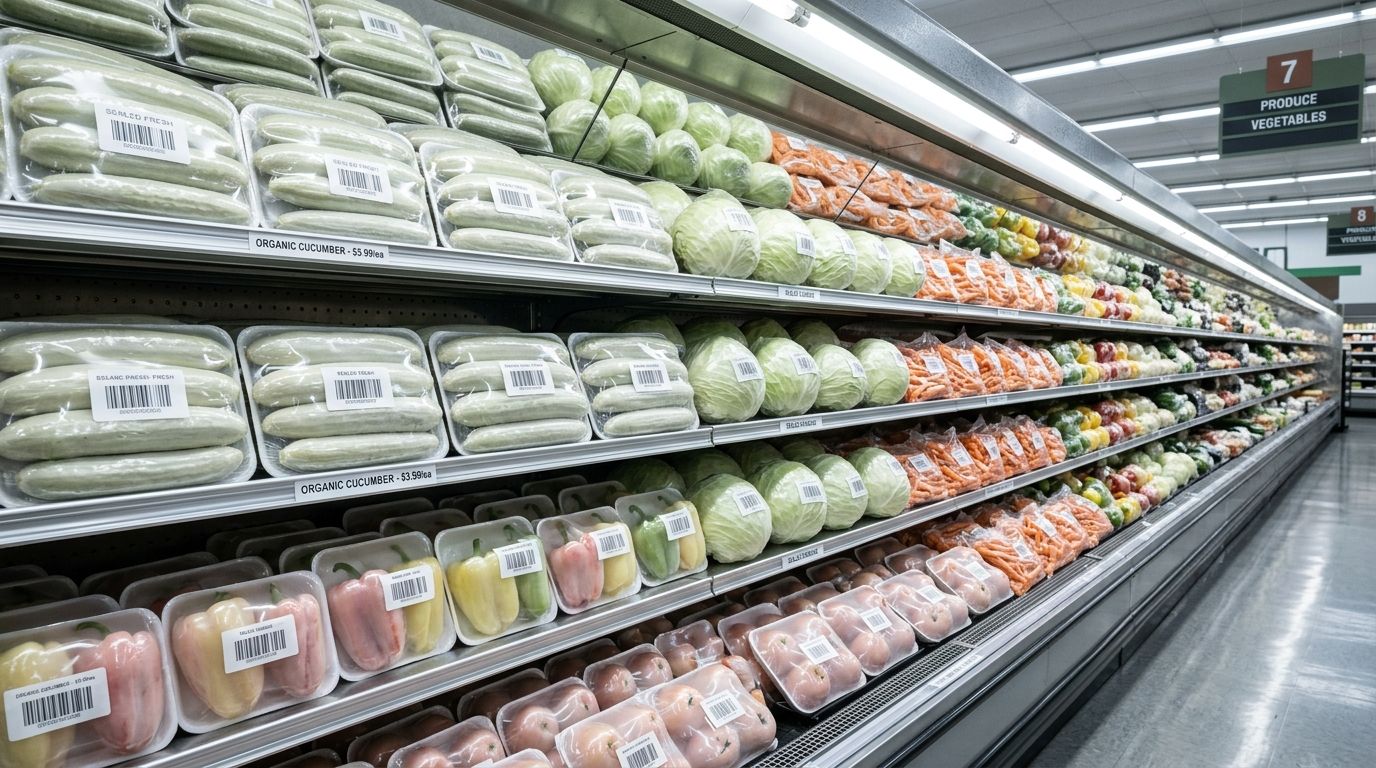
1. The False Economy of the Industrial Produce Aisle
How is it possible for a multinational grocery chain to sell a bright red, blemish-free slicing tomato in the middle of January for $1.69 a pound in Chicago, Boston, or Minneapolis?
The answer lies in cost externalization. The cheap price tag on industrial grocery store produce is an accounting mirage. Corporate monoculture operations in California's Central Valley, northern Mexico, and industrial greenhouse enclaves do not eliminate production costs; they shift those expenses off the retail price tag and onto federal taxpayers, environmental systems, and underpaid farm labor.
+-------------------------------------------------------------------------------+
|                       THE INDUSTRIAL PRODUCE COST MIRAGE                      |
+-------------------------------------------------------------------------------+
| RETAIL SHELF PRICE ($1.69/lb Tomato)                                          |
|   └── Accounts only for immediate picking, packing, freight, and grocery margin|
+-------------------------------------------------------------------------------+
| EXTERNALIZED EXPENSES (Paid by Taxpayers & Future Generations):               |
|   ├── Federal Irrigation Subsidies (Deep-well aquifer overdraft in deserts)   |
|   ├── Petroleum Subsidies (Diesel freight, synthetic Haber-Bosch nitrogen)    |
|   ├── Sub-Living Wage Field Labor (Exploitative seasonal wage structures)      |
|   └── Soil Degradation & Dead Zones (Topsoil erosion, Gulf hypoxia run-off)   |
+-------------------------------------------------------------------------------+
The Subsidization of Water and Fossil Energy
Industrial vegetable production is concentrated in arid Mediterranean and desert basins that require continuous artificial irrigation. In regions like California's San Joaquin Valley, massive corporate agribusinesses pump millions of acre-feet of water from ancient, non-renewable aquifers or receive heavily subsidized allocations from state and federal water reclamation projects. Residential municipal users frequently pay ten to twenty times more per unit of water than corporate farm conglomerates.
When deep aquifers collapse—causing land subsidence that permanently destroys geological water storage capacity and cracks highway infrastructure—the cost of emergency public works projects is footed by taxpayers, never reflected in the price of a ninety-nine-cent head of iceberg lettuce.
Synthetic input dependency tells a similar story. Industrial monoculture depends almost entirely on the Haber-Bosch process to synthesize petroleum-derived nitrogen fertilizers, paired with mined phosphorus from dwindling geological deposits. When excess soluble nitrogen leaches into regional watersheds, creating massive hypoxic dead zones in the Gulf of Mexico and the Chesapeake Bay, municipal water treatment utilities spend billions stripping nitrates from municipal drinking water. That financial line item shows up on your monthly property taxes and utility bills, not at the grocery scanner.
The True Cost of Agricultural Labor
A delicate heirloom tomato, a bunch of tender spinach, or a pint of red raspberries cannot be harvested by a combine tractor. They require human hands, visual discernment, and manual dexterity.
The low retail cost of grocery store vegetables hinges directly on keeping farmworker compensation at the lowest possible baseline. Much of the nation's wholesale produce is picked by migrant labor working under brutal heat conditions without collective bargaining, pension access, or healthcare security.
When you purchase an $850 CSA share from a reputable regional market gardener, a massive portion of that upfront payment goes directly toward funding fair, dignified, hourly wages for local farm apprentices, field hands, and packhouse crews who live within your own county. You are paying the authentic, unvarnished cost of human labor required to cultivate real food.
2. Post-Harvest Respiration and Nutritional Collapse
Beyond the macroeconomic distortions of the grocery store, there is an urgent biological reality that direct-to-consumer farming addresses: cellular respiration and post-harvest nutrient degradation.
Vegetables are living organisms. The moment a harvesting blade severs a head of butterhead lettuce or a bunch of Swiss chard from its root system, the plant's connection to soil moisture and photosynthetic nutrient uptake ends. However, the harvested leaf does not immediately die. Its cells remain alive, respiring rapidly by burning through their internal reserves of glucose, ascorbic acid (vitamin C), and enzymatic antioxidants to stay hydrated.
[ Field Harvest Severance ]
             │
             ▼
[ Accelerated Cellular Respiration ] ──> Consumes internal sugars & vitamins
             │
             ▼
[ Long-Haul Freight (3-7 Days) ]    ──> Heat & vibration degrade micronutrients
             │
             ▼
[ Ethylene Gas Warehouse Chamber ]   ──> Forces artificial cosmetic reddening
             │
             ▼
[ Supermarket Display Shelf ]        ──> Fluorescent light oxidation
             │
             ▼
[ 50% to 70% Vitamin C Lost Before Home Refrigeration ]
The 1,500-Mile Cold Chain Reality
According to supply chain research, the average piece of fresh produce in an American supermarket travels between 1,500 and 2,400 miles before reaching the consumer's cart. The standard journey involves multiple distinct stages:
- Field Sorting & Dump Bins: Harvested crops sit in bulk bins before being transported to an industrial washing facility.
- Forced-Air Cooling & Chlorinated Washing: Produce is submerged in chlorinated flumes to kill surface pathogens before receiving synthetic fungicidal wax coatings.
- Cross-Country Refrigerated Transit: Semi-trucks burn hundreds of gallons of diesel fuel over a three-to-five-day transit across mountain ranges and plains.
- Regional Distribution Consolidation: Pallets sit in massive distribution warehouses awaiting delivery routing to individual retail grocery stores.
- Retail Floor Exposure: Produce is unpacked and misted with municipal tap water under bright retail fluorescent lighting for two to four days until an end consumer purchases it.
By the time an industrial broccoli crown or bundle of spinach is placed in a shopping cart, it is routinely seven to fourteen days removed from the soil in which it grew.
The Degradation Curve of Fragile Micronutrients
Multiple academic food chemistry analyses indicate that water-soluble vitamins—specifically ascorbic acid (vitamin C), thiamine, and folate—deteriorate along a rapid exponential decay curve post-harvest:
- Spinach: Stored at room temperature, freshly cut spinach loses up to 90% of its total vitamin C content within forty-eight hours of harvest. Even when kept under continuous commercial refrigeration at 39°F (4°C), spinach sheds over 50% of its ascorbic acid within seven days.
- Green Beans: Lose roughly 50% of their vitamin C and nearly 40% of their bioavailable glucosinolates within six days of field harvest.
- Sweet Corn: Within twenty-four hours of picking, enzymatic activity converts over 60% of the kernel's natural simple sugars into bland, insoluble starches.
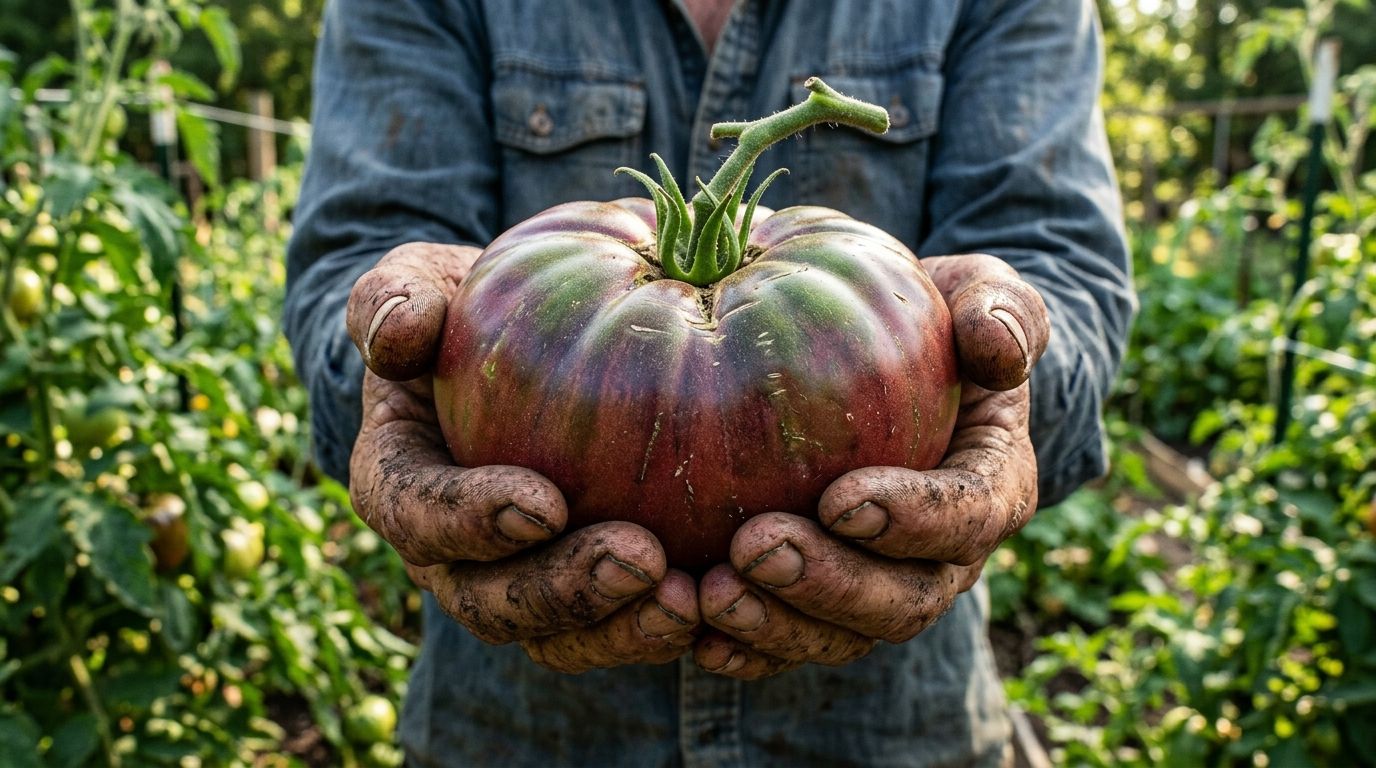
In industrial supply chains, varieties are selected not for phytonutrient density or complex aromatic terpenes, but for structural durability. Modern hybrid slicing tomatoes carry the non-ripening (rin) or ripening-inhibitor gene, which produces rock-hard pericarp walls that resist bruising during high-speed mechanical packing. These tomatoes are picked while physiologically immature and rock-hard green, then treated in sealed ripening rooms with synthetic ethylene gas to trigger cosmetic pigment conversion. They turn red on the surface, but because they were severed from the vine before maternal plant translocation was complete, they never accumulate normal concentrations of lycopene, sugars, or secondary metabolites.
In a direct CSA model, the harvest-to-table interval is condensed from two weeks to twelve to twenty-four hours. Leafy greens, crisp root crops, and vine-ripened nightshades harvested on Thursday morning are packed into your share crate and resting in your kitchen crisper drawer by Friday afternoon. The crop retains its full complement of intracellular moisture, crisp cell wall turgor, and fragile antioxidants. You are consuming living medicine rather than degraded biological fiber. Because local growers do not select cultivars based on whether they survive cross-country freight, they can focus on historic heirlooms celebrated for complex flavor and high mineral content. In our deep dive on why heirloom tomatoes beat hybrid varieties, we explore how open-pollinated heritage genetics prioritize sugars and secondary metabolites over rock-hard transit skins.
3. Deconstructing the Food Dollar: Middleman Markups vs. Direct Farm Revenue
To understand why a CSA farmer charges what they charge, you must examine how the traditional wholesale food dollar is divided across the United States.
According to long-term data published by the USDA Economic Research Service (ERS), the farm share of the American consumer food dollar has steadily collapsed over the past seven decades. In the 1950s, farmers received approximately 40 to 50 cents of every dollar spent on food.
Today, the farm share stands at just 14.5 cents of every retail dollar spent.
+-------------------------------------------------------------------------------+
|                       THE USDA FOOD DOLLAR BREAKDOWN                          |
+-------------------------------------------------------------------------------+
| WHERE YOUR $1.00 GOES AT THE GROCERY STORE:                                   |
|   ██████████████████████████████████████████████████████████   85.5¢          |
|   [ Wholesale Brokers, Long-Haul Logistics, Packaging, Corporate Margins ]   |
|                                                                               |
|   █████████                                                    14.5¢          |
|   [ Actual Farm Production Share ]                                            |
+-------------------------------------------------------------------------------+
| WHERE YOUR $1.00 GOES IN A DIRECT CSA SHARE:                                  |
|   ████████████████████████████████████████████████████████████ 100.0¢         |
|   [ Direct Farm Labor, Biological Seed, Living Soil Compost, Local Wages ]    |
+-------------------------------------------------------------------------------+
The 85.5-Cent Intermediary Siphon
The remaining 85.5 cents of every dollar you spend at an industrial grocery store is swallowed whole by intermediary services:
- Wholesale Brokers & Consolidation Aggregators: 12 to 15 cents.
- Long-Haul Transportation & Refrigerated Freight: 8 to 10 cents.
- Industrial Processing & Plastic Clamshell Packaging: 15 to 20 cents.
- Retail Supermarket Labor, Commercial Leases, & Utilities: 25 to 30 cents.
- Corporate Advertising & Executive Compensation: 10 to 15 cents.
When you purchase an organic bell pepper at a luxury supermarket for $3.00, the grower who planted the seed, cultivated the bed, and managed the pest risks often takes home less than 45 cents. To survive on those margins, growers must operate on thousands of contiguous acres, eliminate high-maintenance culinary varieties in favor of mechanized monocultures, and treat soil as an inert holding medium for synthetic liquid nutrients.
The Direct-to-Consumer Financial Pivot
When you hand a local market gardener an $850 check for a seasonal CSA share, you cut out every intermediary in the supply chain:
- Zero Broker Commissions: The farm negotiates directly with you.
- Zero Long-Distance Freight Costs: Produce travels five to twenty miles in farm delivery vans rather than crossing continents.
- Minimal Throwaway Packaging: Vegetables are packed in reusable wax harvest crates or returned burlap and cotton totes, eliminating single-use clamshell waste.
- 100% Farm Revenue Retention: Every cent remains with the agricultural producer.
The grower uses this capital injection to purchase regional non-GMO seed stock, invest in biologically active compost, run seasonal seedling operations, and pay competitive wages to crew members living in your school district.
The Local Economic Multiplier Effect
Money spent at an industrial grocery store leaves the local municipality within twenty-four to forty-eight hours, funneled to distant corporate headquarters and out-of-state distribution hubs.
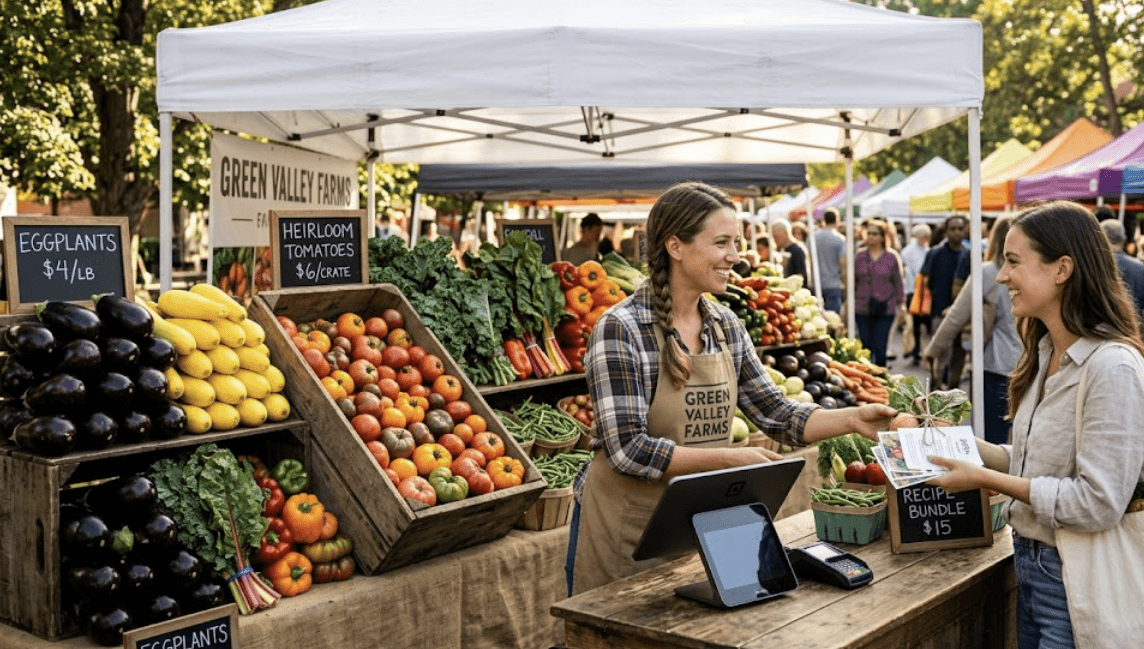
In contrast, agricultural economics studies demonstrate that every dollar invested in a direct-market farm recirculates within the local community between 1.8 and 2.6 times. The farmer purchases tractor fuel at the county co-op, hires local tradespeople to weld greenhouse framing, buys supplies from regional hardware stores, and pays employees who spend their paychecks at neighborhood bakeries, mechanics, and grocery stores. Investing in a CSA is a direct fiscal vote for localized municipal self-reliance.
4. The True Cost-per-Pound Breakdown: A Seasonal Math Audit
Critics of the CSA model frequently argue that farm shares are economically unviable for middle-class families. They view the lump-sum price tag through an isolated lens, concluding that farm shares are an expensive culinary luxury reserved for affluent food enthusiasts.
To test this assumption objectively, let us audit the actual retail replacement value of a standard twenty-week CSA share compared to certified organic produce prices at high-end supermarkets like Whole Foods, Sprouts, or regional organic cooperatives.
+-------------------------------------------------------------------------------+
|                       20-WEEK FULL SHARE COST AUDIT                           |
+-------------------+-----------------------+-----------------------------------+
| Baseline Metrics  | Upfront Share Price   | Weekly Delivery Cost Equivalent   |
+-------------------+-----------------------+-----------------------------------+
| Full Farm Share   | $800.00               | $40.00 / week                     |
| Half Farm Share   | $450.00               | $22.50 / week                     |
+-------------------+-----------------------+-----------------------------------+
A standard full share provides seven to ten distinct vegetable items every week, sized to supply a vegetable-focused household of three to four individuals. At $40.00 per week, the average cost per vegetable item ranges between $4.00 and $5.70. To see how weekly crates shift across the growing calendar, our monthly breakdown of what comes in a CSA box throughout the season details the transition from tender spring alliums to heavy late-summer nightshades.
Let us compare the contents of three representative seasonal boxes against realistic grocery store organic retail pricing:
Spring Harvest Box (Late May / Early June)
Spring boxes are often light by total physical weight but possess the highest retail dollar value because delicate cool-season greens command premium prices in grocery stores.
+-------------------------------------------------------------------------------+
|                       SPRING BOX VALUE BREAKDOWN                              |
+---------------------------+---------------+-------------------+---------------+
| Harvest Item              | Volume        | CSA Cost Share    | Supermarket   |
|                           |               | Allocated         | Organic Price |
+---------------------------+---------------+-------------------+---------------+
| Savoyed Heirloom Spinach  | 0.75 lb Bag   | $4.00             | $5.99         |
| Salanova Artisan Lettuce  | 2 Heads       | $4.00             | $6.50 ($3.25 ea)
| French Breakfast Radishes | 1 Bunch       | $4.00             | $3.49         |
| Hakurei Salad Turnips     | 1 Bunch       | $4.00             | $4.50         |
| Fresh Sugar Snap Peas     | 1 lb Bag      | $5.00             | $6.99         |
| Baby Lacinato Kale        | 1 Bunch       | $4.00             | $3.99         |
| Green Garlic / Scallions  | 1 Bunch       | $4.00             | $3.50         |
| Fresh Cilantro or Dill    | 1 Large Bunch | $4.00             | $2.99         |
+---------------------------+---------------+-------------------+---------------+
| TOTALS                    | 8 Distinct    | $33.00 (Actual    | $37.95        |
|                           | Items         | Share Average)    |               |
+---------------------------+---------------+-------------------+---------------+
- Net Spring Box Value: Buying these items individually in certified organic clamshells at retail costs approximately $38.00 to $42.00. The CSA share breaks even or generates an immediate 10% to 15% savings, with dramatically higher freshness.
Peak Summer Box (Late July / Early August)
Peak summer boxes are heavy, dense, and packed with high-calorie fruiting crops. Market gardens reach maximum harvest velocity during this period, and growers routinely pack crates beyond baseline quotas.
+-------------------------------------------------------------------------------+
|                       PEAK SUMMER BOX VALUE BREAKDOWN                         |
+---------------------------+---------------+-------------------+---------------+
| Harvest Item              | Volume        | CSA Cost Share    | Supermarket   |
|                           |               | Allocated         | Organic Price |
+---------------------------+---------------+-------------------+---------------+
| Heirloom Slicing Tomatoes | 3.5 lbs       | $7.00             | $17.46 ($4.99/lb)
| Cherry Tomatoes (SunGold) | 1 Pint        | $4.00             | $5.49         |
| Tender Green Beans        | 1.5 lbs       | $4.50             | $7.48 ($4.99/lb)
| Zucchini & Summer Squash  | 3 lbs         | $4.00             | $7.50 ($2.50/lb)
| Sweet Italian Bell Peppers| 4 Large       | $4.50             | $8.00 ($2.00 ea)
| Japanese Long Cucumbers   | 3 Fruit       | $4.00             | $6.00 ($2.00 ea)
| Genovese Basil            | 1 Large Bunch | $3.50             | $3.99         |
| Sweet Bicolor Corn        | 4 Ears        | $4.00             | $5.00 ($1.25 ea)
+---------------------------+---------------+-------------------+---------------+
| TOTALS                    | 8 Dense Items | $35.50 (Allocated | $60.92        |
|                           |               | Weekly Average)   | Retail Value  |
+---------------------------+---------------+-------------------+---------------+
- Net Summer Box Value: In the heat of summer, a CSA share demonstrates immense financial dominance. A box packed with premium heirloom slicing tomatoes, specialty sweet peppers, fresh herbs, and tender beans represents over $60.00 in retail organic replacement value, providing the member with a 35% to 45% discount compared to supermarket shelves.
Autumn Storage Box (October / November)
Autumn boxes focus on dense carbohydrates, cold-sweetened roots, and hardy, cold-tolerant brassicas that store for weeks.
+-------------------------------------------------------------------------------+
|                       AUTUMN STORAGE BOX VALUE BREAKDOWN                      |
+---------------------------+---------------+-------------------+---------------+
| Harvest Item              | Volume        | CSA Cost Share    | Supermarket   |
|                           |               | Allocated         | Organic Price |
+---------------------------+---------------+-------------------+---------------+
| Frost-Kissed Carrots      | 2 lb Bag      | $4.50             | $5.98 ($2.99/lb)
| Red Table Beets           | 1 Bunch (2 lb)| $4.00             | $5.50         |
| Honeynut / Butternut      | 2 Squashes    | $4.50             | $7.00 ($3.50 ea)
| Curly Savoy Cabbage       | 1 Large Head  | $4.00             | $5.00         |
| Sweet Sweet Potatoes      | 3 lbs         | $4.50             | $7.47 ($2.49/lb)
| Overwintered Baby Spinach | 0.75 lb Bag   | $4.50             | $5.99         |
| Purple Top Turnips        | 1 Bunch       | $3.50             | $3.99         |
| Fresh Rosemary / Thyme    | 1 Bundle      | $3.00             | $3.49         |
+---------------------------+---------------+-------------------+---------------+
| TOTALS                    | 8 Storage     | $32.50 (Allocated | $44.42        |
|                           | Items         | Weekly Average)   | Retail Value  |
+---------------------------+---------------+-------------------+---------------+
- Net Autumn Box Value: The autumn box delivers approximately $44.00 in retail value. Furthermore, dense roots and winter squashes do not require immediate consumption, stocking household pantries with shelf-stable food for winter weeks.
Across a full twenty-week season, an $800 CSA share routinely provides between $950 and $1,150 in cumulative retail organic replacement value. If your household already buys organic produce, joining a well-run CSA is not an extra expense; it is a direct seasonal discount.
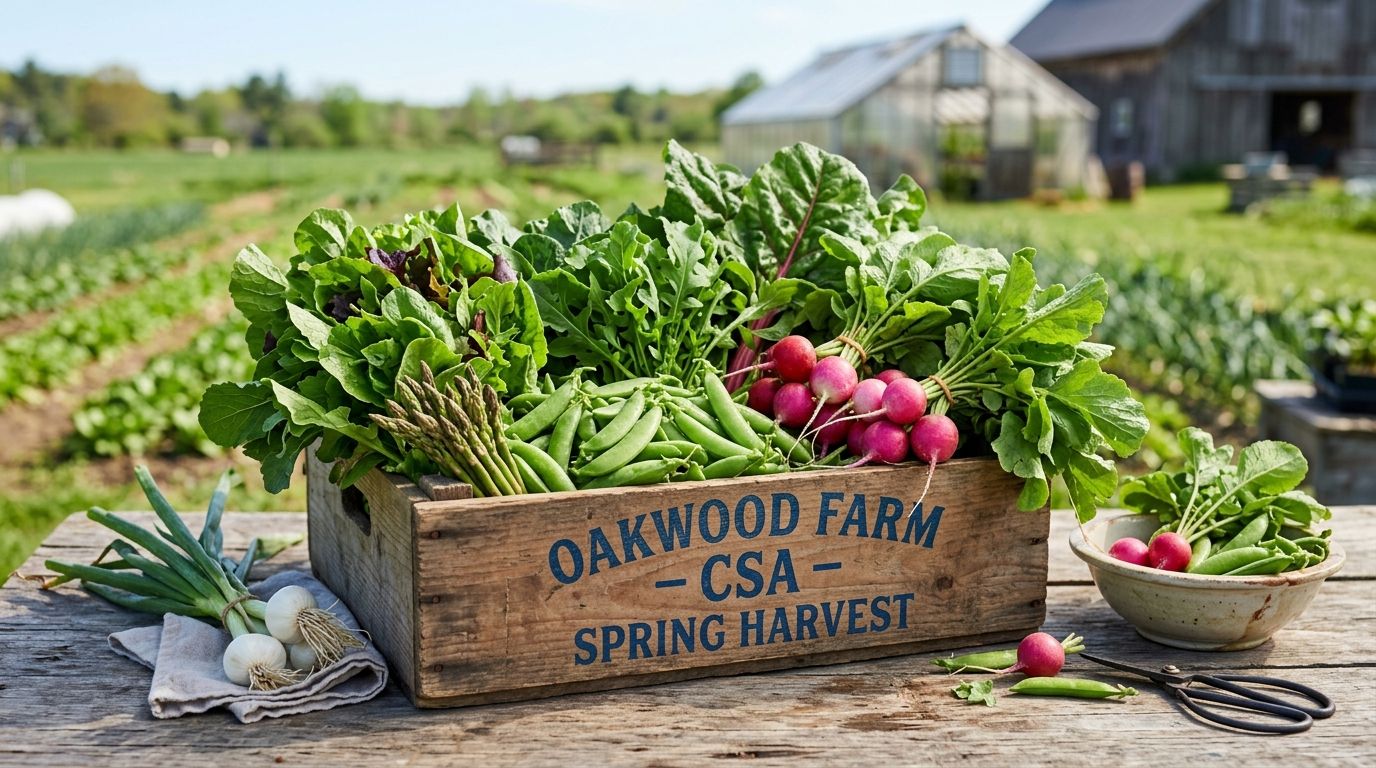
5. Overcoming the Crisper Drawer Graveyard: Food Waste and Kitchen Economics
While the balance-sheet math clearly demonstrates that a CSA offers superior value compared to supermarket organic produce, that financial advantage evaporates instantly if half the crate ends up decomposing in your kitchen refrigerator.
The single greatest complaint among disillusioned former CSA subscribers is the "crisper drawer guilt." Members sign up with ambitious intentions, bring home a massive crate on Tuesday afternoon, cook two meals, and by the following Monday discover a limp bunch of Swiss chard and a liquefied bag of arugula rotting beneath the cheese drawer. In our first-time CSA member onboarding guide, we walk through the exact kitchen prep rituals and mindset shifts needed to prevent vegetable fatigue.
The Food Waste Parity
Before assuming that a CSA creates more food waste than traditional grocery shopping, look at baseline national consumer behavior.
According to comprehensive food loss studies from the USDA Economic Research Service, American households waste between 30% and 40% of their total food purchases. The average family routinely purchases plastic-wrapped celery, conventional bagged salad mixes, and clamshell herbs from the supermarket, leaves them untouched for a week, and discards them without emotional hesitation. Because supermarket produce feels cheap and anonymous, consumers treat it as disposable.
The psychological dynamic shifts when you join a CSA. When you know the farmer who seeded the bed, when you have visited the farm on member pickup day, and when you have paid for the season upfront, you view the produce with respect. You do not view a bunch of kale as a ninety-nine-cent throwaway item; you recognize it as two months of intensive field cultivation.
Why CSA Produce Naturally Outlasts Supermarket Produce
A critical technical advantage of a farm share is post-harvest shelf life.
When you buy grocery store greens, they are already eight to twelve days old. Their cellular integrity has degraded, and surface bacteria have colonized the damp packaging. You have an extremely narrow window—often forty-eight to seventy-two hours—before those greens break down into decay.
CSA produce arrives at your home within twenty-four hours of harvest. If stored properly, farm-fresh produce displays remarkable longevity:
- Hydro-Cooled Leafy Greens: Washed, spun thoroughly in a greens spinner, and stored in micro-perforated produce bags or airtight containers with a dry paper towel, farm-fresh spinach, kale, and lettuce remain crisp and immaculate for fourteen to twenty-one days.
- Fresh Root Crops: By removing green tops immediately upon arrival (preventing the leaves from pulling moisture out of the root core), carrots, beets, and radishes held in high-humidity bags remain rock-hard for four to six weeks.
- Alliums & Winter Squashes: Cured properly on the farm, garlic, onions, butternut squash, and sweet potatoes sit on a cool pantry shelf for three to six months without refrigeration.
+-------------------------------------------------------------------------------+
|                       PRODUCE LONGEVITY PROTOCOL MATRIX                       |
+-------------------+-----------------------+-------------------+---------------+
| Harvest Category  | Initial Kitchen Prep  | Storage Container | Usable Life   |
+-------------------+-----------------------+-------------------+---------------+
| Tender Greens     | Spin dry; remove damp | Vented container  | 14 to 21 Days |
| (Spinach, Lettuce)| leaves immediately    | with paper towel  |               |
+-------------------+-----------------------+-------------------+---------------+
| Root Vegetables   | Twist off green tops; | Sealed bag in     | 4 to 6 Weeks  |
| (Carrots, Beets)  | leave unwashed        | crisper drawer    |               |
+-------------------+-----------------------+-------------------+---------------+
| Brassicas         | Keep whole head dry;  | Perforated bag in | 14 to 20 Days |
| (Broccoli, Cabbage| trim base before use  | cold drawer       |               |
+-------------------+-----------------------+-------------------+---------------+
| Fruiting Crops    | Keep stems intact;    | Open counter basket| 5 to 8 Days  |
| (Heirloom Tomatoes| NEVER refrigerate     | out of direct sun |               |
+-------------------+-----------------------+-------------------+---------------+
The Triage Cooking Strategy
To extract 100% of the economic value from your farm share, your kitchen must adopt a simple three-tier "triage" cooking methodology based on botanical respiration rates:
[ TIER 1: DAYS 1 - 3 (High-Respiration Delicate Crops) ]
  ├── Salanova Butterhead Lettuce, Arugula, Tender Herbs
  └── Action: Large fresh dinner salads, raw herb pestos

[ TIER 2: DAYS 4 - 7 (Medium-Respiration Sturdy Crops) ]
  ├── Zucchini, Cucumbers, Green Beans, Broccoli Crowns
  └── Action: Sheet-pan roasting, stir-fries, light pickling

[ TIER 3: DAYS 8 - 14+ (Low-Respiration Durable Crops) ]
  ├── Kale, Collards, Carrots, Beets, Potatoes, Winter Squash
  └── Action: Soups, braises, root bakes, cellar storage
- Days 1 through 3 (Delicate Greens & Herbs): Consume the highest-respiration crops first. Build expansive raw salads around tender butterhead lettuces and spicy arugula. Blend fresh basil, cilantro, or garlic scapes into pestos and chimichurris that can be stored in glass jars topped with olive oil.
- Days 4 through 7 (Sturdy Vegetables & Fruiting Crops): Transition to crops that hold their structure well over a week. Roast sheet pans of zucchini, bell peppers, and summer squash with olive oil. Steam or sauté green beans, and slice fresh heirloom tomatoes for sandwiches and sauces.
- Days 8 and Beyond (Roots, Hearty Brassicas, & Storage Crops): When the next weekly pickup arrives, your crisper drawer should contain only durable storage items: carrots, beets, whole cabbages, winter squash, and potatoes. These items do not expire; they form the baseline for hearty weekend stews, vegetable stocks, and roasted root medleys.
By adopting this rhythm, households discover that their weekly grocery shopping becomes radically streamlined. You stop wandering the supermarket produce aisles entirely, purchasing only shelf staples (olive oil, grains, flour, spices) and proteins, while the farm crate dictates your seasonal menu.
6. The Shared-Risk Covenant: Agriculture as Community Investment
To truly evaluate whether a CSA is worth the cost, one must confront the foundational philosophical pillar of the movement: shared agricultural risk.
When you buy a carton of strawberries at a supermarket, the transaction is purely commercial. If a freak frost destroys the strawberry fields in Watsonville, California, you bear zero financial responsibility. The grocery store simply sources strawberries from Florida, Mexico, or Chile. The wholesale producer in California absorbs the catastrophic crop loss entirely on their balance sheet, frequently spiraling into debt or bankruptcy.
The modern industrial system protects the consumer from the reality of seasonal vulnerability by maintaining globalized supply chains. However, this illusion of invulnerability creates an extremely brittle food system that collapses when diesel supplies tighten, shipping lanes bottleneck, or cross-border trade agreements shift.
+-------------------------------------------------------------------------------+
|                       SHARED RISK VS. RETAIL COMMODITY                        |
+-------------------------------+-----------------------------------------------+
| TRADITIONAL SUPERMARKET MODEL | DIRECT COMMUNITY SUPPORTED AGRICULTURE MODEL  |
+-------------------------------+-----------------------------------------------+
| Transactional & extractive    | Relationship-driven & reciprocal              |
| 100% Risk borne by the farmer | Risk shared across hundreds of local members  |
| Crop loss leads to bankruptcy | Crop loss buffered by community capital       |
| Distant corporate supply line | Transparent, local, visible food shed         |
| Uniform, bred-for-freight food| High-brix, nutrient-dense culinary cultivars  |
+-------------------------------+-----------------------------------------------+
The Small Farm Shock Absorber
Community Supported Agriculture was developed in the 1960s in Japan (the Teikei movement, meaning "partnership" or "food with the farmer's face") and brought to North America in the mid-1980s by visionary biodynamic farmers in Massachusetts and New Hampshire.
The explicit intention was to insulate family-scale farmers from the predatory volatility of wholesale markets. By paying for their shares in February and March, community members provide interest-free operating capital when the farm needs it most:
- Purchasing thousands of dollars of biological, open-pollinated seed stock.
- Sourcing bulk organic compost and living soil amendments.
- Replacing high tunnel poly-film and greenhouse irrigation valves.
- Securing seasonal farmworker payroll before a single seed has sprouted.
In return, the community enters an unwritten covenant: If the season is exceptionally bountiful, we feast together on bumper crops of melons, sweet corn, and heirloom tomatoes. If a late spring freeze wipes out the early peach crop or a deluge of rain damages the spinach beds, we absorb that disappointment together. We do not demand refunds or abandon our grower.
Diversification as Biological Insurance
Shared risk does not mean that CSA members routinely receive empty boxes. Professional market gardeners do not plant monocultures; they practice radical biological diversification.
A well-managed CSA farm cultivates between thirty-five and fifty distinct vegetable crops across dozens of successions throughout the spring, summer, and fall. If an unseasonable infestation of striped cucumber beetles decimates the summer squash crop, the adjacent beds of sweet bell peppers, eggplant, and green beans are completely unaffected. The contents of your weekly share crate will shift to reflect what the land produces, but the volume remains balanced.
When you join a CSA, you cease being a passive food consumer. You become a micro-investor in the ecological and economic resilience of your immediate foodshed. You are keeping agricultural land open, preventing suburban sprawl from paving over topsoil, and ensuring that experienced growers remain active in your community.
7. Strategic Buyer's Guide: Who Should (and Shouldn't) Join a CSA?
Honesty is essential when evaluating a farm share. A CSA is not the right choice for every household, and romanticizing the experience without auditing your actual lifestyle leads to frustration, food waste, and financial loss.
Use this objective diagnostic framework to determine whether a CSA share represents an exceptional investment or an expensive mistake for your household:
+-------------------------------------------------------------------------------+
|                       CSA LIFESTYLE FIT SCORECARD                             |
+---------------------------------------+---------------------------------------+
| YOU ARE AN IDEAL CSA MEMBER IF:       | YOU SHOULD AVOID A CSA IF:            |
+---------------------------------------+---------------------------------------+
| You cook from scratch 4+ nights/week  | You dine out or order takeout 4+ days |
| You view cooking as a creative pursuit| You require strict recipe ingredient  |
|                                       | control every week                    |
| You love culinary variety (kohlrabi,  | You or your family are extremely      |
| garlic scapes, chicories, celeriac)   | particular eaters (only carrots & corn)|
| You care deeply about living soil,    | You judge food value purely by lowest |
| no-spray practices, & nutrient density| price per raw pound                   |
| You enjoy batch processing (freezing, | You travel frequently during the      |
| roasting, fermenting, quick-pickling) | summer months without share proxies   |
+---------------------------------------+---------------------------------------+
Profile A: The Ideal CSA Household (Maximum Economic & Health ROI)
- The Home Chef: You enjoy the tactile process of cooking. When presented with two pounds of Swiss chard, a bunch of purple top turnips, and a bag of sweet salad turnips, you do not panic; you search your pantry for garlic, olive oil, and pasta, turning the mystery ingredients into an inventive weeknight meal.
- The Health-Conscious Family: You already spend significant money each week in the organic produce aisle of high-end grocery stores. You prioritize feeding your children produce free from synthetic systemic pesticides, grown in mineralized living soil with high Brix levels.
- The Locavore & Community Builder: You value knowing who grows your food. You enjoy visiting the farm on member appreciation days, walking the crop rows with your children, and understanding how weather patterns impact regional agriculture.
For Profile A, a CSA share is an unbeatable financial, culinary, and physical health investment.
Profile B: The Household Better Suited for Farmers Markets or Retail Grocers
- The High-Velocity Traveler: If your career requires extensive business travel or your family spends four weeks at the beach during the peak of July and August, a traditional CSA will result in wasted money unless you have dedicated neighbors willing to pick up your weekly boxes.
- The Strictly Methodical Meal Planner: If you construct rigid weekly meal plans on Sunday morning with static grocery lists requiring exactly two zucchini, one red bell pepper, and one head of romaine lettuce, the seasonal unpredictability of a CSA will induce immense stress.
- The Picky Household: If your family only eats a narrow selection of staple crops—russet potatoes, iceberg lettuce, and sweet corn—you will resent opening a crate filled with spicy arugula, French radishes, and Tuscan kale.
For Profile B, supporting local agriculture through weekend farmers markets or subscribing to modern "customizable" farm shares is a significantly more practical choice.
Modern CSA Variations: The Rise of Flexible Models
Recognizing that modern consumer lifestyles have changed, many contemporary market gardeners now offer hybrid structures designed to overcome traditional friction points:
- Market-Style / Free-Choice CSAs: Instead of receiving a pre-packed mystery box, members arrive at the farm or farmers market stand, take a designated number of points or items from display tables, and choose exactly the vegetables their family prefers.
- Customizable Digital Box Software: Using specialized farm-management platforms, members receive an automated email forty-eight hours before pack day displaying their preliminary box contents. Members can log into their dashboard and swap out disliked items (e.g., trading eggplants for double portions of sweet carrots) or add farm extras like local pasture-raised eggs, honey, artisanal cheeses, and sourdough bread.
- Farm Debit / Credit Accounts: Members deposit $500 to $1,000 with the farm in early spring, receiving a 10% bonus credit on their account balance. Members then draw down that balance throughout the season at the farm's weekend market stands, purchasing only what they need, when they need it, with zero vacation penalties.
When investigating local farm shares through directories like LocalHarvest, inquire about the farm's operational model to find a structure that seamlessly aligns with your household rhythm. In our guide on how to price your CSA shares for profitability, we examine how modern farmers balance member flexibility against seasonal production costs.
Expert Insights & FAQs
What happens if the farm suffers a catastrophic storm or complete crop failure?
In the traditional CSA covenant, members share environmental risks directly with the farmer. If an unpredicted hailstorm, localized flood, or pest outbreak destroys a specific crop, members do not receive that vegetable, and the farm does not issue cash refunds. However, because professional CSA operations cultivate between thirty and fifty distinct crops across staggered successions, complete farm failure is extraordinarily rare. A shortfall in one crop is almost universally offset by bumper yields in other resilient vegetable varieties.
Are all CSA farms certified organic by the USDA?
Not necessarily, but this is frequently an asset rather than a drawback. The official USDA Organic certification carries heavy bureaucratic fees and paperwork requirements that small, family-scale market gardeners often find cost-prohibitive. Instead, most CSA growers operate using "regenerative," "naturally grown," or "beyond organic" standards. They strictly eschew synthetic pesticides, chemical herbicides, and petroleum fertilizers, prioritizing biological soil health, compost teas, and physical insect netting. Always communicate directly with your grower to understand their field management practices.
How much food is included in a full share versus a half share?
A "Full Share" typically contains eight to twelve distinct vegetable varieties per week and is calibrated to provide vegetable staples for a family of three to four, or two adults who prepare fresh meals at home five to six nights a week. A "Half Share" or "Small Share" generally provides five to seven vegetable varieties in smaller quantities, making it ideal for single individuals, couples, or households that cook only two to three nights per week.
Can I pause or hold my CSA box deliveries while I am away on vacation?
Policies vary across individual farms, but most operations provide flexible accommodation for planned travel. Many farms permit members to place a "vacation hold" on their delivery with one week's advance notice, issuing a double box later in the season or granting farm store credit. Alternatively, farms encourage members to gift their weekly share to a friend, coworker, or neighbor, introducing new households to the local foodshed while preventing food waste.
Can I customize the vegetables in my weekly farm share box?
Historically, CSAs operated strictly on a "farmer's choice" model where members received whatever was harvested that morning. Today, many forward-thinking market gardeners utilize customizable software platforms that send weekly emails allowing members to swap items they dislike for varieties they prefer. Other farms offer "market-style" pickups where subscribers select their own vegetables directly from market display bins up to a designated item limit.
Does a CSA save money compared to conventional discount supermarket produce?
If you compare a CSA share strictly to the cheapest, conventionally grown, chemically treated produce at a discount supermarket, the farm share will cost more on a raw dollar-per-pound basis. The economic advantage of a CSA becomes undeniable when compared against premium certified organic produce at specialty supermarkets, where high-brix, vine-ripened farm share vegetables routinely deliver a 20% to 35% discount across the season.
Are CSA shares available year-round or only during the summer months?
In warmer USDA hardiness zones (Zones 8 through 10), market gardeners frequently offer year-round farm shares spanning spring, summer, fall, and winter. In colder northern climates (Zones 4 through 7), primary field seasons run from May through October. However, many growers now utilize passive solar high tunnels, [DIY cold frames to extend the growing season](/articles/diy-cold-frames-extend-growing-season-budget), and root cellars to offer specialized "Winter Storage Shares" featuring hardy greens, winter squashes, sweet potatoes, and cold-sweetened root crops.
What is the most effective way to find and vet a reputable CSA near me?
The premier directory for locating community-supported farms in North America is [LocalHarvest.org](https://www.localharvest.org/), which catalogs thousands of farms by zip code. You can also visit your regional weekend farmers market to speak directly with growers. Ask prospective farmers how long they have operated their CSA, what their pest management philosophies entail, whether they offer vacation holds or customizable boxes, and what pickup logistics are available in your neighborhood.
Johnnie McCormick
Zone 7b/8a - North Central Alabama
Johnnie McCormick is a gardening hobbyist and the founder of My Garden Spot. Raised in north-central Alabama, his passion for gardening began in his youth. In 2008, he established a large market garden, teaching himself high-yield growing methods. In the years since, he has operated seasonal seedling sales for transplants, specializing in heirloom tomatoes, peppers, eggplants, decorative ground covers like Ajuga (Bugleweed), marigolds, nasturtiums, and fresh kitchen-window herb arrangements (basil, cilantro). Today, he gardens in the hills between Birmingham and Jasper, Alabama (Zone 7b/8a), sharing practical, community-focused gardening resources.
Verified Authoritative Citations & References
In alignment with our strict E-E-A-T research and verification guidelines, this guide cross-references data from the United States Department of Agriculture (USDA) and Cooperative Extension Service programs.
- USDA Agricultural Marketing Service (AMS): Community Supported Agriculture (CSA) standards and local market surveys. ams.usda.gov
- Penn State Extension: Small Farm Economics, financial planning, and crop pricing research documents. extension.psu.edu
- Cornell Cooperative Extension: Market gardening business planning and local sales guidelines. smallfarms.cornell.edu
- Alabama Cooperative Extension System (ACES): Local food regulations, CSA legal permits, and farm safety standards. aces.edu

Please log in to view comments.