How to Find a CSA Farm Near You (2026 Guide)

How Do You Find a CSA Farm Near You?
The local food movement has evolved significantly over the past decade, and as we navigate the complex, often fractured agricultural landscape of today, the concept of Community Supported Agriculture (CSA) remains the absolute gold standard for connecting directly with your food source. For those who want more than just the sanitized, disconnected experience of supermarket produce aisles—where a tomato might have traveled 3,000 miles before reaching your plate—joining a CSA offers a profound return to the natural rhythms of the seasons.
Whether you are a seasoned backyard gardener dealing with a temporary lack of growing space, or a culinary enthusiast looking for the freshest heirloom tomatoes and crispest winter brassicas, finding the right CSA farm is a vital step toward localized self-sustainability. I remember when I first started my market garden back in 2008. The concept of selling "shares" of my future harvest seemed radical to some of my neighbors. Why pay upfront for vegetables that haven't even been planted yet? But as the season progressed, and my members saw the sheer volume and quality of the produce they received—produce harvested just hours before they ate it—the paradigm shifted.
But not all CSAs are created equal. The massive surge in "farm-to-table" marketing has unfortunately blurred the lines between genuine community-supported models and basic, corporate grocery subscription boxes. Today, it is easier than ever to accidentally sign up for a box of produce that claims to be "local" but is actually aggregated from massive industrial farms spanning several states.
This comprehensive, deep-dive guide is designed to walk you through the precise, step-by-step methodology of locating, vetting, and joining a genuine CSA farm in your immediate area. We will dive deep into evaluating farm transparency, understanding the complex horticultural practices behind organic and regenerative labels, and deciphering the mechanics of shared risk. By the end of this article, you will have the master-level knowledge required to invest in a farm that perfectly aligns with your culinary needs, your environmental ethics, and your household budget.
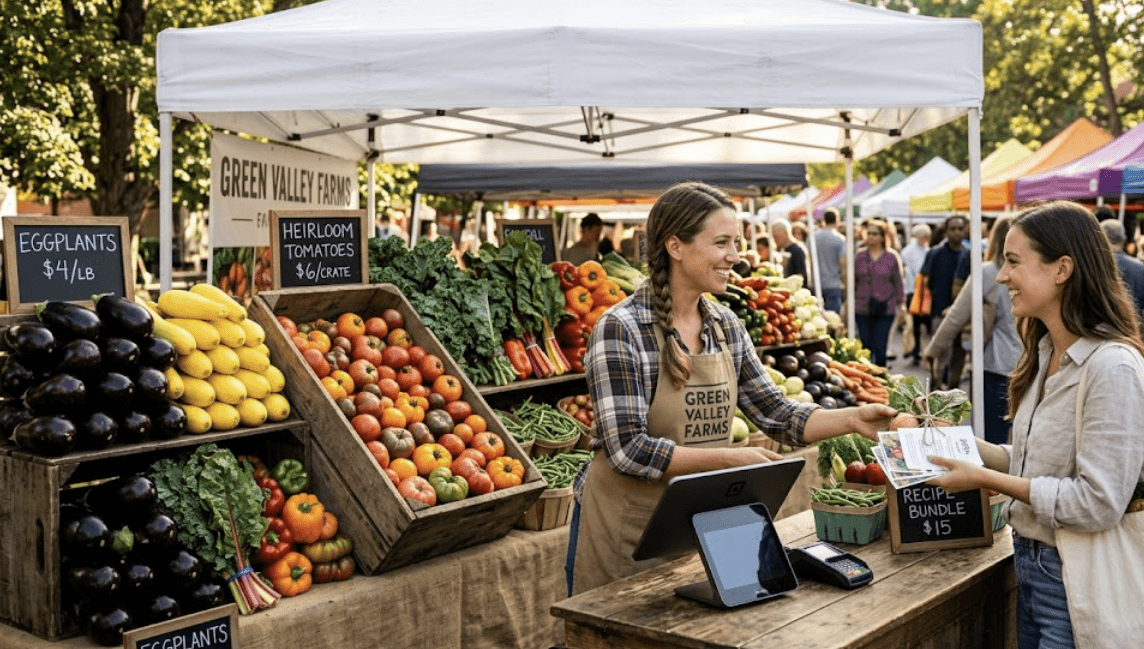
 A welcoming, rustic CSA pickup location. The transparency of a direct farmer-to-consumer relationship is the cornerstone of the CSA model.
Understanding the True CSA Model: What Are You Actually Buying?
Before you even begin typing "CSA near me" into a search engine, it is absolutely critical to understand the foundational economics and the underlying philosophy of Community Supported Agriculture. When you purchase a CSA share, you are not simply buying a box of vegetables; you are entering into a micro-investment with a local agricultural business. You are becoming an active participant in the local food web.
The Core Philosophy: Shared Risk and Shared Reward
At its absolute core, a true CSA model is built entirely on the premise of shared risk. Farming is, and always has been, an inherently unpredictable profession. As a grower, I can do everything perfectly—I can build beautiful, biologically active compost, I can inoculate my roots with mycorrhizal fungi, I can employ perfect succession planting—and still lose an entire crop of tomatoes to an unexpected late blight, or watch a freak late-spring frost decimate my early peppers.
When you buy a share in the dead of winter or early spring, your capital provides a lifeline. It helps the farmer purchase high-quality organic seeds, repair greenhouse plastic torn by winter winds, and pay for early-season labor during the leanest, most cash-poor months of the agricultural year. You are providing them with interest-free capital so they don't have to rely on predatory agricultural loans. In return, you receive a weekly or bi-weekly share of whatever the farm successfully produces.
The Reward: In a bumper crop year, your box will be overflowing. You might find yourself frantically searching for creative ways to preserve twenty pounds of sudden-yielding pickling cucumbers or an unexpected glut of perfectly ripened heirloom strawberries. When the farm wins, you win. The sheer volume of food you receive in a good year drastically drives down the "per pound" cost of your organic produce.
The Risk: The flip side is equally important. If a devastating drought stunts the carrot crop, or a massive infestation of flea beetles wipes out the early arugula, you will not receive those items. A genuine, ethical CSA farmer does not go into massive debt trying to buy wholesale carrots from another state to pad your box. You share the loss, just as you share the bounty. Accepting this reality is the first step in becoming a true CSA member.
Beware the "Grocery Subscription" Disguised as a CSA
In recent years, many delivery services have begun masquerading as CSAs. They use the terminology—"farm share," "local box"—but their business model is entirely different. These companies are often aggregators. They purchase produce wholesale from dozens of very large-scale farms, sometimes crossing state or even international lines, and box it up for urban consumers.
While this model technically supports agriculture generally, it completely lacks the direct community connection, the localized soil-building benefits, and the transparency of a true CSA. When you buy from an aggregator, you are not sharing risk. If a farm fails, the aggregator just buys from a different farm.
If your goal is to build local food resilience, you want a farm where you can theoretically shake the hand of the person who broadforked the soil and planted your specific radishes. You want your money to stay within a 50-mile radius, circulating in your local economy.
Step-by-Step: How to Search for a Local CSA Farm
Finding a legitimate, local farm requires a mix of digital sleuthing and grassroots community networking. Depending on where you live, you might have dozens of options within a 20-minute drive, or you might have to look a bit harder. Here are the most effective avenues for locating operations in your specific region.
1. Digital Aggregators and National Directories
Your first step should be consulting established national databases. These tools are incredibly powerful and allow you to filter by zip code, specific farming practices (like certified organic), and share types (vegetables, meat, flowers).
- LocalHarvest.org: This remains one of the oldest, most robust, and user-generated directories of small farms, farmers markets, and CSAs in North America. Farmers manage their own profiles, so you can often read their mission statements, see photos of their fields, and review their current offerings directly. Because it is user-generated, always double-check the farm's actual website to ensure they are still operating this season.
- USDA Local Food Directories: The United States Department of Agriculture maintains a regularly updated database of local food enterprises. Searching their CSA directory provides a federally recognized list of operating farms in your county. It is slightly more bureaucratic but highly reliable.
- State-Specific Organic Guilds: Most states have an organic farming association. For example, NOFA (Northeast Organic Farming Association) operates across several northeastern states; CCOF operates in California; and ASAP (Appalachian Sustainable Agriculture Project) is fantastic for the Southeast. These organizations typically maintain highly vetted lists of member farms that run CSA programs. Because these farms have gone through the effort to join the guild, they are usually very serious, professional operations.
2. Leveraging Local Community Hubs
Algorithms and databases are helpful, but agriculture is deeply, fundamentally local. Sometimes the best, most sought-after farms do not even bother maintaining a web presence or paying for SEO because word-of-mouth keeps their membership entirely full year after year.
- Farmers Markets: This is arguably the best place to find a CSA. Visit your local market in the early spring (when CSA sign-ups are happening) or late summer. Many farmers use their market booth as a recruitment ground. Talk to the vendors. Look at the quality of the produce on their tables—that is exactly what will be in your box. Even if a specific vendor does not offer a CSA themselves, farmers know other farmers. They will happily point you toward a reputable colleague.
- Food Co-ops and Natural Grocers: Local independent health food stores and member-owned co-ops often serve as designated pickup locations for regional CSAs. Check their community bulletin boards, or simply ask the produce manager which local farms they partner with or recommend.
- The Power of Your Local Extension Office: The Cooperative Extension System is a profoundly underutilized resource by the general public. Funded by the USDA and local land-grant universities, extension offices employ agricultural experts who know literally every commercial farm operating in your county. A quick phone call or email to your county extension agent can yield a highly curated list of reliable CSAs tailored to your exact location and preferences.
The Vetting Process: Evaluating Farm Transparency and Ethics
Once you have compiled a list of two or three potential farms, the real work begins. The horticultural and business practices of small farms vary wildly. It is your responsibility as a consumer to vet the farm to ensure their practices align with your expectations and ethics. A good farmer expects and welcomes these questions.
Deciphering the Labels: Organic, No-Till, and Conventional
Understanding how a farm manages its soil and pests is usually the primary concern for new CSA members. Do not just look for buzzwords; look for the methodology behind them.
- Certified Organic: These farms undergo rigorous, highly documented annual inspections by third-party USDA-accredited agencies to ensure they do not use synthetic fertilizers, pesticides, herbicides, or GMO seeds. They must maintain strict environmental buffers and adhere to comprehensive soil health plans. However, certification is extremely expensive and administratively burdensome. Many excellent small farms simply cannot afford the certification fees.
- "Practically Organic" or "Uncertified Organic": This is where you will find the vast majority of small-scale market gardeners. These farmers often utilize strict organic methods—and frequently exceed federal standards by utilizing aggressive cover cropping, massive compost applications, and regenerative no-till practices—but they choose not to pay the government for the official certification label. They rely on transparency, farm tours, and open-door policies rather than federal labels to earn consumer trust. If a farmer uses this terminology, simply ask them to explain their pest management and fertility protocols. If they happily talk about releasing ladybugs, spraying neem oil, and building compost, you are in good hands.
- Regenerative and No-Till: These terms go beyond "organic." An organic farm can still heavily till its soil, destroying fungal networks and releasing carbon. A regenerative or no-till farm focuses explicitly on soil biology, minimizing soil disturbance, and keeping living roots in the ground year-round. Vegetables grown in biologically rich, regenerative soil are often more nutrient-dense and resilient.
- Conventional / IPM (Integrated Pest Management): Conventional farms may use synthetic chemical fertilizers and pesticides when they deem it necessary. However, many modern conventional farms practice IPM. They monitor pest populations closely, use biological controls first, and only use chemical interventions as an absolute last resort to save a crop from total failure. If avoiding synthetic pesticides entirely is your primary goal, a conventional farm—even one practicing IPM—may not be the right fit.
The "Buy-In" Clause: Does Your Farm Actually Grow What They Sell?
A critical point of transparency involves crop sourcing. Some CSAs supplement their boxes with produce bought from neighboring farms to ensure variety. For example, a specialized, highly intensive 1-acre vegetable farmer might buy in sweet corn from a larger 50-acre neighbor because corn requires massive acreage to grow successfully. They might buy apples from a local orchard because they don't have mature fruit trees.
There is nothing inherently wrong with this practice—in fact, it supports the broader local food economy and creates resilient farmer-to-farmer networks. However, highly ethical CSAs will disclose this immediately. They will explicitly state in their newsletter, "The peaches this week are from Smith Orchards down the road."
If a farm is secretly passing off wholesale auction produce (or worse, supermarket surplus) as their own, that is a massive red flag. Always ask the farmer directly before signing up: "What percentage of the box do you grow on your own soil, and do you label items that are bought in from other farms?"
Soil Management and Horticultural Ethics
A truly sustainable, experienced farmer views crop production as a mere byproduct of healthy soil. Don't be afraid to ask slightly technical horticultural questions; a good farmer loves talking about dirt.
Ask about their crop rotation strategies. Do they use deep-rooted cover crops like daikon radish to break up compaction, or winter rye to prevent erosion and fix nitrogen? Do they practice minimum tillage to protect the delicate mycorrhizal fungal networks in the soil? A farmer who enthusiastically talks about their soil biology, compost tea brewing, or earthworm populations is a farmer who is investing in the long-term nutritional quality of your food.
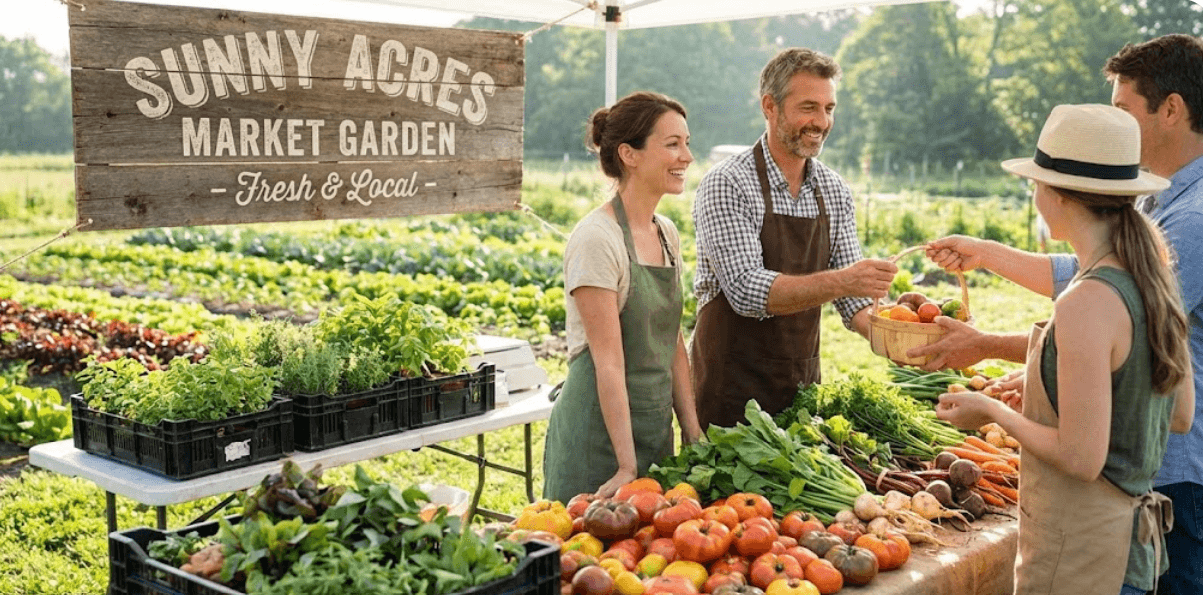
 A typical peak-summer CSA box overflowing with nutrient-dense, regeneratively grown produce. Notice the vibrant colors indicative of healthy soil biology.
Choosing the Right Share Size and Type for Your Household
A very common pitfall for first-time CSA members is wildly overestimating their household's vegetable consumption. "CSA Guilt"—the overwhelming feeling of dread as beautiful, organic produce slowly wilts in the crisper drawer because you haven't had time to cook it—is a very real phenomenon that causes many people to cancel their memberships. Be realistic about your cooking habits.
Full Shares vs. Half Shares
- The Full Share (Standard Share): This is typically designed to feed a family of 3 to 5 people, or two aggressive, highly skilled home-cooks who eat primarily plant-based diets and cook from scratch 5-6 nights a week. A full share will often include 8 to 12 different items per week during peak season. Expect heavy volumes of leafy greens in the spring, an absolute barrage of fruiting crops (tomatoes, summer squash, cucumbers, peppers) in the heat of the summer, and heavy storage roots and winter squashes in the fall.
- The Half Share (or Bi-Weekly Share): This is perfect for single individuals, couples who eat out a few times a week, or beginning cooks who are still learning how to process raw vegetables. You generally receive 5 to 7 items. Farms manage this in different ways: some give you a smaller box every single week, while others provide a massive full box every other week. Make sure you know which schedule you are signing up for, as a bi-weekly massive box still requires significant refrigeration space.
Market-Style vs. Traditional Box Models
The actual physical mechanism of how you receive your food can drastically impact your long-term satisfaction with the program.
- The Traditional Box (Pre-Packed): In this classic model, the farmer decides exactly what goes in your box based entirely on field yields that week. Everyone gets the exact same thing. This forces culinary creativity and introduces you to vegetables you might never buy otherwise (hello, kohlrabi, garlic scapes, and rutabaga). It is the truest form of "eating with the seasons." However, if you passionately hate eggplant, you might be very unhappy in August when eggplant arrives three weeks in a row.
- Market-Style (Free-Choice): This is an increasingly popular, modern model where the farm sets up a mock farmers market at the pickup location. You arrive, and instead of taking a pre-packed box, you are given a specific number of "points" or "items" to select yourself. For example, a sign might say "Take 1 bunch of carrots, 2 pounds of tomatoes, and choose 3 greens." This model ensures you only take what you and your family will actually eat, drastically reducing household food waste and eliminating CSA guilt.
The Power of Add-Ons: Flowers, Eggs, Meat, and Bread
Many highly diversified, sophisticated farms offer supplementary shares to boost their own ROI and provide a "one-stop-shop" experience for their members.
As discussed in our analyses of farm profitability, adding a Cut Flower Share to your vegetable share is incredibly beneficial to the farm's bottom line, and provides you with a stunning weekly bouquet of local blooms that will outlast any supermarket flowers by weeks.
You can often also add a weekly dozen of pasture-raised eggs, artisan sourdough bread from a local bakery partner, or monthly pasture-raised meat bundles. Consolidating your grocery shopping into these local channels maximizes your financial support for the regional agricultural web.
The Logistics: Pickups, Cold Chains, and Communication
Even the most glorious, perfectly grown heirloom tomatoes will become a massive burden if retrieving them is a weekly logistical nightmare. Carefully review the actual mechanics of the CSA before signing the legally binding contract.
Proximity and Scheduling is Everything
Where is the exact pickup location, and what are the specific hours? If the pickup window is exclusively Tuesdays between 2:00 PM and 4:00 PM, and you work a traditional office job an hour away, the model will fail you instantly.
Many farms mitigate this by offering multiple drop sites spread across the city, such as a cooler on a porch in a suburban neighborhood, the parking lot of a local church, or inside a partnering local business. Ensure the route makes sense with your daily commute.
Crucial Question: Ask what happens if you are late. Most farms have a strict policy: if you fail to pick up your box during the allotted window, the food is immediately donated to a local food pantry. They cannot hold it for you, as they do not have the cooler space.
Understanding the Cold Chain
How is the produce stored at the pickup location? In the blazing heat of July, a box of delicate mesclun greens left on an unshaded concrete porch will turn to absolute slime in 45 minutes. A professional farm maintains the "cold chain." They will deliver the produce in insulated coolers, wax boxes with ice packs, or utilize an air-conditioned indoor space for pickups. If the drop site is just a stack of open boxes in a sunny driveway, the quality of your food will suffer immensely before you even get it home.
Farm Communication Strategies
Farming is a dynamic, constantly changing process, and consistent communication from the farmer is vital to your experience. The very best CSAs send out a dedicated weekly newsletter (often via email) detailing field conditions, explaining why a certain crop failed, providing recipes specifically tailored for the weird vegetables in that week's box, and announcing upcoming on-farm events.
Look for farms that actively encourage farm visits, volunteer days, or host annual harvest dinners for their members. This transparency and openness builds the crucial community aspect of the CSA. You aren't just buying food; you are entering into a relationship with the land and the people who steward it.
Conclusion: Making the Commitment
Deciding to join a Community Supported Agriculture program is a significant shift in how you feed yourself and your family. It requires relinquishing the illusion of total control that the modern supermarket provides, and embracing the unpredictable, beautiful reality of seasonal eating.
By utilizing national directories, heavily vetting farmers on their soil practices and transparency, realistically assessing your household's eating habits, and ensuring the logistics align with your lifestyle, you can find a CSA farm that will nourish you deeply for years to come. You are not just buying vegetables; you are investing in the regenerative future of your local ecosystem. Take the time to find the right farm, ask the hard questions, and get ready for the best-tasting tomatoes of your life.
Before committing to a farm, it is crucial to understand the different share structures available. For a deep dive into assessing your household's actual produce needs and finding the perfect fit, read our guide on Spring CSA Sign-Up Season: How to Choose the Right Share. If you find yourself overwhelmed by unfamiliar vegetables mid-season, look for farms that excel at Preventing Box Fatigue through weekly recipes and choice models. You should also inquire if the farm offers diverse add-ons, as understanding the ROI of Cut Flower Shares can add immense value to your weekly pickup. Above all, ensure your chosen farm practices robust regenerative agriculture by asking about their Spring Soil Preparation Checklist.
Expert Insights & FAQs
What if a crop fails completely?
This is the "shared risk" of the CSA model. If a blight wipes out the tomatoes, you won't get tomatoes. However, farms mitigate this by planting a diverse array of crops, ensuring that if one fails, others will thrive and fill your box.
Do CSAs operate in the winter?
Yes! Winter or "Storage" CSAs are becoming popular. These usually feature hardy root vegetables (carrots, beets, potatoes), winter squashes, greenhouse-grown greens, and preserved farm goods.
How long does a typical CSA season last?
A standard summer/fall CSA in temperate zones runs for 18 to 24 weeks, usually from early June to late October.
What is a "working share"?
Some farms offer discounted shares in exchange for a set amount of labor (e.g., weeding or washing vegetables for 4 hours a week). It is a fantastic way to learn horticulture hands-on.
Do I need to wash the produce?
Absolutely. While many farms rinse field dirt off root vegetables, you should thoroughly wash all greens, fruits, and vegetables before consuming, as they are grown in living soil environments.
Is a CSA cheaper than buying from the grocery store?
When compared to high-end, certified organic produce at a premium grocer, a CSA is often significantly cheaper per pound. However, you pay upfront for the season, rather than spreading the cost weekly.
Can I choose what goes in my box?
It depends on the farm's model. "Traditional Box" CSAs are pre-packed by the farmer based on what is ripe. "Market-Style" CSAs allow you to select your own produce from their weekly offerings.
What happens if I go on vacation and can't pick up my share?
Most farms allow you to send a friend or family member to pick up your box in your place. Alternatively, many CSAs have an option to donate your box to a local food pantry for the weeks you are away. Let your farmer know in advance!
Johnnie McCormick
Zone 7b/8a - North Central Alabama
Johnnie McCormick is a gardening hobbyist and the founder of My Garden Spot. Raised in north-central Alabama, his passion for gardening began in his youth. In 2008, he established a large market garden, teaching himself high-yield growing methods. In the years since, he has operated seasonal seedling sales for transplants, specializing in heirloom tomatoes, peppers, eggplants, decorative ground covers like Ajuga (Bugleweed), marigolds, nasturtiums, and fresh kitchen-window herb arrangements (basil, cilantro). Today, he gardens in the hills between Birmingham and Jasper, Alabama (Zone 7b/8a), sharing practical, community-focused gardening resources.
Verified Authoritative Citations & References
In alignment with our strict E-E-A-T research and verification guidelines, this guide cross-references data from the United States Department of Agriculture (USDA) and Cooperative Extension Service programs.
- USDA Agricultural Marketing Service (AMS): Community Supported Agriculture (CSA) standards and local market surveys. ams.usda.gov
- Penn State Extension: Small Farm Economics, financial planning, and crop pricing research documents. extension.psu.edu
- Cornell Cooperative Extension: Market gardening business planning and local sales guidelines. smallfarms.cornell.edu
- Alabama Cooperative Extension System (ACES): Local food regulations, CSA legal permits, and farm safety standards. aces.edu

Please log in to view comments.