
How do I Heat a Cold Frame Without Electricity?
This is a question many of us have asked when we have utilized cold frames to get a jump start on the spring planting season. While I have used electricty, in the form of heating pads, as well as resistive heating wire, there have been many time when that was just not practical. In one of my semi prepared plots, it's location is so far from the nearest receptacle that it would just not be practical to attempt to use drop cords to power any resistive load.
The wonders of solar energy and thermal mass We will examine some tricks to provide your cold frames, no matter how distant from power they might be, with some radiant energy to make it through those cold nights. Lets dive right in...
A cold frame is the unsung hero of the season extension world. It is the perfect, economical bridge between the cozy, controlled environment of your indoor seed-starting setup and the harsh, unpredictable reality of the open garden. But a cold frame is essentially just a box with a glass lid. If you want it to truly protect your plants, keep them cozy through freezing nights, and accelerate their growth, you can't just build a box and hope for the best. You need to turn that box into a solar-powered engine.
The Magic of the Cold Frame: What Is It, Really?
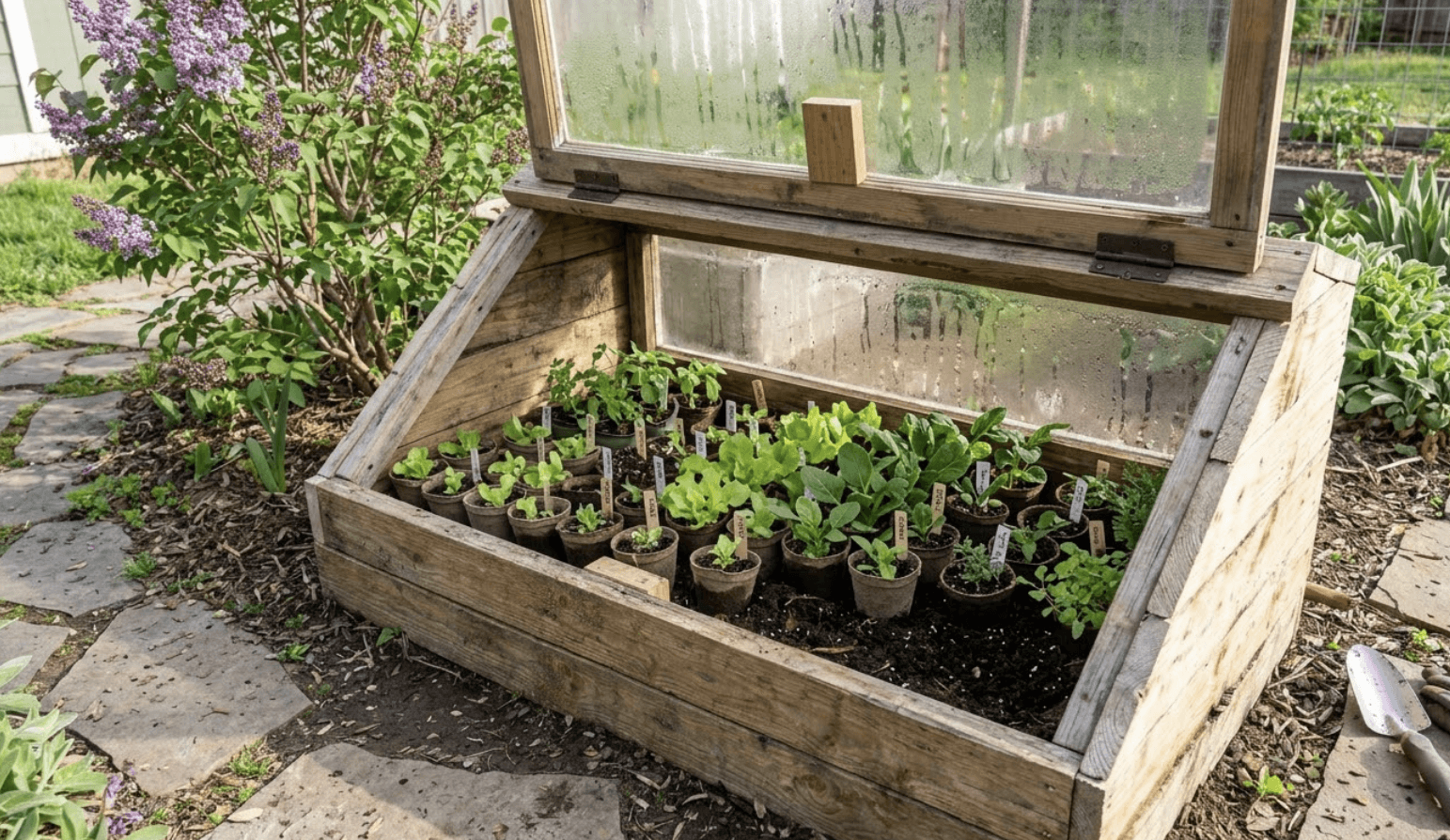
Before we start talking about thermodynamics, let's establish exactly what a cold frame is. Simply put, it is a bottomless box, usually made of wood, concrete, or brick, sitting directly on the soil, covered with a transparent roof (the "glazing").
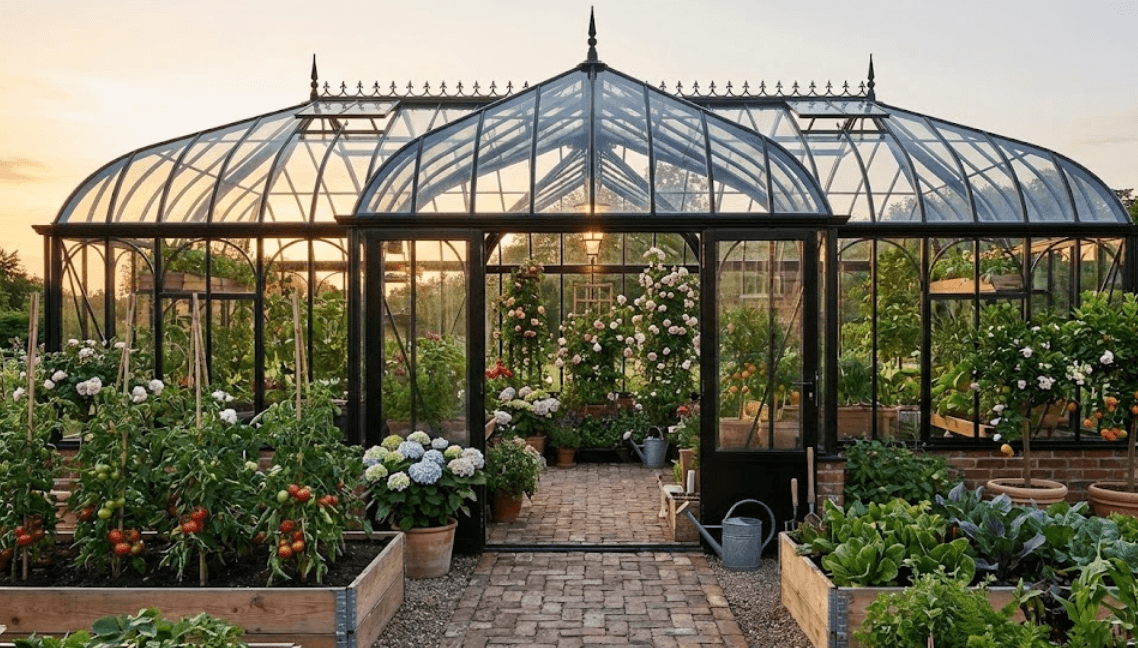
Unlike a traditional greenhouse, which is tall enough for you to walk into and usually relies on artificial heating systems, a cold frame relies entirely on the sun and the natural insulation of the earth.
During the day, the sun's shortwave radiation passes easily through the glass or plastic roof of the cold frame. When this sunlight hits the soil, the plants, and the walls inside the box, it is absorbed and converted into heat (longwave radiation). The glass roof traps this heat, preventing it from escaping back into the atmosphere. This is the classic "greenhouse effect."
The problem? Glass is a terrible insulator. As soon as the sun goes down, that trapped heat starts rapidly leaking out of the box. If the ambient temperature outside drops below freezing, the temperature inside the cold frame will follow suit shortly after, leaving your plants shivering in the dark.
This is where passive solar heating comes in. Passive solar design is all about slowing down that heat loss. It is the art of capturing the sun’s free energy during the day, storing it like money in a bank account, and slowly releasing it throughout the night to keep the temperature inside the box safely above freezing.
Physics 101: The Core Principles of Passive Solar Heating
To build a truly effective cold frame, you need to understand the four core principles of passive solar design. Don't worry, there is no advanced calculus required here—just basic, brilliant logic.
1. Collection (The Glazing)
You can't store heat if you don't collect it first. Your glazing (the transparent lid) is your solar collector. The goal here is to maximize the amount of sunlight entering the box during the day. This means choosing the right material—like old glass windows, twin-wall polycarbonate, or heavy-duty greenhouse plastic—and angling it perfectly toward the sun to catch as many rays as possible.
2. Absorption (The Dark Colors)
Once the sunlight is inside the box, it needs to hit something that will absorb it. Have you ever worn a black t-shirt on a sunny day? You get hot very quickly. Light colors reflect solar energy; dark colors absorb it and turn it into heat. In a passive solar cold frame, we use dark colors on the interior walls and the storage materials to aggressively soak up the sun's rays.
3. Storage (The Thermal Mass)
This is the absolute most important concept in this entire guide. Thermal mass refers to dense, heavy materials that have the ability to absorb heat energy during the day and hold onto it tightly. When the air temperature inside the cold frame drops at night, the thermal mass slowly radiates its stored heat back into the air, keeping the plants warm. Common thermal mass materials include water, stone, brick, concrete, and even the earth itself.
4. Conservation (The Insulation)
If you leave your front door wide open in the middle of winter, your home's furnace is going to work overtime for nothing. The same applies to your cold frame. Once you have collected and stored all that beautiful solar heat, you have to prevent it from leaking out into the cold night air. This requires insulating the walls of the cold frame, sealing up drafty cracks, and throwing a "blanket" over the glass at night.
Now that we understand the rules of the game, let's look at exactly how to implement them in your backyard.
Designing for Maximum Solar Gain: Angles and Orientation
The sun is a moving target. Its path across the sky changes dramatically depending on the season. Right now, in the middle of spring, the sun is climbing higher in the sky each day, but it is still relatively low compared to mid-summer.
If you want your cold frame to capture the maximum amount of solar energy, you have to point it in the right direction and tilt the roof at the perfect angle.
Finding True South
If you live in the Northern Hemisphere, the sun is always located in the southern half of the sky. Therefore, the slanted, transparent roof of your cold frame must face dead South.
But here is a pro-tip: do not rely on a standard compass app on your phone. Compasses point to "Magnetic South," which can be significantly different from "True South" (the geographic South Pole) depending on where you live. This difference is called magnetic declination. To find True South, go into your backyard exactly at "Solar Noon" (the exact midpoint between sunrise and sunset, which you can find via a quick online search for your zip code). Stand a stick straight up in the ground. The shadow cast by that stick will point perfectly to True North, meaning the opposite direction is True South. Point your cold frame exactly there.
Calculating the Perfect Angle
The ideal angle for your cold frame's glass roof depends on your latitude and the season you intend to use it the most.
The general rule of thumb for capturing maximum solar radiation during the colder months (late winter through mid-spring) is to take your geographical latitude and add 15 degrees.
For example, if you live in Chicago, Illinois (which is at a latitude of 42 degrees North), the optimal angle for your cold frame lid in the early spring would be 57 degrees (42 + 15 = 57). A steep angle like this ensures that the low-hanging spring sun hits the glass at a direct, perpendicular 90-degree angle, maximizing penetration and minimizing reflection. A steeper angle also has the wonderful added benefit of shedding rain and heavy, wet spring snow effortlessly.
If math isn't your strong suit, a general angle between 35 and 45 degrees works wonderfully for the vast majority of gardeners in temperate zones. Just make sure the back wall (the North wall) is significantly taller than the front wall (the South wall).
Thermal Mass: Building the Battery
Okay, we have oriented the box, and the sun is pouring in. Now we need to trap that heat. We need to build the battery. We need thermal mass.
Not all materials hold heat equally. Wood, for example, is a decent insulator, but it has terrible thermal mass. It warms up quickly and cools down almost instantly. We need dense, heavy materials.
The Undisputed King of Thermal Mass: Water
When it comes to specific heat capacity—the ability to store heat energy per unit of volume—water is the absolute, undisputed heavyweight champion of the universe. Water can hold almost four times as much heat as concrete or stone of the same volume. It is cheap, abundant, and incredibly easy to use.
Here is the classic, most effective way to turn water into a passive solar battery for your cold frame: The Painted Jug Method.
- Collect your containers: Start saving one-gallon plastic milk or water jugs. You can also use two-liter soda bottles or, if you have a massive cold frame, heavy-duty 5-gallon buckets.
- Paint them black: Wash the jugs out and paint the entire exterior with flat black spray paint. Do not use glossy paint; flat black absorbs solar radiation much more efficiently.
- Fill them up: Fill the jugs to the brim with regular tap water and screw the caps on tightly.
- Build the wall: Line these black, water-filled jugs along the entire inside of the North wall of your cold frame (the tallest wall, located in the back).
Here is what happens: During the day, the sun shines through the south-facing glass and hits that black wall of water. The black paint absorbs the heat, transferring it directly into the water inside. Because water has such a high specific heat capacity, it slowly and steadily soaks up massive amounts of thermal energy without boiling your plants.
When the sun goes down and the air temperature inside the cold frame drops, the water becomes warmer than the surrounding air. Physics dictates that heat moves from warm to cold, so the jugs begin to slowly, steadily radiate that stored heat back into the box throughout the night. It acts exactly like a slow-release radiator, keeping the ambient temperature near the plants several degrees above freezing, even when there is frost on the outside of the glass.
The Stone and Brick Alternative
If you don't like the look of plastic jugs, or if you are building a more permanent structure, stone and brick are fantastic alternatives.
Building the actual frame of the box out of cinderblocks, solid concrete, or red brick provides a massive amount of built-in thermal mass. Alternatively, you can lay heavy, dark-colored flagstones or slate directly on the bare soil inside the cold frame, creating pathways between your plants. The stones absorb the sun during the day and release the heat back into the soil at night, keeping the root zones warm.
A quick warning: If you use stones on the ground, ensure they don't cover too much soil surface area, or you won't have any room left to actually grow your plants!
Insulation: Trapping the Heat You Made
You have successfully collected the heat, and you have stored it in your beautiful black water jugs. But if your cold frame is leaky and drafty, all that effort is going to literally disappear into the night air. You must prioritize conservation.
Sealing the Drafts
Cold frames are often built out of scrap wood and old windows, which is wonderful for the budget, but terrible for airtightness. Go to the hardware store and buy a roll of weather stripping (the kind used for front doors). Apply it along the top edges of the wooden frame where the glass lid rests. When you close the lid, it should compress the weather stripping, sealing off any gaps where icy spring winds could blow through.
Insulating the Walls
A thin piece of plywood does not offer much protection against a freezing night. To upgrade your cold frame, line the interior walls (specifically the East, West, and North walls) with rigid foam insulation board (Extruded Polystyrene, or XPS). You can buy 1-inch or 2-inch thick pink or blue foam boards at any home improvement store. Cut them to size and tack them to the inside walls.
For the ultimate passive solar hack, glue heavy-duty aluminum foil (shiny side out) over the foam insulation on the back North wall. Instead of painting that wall black, the foil will act as a mirror, bouncing the incoming sunlight directly back onto your plants, effectively doubling the light intensity during the cloudy, overcast days of early spring. (Note: If you use the black water jug method, place the jugs in front of the foil. The foil will bounce light back onto the dark jugs!)
Earth Berming
The earth itself is a phenomenal insulator. If you dig down just a few feet, the soil temperature remains a constant, relatively warm 50°F to 55°F year-round.
You can take advantage of this by "berming" your cold frame. Instead of just setting the box on top of the soil, heap dirt, compost, or thick layers of straw and autumn leaves all around the outside of the wooden frame, packing it tightly against the exterior walls. This external layer of earth or organic matter acts as a thick, cozy winter coat, shielding the wooden walls from freezing winds and drastically reducing heat loss.
Alternatively, if you are building a permanent frame, you can actually dig a pit a foot or two down into the ground and build the frame inside the pit. This sunken design utilizes the geothermal heat of the earth to naturally moderate the temperature, keeping it cooler in the summer and much warmer in the early spring.
The Night Blanket
No matter how well you insulate the walls, your biggest vulnerability is the transparent roof. Glass and thin plastic have incredibly low "R-values" (the measure of thermal resistance). Heat pours out of a glass window at an alarming rate on a cold, clear night.
To combat this, you must adopt the habit of putting your cold frame to bed. Keep an old, heavy wool blanket, a thick moving quilt, or a piece of insulated reflective bubble wrap near your garden. On nights when a frost is forecasted, go outside at sunset and simply lay the blanket entirely over the glass lid. Weight it down with a few bricks or a piece of scrap wood so it doesn't blow away.
This simple act of covering the glass at night traps the radiant heat inside the box. Just remember: you must wake up early the next morning and remove the blanket as soon as the sun comes up! Plants need light to photosynthesize, and if you leave the blanket on, they will sit in the cold, dark dark all day.
The Danger Zone: Ventilation and Frying Your Plants
We have spent this entire guide talking about how to capture and trap heat. But I must issue a very serious, urgent warning, especially since we are currently sitting in the middle of the spring season.
Passive solar heating works incredibly well. Sometimes, it works too well.
Right now, the sun is getting stronger every single day. A well-insulated, closed cold frame acts as a solar oven. On a day where the outside temperature is a mild, breezy 55°F, the temperature inside a closed cold frame in direct sunlight can easily rocket past 110°F in less than an hour.
If you leave for work in the morning, forget to open the lid, and the sun comes out, you will return home to find your beautiful, pampered seedlings completely baked, wilted, and dead. Cooking your plants is the number one mistake beginners make with cold frames.
Ventilation is just as important as insulation. You must manage the heat.
Manual Ventilation
The old-fashioned way to handle this is simply propping the lid open. Keep a notched piece of wood near the cold frame. On warm, sunny spring mornings, go outside and prop the glass lid open a few inches to let the hot air escape and allow fresh breezes to circulate. If it is going to be a very hot day, open the lid entirely. When the sun starts to set and the air cools down, go back out and shut the lid tight to trap the remaining heat for the night.
Automatic Vent Openers (The Gardener's Best Friend)
If you work away from home, manual ventilation is stressful and unreliable. Do yourself a massive favor and invest in an automatic vent opener.
These brilliant little gadgets cost about $30 to $50 and require absolutely no electricity. They consist of a metal arm containing a cylinder filled with a special type of wax or mineral oil. As the temperature inside the cold frame rises, the wax inside the cylinder expands, physically pushing a piston outward. This piston pushes the metal arm, which automatically lifts the glass lid of your cold frame. As the evening cools down, the wax contracts, the piston retracts, and the heavy lid gently closes itself.
It is pure, mechanical genius, and it will save your plants from turning into steamed spinach while you are stuck in afternoon traffic.
Thermometers: Trust But Verify
Never guess the temperature. Buy a cheap, digital "min/max" thermometer and stick it inside the cold frame, out of direct sunlight. This device records the lowest temperature reached during the night and the highest temperature reached during the day. By checking it daily, you can see exactly how well your thermal mass water jugs and insulation are performing, allowing you to tweak your system for absolute perfection.
The Hybrid Approach: Introducing the Hotbed
What happens if passive solar just isn't enough? What if you get hit by an unseasonable, brutal cold snap that blocks the sun for three days straight, leaving your thermal mass depleted?
You can upgrade your cold frame into a "Hotbed."
A hotbed utilizes the exact same principles of passive solar design, but it adds an active, biological heating element beneath the soil: decomposing manure. This is an ancient technique famously used by 19th-century Parisian market gardeners to grow fresh greens in the dead of winter.
Here is how you do it:
- Dig out the soil inside your cold frame to a depth of about 18 to 24 inches.
- Fill the bottom 12 to 18 inches of that pit with fresh, raw, uncomposted horse or cow manure mixed with damp straw.
- Tamp the manure layer down tightly, water it well, and cover it with 6 inches of high-quality, screened topsoil or compost.
As the fresh manure begins to break down and compost, the aggressive bacterial activity generates a massive amount of physical heat. This biological furnace radiates warmth upwards, gently heating the 6 inches of topsoil from below. Your plants' roots stay incredibly warm and cozy, regardless of whether the sun is shining or not. The manure will continue to generate steady, reliable heat for 4 to 6 weeks, which is the exact amount of time you need to bridge the gap between late winter and reliable spring weather.
The Zone Guide: Seasonally Adjusting Your Strategy
Because we are currently navigating the unpredictable, beautiful mess of mid-to-late spring, your interaction with your cold frame depends entirely on your USDA Hardiness Zone.
The Primary Sweet Spot: USDA Zones 4 through 7
If you live in this temperate band, you are the primary audience for this guide right now. Your nights are still dipping dangerously close to freezing, but the days are glorious.
Your current mission: Use your passive-solar cold frame for "hardening off." You have trays of tomatoes, peppers, and eggplants that you started indoors. You cannot plant them in the ground yet. Move those trays into the cold frame. The glass protects them from the harsh spring wind, the water jugs keep them from freezing at night, and they get to experience real, unfiltered sunlight during the day when you prop the lid open.
Simultaneously, you can plant fast-growing, cool-weather crops directly into the soil of the cold frame right now. Radishes, baby spinach, arugula, and early carrots will explode with growth in the warm, humid microclimate, giving you a harvest weeks before the rest of your garden wakes up.
Adjustments for the Deep Freeze: Zones 1 through 3
If you are in the far north, your spring is just barely beginning. You might still have snow on the ground, and your soil is frigid.
Your current mission: You need extreme passive solar intervention. Ensure your cold frame is heavily earth-bermed or insulated with thick foam board. Load the back wall completely with black water jugs. Keep the heavy blankets on the glass every single night. You can begin direct-sowing incredibly cold-hardy greens like mache, kale, and winter lettuce inside the frame now. The solar heat will thaw the top few inches of soil inside the box long before the outdoor garden thaws, giving you a crucial head start in your short growing season.
Adjustments for the Deep South: Zones 8 through 10
If you live down south, your spring is rapidly transitioning into a brutally hot summer. The danger of frost is entirely gone, and your ambient daytime temperatures are already climbing into the 80s.
Your current mission: Disassemble the passive solar battery. Remove the black water jugs immediately, or they will act as a sauna and cook your plants. Take the glass lid completely off the hinges and store it in the shed for the summer.
Your cold frame box can now simply serve as a raised garden bed. If the sun is becoming too intense for your delicate lettuce or spinach, you can replace the glass lid with a wooden frame stapled with 50% shade cloth. This turns your former solar heater into a cooling, shaded oasis, extending your harvest of spring greens deep into the hot summer months.
Conclusion: Mastering the Microclimate
Building and managing a passive solar cold frame is one of the most deeply satisfying projects a gardener can undertake. It is a brilliant, silent partnership with nature. You are not relying on electricity, extension cords, or loud heaters; you are simply manipulating the fundamental laws of thermodynamics to bend the seasons to your will.
By carefully angling your glazing toward the southern sun, deploying black water jugs as an impenetrable thermal battery, sealing the drafts, and utilizing an automatic vent opener to prevent catastrophic overheating, you create an incredibly resilient, productive microclimate in your own backyard.
As we push deeper into this vibrant spring season, your cold frame stands as a fortress against the unpredictable weather. It protects your fragile seedlings, accelerates your early greens, and buys you precious time on both ends of the calendar. Get out there, paint some milk jugs, weather-strip that old window, and watch what happens when you harness the true power of the sun. Happy growing!
Read more about utilizing your greenhouse to maximize production in our greenhouse category here. As the temps outside continue to climb, our article on misting systems for temperature regulation will set you up for success on through the summer months.
Thanks for stopping by mygardenspot.com, don't forget to go by the forum and say hello!
Expert Insights & FAQs
My cold frame gets too humid and my plants are molding. How do I fix this?
High humidity paired with stagnant air is a recipe for fungal diseases like "damping off" and powdery mildew. You must improve ventilation. Open the lid earlier in the day, or prop it open wider. If the days are cold and you can't open the lid far, ensure your plants are spaced far enough apart to allow airflow between the leaves. Water the soil directly, avoiding getting the leaves wet.
What happens if there is a heavy snowstorm? Will the snow break the glass?
A well-built cold frame with a steep angle (45 degrees or more) should naturally shed most heavy snow. However, if deep snow accumulates on the glass, it will completely block the sunlight from reaching your plants. You must go out and gently brush the snow off the glazing as soon as possible so the plants can photosynthesize and the passive solar heating process can resume.
Can I use a cold frame on top of a concrete patio instead of bare soil?
Yes, but you lose the geothermal insulation and biological benefits of the earth. If you place a cold frame on concrete, you must build it with a bottom, fill it with potting soil, and treat it like a large container. The concrete below will get very cold at night. It is highly recommended to place an insulating layer of rigid foam board underneath the box to prevent the concrete from stealing the heat generated by your solar battery.
Do I need to water the plants inside the cold frame?
Yes, absolutely! Because the glass roof prevents rain from reaching the plants, you are 100% responsible for their hydration. The heat trapped inside the box will cause the soil to dry out faster than you might expect, especially on sunny spring days. Check the soil moisture frequently with your finger, and water gently early in the morning so the leaves have time to dry before the cold night sets in.
How do I stop slugs from destroying my plants inside the cold frame?
Cold frames create a damp, warm, protected environment—which is a paradise for slugs. Because the box has walls, it is easy to defend. Sink a shallow dish of cheap beer into the soil inside the frame; the yeast attracts the slugs, and they fall in and drown. You can also sprinkle organic, iron-phosphate-based slug bait lightly around the interior perimeter of the wooden frame.
I opened my cold frame and my seedlings are tall, pale, and falling over. What happened?
This is called "etiolation" or getting "leggy." It happens when the plants are not getting enough light and are desperately stretching toward the sun, or if the temperature inside the box is too high. Ensure the glass is clean (scrub off the winter grime!), check that no trees or buildings are casting shadows over the frame during the day, and ensure you are venting the box properly so it doesn't become a dark, humid sauna.
Is polycarbonate better than glass for a cold frame lid?
It depends on your goals. Old glass windows are heavy (won't blow away), scratch-resistant, and let in massive amounts of light, but they have terrible insulation value. Twin-wall polycarbonate is lightweight, virtually unbreakable, and the air trapped between the two layers of plastic offers fantastic insulation (higher R-value). For intense cold protection, twin-wall polycarbonate is generally the better, safer choice.
Can I use clear plastic bottles instead of painting them black for thermal mass?
You can, but it is highly inefficient. Clear bottles allow solar radiation to pass right through the water without absorbing much of the energy. Flat black paint acts as a sponge, aggressively absorbing the shortwave radiation and converting it into heat, which is then transferred into the water. If you don't want to paint jugs, you can dye the water itself with a heavy dose of dark food coloring, but painting the exterior flat black is superior.
Johnnie McCormick
Zone 7b/8a - North Central Alabama
Johnnie McCormick is a gardening hobbyist and the founder of My Garden Spot. Raised in north-central Alabama, his passion for gardening began in his youth. In 2008, he established a large market garden, teaching himself high-yield growing methods. In the years since, he has operated seasonal seedling sales for transplants, specializing in heirloom tomatoes, peppers, eggplants, decorative ground covers like Ajuga (Bugleweed), marigolds, nasturtiums, and fresh kitchen-window herb arrangements (basil, cilantro). Today, he gardens in the hills between Birmingham and Jasper, Alabama (Zone 7b/8a), sharing practical, community-focused gardening resources.
Verified Authoritative Citations & References
In alignment with our strict E-E-A-T research and verification guidelines, this guide cross-references data from the United States Department of Agriculture (USDA) and Cooperative Extension Service programs.
- Rutgers NJAES Cooperative Extension: Greenhouse energy conservation and climate management sheets. horteng.envsci.rutgers.edu
- Cornell Cooperative Extension: High-Yield Greenhouse management and passive climate control resources. cea.cals.cornell.edu
- Penn State Extension: High tunnel design, construction, and microclimate optimization. extension.psu.edu
- Iowa State University Extension: High tunnel production and ventilation guidelines. store.extension.iastate.edu

Please log in to view comments.