Mid-Season Integrated Pest Management: Combating Flea Beetles and Squash Bugs Before Summer

How Do You Control Flea Beetles and Squash Bugs Organically in Mid-Season?
Mid-season gardening presents a critical transition period where environmental conditions perfectly align to support the rapid proliferation of destructive agricultural pests. As spring rains subside and ambient soil temperatures consistently rise above 60°F (15°C), overwintering insect populations emerge with ravenous appetites. Among the most pernicious threats to the high-yield vegetable garden are flea beetles (Phyllotreta spp.) and squash bugs (Anasa tristis). Addressing these specific biological threats requires more than casual observation; it demands the implementation of a rigorous Integrated Pest Management (IPM) strategy.
IPM is an ecosystem-based, academic approach to agriculture that focuses on the long-term prevention of pests or their damage through a combination of techniques such as biological control, habitat manipulation, modification of cultural practices, and the use of resistant varieties. By understanding the chemical mechanisms of organic pesticides, the behavioral ecology of target insects, and the precise nutritional requirements of crops, market gardeners and CSA operators can achieve sustainable, heavy-yielding harvests.
What is the most effective organic method to control flea beetles (Phyllotreta spp.) mid-season?
The most effective organic control for mid-season flea beetles (Phyllotreta spp.) involves a multi-pronged application of Azadirachtin-based neem oil and Spinosad. When combined with protective kaolin clay physical barriers and precisely timed applications during cool morning hours, this methodology severely disrupts the beetle’s feeding cycle and neurological functions.
Morphology and Behavioral Ecology of Phyllotreta spp.
Flea beetles are not a single species, but rather a diverse genus (Phyllotreta) of small, jumping leaf beetles within the family Chrysomelidae. The most common agricultural culprits include the striped cabbage flea beetle (Phyllotreta striolata) and the crucifer flea beetle (Phyllotreta cruciferae). These insects are highly highly mobile, possessing enlarged hind femora that allow them to spring away rapidly when disturbed, making them exceptionally difficult to control with contact insecticides.
Their damage is immediately recognizable: classic "shot-hole" defoliation. Adult beetles consume small, circular sections of the epidermal and mesophyll layers of the leaves, primarily targeting cabbage, broccoli, tomatoes, and eggplants. While mature plants can often withstand moderate defoliation, mid-season transplants and young seedlings are acutely vulnerable. Severe shot-holing catastrophically reduces the photosynthetic surface area, stunting growth and creating open wounds that serve as primary vectors for bacterial blights and fungal pathogens.
Environmental Triggers for Mid-Season Swarms
Flea beetle emergence is heavily dictated by thermal accumulation. They overwinter as adults in hedgerows, woodland margins, and garden debris. As mid-season approaches and soil temperatures reach optimal thresholds, they emerge synchronously. Dry, warm conditions exacerbate feeding behavior. Understanding this phenology is critical for timing interventions. Utilizing a precision Planting Calendar allows you to predict the exact windows of vulnerability for your specific USDA hardiness zone, enabling you to deploy protective measures days before the swarms arrive.
Application Methodologies for Azadirachtin and Spinosad
To effectively combat Phyllotreta species, foliar applications of organic compounds must be executed with technical precision. Azadirachtin functions not merely as a toxicant, but as an antifeedant and growth regulator. When the beetle ingests treated foliage, the compound mimics the insect’s natural molting hormone (ecdysone), disrupting physiological development. Spinosad, derived from the fermentation of the actinomycete bacterium Saccharopolyspora spinosa, operates differently. It acts as a powerful neurotoxin, overstimulating the insect's nicotinic acetylcholine receptors, leading to muscle fasciculation, paralysis, and death.
For optimal efficacy, these organic compounds should be tank-mixed (if compatible according to localized agricultural extension guidelines) or rotated to prevent the rapid onset of chemical resistance. Applications should occur at dusk or dawn; the active ingredients degrade rapidly under the intense UV radiation of the mid-day sun, and spraying during cooler hours minimizes the risk of phytotoxicity to the crop.
How do you identify and eliminate squash bug (Anasa tristis) eggs before they hatch?
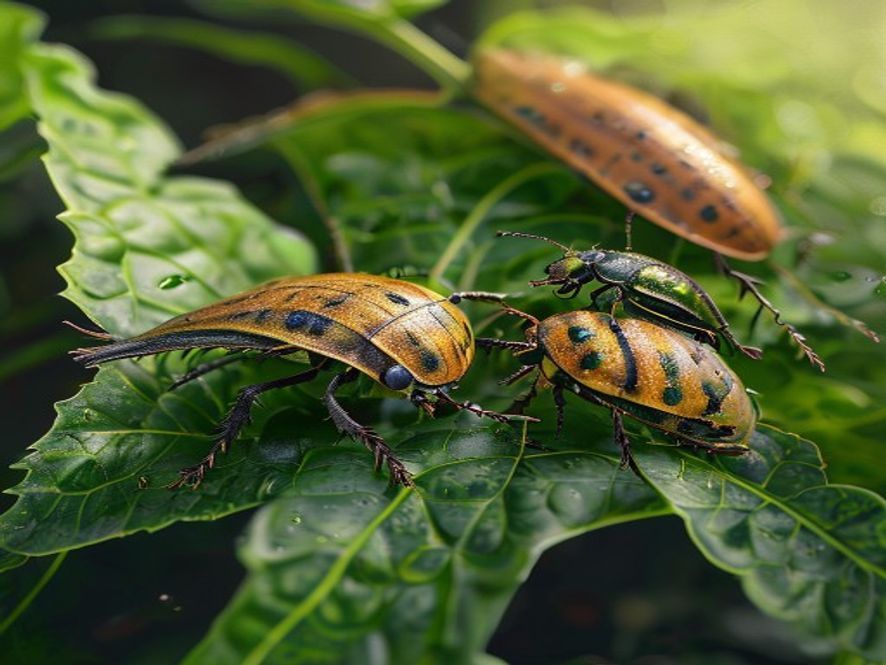
Squash bug (Anasa tristis) eggs are identified as rigid, bronze-to-brick-red clusters precisely arranged in V-formations along the undersides of cucurbit leaf veins. Immediate elimination requires manual destruction via crushing, localized application of insecticidal soaps, or using horticultural oils to suffocate the developing embryos before nymph emergence.
The Anasa tristis Reproductive Cycle
The true bug Anasa tristis belongs to the family Coreidae. They are formidable adversaries in the cucurbit patch, displaying a distinct preference for Cucurbita pepo (pumpkins, summer squash) and Cucurbita maxima (winter squashes). The adults emerge from overwintering sites in late spring to early mid-season, immediately mating and initiating the reproductive cycle.
Females exhibit highly selective oviposition behaviors. They lay their eggs on the abaxial (lower) surfaces of the leaves, usually nestled tightly against the primary and secondary vascular veins. A single female can deposit anywhere from 10 to 40 eggs in a tightly packed, mathematically precise geometric cluster. The eggs undergo a distinct color phase transition: starting as a pale, translucent yellow initially, oxidizing to a copper tone, and finally maturing to a deep, dark bronze just prior to hatching, which typically occurs within 10 to 14 days depending on ambient temperature.
Vectoring of Cucurbit Yellow Vine Disease (CYVD)
The urgency in eliminating Anasa tristis before the nymphal stage is twofold. First, nymphs possess piercing-sucking mouthparts that inject a highly toxic salivary enzyme into the plant tissue, inducing localized necrosis and a systemic collapse commonly referred to as "Anasa wilt." Second, and more critically, both nymphs and adults are the primary vectors for the bacterium Serratia marcescens, the causal agent of Cucurbit Yellow Vine Disease (CYVD). Once the phloem is inoculated with this bacterium, the plant rapidly develops chlorosis, vascular plugging, and eventual death. There is no cure for CYVD; vector eradication is the only viable agricultural strategy for prevention.
Mechanical and Horticultural Oil Interventions
Because the heavy chitinous exoskeleton of the adult squash bug renders many organic contact insecticides ineffective, the most successful IPM strategy targets the stationary egg stage. Scouting must be conducted every 48 hours during the mid-season peak.
Mechanical destruction—simply rolling the eggs between the thumb and forefinger until they rupture—is the most guaranteed method of elimination. For larger market gardens where manual crushing is labor-prohibitive, localized applications of highly refined horticultural oils (such as mineral oil or neem formulations) can be utilized. These oils function purely mechanically rather than chemically; they coat the chorion (the outer shell of the egg), blocking the microscopic aeropyles and suffocating the developing embryo via hypoxia.
What are the active chemical breakdowns of organic pesticides like Pyrethrin and Neem Oil?
Organic pesticides function through precise chemical mechanisms. Pyrethrins contain esters of chrysanthemic acid that disrupt insect voltage-gated sodium channels, causing rapid paralysis. Neem oil’s primary active compound, Azadirachtin (a tetranortriterpenoid), acts as an ecdysone antagonist, catastrophically interrupting the molting processes and feeding behaviors of targeted agricultural pests.
The Pyrethrin Ester Complex
Understanding the biochemistry of organic pesticides is essential for the advanced horticulturalist. Pyrethrum is a botanical insecticide extracted primarily from the seed cases of the Dalmatian chrysanthemum (Chrysanthemum cinerariifolium). The extract contains a complex of six related ester compounds: Pyrethrin I and II, Cinerin I and II, and Jasmolin I and II.
At the molecular level, these lipophilic molecules penetrate the insect’s cuticle and bind to the voltage-gated sodium channels along the nerve axons. Normally, these channels open to allow sodium ions into the cell to propagate an action potential, then quickly close. Pyrethrins prevent the channels from closing. This forces a continuous, uncontrolled influx of sodium ions, resulting in repetitive nerve firing, violent tremors, rapid knockdown, and eventual mortality. Because mammals possess different sodium channel isoforms and rapidly metabolize these esters via liver enzymes, pyrethrins boast an excellent safety profile for human operators.
Terpenoids and the Azadirachtin Mechanism
Neem oil is pressed from the seeds of the neem tree (Azadirachta indica). While the oil contains dozens of limonoids, the most biologically active compound is Azadirachtin. As a highly complex tetranortriterpenoid, Azadirachtin does not typically kill upon immediate contact; rather, it functions as a potent systemic growth regulator.
In insects such as squash bug nymphs and flea beetle larvae, the molting process is regulated by the steroid hormone ecdysone. Azadirachtin structurally mimics ecdysone, binds competitively to the insect's cellular receptors, but fails to trigger the necessary physiological cascades. Consequently, the insect is biochemically blocked from shedding its exoskeleton, remaining trapped in its current instar until it inevitably starves to death. Furthermore, Azadirachtin possesses potent antifeedant properties, suppressing the insect's gustatory sensilla (taste receptors), causing it to abandon the host plant entirely.
Spinosad: Fermentation and Allosteric Modulation
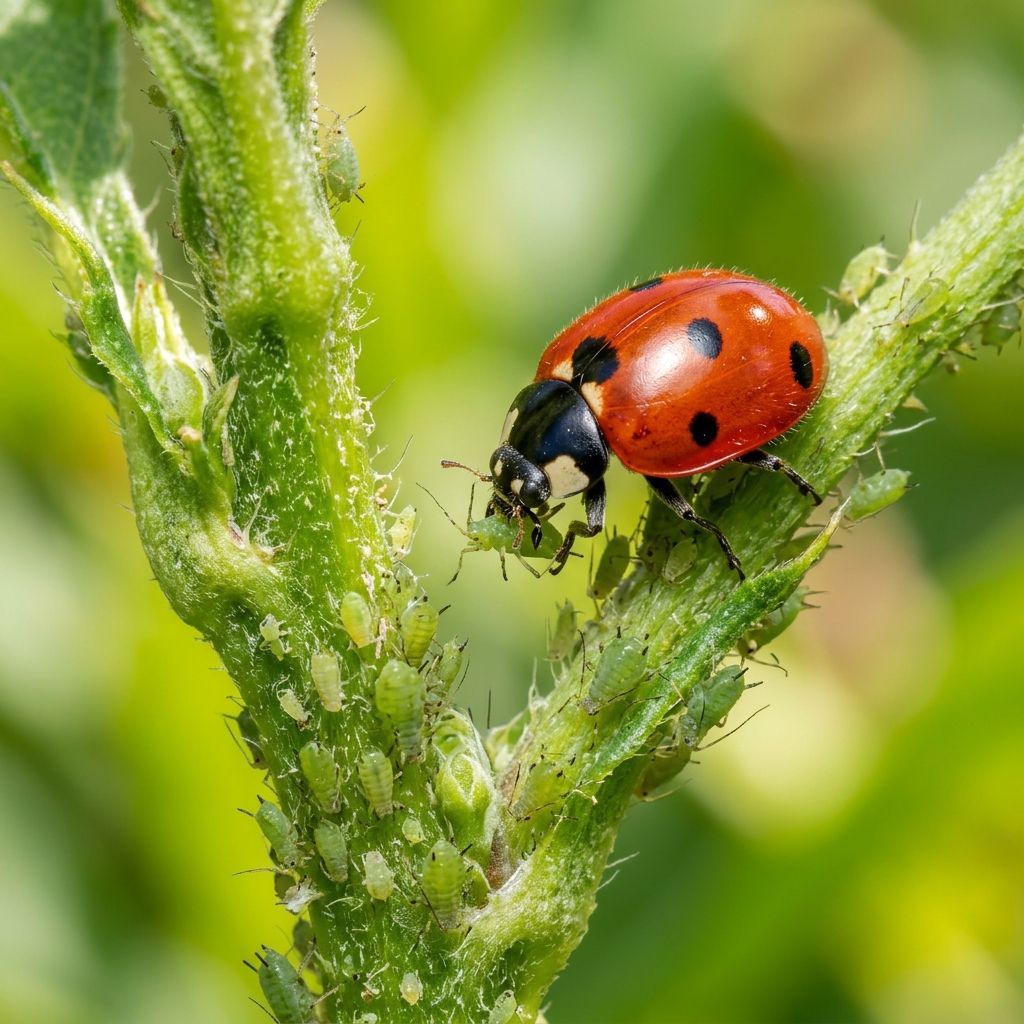
Spinosad is a secondary metabolite produced through the aerobic fermentation of the soil bacterium Saccharopolyspora spinosa. It consists of two macrocyclic lactones: Spinosyn A and Spinosyn D. Unlike pyrethrins, Spinosad acts primarily as an allosteric modulator of the nicotinic acetylcholine receptors, though it also affects GABA receptors. This dual-action pathway makes it highly effective against chewing pests like flea beetles while remaining relatively safe for beneficial predatory insects like lady beetles and lacewings once the spray residue has dried.
Table 1: Chemical Breakdown and Efficacy of Organic Pesticides in IPM
| Organic Pesticide | Primary Active Compound | Chemical Class | Primary Mode of Action | Target Pests in Mid-Season | Residual Efficacy |
|---|---|---|---|---|---|
| Neem Oil | Azadirachtin | Tetranortriterpenoid | Ecdysone mimic; Endocrine disruptor and antifeedant | Squash bugs (nymphs), Flea beetles | Moderate (Systemic absorption) |
| Pyrethrin | Pyrethrin I & II, Cinerin | Chrysanthemic Esters | Voltage-gated sodium channel prolonged activator | Flea beetles (adults), Cucumber beetles | Low (Rapid UV degradation) |
| Spinosad | Spinosyn A & Spinosyn D | Macrocyclic Lactones | Nicotinic acetylcholine receptor allosteric modulator | Flea beetles, Thrips, Caterpillars | Moderate to High (Translaminar) |
| Insecticidal Soap | Potassium salts of fatty acids | Carboxylic Acids | Cellular membrane disruption, Cuticle desiccation | Squash bugs (nymphs), Aphids | None (Requires direct wet contact) |
| Kaolin Clay | Aluminum silicate | Aluminosilicate Mineral | Physical barrier, tactile deterrence, excessive grooming | Flea beetles, Stink bugs | High (Until washed off by rain) |
How does mid-season crop rotation and soil fertility affect pest resistance?
Mid-season crop rotation and balanced soil fertility strictly regulate plant stress responses, thereby enhancing natural pest resistance. Maintaining an optimal 5-10-10 NPK ratio prevents excess succulent vegetative growth—which attracts herbivores—while increased potassium fortifies plant cell walls, creating a substantial mechanical barrier against piercing-sucking insects like squash bugs.
Nitrogen-Induced Herbivory Susceptibility
The macronutrient profile of your soil dictates the biochemical composition of the plant’s tissues. While Nitrogen (N) is fundamental for the synthesis of amino acids, chlorophyll, and overall vegetative expansion, an over-application of nitrogen during the mid-season is a critical agricultural error. Excessive nitrogen leads to rapid, hyper-succulent cellular expansion. This results in plants with exceptionally thin epidermal cell walls and highly concentrated intracellular reserves of free amino acids and soluble sugars.
To a piercing-sucking insect like the squash bug, a high-nitrogen plant is essentially a highly visible, easily penetrable nutrient reservoir. By utilizing our Garden Planning Tool, growers can meticulously track and rotate heavy-feeding crops (like corn or tomatoes) with nitrogen-fixing legumes, ensuring that the residual nitrogen levels are perfectly calibrated for the succeeding cucurbit or brassica crop, preventing the dangerous flush of succulent growth that triggers intense herbivory.
Potassium's Role in Epidermal Lignification
Conversely, Potassium (K) plays a vital defensive role in plant physiology. Operating primarily as an osmoregulator, potassium controls stomatal aperture and maintains cellular turgor pressure. More importantly for IPM, adequate potassium levels are required for the synthesis of cellulose and the subsequent lignification of epidermal tissues.
A crop grown in soil with an optimized potassium ratio (such as the 10 in a 5-10-10 NPK formulation) will develop thick, tough, rigid leaves and stems. This presents a formidable mechanical barrier. Flea beetles expend significantly more energy attempting to chew through lignified tissues, often abandoning the plant for easier targets. Similarly, the reinforced vascular bundles make it incredibly difficult for the squash bug's stylet (proboscis) to access the phloem, effectively starving the pest even while it inhabits the plant.
Phosphorus and Root-Exudate Chemical Signaling
Phosphorus (P) is the engine of the plant's energy transfer system, vital for the formation of ATP and DNA. Robust phosphorus levels during the mid-season transition ensure massive, healthy root system development. A deep, expansive root architecture not only makes the crop highly resilient to mid-summer droughts, but it also optimizes the production of root exudates.
These chemical exudates act as subterranean signaling mechanisms. A healthy, phosphorus-rich plant can communicate with beneficial soil microbiomes, recruiting symbiotic fungi and even signaling entomopathogenic nematodes when the plant is under attack by soil-dwelling larvae. This underground chemical warfare is the unseen foundation of organic pest resistance.
Can trap crops and companion planting be used to manage flea beetle and squash bug infestations?
Strategic trap cropping significantly mitigates infestations by redirecting pest pressure away from primary harvests. Planting highly attractive Blue Hubbard squash successfully isolates squash bugs, while fast-growing mustard draws flea beetles. Once concentrated on the trap crops, pests are systematically eradicated using targeted, localized organic pesticide applications.
Perimeter Trap Cropping (PTC) Dynamics
Trap cropping relies on the ecological principle of host preference. Insects possess highly evolved olfactory sensors that can detect specific volatile organic compounds (VOCs) emitted by their preferred food sources over long distances. Perimeter Trap Cropping (PTC) involves completely encircling the primary cash crop with a continuous border of a highly preferred, sacrificial plant species.
For squash bug management, the Blue Hubbard squash (Cucurbita maxima) is the undisputed gold standard. Squash bugs prefer the volatile profile of Blue Hubbard over that of standard zucchini or yellow crookneck squash. By planting a perimeter of Blue Hubbard two weeks prior to transplanting your main cucurbit crop, the emerging overwintered squash bugs will hit the perimeter wall, stop, and colonize the Hubbard squash. This isolates the infestation to the borders, leaving the interior cash crop pristine.
The Push-Pull Strategy in Companion Planting
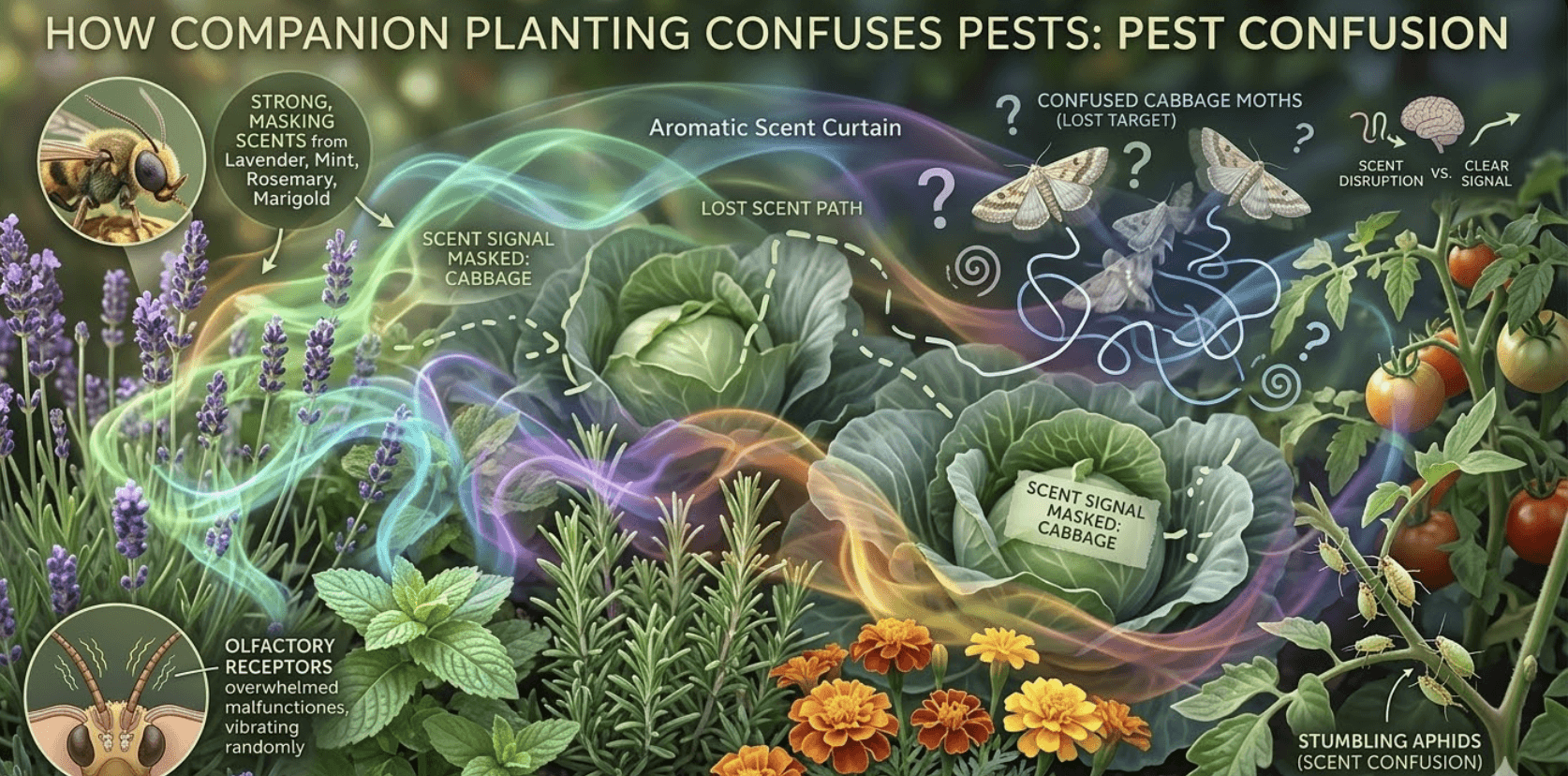
The "Push-Pull" strategy takes trap cropping a step further by integrating repellent companion plants within the main crop matrix. While the Blue Hubbard squash acts as the "pull" on the perimeter, highly aromatic herbs can act as the "push" on the interior. Interplanting alliums, catnip, or nasturtiums creates an olfactory camouflage, confusing the pests' host-finding mechanisms. To digitally map these complex interactions before the season begins, growers should consult the Companion Visualizer, which algorithms calculate optimal spacing and species pairings for maximum pest disruption.
Phenological Synchronization of Trap Crops
The most critical point of failure in trap cropping is improper phenological synchronization. If the trap crop is not mature enough to emit strong VOCs when the pests emerge, they will bypass it and attack the cash crop. Therefore, it is imperative to initiate trap crop seeds indoors well ahead of schedule. Reviewing comprehensive Seed Starting protocols ensures your sacrificial Brassica juncea (mustard) is robust and highly attractive precisely when the flea beetles emerge looking for their mid-season feast. Once the trap crop is heavily infested, it must be sprayed with a high-concentration organic knock-down agent like Pyrethrin, effectively turning the trap into a biological dead-end for the pest population.
What role do biological controls and beneficial insects play in integrated pest management?
Biological controls serve as a self-sustaining predatory defense mechanism within the agricultural ecosystem. Parasitic tachinid flies (Trichopoda pennipes) selectively target and fatally parasitize adult squash bugs. Simultaneously, beneficial entomopathogenic nematodes such as Steinernema carpocapsae actively hunt and destroy overwintering flea beetle larvae residing in the upper soil layers.
Tachinid Flies (Trichopoda pennipes) as Parasitoids
In a mature, ecologically balanced garden, pests are managed continuously by higher-trophic predators. The tachinid fly (Trichopoda pennipes) is a remarkably specialized parasitoid native to North America and the natural nemesis of the squash bug. Resembling a brightly colored housefly with a striking orange abdomen and velvety black head, the tachinid fly does not eat the squash bug directly. Instead, the female fly hovers over the cucurbit canopy, visually and olfactorily locating adult squash bugs.
Upon locating a target, she darts down and oviposits a single, large, highly visible white macro-egg onto the hard cuticle of the squash bug, typically on the underside of the thorax or abdomen. When the egg hatches, the maggot bores directly through the exoskeleton and into the host's body cavity. The maggot consumes the squash bug from the inside out, carefully avoiding vital organs to keep the host alive as long as possible. When the maggot is ready to pupate, it consumes the remaining internal structures, instantly killing the squash bug, and drops to the soil. Cultivating small-flowered nectar plants like dill, fennel, and alyssum is crucial for providing the adult tachinid flies with the carbohydrate energy required to sustain their predatory patrols.
Entomopathogenic Nematodes in Soil Profiles
While tachinid flies police the canopy, the soil profile must also be defended. Flea beetles lay their eggs at the base of host plants, and their larvae develop in the top few inches of the soil, feeding on root hairs before pupating into the destructive adults.
Applying entomopathogenic nematodes—specifically Steinernema carpocapsae—as a soil drench provides highly effective, microscopic biological control. These nematodes actively swim through the film of water surrounding soil particles, hunting for insect larvae. Upon locating a flea beetle larva, the nematode enters via natural body openings (spiracles, mouth, or anus) and regurgitates a symbiotic bacterium (Xenorhabdus spp.) directly into the larva's hemocoel. The bacterium rapidly multiplies, liquefying the host’s internal tissues and killing the larva within 48 hours. The nematodes then feed on the nutrient-dense bacterial soup, reproduce, and erupt from the cadaver to hunt again.
Fostering Micro-Habitats for Predators
Biological control cannot function in a sterile environment. Implementing IPM requires the deliberate creation of micro-habitats. Leaving small patches of undisturbed leaf litter, creating beetle banks, and integrating perennial hedgerows provide crucial overwintering sites for ground beetles (Carabidae), which are voracious generalist predators that will consume both flea beetle pupae and displaced squash bug nymphs.
Table 2: Taxonomy, Life Cycle, and Vulnerability Matrix for Target Pests
| Target Pest | Scientific Name | Overwintering Stage | Peak Activity Window | Primary Damage Mechanism | Stage of Highest Vulnerability to IPM |
|---|---|---|---|---|---|
| Squash Bug | Anasa tristis | Adult (Under debris) | Early to Mid-Summer | Piercing-sucking phloem depletion; CYVD Vector | Egg Stage: Highly susceptible to mechanical destruction and suffocating horticultural oils. |
| Striped Flea Beetle | Phyllotreta striolata | Adult (Woodland margins) | Mid-Spring to Mid-Summer | Epidermal defoliation; Bacterial Blight Vector | Larval Stage: Vulnerable in the soil to Steinernema carpocapsae nematode applications. |
| Crucifer Flea Beetle | Phyllotreta cruciferae | Adult (Soil and litter) | Mid-Spring to Mid-Summer | Severe shot-holing, photosynthetic reduction | Adult Stage: Vulnerable to Kaolin clay barrier disruption and trap cropping. |
| Cucumber Beetle | Acalymma vittatum | Adult (Deep woodland) | Mid-Summer | Defoliation and root grazing; Wilt Vector | Larval Stage: Vulnerable to targeted soil drenches and crop rotation starvation. |
How do you integrate physical barriers like row covers against pests during the summer transition?
Integrating spun-bond polyester floating row covers establishes a highly effective mechanical shield during the crucial summer transition. These barriers completely exclude adult flea beetles and squash bugs from establishing colonies on vulnerable transplants. Covers must be temporarily removed during anthesis to facilitate essential entomophilous pollination for fruit development.
Thermal and Light Transmissivity of Row Covers
Floating row covers are the unsung heroes of organic agriculture. Made from spun-bond polypropylene or polyester, these incredibly lightweight fabrics act as an impenetrable quarantine zone. When selecting agricultural fabrics for mid-season deployment, the primary metric of concern is the weight-to-transmissivity ratio.
Heavy-weight covers (e.g., 1.5 oz/sq yd) provide excellent frost protection but retain too much thermal energy for mid-season use, risking severe heat stress and blossom drop. For pest exclusion in the late spring and summer, ultra-lightweight "insect barrier" covers (typically 0.5 oz/sq yd) are mandated. These advanced fabrics permit up to 85% light transmission and allow optimal gas exchange and rainfall penetration while maintaining a physical weave tight enough to exclude even the smallest Phyllotreta species.
Timing Anthesis and Pollinator Access
The fatal flaw in utilizing physical barriers on fruiting crops is the inadvertent exclusion of beneficial pollinators. Cucurbits are monoecious (bearing separate male and female flowers on the same plant) and rely entirely on entomophilous pollination—specifically by native squash bees (Peponapis pruinosa) and honeybees (Apis mellifera).
The deployment of the row cover must therefore be strictly synchronized with the plant's phenology. The covers are applied immediately upon transplanting, providing weeks of absolute protection during the crop's most vulnerable vegetative growth phase. However, the moment the first female flowers initiate anthesis (blossom opening), the covers must be temporarily rolled back every morning. Failure to do so will result in 100% crop failure due to aborted, unpollinated fruit. Once the main fruit set is established and the stems have sufficiently lignified, the covers can be permanently removed, as the mature plants can withstand late-season pest pressure.
Integration with Cold Frames and Hardening Off
For growers pushing the seasonal boundaries, integrating row covers with rigid infrastructure provides ultimate control. Transplants initiated early in Cold Frames can be transitioned to the field under hoops draped with insect netting. This seamless transition prevents the traumatic shock of abrupt environmental exposure while simultaneously neutralizing the threat of overwintering pests that are actively scouting for the first available green tissue. Properly hardening off seedlings ensures their cuticles are robust enough to withstand the mechanical friction of the floating row covers undulating in the wind.
Expert Insights & FAQs
What is the fastest way to kill squash bugs organically?
Insecticidal soaps and Spinosad applications are the fastest organic methods to kill squash bug nymphs. For adults, manual removal or targeting them with Pyrethrin-based sprays during their most active periods provides rapid population knockdown.
Will neem oil harm beneficial pollinators in my garden?
Neem oil has a low toxicity to bees and other pollinators when applied correctly. To completely avoid harming beneficial insects, only apply neem oil during late evening hours after pollinators have returned to their hives.
How often should I reapply kaolin clay for flea beetle defense?
Kaolin clay should be reapplied every 7 to 14 days during peak flea beetle season. Additionally, reapplication is immediately necessary after heavy rainfall or overhead irrigation to maintain an unbroken physical barrier on the foliage.
Does diatomaceous earth work against mid-season squash bugs?
Diatomaceous earth is highly effective against the soft-bodied nymph stages of squash bugs. However, its efficacy significantly decreases against the hard-shelled adults, and it must remain completely dry to function as a desiccant.
Can I leave trap crops in the garden all summer?
Trap crops should not be left unmanaged, as they will eventually become breeding grounds that amplify the pest population. Once pests are concentrated on the trap crop, they must be destroyed using mechanical methods or targeted pesticides.
Johnnie McCormick
Zone 7b/8a - North Central Alabama
Johnnie McCormick is a gardening hobbyist and the founder of My Garden Spot. Raised in north-central Alabama, his passion for gardening began in his youth. In 2008, he established a large market garden, teaching himself high-yield growing methods. In the years since, he has operated seasonal seedling sales for transplants, specializing in heirloom tomatoes, peppers, eggplants, decorative ground covers like Ajuga (Bugleweed), marigolds, nasturtiums, and fresh kitchen-window herb arrangements (basil, cilantro). Today, he gardens in the hills between Birmingham and Jasper, Alabama (Zone 7b/8a), sharing practical, community-focused gardening resources.
Verified Authoritative Citations & References
In alignment with our strict E-E-A-T research and verification guidelines, this guide cross-references data from the United States Department of Agriculture (USDA) and Cooperative Extension Service programs.
- Cornell Cooperative Extension: Home Vegetable Gardening Guide and vegetable variety recommendations. gardening.cals.cornell.edu
- Penn State Extension: Master Gardener Manual and companion planting matrices. extension.psu.edu
- Alabama Cooperative Extension System (ACES): Raised bed construction plans and regional seed planting calendars. aces.edu
- USDA NRCS: Cover crops and biological soil health guidelines. nrcs.usda.gov
Please log in to view comments.