Combating Powdery Mildew and Fungal Issues in Humid Summer Conditions

How Do You Treat and Prevent Powdery Mildew in Humid Summer Weather Organically?
Combating powdery mildew and fungal issues in humid summer conditions requires a multi-faceted approach that combines physical cultural modifications, precise biological and chemical controls, and robust crop nutrition strategies to disrupt the pathogen's life cycle before it colonizes plant tissue. High ambient temperatures combined with elevated relative humidity create a highly conducive microclimate for spore germination, rapid hyphal growth, and devastating crop loss. Whether you are managing a small home garden or operating a high-output commercial market garden, understanding the physiological, chemical, and structural dynamics of fungal pathogens is essential to maintaining plant health and ensuring bountiful yields throughout the challenging summer months.
Managing fungal pressures is not merely about reacting to visible symptoms; it requires proactive planning and a deep understanding of host-pathogen-environment interactions. This is particularly critical for growers involved in local food systems, such as what is Community Supported Agriculture, where consistent quality and weekly harvest reliability are paramount to maintaining customer satisfaction and business viability. By implementing a scientifically backed defensive strategy, you can protect your crops, maximize photosynthetic efficiency, and ensure a continuous supply of premium produce.
How does high relative humidity promote powdery mildew and fungal pathogen spores?
Relative humidity (RH) plays a dual role in the life cycle of powdery mildew and other foliar fungal pathogens. Unlike downy mildew or late blight, which require free-standing water droplets on the leaf surface to germinate, the conidia (asexual spores) of powdery mildew (Erysiphe and Podosphaera species) are unique because they contain a remarkably high water content. This physiological adaptation allows them to germinate under relatively dry conditions compared to other fungi. However, elevated ambient relative humidity (typically between 70% and 90%) dramatically accelerates the infection rate by reducing the rate of spore desiccation, thus giving the spore ample time to establish an infection structure before drying out.
At the microscopic level, the leaf surface is surrounded by a stagnant boundary layer of air. When ambient humidity is high and air movement is minimal, this boundary layer can quickly reach 100% relative humidity due to plant transpiration. This micro-environment is highly conducive to spore germination. The physical process begins when a conidium lands on the leaf cuticle. Under high RH, the spore absorbs moisture from the boundary layer, triggering a rapid metabolic shift. Spore respiration metrics indicate a sharp increase in oxygen consumption and ATP synthesis within the first 30 to 60 minutes of hydration, fueling the growth of the germ tube.
Furthermore, the carbonic acid equilibria on the wet or humid leaf surface plays a major role in spore survival. When moisture films form on the leaf surface, carbon dioxide from the air dissolves into the water, establishing a chemical equilibrium:
H2O + CO2 <-> H2CO3 <-> H+ + HCO3- <-> 2H+ + CO3^2-
This equilibrium determines the micro-environmental pH of the leaf surface. Under highly humid conditions with poor air exchange, the accumulation of dissolved carbon dioxide can lower the surface pH, creating an acidic environment that is highly favorable for the enzymatic activity of fungal spore walls. Conversely, dry air and rapid evaporation prevent the stabilization of this acidic film, disrupting the initial biochemical signaling required for the spore to recognize its host.
| Relative Humidity (%) | Temperature Range | Spore Germination Rate | Primary Pathogen Risk |
|---|---|---|---|
| < 50% | 85 F - 95 F (29 C - 35 C) | Extremely Low | Minimal (Spore desiccation occurs) |
| 50% - 70% | 75 F - 85 F (24 C - 29 C) | Moderate | Powdery Mildew (Erysiphe spp.) |
| 70% - 90% | 68 F - 80 F (20 C - 27 C) | High / Critical | Powdery Mildew, Anthracnose, Botrytis |
| > 90% (Free Water) | 60 F - 75 F (15 C - 24 C) | Maximum | Downy Mildew, Late Blight, Black Rot |
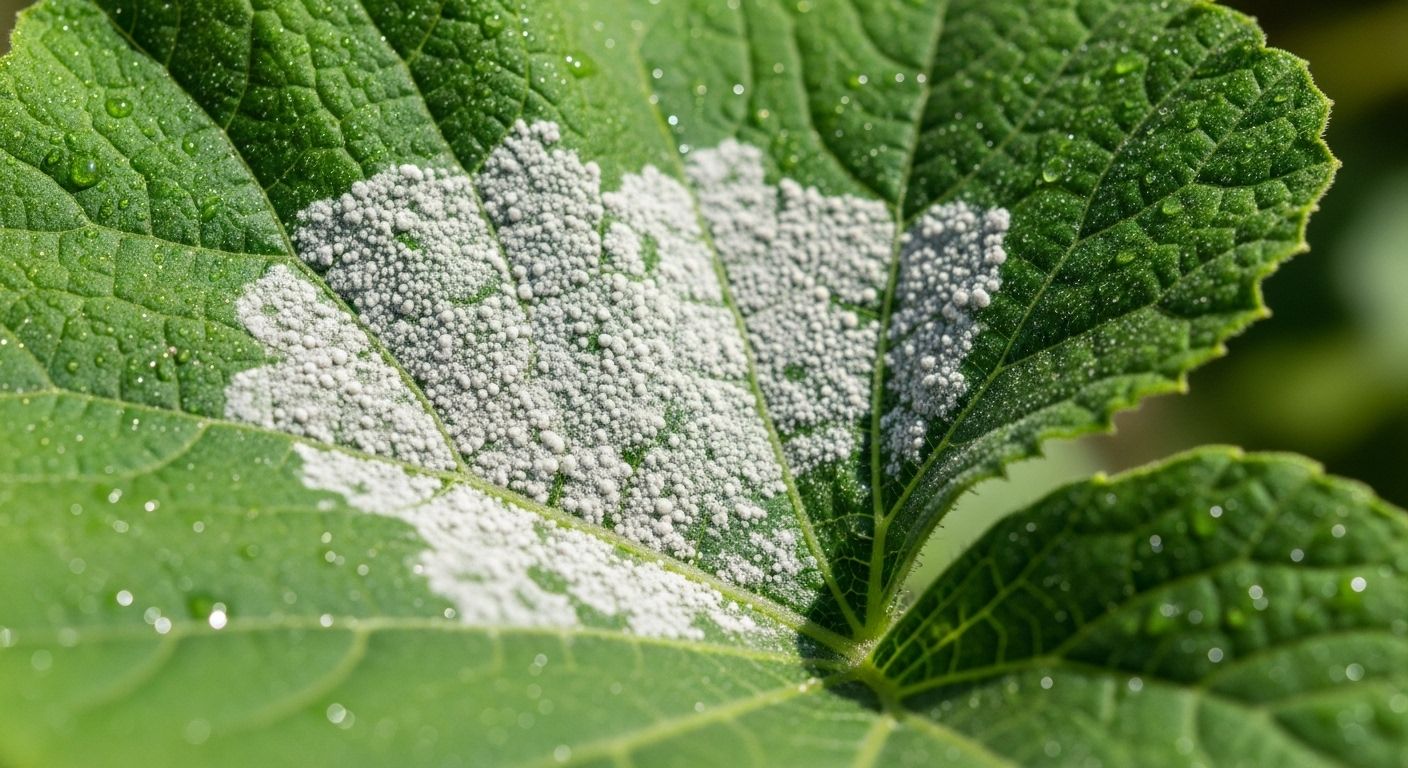
What is the physiological mechanism of powdery mildew infection on plant leaf tissue?
The physiological invasion of host plant tissue by powdery mildew is a highly coordinated biochemical process. Once the conidium has germinated and produced a germ tube, it senses the physical topography and chemical signals of the host leaf cuticle. This sensing triggers the differentiation of the germ tube tip into a specialized, swollen structure called an appressorium. The appressorium acts as an anchor, adhering tightly to the host cuticle using a sticky glycoprotein sheath. Underneath the appressorium, a highly concentrated localized force is applied via a penetration peg, which physically punctures the host cell wall.
To assist this physical penetration, the fungus secretes a cocktail of cell-wall-degrading enzymes, including cutinases, cellulases, and pectinases. Once the penetration peg breaches the cuticle and the primary cellulose cell wall, it does not rupture the host cell's plasma membrane. Instead, it invaginates the membrane, pushing into the host cell to form a highly specialized nutrient-absorbing organ called a haustorium. The haustorium is the metabolic hub of the infection; it acts as a molecular siphon, drawing soluble sugars, amino acids, and water directly from the host plant's cytoplasm while keeping the host cell alive to ensure a continuous nutrient supply.
At this cellular interface, a complex biochemical battle occurs between the host plant's defense pathways and the fungal pathogen's effectors. The host plant typically utilizes two primary defense pathways:
- The Salicylic Acid (SA) Pathway: This pathway is primarily activated in response to biotrophic pathogens like powdery mildew. It triggers systemic acquired resistance (SAR) and can lead to a hypersensitive response (HR), where the plant deliberately sacrifices infected cells to starve the pathogen.
- The Jasmonic Acid (JA) and Ethylene (ET) Pathways: These pathways are generally activated in response to necrotrophic pathogens (which kill host tissue) and herbivorous insects. They regulate the production of phytoalexins and cell wall strengthening proteins.
When the plant detects the fungal penetration peg, it attempts to block the invasion by depositing a physical barrier made of callose (a beta-1,3-glucan polymer) at the site of penetration, creating a structure known as a papilla. If the papilla is deposited rapidly enough, and if it is reinforced with reactive oxygen species (ROS) and phenolic compounds, the penetration peg is successfully blocked, and the infection fails. However, if the pathogen's effectors suppress the SA pathway, or if the plant's nutritional status is compromised, the haustorium establishes successfully, and the fungus begins to colonize the leaf surface, producing visible white, powdery mycelial mats.
Furthermore, the nutritional status of the host plant, specifically the ammonium-to-nitrate absorption ratio, heavily influences this cellular battle. When plants absorb nitrogen primarily in the form of ammonium (NH4+), they release hydrogen ions (H+) into the apoplast, lowering the apoplastic pH. This acidic shift can weaken the structural integrity of the cell wall matrix, making it easier for fungal cutinases to penetrate. Conversely, a nitrate-dominated (NO3-) nutrition regime results in the release of hydroxyl ions (OH-) or bicarbonate ions (HCO3-), raising the apoplastic pH and strengthening the cell wall against enzymatic degradation.
How can physical cultural practices and air circulation prevent fungal spore germination?
To prevent the physical establishment of fungal spores, growers must actively manage the microclimate surrounding the plant canopy. The primary goal of physical cultural practices is to eliminate the stagnant boundary layer of high humidity that clings to the leaf surfaces. This is achieved through a combination of strategic pruning, optimal crop spacing, and mechanical air movement. By increasing the velocity of air moving through the canopy, the relative humidity at the leaf-air interface is brought closer to the lower ambient humidity, which drastically reduces the viability of landing conidia.
In protected cultivation environments, such as high tunnels and greenhouses, mechanical ventilation must be calculated precisely to ensure adequate air exchange. The standard metric for effective greenhouse ventilation is the air exchange volume, calculated in Cubic Feet per Minute (CFM). To prevent fungal spore germination during peak summer humidity, the ventilation system must be capable of providing at least one complete air exchange per minute. The formula to calculate the required fan capacity is:
CFM = (V * AC) / 60
Where:
Vis the total volume of the greenhouse structure in cubic feet.ACis the desired number of air changes per hour (typically 60 for high-humidity summer management).
For a standard high tunnel measuring 30 feet wide by 96 feet long, with an average height of 12 feet, the total volume V is approximately 23,040 cubic feet. Applying the formula:
CFM = (23,040 * 60) / 60 = 23,040 CFM
To achieve this level of air movement naturally without relying entirely on mechanical fans, growers can utilize advanced structural designs. For example, implementing natural chimney effect ventilation in high tunnels leverages thermodynamics to draw cool air in through the side vents while exhausting hot, humid air through a ridge vent, dramatically reducing localized relative humidity without electrical inputs.
In outdoor field production, physical spacing and pruning are the primary tools for humidity management. Plants should be spaced according to their mature size to prevent canopies from overlapping and trapping moisture. Utilizing the MyGardenSpot garden planning tool helps growers map out precise planting grids that account for mature canopy diameters. Pruning the lower 12 to 18 inches of foliage on trellised crops (such as indeterminate tomatoes and cucumbers) removes old, senescing leaves that are highly susceptible to infection and increases ground-level airflow. This ground-level airflow accelerates the evaporation of soil moisture, preventing it from rising up into the active crop canopy.
What are the best organic preventative sprays and biological controls for powdery mildew?
When environmental conditions favor disease development, physical controls must be supplemented with organic preventative sprays and biological agents. Biological control agents (BCAs) utilize living microorganisms to suppress pathogen populations through multiple modes of action, including competitive exclusion, mycoparasitism, and the production of antimicrobial metabolites. One of the most thoroughly researched and highly effective BCAs is the bacterium Bacillus subtilis (specifically strains like QST 713). This bacterium colonizes the leaf surface, forming a physical barrier that prevents fungal conidia from finding attachment sites.
Beyond simple physical exclusion, Bacillus subtilis synthesizes a suite of powerful cyclic lipopeptides, including iturins, fengycins, and surfactins. These lipopeptides directly target the lipid bilayer of the fungal cell membrane, creating pores that leak essential ions, leading to osmotic lysis of the germinating spore. Another powerful biological agent is Streptomyces lydicus (strain WYEC 108), a soil-dwelling actinomycete that colonizes the foliage and secretes chitinases. Because fungal cell walls are composed largely of chitin, these enzymes chemically dissolve the growing hyphal tips of powdery mildew, neutralizing the pathogen before it can form an appressorium.
For contact preventatives, elemental sulfur remains the gold standard in organic agriculture. Sulfur works by interfering with the mitochondrial electron transport chain of the fungus. It acts as a direct electron acceptor, disrupting the cellular respiration and energy production of the spore. However, sulfur must be applied with extreme caution: it should never be applied when temperatures exceed 90 degrees Fahrenheit (32 degrees Celsius), as it can react with the plant's natural oils and cause severe phytotoxic leaf burn. Additionally, a minimum of 14 days must be maintained between any sulfur application and the application of oil-based sprays to prevent severe defoliation.
To optimize the timing of these biological and chemical applications, growers should consult an interactive planting calendar to cross-reference local seasonal weather patterns with crop vulnerability windows. Integrating preventative sprays into a structured calendar ensures that protective microbial populations are fully established on the leaf surfaces before the onset of sustained high-humidity summer cycles. This proactive approach is a cornerstone of professional crop planning, as detailed in the ultimate guide to crop planning for market gardeners.
How do bicarbonates and horticultural oils mechanically inhibit fungal growth?
Bicarbonate salts, such as potassium bicarbonate (KHCO3) and sodium bicarbonate (NaHCO3), offer a highly effective, low-toxicity mechanical method for controlling active powdery mildew infections. The primary mode of action is a rapid, localized shift in both pH and osmotic pressure on the leaf surface. When a bicarbonate solution is sprayed onto the foliage, the bicarbonate ions (HCO3-) dissociate. This dissociation significantly raises the pH of the moisture film on the leaf surface, shifting it from a slightly acidic or neutral state to an alkaline state (pH 8.0 to 8.5).
This alkaline shift directly disrupts the hydrogen ion gradient across the fungal cell membrane, neutralizing the membrane potential required for nutrient transport and cellular maintenance. Simultaneously, the high concentration of dissolved salts creates a hypertonic environment. Water is drawn out of the fungal hyphae and conidia via osmosis, leading to plasmolysis—the collapse of the fungal cell wall and cytoplasm. To maintain this alkaline buffer and prevent the solution from being easily neutralized by atmospheric carbon dioxide, the solution relies on the potassium bicarbonate buffering capacity, described by the Henderson-Hasselbalch equation:
pH = pKa + log([HCO3-] / [H2CO3])
Where the pKa of carbonic acid is 6.37 at 25 degrees Celsius. By maintaining a high ratio of bicarbonate to carbonic acid, the leaf surface remains highly hostile to fungal pathogens while remaining completely safe for the waxy cuticle of mature crop leaves.
To maximize the efficacy of bicarbonate sprays, they must be combined with a high-quality horticultural oil, such as neem oil, paraffinic mineral oil, or canola oil. The oil serves multiple mechanical functions:
- Surfactant Action: It reduces the surface tension of the water, allowing the bicarbonate to spread evenly across the hydrophobic waxy cuticle of the leaf rather than beading up and rolling off.
- Suffocation: The oil forms a thin, air-impermeable film over existing fungal mycelium, blocking oxygen exchange and suffocating the active fungal colonies.
- Physical Barrier: It creates a persistent hydrophobic barrier that prevents new spores from making direct physical contact with the host epidermal cells.
Bicarbonate & Horticultural Oil Spray Formulation
To prepare a highly effective, non-phytotoxic batch of this mechanical fungicide, use the following precise ratios per gallon of water:
- Potassium Bicarbonate: 1 tablespoon (approximately 15 grams) of USP-grade potassium bicarbonate. (Potassium is preferred over sodium to avoid sodium accumulation and subsequent soil salinity issues).
- Horticultural Oil: 1 to 2 tablespoons (15 to 30 mL) of cold-pressed neem oil or highly refined horticultural mineral oil.
- Liquid Surfactant: 1 teaspoon (5 mL) of organic, non-detergent liquid castile soap (this acts as an emulsifier to blend the oil and water thoroughly).
- Water: 1 gallon (3.8 liters) of clean, neutral-pH water.
Mixing Instructions: First, dissolve the potassium bicarbonate completely in the water. In a separate small container, thoroughly mix the horticultural oil with the liquid castile soap until it forms a uniform, milky emulsion. Pour the oil-soap emulsion into the bicarbonate-water solution and agitate vigorously. Apply immediately using a high-pressure sprayer, ensuring complete coverage of both the upper and lower leaf surfaces. Re-agitate the sprayer frequently during application to prevent the oil from separating.
What role does crop nutrition and silicon supplementation play in fungal disease resistance?
Plant nutrition is the foundation of systemic disease resistance. A plant suffering from nutritional deficiencies or imbalances is highly susceptible to fungal invasion. Conversely, a plant supplied with an optimal, balanced spectrum of macro- and micronutrients can actively synthesize the defensive compounds and physical barriers necessary to ward off pathogens. One of the most critical elements for combating powdery mildew is silicon (Si). Although not traditionally classified as an essential plant nutrient for all species, silicon is highly beneficial for disease resistance, particularly in accumulators like cucurbits, grasses, and solanaceous crops.
When plants absorb silicon in the form of monosilicic acid (H4SiO4) from the soil solution, it is transported through the transpiration stream to the leaves. As water transpires from the leaves, the silicic acid polymerizes into solid amorphous silica (SiO2 * nH2O), which is deposited directly into the apoplast, epidermal cell walls, and the bases of trichomes (leaf hairs). This process, known as silicification, creates a rigid, glass-like silica-cellulose matrix directly beneath the cuticle. When a powdery mildew spore attempts to penetrate the leaf using its physical penetration peg, it encounters this highly abrasive, hardened barrier, which frequently blunts or breaks the peg, halting the infection process.
Beyond physical defense, silicon acts as a biochemical modulator. Research demonstrates that silicon-supplemented plants exhibit much faster and more intense activation of their natural defense mechanisms upon pathogen attack. When a spore attempts penetration, silicon-treated plants show rapid upregulation of genes responsible for producing defense-related enzymes, such as polyphenol oxidase, peroxidase, and phenylalanine ammonia-lyase (PAL). These enzymes drive the synthesis of lignin, phytoalexins, and salicylic acid, effectively walling off the pathogen before it can establish a functional haustorium.
To support these cellular defenses, the overall nutritional profile must be carefully balanced. Excess nitrogen is a major driver of powdery mildew outbreaks. High nitrogen levels, particularly from synthetic ammonium or urea sources, stimulate rapid vegetative growth characterized by large, thin-walled cells with sparse cuticle development. This "succulent" growth is incredibly easy for fungal hyphae to penetrate. Furthermore, managing the soil chemistry and organic matter through proper composting ensures a steady, slow-release supply of these essential elements. To learn more about optimizing your soil chemistry naturally, consult the science of composting and carbon-nitrogen balance.
Additionally, root-zone pH management directly dictates the availability of these micronutrients and silicon. The ionization of organic acids used to adjust irrigation water pH (such as citric, phosphoric, or nitric acids) determines the solubility of metallic co-factors like iron, zinc, and manganese, which are critical for plant enzyme synthesis. For instance, the ionization constants of citric acid are:
Ka1 = 7.4 * 10^-4, Ka2 = 1.7 * 10^-5, Ka3 = 4.0 * 10^-7
These constants govern how citric acid buffers the irrigation solution. If the pH is not maintained within the optimal range of 5.8 to 6.5, the stability of micronutrient chelates is severely compromised. Consider the stability curves of common iron chelates:
- Fe-EDTA: Highly stable in acidic conditions but rapidly loses stability and precipitates out of solution above pH 6.0.
- Fe-DTPA: Remains stable and plant-available up to pH 7.0.
- Fe-EDDHA: Highly stable across a wide pH range, remaining functional up to pH 9.0.
If a grower uses Fe-EDTA in a high-bicarbonate, alkaline soil or water system, the iron will precipitate, leading to severe iron chlorosis. Chlorotic plants lack the metabolic energy to synthesize salicylic acid and other defense proteins, rendering them defenseless against summer powdery mildew outbreaks.
How do you design an Integrated Pest and Disease Management (IPDM) plan for summer humidity?
An Integrated Pest and Disease Management (IPDM) plan is a systematic, decision-making process designed to keep pathogen populations below economically damaging levels rather than attempting to completely eradicate them. Eradication is rarely possible and often leads to chemical resistance, environmental degradation, and high input costs. A highly effective summer IPDM plan relies on continuous monitoring, environmental risk assessment, and a tiered response schedule that scales up interventions as disease pressure increases.
To implement this plan, growers should utilize a structured risk-assessment schedule based on ambient temperature, relative humidity, and leaf wetness duration. This schedule dictates the frequency of scouting and the nature of the interventions:
IPDM Risk-Threshold Action Schedule
Low Risk
- Environmental Criteria: Relative Humidity < 60%, Ambient Temperatures > 90 degrees Fahrenheit (32 degrees Celsius).
- Monitoring Frequency: Bi-weekly scouting of highly susceptible indicator crops (e.g., squash, cucumbers).
- Action Protocol: Standard cultural maintenance. Ensure optimal pruning and weed control to maintain airflow. No preventative sprays required.
Moderate Risk
- Environmental Criteria: Relative Humidity 60% to 80%, Ambient Temperatures 75 to 85 degrees Fahrenheit (24 to 29 degrees Celsius).
- Monitoring Frequency: Twice-weekly intensive scouting of all susceptible crop zones.
- Action Protocol: Initiate preventative biological applications. Apply Bacillus subtilis or Streptomyces lydicus every 7 to 10 days. Ensure irrigation is scheduled strictly for early morning to allow foliage to dry rapidly.
High Risk
- Environmental Criteria: Relative Humidity > 80%, Ambient Temperatures 68 to 80 degrees Fahrenheit (20 to 27 degrees Celsius) with prolonged leaf wetness.
- Monitoring Frequency: Daily scouting of all susceptible varieties.
- Action Protocol: Deploy active contact preventatives and mechanical inhibitors. Apply potassium bicarbonate combined with horticultural oil on a strict 7-day schedule. If active lesions are identified, spot-treat immediately with therapeutic organic fungicides (such as copper octanoate) to halt spore production.
In complex closed-loop agricultural systems, such as aquaponics, designing an IPDM plan requires managing unique biological interactions. For example, the tilapia respiration interaction in the aquaculture tank significantly impacts the entire system's chemistry. As tilapia biomass and water temperatures rise in the summer, fish respiration rates increase dramatically, releasing large quantities of dissolved carbon dioxide (CO2) into the water. This dissolved CO2 shifts the carbonic acid equilibrium, lowering the water pH. To protect both fish health and plant nutrient uptake, growers must buffer the water, often using potassium hydroxide or potassium bicarbonate. Fortuitously, this potassium bicarbonate buffering serves a dual purpose: it stabilizes the system pH while providing the essential potassium and bicarbonate ions that can be foliar-sprayed to suppress powdery mildew on the crops above.
For commercial growers, particularly those operating Community Supported Agriculture (CSA) farms, this level of precise disease management is directly tied to business viability and marketing success. To fund these advanced IPDM systems, growers must optimize their local marketing funnels to secure stable, high-value customer commitments. This requires a sophisticated digital marketing strategy:
- Local Directory & Google Business Profile (GBP) Authority: Optimize your GBP with highly localized geographical authority structures. Post weekly updates featuring your healthy, disease-free crops, and use geo-targeted keywords to attract nearby members looking for premium local produce.
- Keyword Intent Classification: Target high-intent informational and transactional search terms (e.g., "best organic CSA near me" or "how to get fresh organic vegetables weekly").
- On-Page Schema Mapping: Implement structured Article and Product schema on your website to display rich snippets in local search engine results, driving higher click-through rates.
- Landing Page Conversion Optimization: Build high-converting landing pages for your CSA subscriptions. Track conversion rates using the standard formula:
Conversion Rate (%) = (Total Signups / Total Unique Visitors) * 100
- Email Sequence Funnels: Nurture leads with automated email sequences that educate prospective members on your sustainable farming practices, your scientific IPDM methods, and the superior quality of your produce. Monitor open rates (aim for > 35%) and click-through rates (aim for > 5%) to continuously refine your messaging.
- Marketing ROI Break-Even Matrix: Calculate the exact financial viability of your marketing spend to ensure profitability:
Break-Even Members = Fixed Marketing Costs / (Membership Price - Variable Cost per Member)
By securing a loyal, highly profitable local customer base through these advanced marketing strategies, commercial growers can comfortably offset the operational costs of implementing rigorous IPDM protocols, state-of-the-art ventilation systems, and premium organic inputs.
How can resistant cultivars and crop rotation reduce long-term soil-borne fungal inoculums?
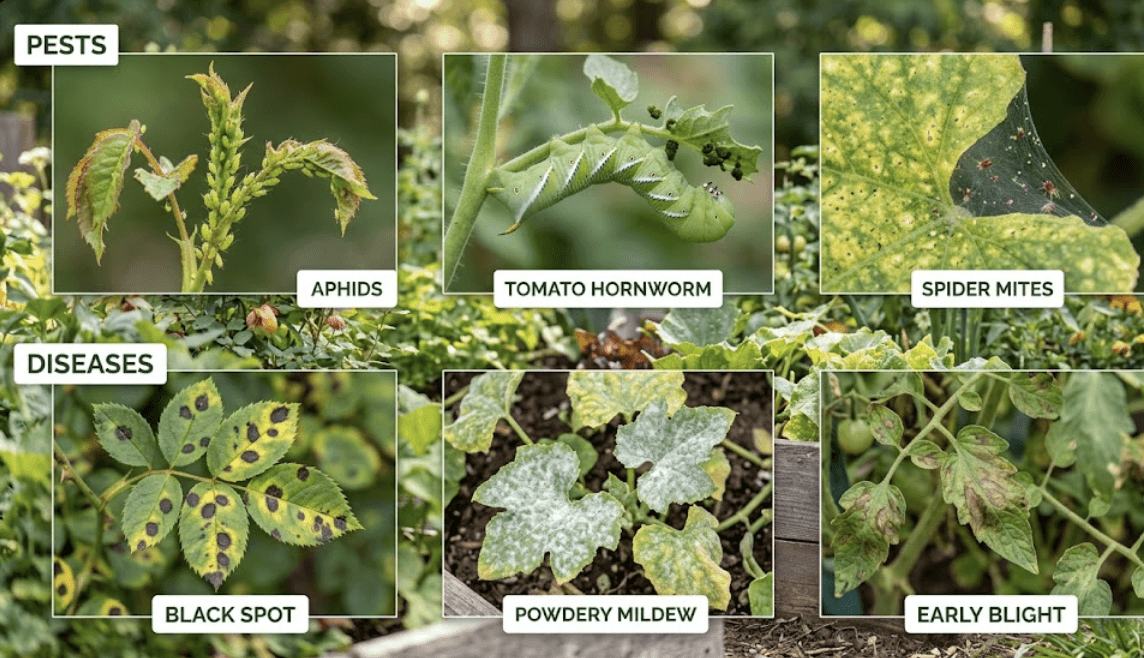
While foliar sprays and cultural modifications are essential for managing active summer outbreaks, long-term disease suppression relies on genetic resistance and crop rotation to break the pathogen's life cycle. Many fungal pathogens, including certain strains of powdery mildew, downy mildew, and early blight, produce specialized survival structures designed to withstand harsh winter conditions. In the case of powdery mildew, these sexual overwintering structures are called chasmothecia (formerly known as cleistothecia). Chasmothecia are thick-walled, melanized structures that form on senescing leaf tissue in late autumn. They fall to the soil or remain on crop debris, protecting the asci and ascospores from freezing temperatures.
When warm, humid spring and summer conditions return, these chasmothecia absorb moisture, rupture, and release wind-borne ascospores that initiate the primary infection cycle on susceptible host plants. If a grower plants the same susceptible crop family in the same soil year after year, the concentration of these overwintering structures increases exponentially, leading to severe, uncontrollable outbreaks early in the growing season. Implementing a strict crop rotation plan is the most effective way to deplete this soil-borne inoculum. By rotating non-susceptible plant families through a specific plot over a three- to four-year cycle, the overwintering spores germinate in the absence of a viable host and naturally die out.
| Crop Family | Susceptible to Cucurbit Mildew? | Recommended Rotation Interval | Ideal Follow-up Crop Family |
|---|---|---|---|
| Cucurbitaceae (Squash, Melon, Cucumber) | Yes (Highly Susceptible) | 3 - 4 Years | Fabaceae (Legumes / Nitrogen Fixers) |
| Solanaceae (Tomato, Pepper, Eggplant) | No (Different Pathogen Strain) | 3 Years | Brassicaceae (Cole Crops) |
| Fabaceae (Peas, Beans) | No (Different Pathogen Strain) | 2 - 3 Years | Cucurbitaceae (After soil rest) |
| Poaceae (Cover Crops / Rye, Oats) | No | Annual | Any Vegetable Family |
In addition to crop rotation, selecting disease-resistant cultivars is a highly effective preventative measure. Plant breeders select for resistance by identifying and breeding genes that code for specific physical and biochemical defense mechanisms. For example, many modern hybrid squash and cucumber varieties are bred with specific "pm" (powdery mildew) resistance genes. These genetic traits can manifest as thicker cuticular waxes, faster papillae deposition at penetration sites, or elevated baseline levels of salicylic acid within the plant tissue.
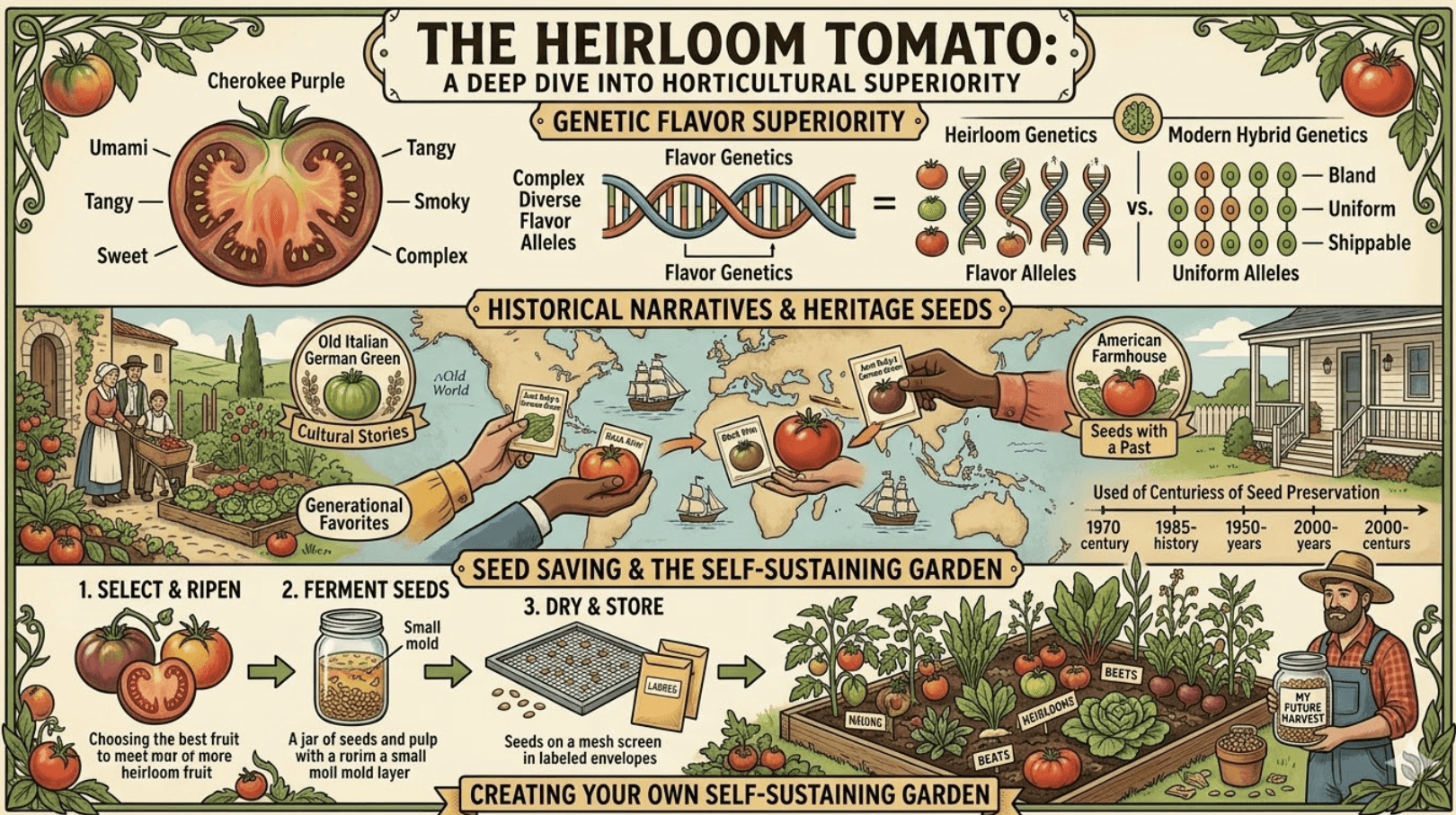
When planning your garden layout and selecting seed varieties, it is highly beneficial to understand the differences between heirloom and hybrid varieties. While heirloom varieties are prized for their exceptional flavor and historical significance, they often lack robust, multi-gene resistance to aggressive fungal pathogens. Modern hybrids, on the other hand, are specifically bred to combine high yields with broad-spectrum disease resistance. For a detailed analysis of how to balance these choices in your production system, read our comprehensive heirloom vs hybrid gardening guide.
By combining genetic resistance with a rigorous crop rotation schedule, you actively disrupt the evolutionary adaptation of the pathogen. This dual-layered defense strategy prevents the selection of super-strains that can bypass single-gene resistance, ensuring that your garden or commercial farm remains highly productive, resilient, and free from devastating fungal epidemics for years to come.
Expert Insights & FAQs
How does high relative humidity promote powdery mildew and fungal pathogen spores?
High relative humidity promotes fungal pathogens by creating a microscopic moisture boundary layer on leaf surfaces, which triggers spore germination, facilitates germ tube elongation, and prevents spore desiccation. While powdery mildew can germinate at lower liquid water levels than other fungi, elevated ambient humidity remains the primary driver of rapid spore release and colonization.
What is the physiological mechanism of powdery mildew infection on plant leaf tissue?
Powdery mildew infects host tissue by germinating a conidium, forming an appressorium to physically anchor to the leaf, and utilizing specialized enzymes to penetrate the cuticle. Once inside, it develops a haustorium within the epidermal cell to extract nutrients and water without immediately killing the host cell.
How can physical cultural practices and air circulation prevent fungal spore germination?
Physical cultural practices and air circulation prevent fungal spore germination by disrupting the boundary layer of stagnant, humid air surrounding the leaves, thereby accelerating transpiration and drying leaf surfaces. Techniques such as strategic pruning, wide plant spacing, and mechanical ventilation exhaust humid air and lower localized relative humidity below critical infection thresholds.
What are the best organic preventative sprays and biological controls for powdery mildew?
The best organic preventative sprays and biological controls include beneficial microbes like *Bacillus subtilis* and *Streptomyces lydicus*, which produce antifungal lipopeptides and compete for space. Additionally, copper fungicides, sulfur dusts, and botanical oils act as highly effective contact preventatives by disrupting fungal cell membranes and inhibiting spore germination upon contact.
How do bicarbonates and horticultural oils mechanically inhibit fungal growth?
Bicarbonates and horticultural oils mechanically inhibit fungal growth by altering the osmotic pressure and pH on the leaf surface, which collapses fungal hyphae and spores. The oil simultaneously suffocates existing mycelium, acts as a physical barrier against new infections, and improves the spreading and sticking efficacy of the bicarbonate solution.
What role does crop nutrition and silicon supplementation play in fungal disease resistance?
Crop nutrition and silicon supplementation play a critical role by strengthening the physical and chemical defenses of plant cells. Silicon accumulates in the leaf epidermis and trichomes, forming a rigid silica-cellulose barrier that resists mechanical penetration by fungal hyphae, while balanced nutrition prevents excess nitrogen from creating weak, susceptible vegetative growth.
How do you design an Integrated Pest and Disease Management (IPDM) plan for summer humidity?
Designing an IPDM plan for summer humidity involves establishing systematic monitoring thresholds, integrating cultural and biological controls, and scheduling targeted organic treatments based on local weather forecasts. This structured approach minimizes chemical reliance, prevents pathogen resistance, and maintains ecological balance by only intervening when environmental disease pressures reach critical action thresholds.
How can resistant cultivars and crop rotation reduce long-term soil-borne fungal inoculums?
Resistant cultivars and strategic crop rotation reduce long-term soil-borne fungal inoculums by depriving host-specific pathogens of their required plant tissue, thereby breaking their reproductive cycles. Cultivars bred with specific resistance genes actively block fungal colonization, while rotating non-susceptible plant families prevents the accumulation of overwintering chasmothecia and spores in the soil.
Johnnie McCormick
Zone 7b/8a - North Central Alabama
Johnnie McCormick is a gardening hobbyist and the founder of My Garden Spot. Raised in north-central Alabama, his passion for gardening began in his youth. In 2008, he established a large market garden, teaching himself high-yield growing methods. In the years since, he has operated seasonal seedling sales for transplants, specializing in heirloom tomatoes, peppers, eggplants, decorative ground covers like Ajuga (Bugleweed), marigolds, nasturtiums, and fresh kitchen-window herb arrangements (basil, cilantro). Today, he gardens in the hills between Birmingham and Jasper, Alabama (Zone 7b/8a), sharing practical, community-focused gardening resources.
Verified Authoritative Citations & References
In alignment with our strict E-E-A-T research and verification guidelines, this guide cross-references data from the United States Department of Agriculture (USDA) and Cooperative Extension Service programs.
- Cornell Cooperative Extension: Home Vegetable Gardening Guide and vegetable variety recommendations. gardening.cals.cornell.edu
- Penn State Extension: Master Gardener Manual and companion planting matrices. extension.psu.edu
- Alabama Cooperative Extension System (ACES): Raised bed construction plans and regional seed planting calendars. aces.edu
- USDA NRCS: Cover crops and biological soil health guidelines. nrcs.usda.gov

Please log in to view comments.