Vegetable Guide: Cultivating Crisphead Lettuce in Raised Beds

Vegetable Guide: Cultivating Crisphead Lettuce in Raised Beds
In the modern culinary world, Crisphead lettuce—commonly known as Iceberg lettuce—has a terrible reputation.
For decades, chefs and food critics have mocked it as "crunchy water." It has been entirely sidelined by more fashionable, deeply pigmented greens like artisanal mesclun mixes, baby arugula, and dark lacinato kale. We have been conditioned to believe that Iceberg lettuce is a nutritionally void, flavorless vehicle for heavy ranch dressing.
However, that terrible reputation was earned by the industrial agricultural system, not by the plant itself.
The Iceberg lettuce you buy at a supermarket is a tragic ghost of what the plant is supposed to be. It was grown in chemically sterilized soil in California, harvested by machine, shipped in a refrigerated truck for three thousand miles, and stored in a warehouse for two weeks before you ever put it in your shopping cart.
When you grow a Crisphead lettuce in biologically active, compost-rich soil and harvest it at the precise moment of peak maturity, it is a culinary revelation. A true, farm-fresh Crisphead is incredibly dense. It is heavy in the hand. When you cut it open, the interior leaves are a vibrant, creamy yellow-green, and they are bursting with sweet, highly hydrated cellular structure. It delivers a satisfying, shattering crunch that no other leafy green can possibly replicate.
For the market gardener, mastering Crisphead lettuce is highly lucrative. While a bag of baby greens wilts in three days, a properly harvested Crisphead can last for weeks in cold storage, and customers will gladly pay a premium for a massive, flawless head of locally grown Iceberg.

Seed Biology: Navigating Photodormancy and Thermodormancy
Lettuce (Lactuca sativa) is one of the most temperamental seeds to germinate because it possesses two specific biological defense mechanisms: photodormancy and thermodormancy.
Photodormancy: Lettuce seeds require physical exposure to light in order to germinate. If you plant a lettuce seed and bury it under half an inch of heavy potting soil, it will simply sit there, dormant, forever. You must sow the seeds on the absolute surface of the soil, pressing them gently into the dirt to ensure soil contact, but leaving them exposed to the ambient light.
Thermodormancy: Lettuce is a cool-weather crop. The seeds are biologically programmed to prevent germination during the heat of summer. If the soil temperature exceeds 75°F (24°C), the seed enters thermodormancy and refuses to sprout. If you are trying to start a fall crop of Crisphead lettuce during the sweltering heat of August, you cannot start them in a hot greenhouse. You must start them indoors, in a cool basement or an air-conditioned room, under LED grow lights.
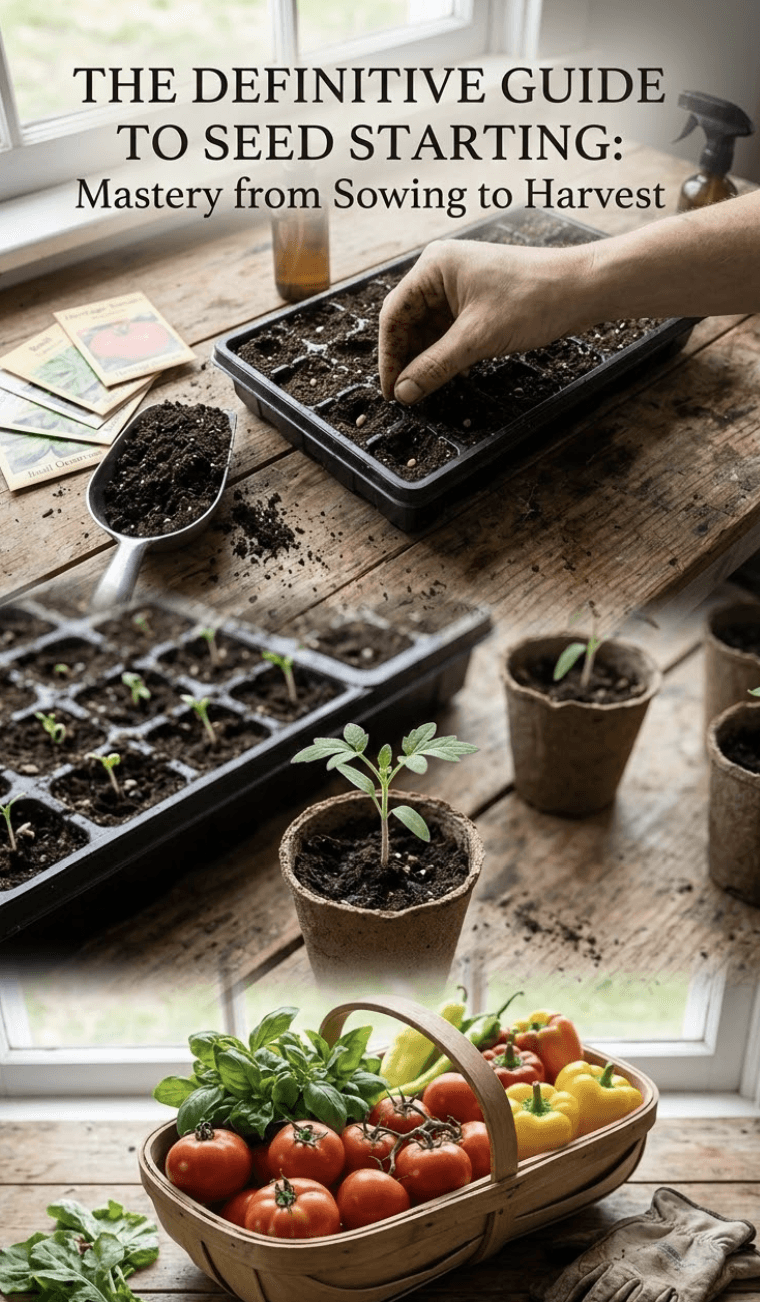
Because lettuce seeds are incredibly tiny and shaped like tiny slivers of paper, handling them is difficult. Professional growers almost exclusively use pelleted seed—where the tiny seed is coated in an inert clay sphere—allowing for fast, accurate seeding into soil blocks or plug trays.
Bed Preparation and the Necessity of Raised Beds
Unlike a loose-leaf lettuce that you harvest as a baby green after thirty days, a Crisphead lettuce requires seventy to eighty days to fully mature and form a massive, tightly wound head.
During that time, it is an incredibly heavy feeder. It requires massive amounts of nitrogen to sustain its rapid vegetative growth, and it requires consistent, even moisture to prevent the leaves from turning bitter.
However, lettuce has a very shallow, fibrous root system. It cannot punch through compacted clay to find water or nutrients. Therefore, you must cultivate it in deeply amended, loose soil.
Furthermore, Crisphead lettuce is uniquely susceptible to a devastating fungal disease known as Bottom Rot (Rhizoctonia solani). This pathogen thrives when the lowest, widest wrapper leaves of the lettuce sit in stagnant, saturated mud.
To mitigate this, you must grow Crisphead lettuce in raised beds. A raised bed physically elevates the root zone above the surrounding grade, guaranteeing fast, efficient drainage. When a torrential thunderstorm hits, the water immediately drains out of the raised bed, preventing the soil from becoming a waterlogged swamp and keeping the delicate wrapper leaves relatively dry.
The Mathematics of Crisphead Spacing
The most common mistake new growers make with Crisphead lettuce is crowding the plants.
If you are growing a cut-and-come-again mesclun mix, you want the plants packed tightly together. But a Crisphead lettuce is essentially a biological sphere that requires a massive physical footprint.
A mature head of Iceberg lettuce, including its outer wrapper leaves, can easily span fourteen inches in diameter. If you plant the seedlings six inches apart, they will physically crash into each other as they grow. They will compete fiercely for sunlight, water, and soil nutrients. When a Crisphead lettuce is stressed by crowding, it simply will not "head up." It will remain a loose, floppy rosette of bitter leaves.
You must give them space. The absolute minimum spacing for a commercial Crisphead crop is 12 inches by 12 inches, planted in a staggered grid.
While it looks like you are wasting a massive amount of bare soil when you first transplant the tiny seedlings, within five weeks, those plants will explode in size, and the massive leaves will completely form a closed canopy over the bed, naturally suppressing any weed germination below.
The Bolting Danger and Lactucarium Production
Lettuce is highly sensitive to photoperiod (the length of the day) and environmental temperature.
The biological goal of the lettuce plant is not to feed you; its goal is to reproduce. When the days get long (nearing the summer solstice) and the temperatures spike above 80°F, the lettuce plant receives a biological signal that summer has arrived and it is time to go to seed.
This process is called bolting.
The moment a lettuce plant begins to bolt, two things happen simultaneously. First, the core of the lettuce elongates, preparing to shoot a tall, vertical flower stalk up into the air. Second, the plant rapidly produces a milky white sap called lactucarium.
Lactucarium contains concentrated alkaloids. It is the plant's defense mechanism to deter insects from eating its precious flower stalk. To a human palate, lactucarium is intensely, overwhelmingly bitter.
Once a lettuce head begins to bolt and produce this milky sap, the crop is entirely ruined. It is inedible. You must monitor your Crisphead crop daily as it nears maturity. The head should feel firm and tight when you squeeze it gently. If you wait even three days too long during a heatwave, the entire bed will turn bitter.
Pest Management: Defeating the Slugs
Because Crisphead lettuce creates a dense, shady, incredibly humid microclimate beneath its wrapper leaves, it is a paradise for slugs.
Slugs will hide in the dirt during the heat of the day and emerge at night to chew massive, ragged holes through the outer leaves of the lettuce. If a slug crawls into the interior of the head, the slime and feces it leaves behind will cause the core to rot from the inside out.
If you are operating an organic market garden, you cannot use highly toxic chemical slug baits (like metaldehyde). Instead, you must use a certified organic bait containing Iron Phosphate.
Iron phosphate is a naturally occurring soil mineral. When a slug consumes the bait, the iron destroys its digestive system, causing it to stop feeding immediately and die within a few days. However, iron phosphate is completely harmless to humans, birds, earthworms, and predatory beetles. You should aggressively broadcast iron phosphate pellets around the perimeter of the raised bed the exact same day you transplant the lettuce seedlings.

Harvesting Mechanics and Hydro-Cooling
You must harvest Crisphead lettuce early in the morning, right at sunrise.
During the night, the plant transpires very little, allowing the cells to gorge themselves on water. At sunrise, the lettuce is at its absolute peak of turgidity (crispness). If you wait until 2:00 PM to harvest, the sun will have drawn moisture out of the leaves, and the head will be limp and rubbery.
The Cut
To harvest, use a sharp, dedicated field knife. Push the massive outer wrapper leaves down toward the dirt with your non-dominant hand, exposing the thick white core at the base of the head. Slice cleanly through the core in one smooth motion.
Immediately peel off the lowest three or four wrapper leaves. These leaves are usually bruised, covered in dirt, and harbor slug damage. By stripping them off in the field, you reveal a perfectly clean, pristine, tight head of lettuce. Leave the dirty wrapper leaves in the aisle to compost back into the soil.
Hydro-Cooling
The moment you cut the core, the lettuce begins to die. It is filled with "field heat"—the ambient temperature of the environment. If you pack a crate of 70°F lettuce heads into a box, they will literally cook themselves in their own respiration heat, wilting within hours.
You must immediately plunge the harvested heads into a massive vat of ice-cold water. This process is called hydro-cooling.
The ice water rapidly sucks the field heat out of the core of the lettuce, bringing the internal temperature of the head down to 35°F within minutes. It also simultaneously washes away any residual dirt or aphids hiding in the outer leaves.
After a five-minute soak in the ice bath, the heads are removed, allowed to drain briefly, and packed into waxed cardboard boxes. They must immediately go into the walk-in cooler.
For advanced metrics on the respiratory rates of lettuce and optimal post-harvest chilling timelines, the UC Davis Postharvest Technology Center is the premier academic authority in the world.
Conclusion: The King of the Crunch
Growing Crisphead lettuce is not as easy as growing a fast crop of radishes or a forgiving bed of kale. It requires precise spacing, aggressive slug management, and flawless timing to beat the summer heat and avoid bolting.
But when you pull a perfectly dense, ice-cold head of homegrown Crisphead lettuce out of the wash station, and you slice it open to reveal that sweet, shattering, watery crunch, you realize exactly why this plant dominated the agricultural landscape for a century. It is a masterpiece of texture.
Expert Insights & FAQs
Is crisphead lettuce a "cut and come again" crop?
No. Unlike loose-leaf varieties (like mesclun or oakleaf) which can be sheared off and will regrow new leaves, a crisphead is a terminal harvest. Once the dense central head forms and you cut it at the base, the plant's lifecycle is finished. You must pull the remaining root ball and compost it.
How do I keep slugs out of my lettuce in a raised bed?
Slugs thrive in the cool, damp environment beneath the heavy wrapper leaves of a crisphead. To protect them, water your raised beds in the morning so the soil surface dries by nightfall (when slugs feed). You can also apply organic iron phosphate slug bait or encircle the base of the lettuce with crushed eggshells.
How much water does crisphead lettuce need?
Crispheads require highly consistent, even moisture to maintain their cellular turgidity. Aim for 1 to 2 inches of water per week, applied deeply. Raised beds drain quickly, so you may need to water every two days during warm, windy spring weather. A layer of straw mulch will help lock in surface moisture.
What are the black, dead edges on the inside of my lettuce head?
This is a physiological disorder called "Tipburn." It is caused by a localized calcium deficiency in the tightly packed inner leaves, resulting from irregular watering. Because the inner leaves do not experience evaporation, calcium cannot flow to them if the soil moisture drops. Ensure your raised bed never dries out.
Do I need to start crisphead lettuce seeds indoors?
While you can direct-sow them, starting crisphead seeds indoors is highly recommended. It allows you to perfectly control the germination temperature and gives the plants a 4-to-6-week head start, ensuring they reach maturity and form heads before the heat of late spring triggers bolting.
Why did my lettuce suddenly grow a tall stalk and turn bitter?
This is called "bolting." It is the plant's natural transition from leaf production to seed production, triggered by long days (over 13 hours of sunlight) or high temperatures (above 75°F). The bitterness comes from *lactucopicrin*, a white sap produced to deter pests while the plant sets seed.
Can I grow crisphead lettuce in the middle of summer?
In most temperate zones, no. Crisphead is an obligate cool-weather crop. If you attempt to grow it in the heat of summer, it will immediately bolt (go to seed) and turn incredibly bitter. Summer cultivation is only possible in far northern climates or with aggressive use of 40% density shade cloths and daily watering.
Why won't my crisphead lettuce form a dense head?
This is usually caused by spatial overcrowding or high heat. Crispheads require a strict 12-inch by 12-inch spacing radius. If their wrapper leaves touch neighboring plants, they receive a biological signal to remain in a loose, open rosette. Additionally, if temperatures remain above 75°F, the plant will refuse to head.
Johnnie McCormick
Zone 7b/8a - North Central Alabama
Johnnie McCormick is a gardening hobbyist and the founder of My Garden Spot. Raised in north-central Alabama, his passion for gardening began in his youth. In 2008, he established a large market garden, teaching himself high-yield growing methods. In the years since, he has operated seasonal seedling sales for transplants, specializing in heirloom tomatoes, peppers, eggplants, decorative ground covers like Ajuga (Bugleweed), marigolds, nasturtiums, and fresh kitchen-window herb arrangements (basil, cilantro). Today, he gardens in the hills between Birmingham and Jasper, Alabama (Zone 7b/8a), sharing practical, community-focused gardening resources.
Verified Authoritative Citations & References
In alignment with our strict E-E-A-T research and verification guidelines, this guide cross-references data from the United States Department of Agriculture (USDA) and Cooperative Extension Service programs.
- Cornell Cooperative Extension: Home Vegetable Gardening Guide and vegetable variety recommendations. gardening.cals.cornell.edu
- Penn State Extension: Master Gardener Manual and companion planting matrices. extension.psu.edu
- Alabama Cooperative Extension System (ACES): Raised bed construction plans and regional seed planting calendars. aces.edu
- USDA NRCS: Cover crops and biological soil health guidelines. nrcs.usda.gov

Please log in to view comments.