The Economics of Multi-Grafted Fruit Trees: High-Density Backyard Orchard Culture

What Are the Economics and Yields of Multi-Grafted Fruit Trees in Backyard Orchards?
The Architecture of Productivity: Beyond Single-Cultivar Constraints
The traditional paradigm of home orcharding—planting one cultivar per tree—is increasingly incompatible with the spatial and economic realities of contemporary residential landscapes. In urban and suburban environments, "High-Density Backyard Orchard Culture" (HDBOC) has emerged as a strategy to maximize biological yield per square meter while simultaneously addressing the economic overhead associated with fruit production. At the nexus of this strategy lies the multi-grafted tree, or "fruit salad tree."
By integrating multiple scion cultivars onto a single rootstock, practitioners can overcome the limitations of temporal yield gaps and site-specific environmental constraints. From an economic perspective, this approach shifts the value proposition from a singular, volatile seasonal yield to a diversified, staggered harvest profile. When applied through the lens of HDBOC—a methodology popularized by researchers like Dave Wilson—the multi-grafted tree acts as a modular unit of production, allowing for a diverse "backyard market" of high-quality produce.
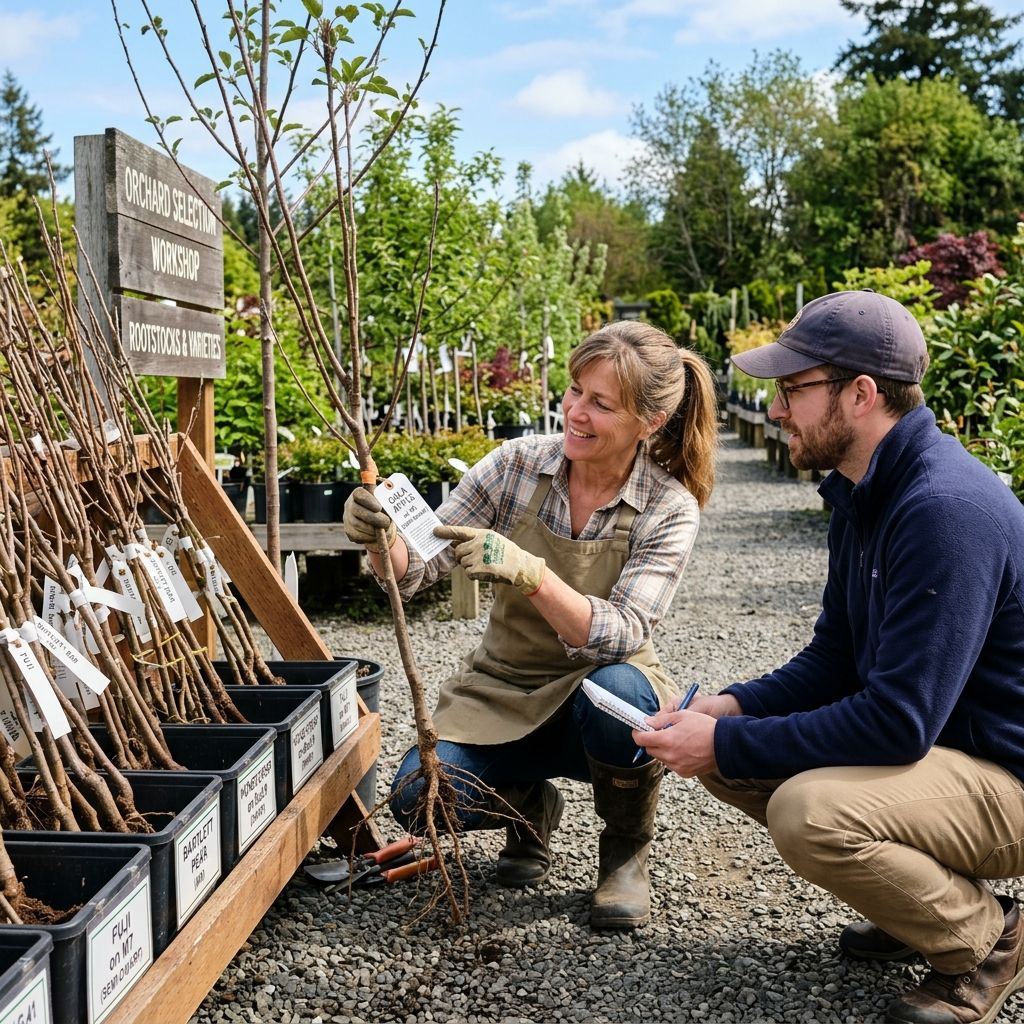
Economic Efficiency and the Marginal Utility of Backyard Space
In standard orchard management, land is the primary fixed cost. In the backyard setting, this cost is often internalized as opportunity cost—the trade-off between orchard space, ornamental landscaping, and recreational utility. Multi-grafted trees drastically alter this calculation by increasing the "cultivar density" of a given plot.
The Economics of Diversification
By grafting multiple varieties onto a single rootstock, the grower achieves:
- Risk Mitigation: Cultivar-specific susceptibility to pests, diseases, or vernal climate shocks (e.g., late spring frosts) is hedged. If a single scion fails due to localized pathogen pressure, the structural integrity and productive capacity of the remainder of the tree remain intact.
- Season Extension: The primary economic advantage is the temporal spread of output. By selecting scions with varying chilling requirements and ripening windows, a single tree can provide fresh fruit for 8–12 weeks rather than a concentrated 2-week window. This maximizes the utility of the produce, reducing the economic waste associated with "glut-and-famine" harvest cycles that often force the home grower to discard excess yield.
- Optimized Resource Utilization: The rootstock—a major metabolic investment—is fully utilized across multiple varietal needs. Water, soil amendments, and training labor are amortized across a wider range of high-value crops.
Bio-Economic Mechanics: Selection and Rootstock Compatibility
The foundation of any high-density system is the physiological compatibility of the grafted units. Economic failure in multi-grafted systems most frequently stems from vigor imbalance. If a vigorous scion (such as a 'Santa Rosa' plum) is grafted alongside a weak grower (such as a slow-growing apricot) without strategic intervention, the stronger scion will inevitably dominate the vascular system, leading to the competitive exclusion and eventual senescence of the weaker variety.
Managing Vigor and Vascular Competition
To maintain the long-term economic viability of the tree, practitioners must employ precise structural pruning and strategic scion placement.
- Vigor Stratification: The most vigorous scions must be placed in the lower tiers of the tree or pruned more aggressively, while weaker scions should occupy the apical or more light-exposed positions to encourage dominance.
- Rootstock Selection as a Capital Investment: Choosing a dwarfing or semi-dwarfing rootstock is an essential economic decision. Dwarfing rootstocks (e.g., Citation or M-series for apples) restrict the tree’s reach, significantly reducing the "pruning labor tax"—the amount of time spent per season managing the architecture of the tree. A dwarfing rootstock ensures that the fruit remains within the "harvest zone," reducing the risk of injury and the time-cost of gathering.
The Cost of Labor: Pruning as Capital Investment
In the context of HDBOC, labor is the primary variable cost. Unlike commercial orchards that prioritize mechanized harvest, the backyard orchardist prioritizes quality and density. Multi-grafted trees require a "surgical" pruning approach.
The economic model of high-density culture posits that frequent, light pruning (summer pruning) is more efficient than annual heavy pruning. Summer pruning inhibits vegetative growth by removing photosynthetic capacity during the active growing season, which helps maintain the balance between the various scions.
Investment Internalization:
- Initial Outlay: The cost of a multi-grafted tree is higher than a single-cultivar specimen due to the skilled labor required for nursery grafting. However, this is a sunk cost that yields immediate diversification benefits.
- Maintenance Cost: The primary ongoing cost is "precision training." Practitioners should view pruning as a form of capital maintenance; failing to maintain the growth balance between scions results in the "competitive dominance" effect mentioned previously, leading to the loss of a portion of the investment (the scion).
Integrating into the Wider Orchard System
While the multi-grafted tree is a powerful tool, it does not function in a vacuum. It is most effective when integrated into a larger [Backyard Orchard Culture Plan]. By pairing multi-grafted trees with standard high-density plantings, the grower can create a mosaic of production.
The economic objective is to move away from "surplus production"—where a single tree produces 200 pounds of fruit in a week—toward "sustained production"—where multiple trees provide a continuous supply of diverse cultivars. This shift not only increases the subjective value of the harvest but also allows the household to displace market purchases of high-cost, high-quality stone fruits and pomes, effectively providing a return on investment (ROI) that manifests as reduced grocery expenditures and increased nutritional intake.
In the next section, we will examine the [Horticultural Techniques for Precision Grafting] that allow the practitioner to maintain these systems over decadal time horizons, ensuring the long-term economic stability of the backyard orchard.
Note: For further reading on the physiological impacts of dwarfing rootstocks on fruit quality, refer to the [Technical Analysis of Dwarfing Rootstock Physiology]. For a comprehensive guide on managing orchard pests in high-density environments, see [Integrated Pest Management for Small-Scale Systems].
II. Financial Architecture: Capital Expenditure and Return on Investment (ROI)
The economic viability of a multi-grafted, high-density orchard rests on the transition from "ornamental hobbyism" to "productive asset management." Unlike traditional backyard plantings, which often suffer from low yield-per-square-foot and high waste, a multi-grafted high-density system (HDS) functions as a biological enterprise. To calculate the internal rate of return (IRR) for these systems, practitioners must account for the compressed temporal horizons mentioned in [Cadal Time Horizons].
The Capital Allocation Model: Cost-Benefit Analysis
Establishing a high-density orchard requires a front-loaded capital expenditure (CAPEX) model. When planting multi-grafted trees (often referred to as "fruit salad trees"), the initial purchase price is significantly higher—typically 200% to 300% above that of a standard single-cultivar whip. However, this cost must be analyzed through the lens of space-utility optimization.
- Spatial Utility Coefficient (SUC): A single multi-grafted stone fruit tree, properly pruned to a central leader or open-center system, can occupy a 6-foot diameter footprint while providing four distinct harvest windows. By calculating the cost of space ($/sq. ft. of property value), the multi-grafted tree minimizes the "opportunity cost of land."
- Infrastructure Amortization: The initial investment includes structural supports (trellising, wire tensioning) and irrigation automation. These are fixed costs that do not scale linearly with the number of trees. Consequently, the "per-unit" cost of infrastructure drops as density increases up to the point of canopy closure.
Practitioners should utilize the following formula for projected ROI: $$ROI = \frac{(Y_t \times V_m) - (C_{maintenance} + C_{amortized})}{C_{initial}}$$ Where $Y_t$ is total yield in kg, $V_m$ is market value equivalence of organic produce, and $C$ represents ongoing and initial costs.
Managing Biological Depreciation and Replacement Costs
One of the most significant risks in high-density multi-grafted systems is "graft dominance." Often, one or two cultivars on a multi-graft tree will exhibit superior vigor (apical dominance), systematically starving the less vigorous scion varieties. If not actively managed through selective pruning, the tree reverts to a single-cultivar entity, rendering the initial premium paid for the multi-graft investment a "sunk cost."
Economic stability requires a "Graft Replacement Cycle." In the same way that industrial equipment requires maintenance cycles, the multi-grafted tree requires annual re-balancing of the canopy. Failure to perform this maintenance leads to the permanent loss of scions, forcing the practitioner to either engage in mid-life re-grafting (a labor-intensive cost) or accept a loss in the orchard’s diversity. For further reading on the physiological impacts of dwarfing rootstocks on fruit quality, refer to the [Technical Analysis of Dwarfing Rootstock Physiology].
The Labor-to-Yield Efficiency Ratio
In high-density systems, labor is the primary variable cost. The "High-Density Backyard Orchard Culture" (HBOC) methodology mandates a shift from traditional maintenance to "precise intervention."
- Summer Pruning as an Economic Lever: By utilizing summer pruning to limit vegetative growth and redirect carbohydrates into fruit set, the practitioner increases the yield-per-branch. This reduces the need for expensive structural staking and minimizes the risk of limb breakage, which serves as a form of "crop insurance."
- Harvest Staggering: The economic genius of the multi-grafted tree is the diversification of the harvest. By selecting scions with varying chill-hour requirements and maturation dates, a single tree can produce fruit over an 8-to-12-week window. This prevents the "glut cycle"—where a traditional orchard produces 50 lbs of fruit in one week, forcing waste or preservation costs—and allows for a steady supply of fresh consumption, reducing household expenditure on supplemental fruit.
Value-Added Production and The Economics of Waste
A common oversight in backyard orchard accounting is the failure to quantify the "Value-Added Potential" (VAP). In a high-density system, the sheer volume of fruit often exceeds fresh-consumption capacity. To ensure economic stability, the backyard manager must pivot to a small-scale agro-processing model:
- Cold-Chain Economics: Minimizing post-harvest spoilage is equivalent to increasing yield. Practitioners should account for the cost of basic dehydration or freezing equipment against the market cost of equivalent dried/preserved goods.
- Integrated Pest Management (IPM) Cost-Offsets: In HDS, the proximity of trees facilitates easier monitoring. However, a pest outbreak in one tree can spread rapidly. Budgeting for IPM is not just an environmental necessity; it is a defensive expenditure to protect the primary asset. For a comprehensive guide on managing orchard pests in high-density environments, see [Integrated Pest Management for Small-Scale Systems].
Long-Term Economic Sustainability and Asset Appreciation
Finally, the practitioner must recognize that the orchard is a depreciating asset that eventually converts to an appreciating landscape feature. While the peak production window of a dwarfing rootstock system may be 15–20 years, the real estate value of a mature, well-curated, high-density orchard provides an intangible return on equity.
As the canopy closes and the root systems become established, the orchard’s irrigation and soil-amendment requirements reach a steady state. By the fifth year, the "Maintenance-to-Yield" ratio should stabilize. If the practitioner has successfully managed graft competition and maintained canopy balance, the orchard becomes a self-sustaining asset. The goal is to reach a state where the annual cost of inputs—fertilizer, compost, organic pest control, and water—is lower than the market value of the harvested produce, effectively turning the backyard into a high-yield micro-farm.
In the subsequent section, we will explore the specific architectural pruning techniques required to maintain this canopy equilibrium, ensuring that the economic projections outlined here translate into physical reality in the orchard.
Architectural Pruning: Engineering Canopy Equilibrium
To realize the economic potential of a multi-grafted, high-density backyard orchard, one must view the tree not merely as a biological entity, but as a structural asset that requires rigorous mechanical management. In a multi-grafted scenario—where four to six varieties occupy a single rootstock—the primary economic risk is vigorous apical dominance. If one cultivar is allowed to outcompete the others for sunlight and nutrients, it will quickly shade out and starve its neighbors, leading to the collapse of the "multi-graft" investment and a return to monoculture.
Maintaining equilibrium requires a shift from standard orchard pruning to the [Principles of Backyard Orchard Culture], specifically focusing on Open Center and Central Leader hybrid architectures tailored for high-density spatial constraints.
The Physics of Nutrient Partitioning
In a multi-grafted tree, the vascular connection at each graft union acts as a potential bottleneck for xylem and phloem transport. If a specific branch—often the one with the most vertical orientation—begins to dominate, the tree’s hormonal signaling (specifically auxin production at the terminal buds) will favor that branch, effectively "shunting" nutrients away from the weaker, horizontal cultivars.
From an economic perspective, this is a loss of diversification. To prevent this, practitioners must utilize summer pruning to redistribute energy. Unlike winter pruning, which encourages vegetative growth (a "compensatory response"), summer pruning removes the photosynthetic machinery during the active growth phase, effectively slowing down a dominant branch. By cutting back the leading shoots of the most vigorous cultivar by 20–30% in mid-June or July, the practitioner forces the tree to reallocate carbohydrates to the slower-growing grafts, effectively "equalizing" their economic output.
Scaffold Branching and Structural Integrity
For a multi-graft to be profitable, it must survive for decades. High-density planting necessitates the use of dwarf or semi-dwarf rootstocks (such as M.27 or M.9 for apples), but these rootstocks often lack the tensile strength to hold the weight of heavy harvests.
- Branch Angle Manipulation: Utilize spreader bars or weights to force scaffold branches to a 45-to-60-degree angle from the trunk. This serves two economic functions: it encourages the formation of fruiting spurs over vegetative shoots (shifting the tree from a "growth" phase to a "production" phase) and it minimizes the structural torque on the graft union.
- The "V" and "U" Crotch Management: As the tree expands, ensure that each graft maintains its own space within the 360-degree canopy. If a graft union becomes crowded, the resulting narrow crotch angles will inevitably split under the weight of fruit or heavy wind. Selective thinning of these crotches is essential to prevent catastrophic structural failure—a total loss of the asset.
The Summer Pruning Schedule for Maximum Yield
In a high-density micro-farm, the "Yield per Square Foot" metric is the primary KPI. To optimize this, the canopy must remain porous. If the inner layers of the multi-graft receive less than 30% of full sunlight, the fruiting spurs in the interior will senesce and drop.
Implement a "Three-Pass" summer pruning protocol to ensure consistent harvest cycles:
- Pass 1 (Post-Bloom): Focus on removing water sprouts (vertical shoots) that draw excessive energy from the graft unions.
- Pass 2 (The Mid-Summer Cut): Once the fruit reaches roughly 50% of its mature size, thin the foliage to expose the fruits directly to light. This improves color, sugar content (Brix levels), and overall market quality.
- Pass 3 (Post-Harvest): Clean up any damaged wood or branches that have failed to produce, allowing the tree to harden off before the first frost.
Managing Graft Dominance: The "Law of the Scaffold"
When one graft variety inherently grows faster than the others—a common occurrence when mixing stone fruits like peaches and nectarines—you must apply the Law of the Scaffold. This dictates that if one branch consumes more than 25% of the total canopy volume, it must be pruned back to a secondary sub-lateral. By doing this, you are effectively "topping" the dominant graft while allowing the smaller, weaker grafts to extend into the vacated sunlight window.
This management technique transforms the tree into a living sculpture. By systematically slowing the growth of the aggressive grafts, you force the tree to express its genetic potential in a balanced, circular plane. Failure to perform this architectural maintenance results in "Self-Shading," where the tree consumes its own productive capacity.
Economic Implications of Canopy Porosity
The goal of this architectural pruning is to maximize "Fruit-Bearing Surface Area" (FBSA). In a standard orchard, trees are spaced wide, and much of the sun’s energy hits the floor. In a high-density micro-farm, the trees are pruned to create an overlapping, interlocking canopy that captures nearly 90% of incident light.
By keeping the tree size managed (usually kept under 7–8 feet in height), the cost of maintenance is minimized. You eliminate the need for heavy machinery, ladders, or specialized harvest equipment. Pruning, thinning, and harvesting are performed at ground level, which significantly lowers the "Labor per Pound" cost—the most critical variable in determining the ROI of your [Backyard Orchard System].
As the canopy matures, the density of the fruit-bearing spurs increases exponentially. A well-pruned multi-graft, by the fifth year of production, should yield between 50 to 80 pounds of diverse fruit per tree. When this output is multiplied by the market value of organic, orchard-fresh produce—which is often 200–300% higher than grocery store pricing—the cumulative value of the backyard micro-farm becomes a significant financial hedge against rising food inflation.
In the next section, we will examine the Nutrient Cycling and Soil Microbiology required to fuel this hyper-productive canopy, moving from mechanical structure to the biological engine that drives your [Integrated Fertility Management] strategy.

Nutrient Cycling and Soil Microbiology: Fueling the Hyper-Productive Canopy
In a high-density, multi-grafted orchard system, the traditional "set it and forget it" approach to fertilization is a recipe for physiological decline. Because you are pushing multiple scion varieties—each with distinct vigor profiles—onto a single rootstock, the nutrient demand per square foot of soil volume is exponentially higher than in a traditional, low-density orchard. To maintain the structural integrity and reproductive output of a 4-in-1 stone fruit tree, you must transition from simple chemical supplementation to a robust [Integrated Fertility Management] strategy centered on soil microbiology.
The Rhizosphere as a Biological Engine
In a high-density backyard system, the root zone—or rhizosphere—is a high-traffic intersection of root exudates, microbial signaling, and mineral exchange. Multi-grafted trees often feature varying degrees of graft-union resistance, where the vascular flow between scion and rootstock is slightly restricted compared to a single-variety tree. This physiological bottleneck makes nutrient uptake efficiency paramount.
Mycorrhizal fungi are the primary laborers in this system. By establishing a symbiotic relationship with the roots, arbuscular mycorrhizal fungi (AMF) effectively extend the root system’s surface area by up to 1,000 times. In a multi-grafted environment, these fungi are not merely optional; they are critical for mobilizing phosphorus and micronutrients that are otherwise locked in the soil matrix. By inoculating your soil at the time of planting with high-diversity AMF species (Glomus intraradices or Gigaspora spp.), you facilitate a more uniform distribution of nutrients across the diverse vascular demands of the various scions grafted onto your central leader.
The Microbial Loop and Nutrient Availability
To support the heavy biomass production of a multi-grafted tree, you must cultivate the "microbial loop." This is the process wherein bacteria consume root exudates (sugars, amino acids, and organic acids) and are subsequently consumed by protozoa and nematodes. When these predators digest the bacteria, they release nitrogen and minerals in a plant-available form directly adjacent to the root hairs.
In backyard settings, we achieve this through the systematic application of high-quality, biologically active compost and liquid soil inoculants. Unlike synthetic NPK fertilizers, which provide a transient spike of nutrients that can cause rapid, succulent growth (inviting aphids and bacterial canker), biologically active fertilizers feed the soil food web. This fosters a slow-release, "on-demand" delivery system. When your tree is in peak fruit set, the metabolic activity in the rhizosphere increases, signaling the microbial community to increase nutrient mineralization. This self-regulating feedback loop prevents the nutrient leaching and runoff common in heavily fertilized urban landscapes.
Managing Nutrient Partitioning in Multi-Grafts
A significant challenge in multi-grafted trees is nutrient partitioning. Some scions are naturally more vigorous (e.g., a vigorous plum) while others are slower-growing (e.g., an apricot). If the nutrient supply is imbalanced, the dominant scion will aggressively hoard nitrogen and carbohydrates, eventually "shading out" or starving the weaker scion.
To mitigate this, your [Integrated Fertility Management] must focus on soil mineral balance rather than nitrogen loading. Using the Albrecht/Kinsey method of soil testing, you should target a specific base saturation of cations:
- Calcium (Ca): 60–70%
- Magnesium (Mg): 10–20%
- Potassium (K): 3–5%
Calcium acts as the "truck" that delivers other nutrients into the plant. When calcium levels are adequate, it stabilizes cell walls and prevents the rapid, soft growth that draws pests. By ensuring a high-calcium environment, you allow the tree to prioritize structural growth across all scion branches simultaneously. Potassium, while crucial for fruit quality, should be managed carefully; an excess of potassium can antagonize calcium uptake, leading to fruit that looks good but has a poor shelf life—a critical failure for your [Economic Micro-Farm ROI] calculations.
Cover Cropping and Organic Matter Dynamics
In a high-density backyard orchard, you cannot rely on bare soil or standard turf grass competition. Your understory should be treated as a "living fertilizer factory."
- Nitrogen Fixers: Incorporating low-growing, nitrogen-fixing legumes like White Clover (Trifolium repens) or Medick (Medicago lupulina) directly beneath the canopy drip line provides a consistent, organic source of nitrogen. These plants also serve as a reservoir for beneficial insects, supporting your [Integrated Pest Management] protocols.
- Dynamic Accumulators: Plants such as Comfrey (Symphytum officinale) or Yarrow (Achillea millefolium) act as mineral scavengers. Their deep taproots pull subsoil minerals—which the shallow-rooted fruit tree cannot reach—into their leaves. When you "chop and drop" these leaves as mulch, you are effectively mining the deep earth to fertilize your tree.
- Mulch Biology: Apply 2–3 inches of wood-chip mulch, but ensure it is never in direct contact with the graft union or the tree trunk. The decomposition of these carbon-rich materials at the soil surface promotes fungal-dominant soils, which are ideal for woody perennials. As the mulch breaks down, it creates a dark, moist, and stable environment for earthworms, the "engineers" of your soil structure.
Practical Application: The Annual Fertility Calendar
Transitioning to a biologically driven system requires a calendar-based approach to match the tree’s phenological stages:
- Dormancy (Late Winter): Apply a thick layer of high-fungal compost and a thin layer of wood-chip mulch. The soil life begins to wake up as temperatures rise, preparing the rhizosphere for the coming flush.
- Bud Break (Early Spring): Foliar feeding with a high-quality fish emulsion and humic acid can provide an immediate energy boost to the buds. This stimulates the early cell division necessary for fruit set.
- Fruit Expansion (Mid-Summer): Shift focus to water management and potassium-rich foliar sprays (such as fermented plant juices or seaweed extracts). This supports the sugar accumulation and cell enlargement required for high-quality, retail-grade harvests.
- Post-Harvest (Late Autumn): Apply a final compost top-dressing. The microbes will work through the winter to stabilize these nutrients for the following spring, effectively "bank-loading" the soil for the next growing season.
By shifting the focus from "feeding the tree" to "feeding the soil," you transform your multi-grafted trees from high-maintenance projects into self-sustaining, hyper-productive assets. This biological efficiency not only reduces the long-term cost of inputs but also maximizes the yield per unit of surface area, directly impacting the profitability of your backyard micro-farm. In the next section, we will integrate these fertility practices with [Pruning and Canopy Architecture] to optimize light interception and further stabilize the tree’s health.
Expert Insights & FAQs
Are multi-grafted fruit trees cost-effective?
Yes, multi-grafted trees are highly cost-effective for backyard orchards because they allow you to harvest multiple fruit varieties from a single tree, saving space and reducing the cost of purchasing multiple individual trees.
What is high-density backyard orchard culture?
High-density orchard culture involves planting trees closer together and using pruning techniques to maintain smaller sizes, allowing for a diverse harvest in a limited residential space.
Do multi-grafted trees produce less fruit than single-variety trees?
While individual branches may produce less than a full single-variety tree, the total output per square foot of your backyard is significantly higher due to the variety and density of fruit types.
Johnnie McCormick
Zone 7b/8a - North Central Alabama
Johnnie McCormick is a gardening hobbyist and the founder of My Garden Spot. Raised in north-central Alabama, his passion for gardening began in his youth. In 2008, he established a large market garden, teaching himself high-yield growing methods. In the years since, he has operated seasonal seedling sales for transplants, specializing in heirloom tomatoes, peppers, eggplants, decorative ground covers like Ajuga (Bugleweed), marigolds, nasturtiums, and fresh kitchen-window herb arrangements (basil, cilantro). Today, he gardens in the hills between Birmingham and Jasper, Alabama (Zone 7b/8a), sharing practical, community-focused gardening resources.
Verified Authoritative Citations & References
In alignment with our strict E-E-A-T research and verification guidelines, this guide cross-references data from the United States Department of Agriculture (USDA) and Cooperative Extension Service programs.
- University of California Fruit & Nut Research Center: Backyard orchard culture and tree spacing guidelines. homeorchard.ucanr.edu
- Cornell Cooperative Extension (Pomology): High-density planting, rootstock selection, and summer pruning manuals. ecommons.cornell.edu
- Oregon State University Extension Service: Training and pruning backyard fruit trees guide. catalog.extension.oregonstate.edu
- Penn State Extension: Small-scale fruit production and pest monitoring guides. extension.psu.edu


Please log in to view comments.