Mastering Hydroponics: The Complete Guide to Soilless Cultivation
Mastering Hydroponics: The Complete Guide to Soilless Cultivation and System Design
1. Introduction: The Science and Evolution of Hydroponics
Hydroponics—the cultivation of plants in a soilless, nutrient-rich water solution—represents one of the most significant advancements in modern agriculture. The term is derived from the Greek words hudor (water) and ponos (labor), literally meaning "water-working." While the concept of growing plants without soil may seem like a futuristic technology, its roots trace back to ancient civilizations, from the Hanging Gardens of Babylon to the floating gardens (chinampas) of the Aztecs. Today, hydroponics is at the cutting edge of Controlled Environment Agriculture (CEA), offering growers a way to produce high-density, nutrient-dense crops year-round, regardless of local soil quality or climatic conditions.
1.1 The Roots of Soilless Cultivation
The history of soilless culture is rich and varied. Ancient cultures recognized that soil was not the only medium capable of supporting plant life. In the chinampas of Mexico, Aztec farmers constructed rafts out of rushes and mud, floating them on freshwater lakes to grow corn, beans, and squash. In the 17th century, English physician John Woodward conducted water culture experiments with spearmint, finding that plants grew better in dirty water than in distilled water, proving that soil minerals, not water alone, feed the plants. In the 1920s and 1930s, Dr. William Gericke of the University of California, Berkeley, coined the term "hydroponics" and demonstrated that commercial crops could be grown entirely in liquid solutions, paving the way for modern greenhouse production.
1.2 The Physiology of Soilless Absorption
To understand why hydroponics is so effective, we must look at how plants absorb nutrients. In soil, nutrients are bound to clay particles and organic matter, requiring roots to grow extensively to locate them. This process is energy-intensive. Roots must secrete organic acids to release mineral ions from soil particles, draw in water through osmosis, and transport these elements up the stem. In a hydroponic system, nutrients are dissolved in water as charged ions ($NO_3^-$, $K^+$, $H_2PO_4^-$). These ions are immediately available at the root surface. The plant absorbs them through passive diffusion and active transport with minimal metabolic effort. Consequently, energy that would have been used to build a massive root system is redirected to vegetative growth, leaf development, and fruit production, resulting in faster growth and larger yields.
1.3 Resource Efficiency and Environmental Sustainability
One of the most compelling arguments for hydroponics is its sustainability. Closed-loop recirculating hydroponic systems use up to 90% less water than traditional soil-based agriculture. In field farming, a significant portion of water applied to crops is lost to evaporation, weed consumption, and deep percolation below the root zone. In hydroponics, the water is contained in sealed reservoirs and channels, recirculating until the plants absorb it. Additionally, because the nutrient solution is contained, there is no runoff into local waterways, preventing the environmental pollution (eutrophication) associated with field fertilizer runoff. As arable land decreases and water scarcity increases, hydroponic systems offer a clean, efficient method to produce food near urban centers.
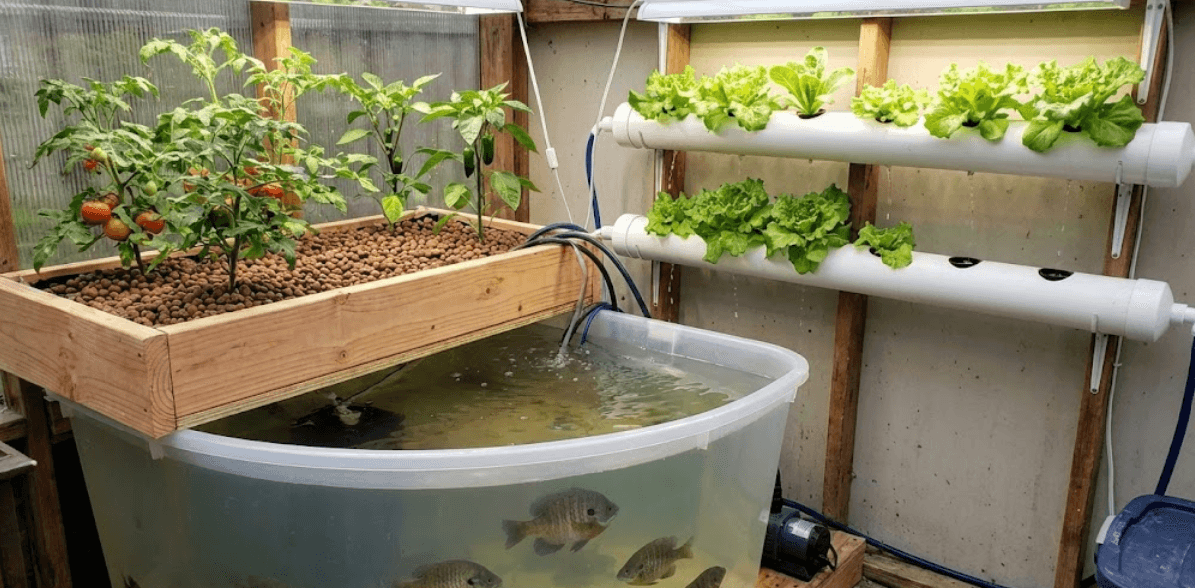
 (A modern commercial hydroponic facility showcasing multiple channels and pristine growing conditions)
2. Hydroponic System Architectures: Design and Mechanics
Every hydroponic system is designed to deliver water, nutrients, and oxygen to the plant root zone. However, the mechanical methods used to achieve this vary significantly. Choosing the right system architecture depends on the crop variety, your budget, and the level of automation you want to implement.
2.1 Deep Water Culture (DWC) Mechanics
In a Deep Water Culture (DWC) system, plants are suspended in net pots filled with a grow medium over a reservoir of nutrient-rich water. The plant roots hang directly down into the liquid, remaining submerged 24 hours a day.
Because the roots are constantly submerged, they would quickly suffocate from lack of oxygen if the water remained stagnant. To prevent root rot and plant death, DWC systems rely on active aeration. An air pump located outside the reservoir pushes air through flexible tubing to an air stone or diffuser submerged in the water. The air stone breaks the air stream into millions of tiny bubbles, which rise through the water. This process dissolves oxygen into the liquid, ensuring the root system can absorb both water and the oxygen required for cellular respiration. DWC is ideal for fast-growing, water-loving crops like leaf lettuce, basil, spinach, and Swiss chard.
2.2 Nutrient Film Technique (NFT) Channels and Slopes
Nutrient Film Technique (NFT) is the system of choice for commercial lettuce and herb growers worldwide. In an NFT system, plants are placed in net pots along a series of long, slightly sloped channels (usually PVC or food-grade plastic). A water pump continuously delivers nutrient solution from a central reservoir to the high end of each channel. The solution flows down the sloped channel under the influence of gravity, forming a very thin stream or "film" of water along the bottom before draining back into the reservoir.
The plant roots hang down into the channel, where they contact the shallow stream of nutrient-rich water. Because only the bottom tips of the roots are submerged in the liquid film, the upper portion of the root system remains exposed to the moist air inside the channel. This design ensures that the roots have constant, unrestricted access to both nutrients and atmospheric oxygen. NFT systems are highly efficient and easy to automate, but they have a major vulnerability: because the water film is so thin, any pump failure or power outage will cause the roots to dry out and kill the crops within hours. The slope of the channels must be set precisely at a 1:30 to 1:40 ratio (1/4 to 1/3 inch of drop per foot of channel length) to ensure the water flows smoothly without pooling.
2.3 Ebb and Flow (Flood and Drain) Cycles
Ebb and Flow systems are highly versatile and widely used for growing containerized plants, root crops, and heavy fruiting varieties. In this setup, plants are placed in pots filled with a grow medium and arranged in a shallow grow tray. The tray is positioned above a nutrient reservoir. The tray and reservoir are connected by two fittings: a fill line connected to a submersible water pump and an overflow drain tube that sets the maximum water height.
The system operates on a timer. At scheduled intervals (usually 3 to 6 times a day), the water pump turns on and floods the grow tray with nutrient solution. The water rises to the height of the overflow drain, soaking the plant roots and grow media. After a set period (usually 10 to 15 minutes), the pump turns off, and the nutrient solution drains back down through the pump inlet into the reservoir. As the water drains away, it pulls fresh air down into the grow media, aerating the root zone. This cyclic flooding and draining prevents root rot while ensuring plants receive consistent moisture and nutrients. Ebb and Flow is excellent for growing heavy crops like tomatoes, peppers, and cucumbers.
2.4 Drip Systems: Recovery and Non-Recovery Configurations
Drip hydroponic systems are widely used for large, long-season crops like tomatoes, cucumbers, and peppers. In a drip system, the nutrient solution is held in a reservoir and pumped through a network of feeder lines directly to the base of each plant. Micro-drip emitters regulate the flow, slowly releasing water onto the grow medium (usually coco coir or rockwool slabs). Drip systems can be configured in two ways: recovery (recirculating) or non-recovery (run-to-waste).
- Recovery Systems: Any excess nutrient solution that drains from the plants is collected in trays and directed back into the reservoir. This maximizes water and fertilizer efficiency but requires regular monitoring to prevent disease transmission and nutrient imbalances in the reservoir.
- Non-Recovery Systems: The excess runoff is drained away and discarded. While this wastes more water and nutrients, it ensures that the plants always receive a fresh, balanced nutrient solution, eliminating the risk of disease spread through a shared water supply. This is the preferred method for large-scale commercial greenhouses.
 (An Ebb and Flow hydroponic system tray showing net pots sitting in a flood basin)
3. Grow Media and Root Zone Dynamics
In hydroponics, soil is replaced by an inert grow medium. The primary purpose of a hydroponic grow medium is not to feed the plant, but to provide physical support, hold moisture, and maintain a high ratio of air-to-water in the root zone.
3.1 Clay Pebbles (Hydroton)
Clay pebbles, also known as expanded clay aggregate or Hydroton, are made by heating natural clay to extremely high temperatures in a rotary kiln. The clay expands, forming lightweight, porous balls with a hard outer shell and a honeycombed core.
- Pros: Clay pebbles are highly porous, offering excellent drainage and aeration. They are pH-neutral, inert, and can be washed, sterilized, and reused for multiple seasons.
- Cons: They have low water-holding capacity, meaning they dry out quickly if water circulation stops. They are also relatively heavy and can be dusty when first used.
- Application: Ideal for DWC systems, net pots in NFT channels, and media beds in aquaponics.
3.2 Coco Coir Washing and Buffering
Coco coir is a natural grow medium made from the fibrous husks of coconuts. It is organic, biodegradable, and has a texture similar to peat moss.
- Pros: Coco coir has outstanding water retention while maintaining a 30% air porosity, ensuring roots have access to both moisture and oxygen. It contains natural trichoderma fungi that protect roots from pathogens.
- Cons: Coir naturally contains high levels of sodium and potassium, which must be washed out (buffered) before use. It also binds to calcium and magnesium, requiring a specialized "Cal-Mag" supplement to prevent plant deficiencies.
- Buffering Process: To prepare raw coco coir for hydroponics, flush it with clean water to remove excess sodium and potassium salts. Next, soak it in a highly concentrated solution of calcium nitrate and magnesium sulfate (Cal-Mag) for 24 hours. The calcium and magnesium ions displace the sodium and potassium bound to the coir fibers, stabilizing the medium so it won't lock out nutrients when you plant your crops.
3.3 Rockwool Pre-treatment and Fiber Properties
Rockwool is a mineral wool made by melting basaltic rock and chalk at high temperatures, spinning the molten rock into fine fibers, and pressing it into slabs, blocks, or plugs.
- Pros: Rockwool has incredible water and nutrient retention and is sterile, making it ideal for starting seeds and rooting cuttings.
- Cons: It has a naturally high pH that must be pre-treated with an acidic soak before use. The fibers can irritate the skin and lungs, requiring careful handling. It is also not biodegradable and must be disposed of after use.
- Pre-treatment: Because of its alkaline manufacturing process, fresh rockwool has a pH of 7.0 to 8.0. Before planting, soak rockwool cubes in water adjusted to a pH of 5.5 for 12 to 24 hours. This neutralizes the alkaline compounds in the fibers, preventing pH spikes in the root zone.
3.4 Perlite and Vermiculite: Aeration vs Water Retention
Perlite and vermiculite are volcanic minerals that are processed with heat to expand their structure, making them valuable hydroponic grow media.
- Perlite: Made of expanded volcanic glass, perlite consists of tiny white kernels with a sealed cellular structure. It does not absorb water into its core; instead, water clings to the rough outer surface. It has excellent drainage and aeration properties, making it a perfect amendment to mix with coco coir to prevent compaction.
- Vermiculite: Made of hydrous phyllosilicate mineral, vermiculite has a layered, sponge-like structure. It absorbs large quantities of water and nutrients, making it highly effective for starting seeds. However, it drains slowly and can hold too much moisture, which can suffocate plant roots if used alone. In hydroponics, it is typically mixed with perlite in a 1:1 or 1:3 ratio to balance aeration and water retention.
4. Nutrient Chemistry: Mixing, Formulas, and Absorption
Because hydroponic systems lack soil, the grower is responsible for providing all essential nutrients. To keep plants healthy, you must understand nutrient chemistry and how plants absorb minerals through their roots.
4.1 Macronutrient Roles & Leaf Transport
Macronutrients are the elements plants need in large quantities to build plant tissues and perform metabolic processes:
- Nitrogen (N): The building block of amino acids, proteins, and chlorophyll. It is the primary driver of vegetative leaf and stem growth. Nitrogen is a mobile nutrient; when the plant is deficient, it withdraws nitrogen from older leaves and moves it to new growth, causing the lower leaves to turn yellow.
- Phosphorus (P): Essential for nucleic acids, phospholipids, and energy transfer molecules like ATP. It plays a critical role in early root development, flowering, and seed production.
- Potassium (K): Regulates water movement within the plant by controlling the opening and closing of the stomata (the pores on leaf surfaces). It is also essential for enzyme activation and carbohydrate synthesis.
- Calcium (Ca): An essential component of plant cell walls, providing structural stability. Calcium is immobile; once deposited in cell walls, it cannot be moved. It must be continuously supplied through transpiration. A lack of calcium leads to cell wall collapse in fast-growing tissues, causing tipburn in lettuce and blossom end rot in tomatoes.
- Magnesium (Mg): The central molecule in chlorophyll, making it essential for photosynthesis. It also acts as an activator for many plant enzymes.
4.2 Micronutrient Enzymatic Catalysis
Micronutrients are needed in very small amounts, but they are essential for plant survival. They serve as catalysts for enzymatic and metabolic processes:
- Iron (Fe): Required for chlorophyll synthesis and electron transfer in photosynthesis. Iron deficiencies appear as interveinal chlorosis (yellowing between leaf veins) in new leaves.
- Manganese (Mn): Essential for water splitting in photosynthesis and nitrogen assimilation.
- Zinc (Zn): Required for hormone production (auxins) and enzyme activity.
- Boron (B): Essential for cell wall synthesis, sugar transport, and pollen tube development during flowering.
- Molybdenum (Mo): Required for nitrogen reduction, helping the plant convert nitrates into usable proteins.
4.3 Formulating and Mixing Nutrient Solutions
When mixing hydroponic nutrients, it is best to use a multi-part fertilizer system (usually a three-part system of Micro, Grow, and Bloom). This prevents chemical reactions that cause nutrients to precipitate out of the solution.
- Fill the Reservoir: Always fill your reservoir with clean, filtered water first. Tap water containing high chlorine or mineral content should be run through a carbon filter or reverse osmosis (RO) system.
- Add Calcium/Magnesium: If using RO water or coco coir, add a Cal-Mag supplement first to establish a baseline.
- Mix the Parts Individually: Add the nutrient parts to the reservoir one at a time, stirring thoroughly between each addition. Never mix concentrated nutrient formulas together before diluting them in water, as this will cause calcium and phosphorus to bind and form an insoluble precipitate.
- Adjust pH: Once all nutrients are mixed, check the pH and adjust it using pH Up or pH Down solutions.
For vegetative growth (leafy greens), use a formula high in nitrogen and calcium. For flowering and fruiting crops (tomatoes, peppers), transition to a formula high in phosphorus, potassium, and magnesium to support flower development and fruit size.
 (Stirring a large hydroponic nutrient reservoir to dissolve minerals and distribute nutrients evenly)
5. Water Quality, Dissolved Oxygen, and Temperature Management
Water is the carrier for nutrients and oxygen in a hydroponic system. Managing the physical properties of your water is just as important as managing its chemical makeup.
5.1 Water Filtration and Quality
Before mixing nutrients, test your source water. Tap water often contains chlorine, chloramines, and minerals like calcium carbonate. While plants can tolerate low levels of these minerals, high concentrations will disrupt your nutrient balance and clog drip lines. If your water has a total dissolved solids (TDS) reading above 150 PPM, use a reverse osmosis filter to strip the water down to a clean baseline of 0 PPM. This allows you to control the exact concentration of nutrients in the reservoir.
5.2 Dissolved Oxygen (DO) and Henry's Law
Dissolved Oxygen (DO) is the concentration of free oxygen molecules dissolved in the water. Plant roots require oxygen to perform cellular respiration, a metabolic process that provides the energy needed to actively absorb water and nutrients. If DO levels fall too low, roots will suffocate, and their ability to absorb nutrients will drop. This leaves the plant vulnerable to anaerobic pathogens like Pythium (root rot).
According to Henry's Law, the concentration of a dissolved gas in a liquid is proportional to the partial pressure of that gas above the liquid. In a hydroponic reservoir, we maximize dissolved oxygen by introducing air under pressure using an air pump and air stones. The physical bubbles create surface agitation, which increases the surface area for gas exchange and allows oxygen to dissolve into the water. Aim to maintain DO levels above 6.0 PPM to support healthy root respiration. At levels below 4.0 PPM, root function drops, and the risk of pathogen outbreak rises.
5.3 Reservoir Temperature Control and Chillers
To maintain high dissolved oxygen levels and prevent root rot, keep your reservoir water temperature between 65°F and 70°F (18°C to 21°C).
- Warm Water Dangers: If water temperatures rise above 75°F (24°C), dissolved oxygen levels drop rapidly. This warm, low-oxygen environment is the ideal breeding ground for root rot pathogens, which can destroy a crop in days.
- Reservoir Chilling: In hot climates or warm grow rooms, use an active water chiller. A water pump circulates reservoir water through the chiller, cooling it to your target temperature before returning it to the reservoir. For small home setups, insulating the reservoir and placing frozen water bottles in the tank can help manage temperatures.
6. Monitoring pH, EC, and PPM: The Art of Reservoir Maintenance
To ensure your plants can absorb the nutrients in the water, you must monitor two key metrics: pH (acidity/alkalinity) and EC (electrical conductivity).
6.1 Understanding pH and Nutrient Availability
pH is a measure of the acidity or alkalinity of your nutrient solution, on a scale of 0 to 14. Plant roots can only absorb mineral nutrients when they are dissolved in water. If the pH of the water is too high or too low, certain nutrients will precipitate out of solution, becoming unavailable to the plant. This is known as nutrient lockout.
- Optimal Range: In hydroponics, the optimal pH range for most crops is 5.5 to 6.5. Within this slightly acidic range, all essential macronutrients and micronutrients remain dissolved and available for root absorption.
- Lockout Examples: If the pH rises above 6.5, iron, manganese, and phosphorus begin to lock out, leading to leaf chlorosis (yellowing). If the pH drops below 5.5, calcium, magnesium, and potassium availability drops, leading to cellular breakdown and blossom end rot.
6.2 Electrical Conductivity (EC) and PPM
Electrical Conductivity (EC) measures the water's ability to conduct an electrical current. Pure water is a poor conductor of electricity. However, when we dissolve mineral salts (nutrients) in water, they split into charged ions that conduct electricity. Therefore, measuring the EC of the water tells us the total concentration of nutrients in the solution.
- PPM (Parts Per Million): Many growers convert EC readings to PPM. However, there are two different conversion standards (the 500 scale and the 700 scale), which can lead to confusion. It is best to use EC directly to avoid conversion errors.
- EC Targets: Maintain an EC between 1.0 and 1.6 mS/cm for vegetative leafy greens and herbs, and between 1.8 and 2.5 mS/cm for heavy-feeding fruiting crops like tomatoes and cucumbers.
6.3 Daily Reservoir Maintenance Routines
To keep your hydroponic system running smoothly, establish a daily maintenance routine:
- Check pH and EC: Measure the pH and EC of the reservoir water daily using calibrated digital meters.
- Top Off with Water: As plants transpire water, the reservoir level will drop. Top off the reservoir with clean, pH-adjusted water to maintain the volume. Do not add more nutrients unless the EC reading has dropped significantly below your target.
- Monitor Water Consumption: If the water level drops but the EC rises, it means the plants are absorbing water faster than nutrients. Dilute the solution by adding clean water. If the water level drops and the EC drops, the plants are absorbing nutrients faster than water. Add a light nutrient dose to restore the EC.
- Reservoir Flushes: Every 10 to 14 days, drain the reservoir entirely and fill it with fresh water and nutrients. This prevents the buildup of unused nutrient salts and toxins, which can stunt plant growth.
 (Testing a hydroponic reservoir's EC and pH levels using calibrated digital handheld pens)
7. Environmental Control and Lighting
A hydroponic system will only perform as well as the surrounding environment allows. Temperature, humidity, airflow, and lighting must be carefully controlled to optimize growth.
7.1 Atmospheric VPD Management
Manage the air temperature and humidity in your grow room to maintain a healthy Vapor Pressure Deficit (VPD). For hydroponic crops, maintain a relative humidity of 50% to 70% and air temperatures between 70°F and 80°F (21°C to 27°C). This keeps the VPD between 0.8 and 1.2 kPa, allowing plants to transpire water normally and draw up the nutrient solution through their roots. If the VPD is too high, plants will lose water too quickly, causing them to close their stomata and stop growing. If the VPD is too low, the plants cannot transpire, which limits calcium uptake.
7.2 Grow Lighting Options
For indoor hydroponic setups, choosing the right lighting is essential for photosynthesis:
- LED (Light Emitting Diode): The modern standard for indoor growing. LEDs are highly energy-efficient, produce very little heat, and have a long lifespan. They allow growers to customize the light spectrum, providing blue light for vegetative growth and red light for flowering.
- T5 Fluorescent: Excellent for starting seeds and growing low-light leafy greens. T5 bulbs produce soft, uniform light and can be placed close to the plants without burning the foliage.
- HID (High-Intensity Discharge): Includes Metal Halide (MH) and High-Pressure Sodium (HPS) systems. They produce intense light and are excellent for flowering, but they use a lot of electricity and generate significant heat, requiring active ventilation.
8. Common Troubleshooting, Pest Management, and Hygiene
In a soilless system, there is no soil buffer to slow the spread of pests and diseases. A small problem can quickly affect the entire crop, making cleanliness and monitoring essential.
8.1 Identifying Nutrient Deficiencies and Lockout
If your plants show signs of stress, determine if the cause is a lack of nutrients in the water or a pH issue causing nutrient lockout. Always test the pH of the reservoir water first. If the pH is outside the 5.5 to 6.5 range, adjust it and wait a few days to see if the plant recovers. If the pH is correct, check the EC. A low EC indicates that the plants have used up the nutrients in the water, and you need to add a fresh dose of fertilizer. Common symptoms to watch for include yellowing leaves (nitrogen deficiency), purple stems (phosphorus deficiency), and dry, curling leaf tips (calcium deficiency).
8.2 Root Rot (Pythium) Pathological Cycle
Root rot, caused by the water mold Pythium, is the most common and destructive disease in hydroponics. The pathogen thrives in warm, poorly oxygenated water. It infects root tissues, blocking water and nutrient transport. Symptoms include brown, slimy roots, a rotting smell, and wilting leaves.
- Prevention: Prevent root rot by keeping reservoir temperatures below 70°F (21°C), maintaining high dissolved oxygen levels, and keeping the system clean.
- Treatment: If root rot strikes, drain and clean the system. Treat the reservoir with beneficial microbes (like Bacillus amyloliquefaciens) or a food-grade hydrogen peroxide solution to kill the pathogen and encourage new root growth.
8.3 System Cleanliness and Sterilization
To prevent pest and disease outbreaks, clean and sterilize your hydroponic system between crop cycles:
- Drain the System: Remove all plants and drain all water from the reservoir and grow lines.
- Scrub and Wash: Wash all surfaces, channels, and reservoirs with soap and hot water to remove mineral scale and organic debris.
- Sanitize: Fill the system with clean water, add food-grade hydrogen peroxide or a mild bleach solution, and run the pumps for 24 hours to sanitize all internal lines. Drain and flush the system with clean water before planting your next crop.
Expert Insights & FAQs
What is hydroponics and how does it compare to growing in soil?
Hydroponics is the practice of growing plants without soil, delivering nutrients directly to the roots in a liquid water solution. Because nutrients are immediately available, plants grow up to 25% faster and yield more than soil-grown crops. Closed-loop hydroponic systems also use up to 90% less water than soil-based agriculture.
What is the difference between DWC, NFT, and Ebb & Flow systems?
DWC keeps plant roots submerged in aerated water. NFT continuously runs a very thin film of nutrient solution down sloped channels over the root tips. Ebb & Flow systems periodically flood a grow tray with nutrient solution and then drain it back into a reservoir, pulling fresh oxygen into the root zone.
Why do I need to aerate the water in a DWC hydroponic system?
Plant roots require oxygen to perform cellular respiration, which provides the energy needed to absorb water and nutrients. In a DWC system, where the roots are submerged, an air pump and air stone are required to dissolve oxygen into the water to prevent the plants from suffocating and rotting.
What are the best grow media choices for hydroponic setups?
Clay pebbles (Hydroton) offer excellent drainage and can be reused. Coco coir holds moisture well and supports beneficial soil biology. Rockwool has high water retention and is ideal for starting seeds, but requires careful handling and pH pre-treatment.
Why is pH monitoring critical in a hydroponic nutrient reservoir?
pH dictates nutrient solubility. In hydroponics, keep the pH between 5.5 and 6.5. If the pH rises above or falls below this range, nutrients will precipitate out of the water, making them unavailable to the plant roots. This is known as nutrient lockout.
What is the difference between EC and PPM, and how are they measured?
EC (Electrical Conductivity) measures the concentration of mineral salts in the water. PPM (Parts Per Million) is a conversion of the EC reading. Both measure nutrient strength. They are measured using digital handheld pens dipped into the nutrient solution.
What is root rot (Pythium) and how can I prevent it?
Root rot is a destructive water mold that attacks plant roots in warm, low-oxygen water, turning them brown and slimy. Prevent it by keeping reservoir temperatures between 65°F and 70°F (18°C to 21°C), maintaining high dissolved oxygen levels, and keeping the system clean.
How do I clean and sterilize my hydroponic system between crops?
Drain the system, scrub all reservoirs and channels to remove mineral buildup, and run a water solution containing food-grade hydrogen peroxide or mild bleach through the pumps and lines for 24 hours. Flush the system with clean water before replanting.
Johnnie McCormick
Zone 7b/8a - North Central Alabama
Johnnie McCormick is a gardening hobbyist and the founder of My Garden Spot. Raised in north-central Alabama, his passion for gardening began in his youth. In 2008, he established a large market garden, teaching himself high-yield growing methods. In the years since, he has operated seasonal seedling sales for transplants, specializing in heirloom tomatoes, peppers, eggplants, decorative ground covers like Ajuga (Bugleweed), marigolds, nasturtiums, and fresh kitchen-window herb arrangements (basil, cilantro). Today, he gardens in the hills between Birmingham and Jasper, Alabama (Zone 7b/8a), sharing practical, community-focused gardening resources.
Verified Authoritative Citations & References
In alignment with our strict E-E-A-T research and verification guidelines, this guide cross-references data from the United States Department of Agriculture (USDA) and Cooperative Extension Service programs.
- Cornell CEA (Controlled Environment Agriculture): Hydroponic lettuce and crop nutrient solution recipes. cea.cals.cornell.edu
- University of Arizona CEAC: Controlled Environment Agriculture Center technical guides. ceac.arizona.edu
- USDA National Agricultural Library: Aquaponics and closed-loop recirculating aquaculture guidelines. nal.usda.gov
- Alabama Cooperative Extension System (ACES): Small-scale aquaponic systems and water chemistry guides. aces.edu


Please log in to view comments.