Summer Pruning Fruit Trees: Managing Vigorous Growth and Enhancing Fruit Development

How Do You Summer Prune Fruit Trees to Manage Vigorous Growth and Enhance Fruit?
title: "Summer Pruning Fruit Trees: Managing Vigorous Growth and Enhancing Fruit Development" description: "An advanced academic examination of the physiological, hormonal, and structural impacts of summer pruning on deciduous fruit trees." summaryCapsule: "This guide details the shift from vegetative to reproductive focus through strategic summer biomass removal, addressing light penetration, water sprout management, and hormonal regulation." keywords: [pomology, summer pruning, fruit tree physiology, light interception, water sprouts, fruit bud differentiation, apical dominance]
Introduction
Pruning is a fundamental horticultural practice, yet the temporal distinction between dormant and summer interventions represents one of the most significant variables in orchard management. While dormant pruning is traditionally employed to establish primary scaffold architecture and invigorate spring growth, summer pruning serves as a sophisticated tool for growth suppression, light management, and the enhancement of fruit quality. In the context of modern intensive pomology, where high-density planting systems necessitate precise canopy control, summer pruning has transitioned from a supplemental task to a core requirement for commercial viability and tree longevity.
This guide explores the physiological nuances of pruning during the active growing season. By manipulating the tree’s energy allocation and hormonal signaling during the months of peak photosynthesis, growers can effectively mitigate the deleterious effects of excessive vigor, such as internal canopy shading and the proliferation of non-productive vegetative biomass. The following sections provide a rigorous analysis of how summer pruning influences fruit bud differentiation, nutrient partitioning, and the structural integrity of the tree, offering a comprehensive framework for managing vigorous growth and optimizing reproductive outcomes.
Physiological Response to Summer vs. Winter Pruning
The fundamental physiological distinction between summer and winter pruning lies in the tree's carbohydrate reserves and hormonal signaling pathways at the time of incision. Winter or dormant pruning, executed when the tree is quiescent, removes biomass while preserving the root-to-shoot ratio's potential energy, typically resulting in a vigorous, compensatory vegetative flush fueled by stored nitrogen and carbohydrates. Conversely, summer pruning is inherently devitalizing; it removes active photosynthetic leaf area and depletes the current season's carbohydrate synthesis before these resources can be translocated to permanent structures for winter storage. This reduction in the leaf-to-fruit ratio and the disruption of apical dominance during the high-demand period of fruit development shifts the tree’s metabolic priority from vegetative expansion to reproductive maturation. By reducing the synthesis of auxins in terminal buds and altering the cytokinin-to-auxin ratio, summer pruning suppresses secondary growth and encourages the partitioning of nutrients toward developing fruit and the differentiation of floral primordia for the subsequent season.
From a metabolic perspective, dormant pruning occurs when the tree’s total biomass is at its lowest seasonal point, yet its potential for explosive growth remains high. The removal of shoots in winter stimulates the remaining buds by concentrating the pressure of stored nutrients and hormones into fewer growing points. This results in the production of long, vigorous shoots characterized by high nitrogen content and large, thin-walled cells. Such growth, while useful for establishing a young tree’s framework, is often counterproductive in mature specimens where excessive vigor leads to canopy crowding and the exclusion of light from the fruiting zone.
Summer pruning, typically conducted between late June and mid-August in the Northern Hemisphere, operates under a different set of physiological constraints. At this stage, the tree has already invested significant energy into the development of new shoots and foliage. By removing this growth before the cessation of the season, the grower effectively 'wastes' the tree’s investment. This creates a net reduction in the total available carbohydrates (starches and sugars) that would otherwise be stored in the trunk and roots. Consequently, the tree’s overall vigor is curtailed, making summer pruning an essential technique for managing trees on vigorous rootstocks or in fertile soils.
Furthermore, the timing of summer pruning significantly impacts the secondary growth response. Pruning too early in the summer may stimulate a 'second flush' of vegetative growth if the tree still has sufficient moisture and nutrient availability. This late-season growth is often undesirable, as it is poorly lignified and highly susceptible to winter injury or frost damage. Conversely, pruning in late summer, once terminal buds have formed, ensures that the growth-suppressing effects are maximized without triggering regrowth, effectively 'freezing' the tree’s canopy size for the remainder of the season.
Hormonal regulation is also fundamentally altered. Auxin, primarily synthesized in the actively growing terminal meristems, travels basipetally (downward) through the phloem to inhibit the growth of lateral buds—a phenomenon known as apical dominance. When these terminal shoots are removed during the summer, the localized concentration of auxin drops, potentially allowing lateral buds to break. However, because the tree is simultaneously experiencing a seasonal decline in moisture and nitrogen availability, these lateral buds often transition directly into short, productive spurs rather than long vegetative shoots.
The impact on nutrient partitioning is equally critical. During the summer, fruit acts as a powerful metabolic sink, competing with vegetative shoots for calcium, potassium, and carbohydrates. By removing excess vegetative growth, summer pruning reduces the competition for these vital resources. Improved calcium translocation to the fruit is particularly noteworthy, as it reduces the incidence of physiological disorders such as bitter pit in apples or cork spot in pears, thereby increasing the harvestable quality and storage potential of the crop.
Finally, the wound response in summer differs from winter. In the active growing season, the tree’s cambium is highly metabolic, facilitating the rapid development of callous tissue and the compartmentalization of the pruning cut. While summer wounds may be more exposed to certain pathogens like silver leaf (Chondrostereum purpureum) in stone fruits, the speed of cellular closure in healthy, non-stressed trees often provides a robust defense mechanism. This necessitates precise timing to ensure that pruning coincides with dry weather windows to minimize fungal spore germination.
Managing Water Sprouts and Sucker Growth
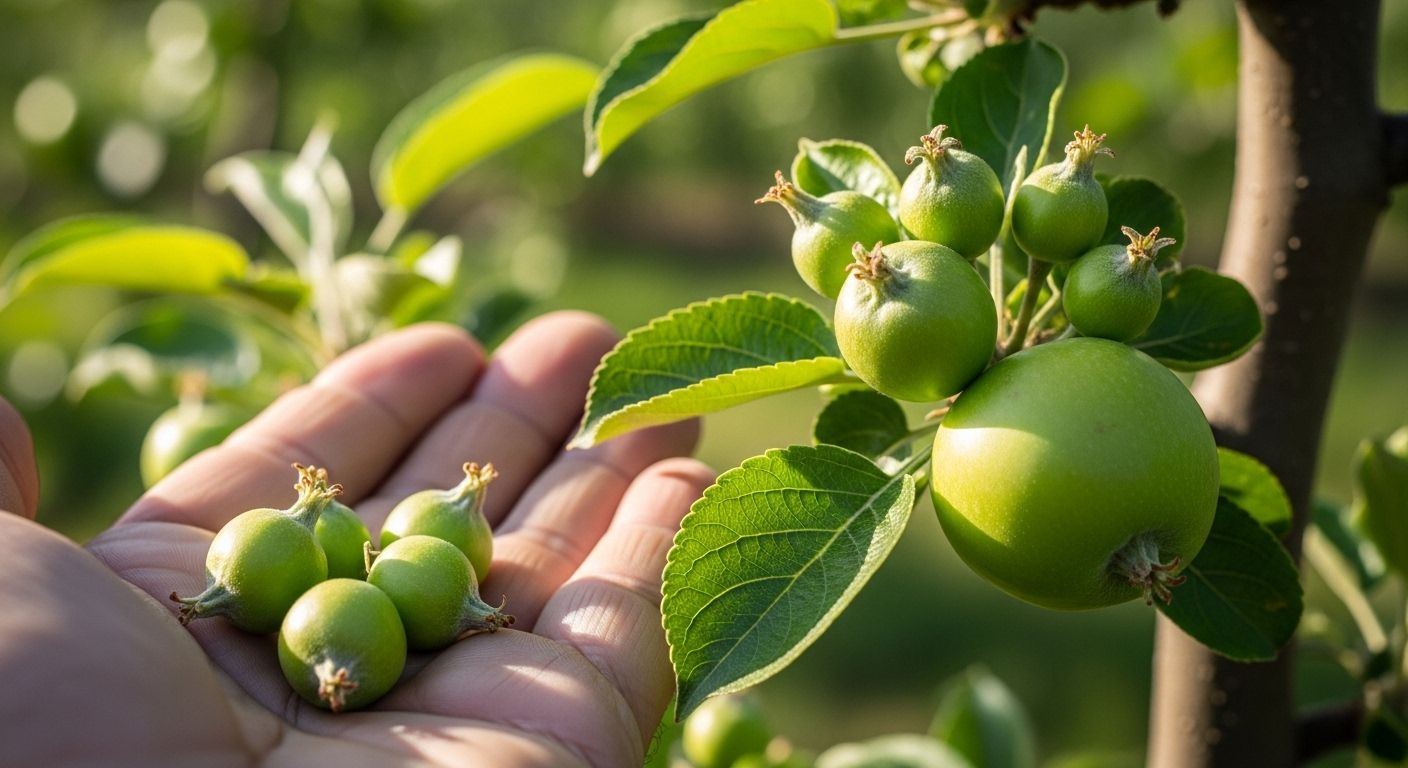
Water sprouts and suckers represent highly vigorous, non-productive vegetative growth that stems from adventitious or latent buds, typically triggered by physiological stress, excessive dormant pruning, or light imbalance. Water sprouts emerge from the trunk or main scaffold branches, growing vertically with extreme apical dominance, while suckers arise from the rootstock below the graft union. These structures act as parasitic carbon sinks, sequestering nitrogen and carbohydrates away from the reproductive organs and the lower canopy. Effective management through summer pruning involves the systematic removal of these shoots while they are still herbaceous or semi-lignified. Removing water sprouts in mid-summer, rather than during dormancy, significantly reduces the likelihood of regrowth because the tree’s carbohydrate reserves are depleted and apical dominance is redistributed among existing productive shoots. Furthermore, thinning these vertical obstructions improves the structural integrity of the scaffold and prevents the 'shading out' of established fruiting spurs, ensuring the long-term productivity of the tree’s interior.
The emergence of water sprouts is often a symptom of 'pruning-induced vigor.' When a grower removes large amounts of wood during the winter, the tree reacts to the loss of its terminal growing points by activating latent buds buried deep within the bark of older wood. These sprouts grow at a rate significantly faster than standard fruiting wood, often exceeding two meters in a single season. Because of their vertical orientation, they do not produce fruit in their first several years and instead focus entirely on reaching the top of the canopy to capture sunlight, further exacerbating internal shading.
Managing these sprouts in the summer is a strategic necessity. When water sprouts are removed in July or August, the tree is in its peak period of evapotranspiration and nutrient utilization. The removal of these vigorous shoots at this time deprives the latent buds at their base of the necessary hormonal stimulus to regrow immediately. In many cases, a sprout removed in summer will not return the following year, whereas a sprout cut in winter will almost certainly be replaced by several more from the same point, leading to a 'hydra effect' of increasing vegetative density.
Suckers arising from the rootstock present a different but equally problematic challenge. Because suckers originate from the root system, they possess the genetics of the rootstock, which are typically focused on vigor and disease resistance rather than fruit quality. If left unmanaged, suckers can eventually outcompete the scion (the grafted fruit-producing variety), leading to the decline or death of the productive part of the tree. Summer is the optimal time for 'ripping' or pruning these suckers, as it allows the grower to identify them easily and remove them before they become woody and difficult to manage.
The technique used for removing water sprouts and suckers is as important as the timing. For young, succulent water sprouts, 'hand-thinning' or snapping them off at the base is often more effective than using shears. This technique tends to remove the basal buds that would otherwise produce regrowth. However, for lignified sprouts, a clean thinning cut back to the branch collar is required. Leaving 'stubs' must be avoided at all costs, as a stub will typically produce multiple new sprouts, further complicating the canopy architecture.
Beyond simple removal, the management of water sprouts provides an opportunity for canopy renewal. In older trees where a scaffold branch has become diseased or unproductive, a strategically located water sprout can be 'headed back' and trained into a new horizontal position. By summer-pruning the tip of a water sprout and tying it down to a more horizontal angle, the grower can neutralize its vertical vigor and encourage it to develop fruiting spurs. This transformational pruning requires careful monitoring and follow-up during the summer months to ensure the sprout adapts to its new role.
From a disease management perspective, the density created by unmanaged water sprouts creates a microclimate conducive to pests and pathogens. Aphids and mites thrive in the tender, nitrogen-rich tissue of rapidly growing sprouts, while the lack of airflow within a sprout-clogged canopy increases the humidity required for scab and mildew infections. By stripping away this excess growth in the summer, the grower improves spray penetration and natural ventilation, reducing the overall chemical dependency of the orchard.
In high-density trellis systems, sprout management is even more critical. The narrow 'fruiting wall' architecture depends on maintaining a very specific canopy volume. Even a few dozen water sprouts can bridge the gap between rows or shade out the lower wire levels, resulting in a loss of fruit color and size. Summer pruning in these systems is often mechanized but requires manual 'touch-up' to remove sprouts that the machines cannot reach, ensuring that the tree’s energy remains focused strictly on the fruit located within the optimal light zone.
The Role of Light Penetration in Fruit Bud Differentiation
Light penetration is the primary limiting factor for fruit bud differentiation and the maintenance of a productive canopy. Deciduous fruit trees require a minimum of 30% to 50% of full sunlight to reach the interior of the canopy for the induction of floral primordia; levels below this threshold result in the transition of buds from reproductive to vegetative states, effectively creating a 'blind' or non-productive zone in the tree's center. Summer pruning is the most effective intervention for increasing light interception by removing current-season vegetative 'veils' that shield the interior spurs. This immediate increase in photon flux density (PFD) during the critical window of bud induction—typically occurring shortly after the current season's fruit set—triggers biochemical changes in the latent buds, favoring the development of flower parts over leaf parts. Furthermore, improved light exposure enhances the synthesis of anthocyanins and sugars in the developing fruit, directly correlating to improved skin color, higher Brix levels, and superior organoleptic qualities at harvest.
The physiology of light-induced bud differentiation is a complex interplay between photoreceptors and hormonal concentrations. When light hits a bud, it activates phytochromes and cryptochromes that signal the tree to allocate resources toward reproductive development. In a shaded environment, the tree perceives a 'red to far-red' light ratio that suggests it is being outcompeted by neighbors, triggering an elongation response where the tree prioritizes vertical growth to reach higher light levels. This 'shade avoidance' response is the enemy of fruit production, as it shifts energy away from the spurs and toward non-productive terminal extension.
By implementing summer pruning, the grower manually resets this light environment. Thinning out the outer 'curtain' of vigorous shoots allows sunlight to reach the spurs located on the older wood of the interior scaffolds. These spurs are the primary production sites for many apple and pear varieties. If these spurs are shaded for more than one or two consecutive seasons, they will weaken and eventually die, leading to a 'hollow' tree where fruit is only produced on the extreme periphery. This migration of the fruiting zone away from the trunk increases the leverage and mechanical stress on branches, making them more prone to breakage under heavy crop loads.
The timing of light management is critical. Floral primordia for the following year’s crop are initiated during the summer, often while the tree is still supporting the current year’s fruit. For many species, the window of induction closes by mid-to-late summer. Therefore, pruning must be conducted early enough to allow the interior buds to 'see' the sun during this developmental phase. If pruning is delayed until harvest, the interior buds may have already committed to being vegetative for the next year, resulting in a biennial bearing pattern where the tree produces heavily one year and poorly the next.
In addition to bud differentiation, light penetration is the dominant factor in fruit quality. For red-skinned varieties of apples, cherries, and plums, the development of anthocyanin pigments is light-dependent. Fruit that develops in the shade often remains green or dull, significantly reducing its market value. Summer pruning, by removing the shading foliage, allows the fruit to receive direct or dappled sunlight, leading to a deep, uniform coloration. This process also increases the temperature of the fruit surface, which can accelerate the conversion of starches to sugars, resulting in a higher sugar-to-acid ratio and better flavor.
However, the grower must balance light penetration with the risk of solar injury or 'sunscald.' In regions with extreme summer temperatures and high UV indices, the sudden exposure of previously shaded fruit and bark can lead to localized tissue death. To mitigate this, summer pruning should focus on thinning rather than 'topping,' and a light 'umbrella' of foliage should be maintained over the topmost fruit. The goal is to move from 'deep shade' to 'dappled light' (approximately 50-70% sunlight) rather than total exposure.
Modern canopy systems, such as the Tall Spindle or the V-Trellis, are designed specifically to maximize light interception. In these systems, summer pruning is often simplified because the trees are kept thin by design. However, even in these advanced systems, the growth of 'lateral veils' can quickly reduce light levels. Systematic summer thinning of these laterals ensures that the 'fruiting wall' remains permeable to light, maintaining the productivity of every linear foot of the trellis.
Finally, the relationship between light and nutrient uptake should not be overlooked. Leaves in high-light environments have higher transpiration rates, which in turn 'pulls' more water and dissolved minerals—such as calcium and boron—up from the roots. By ensuring that the leaves surrounding the fruit are well-illuminated, summer pruning indirectly improves the nutrient status of the adjacent fruit, contributing to firmer cell walls and a longer shelf life after harvest.
Thinning Cuts vs. Heading Cuts: Structural Implications
The architectural response of a fruit tree to pruning is dictated by the distinction between thinning and heading cuts, particularly during the high-metabolic summer phase. A thinning cut involves the total removal of a shoot or branch at its point of origin or back to a lateral branch capable of assuming apical dominance, thereby preserving the tree’s natural growth habit and improving light penetration without stimulating excessive localized vegetative regrowth. In contrast, a heading cut removes only the distal portion of a shoot, disrupting apical dominance by eliminating the primary auxin-producing terminal bud. This sudden drop in auxin concentration releases lateral buds from paradormancy, triggering a cluster of vigorous, competitive secondary growth just below the cut. While heading cuts are useful for Establishing scaffold density in young trees, they are generally avoided in summer maintenance as they exacerbate canopy congestion and divert carbohydrates away from fruit development. Thinning cuts remain the preferred summer modality for maintaining structural integrity and optimizing reproductive efficiency.
From a structural standpoint, the thinning cut is an exercise in canopy simplification. By removing a branch entirely back to the branch collar, the grower facilitates the natural compartmentalization process defined by Shigo’s CODIT (Compartmentalization of Decay in Trees) model. During the summer, the active vascular cambium rapidly forms a callous ring around the thinning cut, sealing the wound and preventing the ingress of wood-rotting pathogens. Because thinning cuts do not trigger the release of dormant lateral buds, the resulting canopy architecture remains open and predictable, reducing the need for corrective pruning in subsequent seasons.
Heading cuts, conversely, serve as a physiological stimulus for branching. When a one-year-old shoot is 'headed' in July, the tree typically responds by producing three to five vigorous shoots from the remaining buds. These shoots grow vertically and rapidly, quickly recreating the shade veil that the pruning was intended to remove. In academic pomology, this is referred to as a 'localized vigor response.' While this may be desirable when a grower needs to 'fill a hole' in the canopy, it is structurally detrimental in mature trees as it creates 'crow’s feet'—clusters of weak, competing branches that lack the structural strength to support heavy fruit loads.
Furthermore, the impact on apical dominance differs significantly between the two. Apical dominance is the mechanism by which the terminal bud inhibits the growth of lower lateral buds through the basipetal transport of auxin. A thinning cut removes the entire auxin source and its associated buds, allowing the tree to redistribute its hormonal balance across the remaining, more desirable structures. A heading cut, however, creates a hormonal vacuum at the tip of the remaining shoot. This results in a temporary surge of cytokinins relative to auxins at the cut site, forcing the buds into rapid vegetative expansion rather than reproductive spur development.
The mechanical leverage of the tree is also influenced by cut selection. Thinning cuts keep the center of gravity closer to the main scaffold by removing long, overextended branches that might otherwise 'weep' under the weight of fruit. Heading cuts often increase the weight at the distal ends of branches by stimulating multiple new shoots at the periphery. This increased end-weight can lead to branch failure during summer storms or at peak harvest. Therefore, thinning cuts are the fundamental tool for maintaining a 'stiff' scaffold capable of carrying large, high-quality yields.
In the context of light management, thinning cuts are vastly superior. Because they remove entire branches, they create 'light chimneys'—vertical or diagonal shafts of sunlight that penetrate deep into the canopy core. Heading cuts, by stimulating multiple new shoots at the canopy exterior, effectively 'thicken the skin' of the tree. This creates an even denser outer layer of foliage, which further starves the interior spurs of light, leading to the rapid decline of productive wood in the center of the tree.
For specific training systems like the Central Leader or the Modified Leader, thinning cuts are used to maintain the 'conical' shape of the tree, ensuring that lower branches are not shaded by upper ones. Summer heading is strictly reserved for 'pinching' back excessively vigorous terminal shoots on young trees to encourage scaffold formation. In mature systems, the use of heading cuts in the summer is often a sign of poor management, as it necessitates a cycle of increasingly aggressive pruning to manage the resulting vegetative chaos.
Finally, the influence on fruit bud quality must be considered. Thinning cuts prioritize the health of existing spurs by providing them with more space and resources. Heading cuts, by forcing the tree to invest in new vegetative biomass, can lead to the 'abortion' of nearby floral primordia due to nutrient competition. Consequently, an orchard managed primarily with summer thinning cuts will exhibit higher fruit set and more consistent annual bearing compared to one subjected to frequent summer heading.
Species-Specific Timing: Pome Fruits (Apples, Pears) vs. Stone Fruits (Peaches, Cherries)
Optimal summer pruning timing is governed by the distinct phenological stages and growth habits of pome and stone fruit species. For pome fruits, such as apples and pears, summer pruning is typically executed between late July and mid-August, coinciding with the cessation of terminal shoot growth—indicated by the formation of a terminal bud. Pruning during this window maximizes light exposure for the final stages of fruit maturation and ensures that the devitalizing effect is sufficient to prevent late-season regrowth. In contrast, stone fruits, including peaches, nectarines, and cherries, often require earlier or more frequent intervention. Peaches, characterized by extreme vegetative vigor and a requirement for high light intensity for fruit color, are often pruned in two phases: an early summer thinning of water sprouts and a pre-harvest thinning of the outer canopy. Furthermore, stone fruits are particularly susceptible to silver leaf and bacterial canker, necessitating pruning during dry summer windows when the tree’s defense mechanisms are most active and pathogen spore pressure is seasonally low.
The growth habit of pome fruits is relatively conservative compared to stone fruits. Apples and pears produce much of their fruit on long-lived spurs, which can remain productive for up to ten years. The primary goal of summer pruning in these species is to protect the longevity of these spurs by preventing them from being 'shaded out.' If an apple tree is pruned too early in the summer—for instance, in June—the tree may respond with a flush of 'secondary growth,' which is weak, susceptible to mildew, and unlikely to harden off before winter. Waiting until the terminal bud has 'set' ensures the tree’s energy remains focused on fruit size and bud differentiation for the next year.
For stone fruits, the strategy is more aggressive. Peaches and nectarines fruit almost exclusively on one-year-old wood. This means the tree must produce a significant amount of new growth each year to remain productive, but this growth must be well-spaced and well-lit. Summer pruning in peaches often begins as early as June to remove the vertical water sprouts that compete with the developing fruit. A second pass in late July or August further opens the canopy to ensure the fruit develops the red 'blush' demanded by consumers, which is a direct response to sunlight exposure.
Cherries present a unique challenge due to their susceptibility to fungal and bacterial pathogens. Unlike apples, which can tolerate some winter pruning for structural work, cherries are best pruned almost exclusively in the summer. Pruning cherries in the dry heat of July or August significantly reduces the risk of Pseudomonas syringae (bacterial canker) infection, which is often fatal in cool, wet conditions. The summer window allows the cherry tree to seal its wounds quickly while the environment is hostile to the bacteria’s survival and spread.
Furthermore, the response to 'heading' vs. 'thinning' varies by species. Pears, which exhibit strong natural apical dominance, can become excessively vertical if headed. Summer pruning in pears focuses almost entirely on thinning to keep the tree manageable and to reduce the risk of fire blight spread, which is more common in the succulent regrowth triggered by heading cuts. Stone fruits, however, are more tolerant of 'tipping' or light heading in the summer to encourage the lateral branching necessary for next year's fruiting wood.
Nutrient translocation also dictates timing. In pome fruits, the 'June drop' (a natural thinning of excess fruit) is followed by a period of rapid carbohydrate accumulation. Summer pruning during this phase helps redirect those carbohydrates away from the growing tips and into the fruit. In stone fruits, the fruit development period is much shorter. Early-season varieties of peaches or cherries may be harvested before the optimal window for devitalizing pruning has arrived, requiring the grower to adjust the pruning schedule to post-harvest to manage canopy size without affecting the current crop.
Biosecurity is a paramount concern for stone fruits. Because species like apricots and plums are highly sensitive to Chondrostereum purpureum (silver leaf), summer pruning is the safest time to manage their structure. The fungal spores of silver leaf are primarily active in the winter and spring; by pruning in the height of summer, the grower avoids the primary infection window. Additionally, the higher temperatures of summer accelerate the production of suberin and lignin at the cut site, providing a natural chemical and physical barrier against infection.
Finally, the relationship between summer pruning and winter hardiness must be carefully managed across all species. In both pome and stone fruits, pruning too late into the autumn can stimulate a metabolic surge that prevents the tree from entering endodormancy. This can lead to 'cold heart' or trunk splitting if an early frost occurs. Therefore, the 'academic' consensus for most temperate regions is to conclude all significant summer pruning at least six to eight weeks before the first anticipated frost, ensuring the tree has sufficient time to acclimate to declining temperatures.
Tool Selection and Pathogen Prevention Protocols
Precision in summer pruning is contingent upon the utilization of high-quality, task-specific tools and the rigorous application of phytosanitary protocols to prevent the cross-contamination of vascular pathogens. For summer maintenance, bypass pruners are the primary instrument of choice, as their scissor-like action provides a clean, compressive-free cut that minimizes damage to the delicate summer cambium. Anvil pruners are strictly avoided, as their crushing mechanism can shatter the xylem and phloem vessels, creating necrotic tissue that serves as an entry point for fungal spores. Furthermore, the high-metabolic state of the tree during summer increases the risk of spreading systemic infections such as fire blight (Erwinia amylovora) in pome fruits or plum pox virus in stone fruits. Effective prevention requires the sterilization of tool blades between every tree—or even between major cuts in infected blocks—using a solution of 70% isopropyl alcohol or a 10% bleach bypass. Such protocols, combined with the strategic timing of pruning during low-humidity windows, are essential for maintaining orchard health and maximizing the longevity of the fruiting scaffolds.
Selecting the correct tool size is the first step in ensuring a clean wound. For shoots up to 2 cm in diameter, hand-held bypass pruners are sufficient. For larger branches, loppers or a fine-toothed pruning saw must be used. In summer, the bark is 'slipping,' meaning the cambium is active and the bark can easily tear away from the wood. Using a dull tool or one that is too small for the branch often results in a 'tail' of torn bark below the cut. This injury significantly increases the surface area of the wound and slows the healing process, making the tree more vulnerable to desiccation and disease.
Sterilization is the cornerstone of pathogen prevention. In the case of fire blight, a single cut into an infected shoot can contaminate the pruners with millions of bacterial cells, which are then inoculated into the next healthy branch. While bleach is a highly effective disinfectant, it is corrosive to tool steel and can pit the blades over time. Isopropyl alcohol is often preferred in professional settings as it evaporates quickly and does not require rinsing. Some growers utilize 'dip buckets' or spray bottles to ensure the blades are thoroughly wetted between trees, a practice that is non-negotiable in high-risk blocks.
The environmental conditions during the pruning operation are equally vital. Fungal pathogens, such as the apple scab fungus (Venturia inaequalis) or various canker-causing fungi, require a film of moisture for spore germination. Pruning during or immediately after rain is a high-risk activity. The ideal window is a period of at least 48 hours of dry, sunny weather following the pruning. The UV radiation from the sun acts as a natural disinfectant, while the dry air facilitates the rapid drying of the cut surface, creating a 'cork' layer that pathogens cannot easily penetrate.
Another critical protocol is the management of 'prunings' or the removed biomass. In an academic or commercial context, the removed wood should not be left on the orchard floor, especially if it shows signs of disease. Many pathogens can overwinter or sporulate on dead wood. Infected branches should be removed from the site and burned or deeply buried. For healthy summer prunings, some growers use a flail mower to shred the wood, incorporating the organic matter back into the soil, but this should only be done if the orchard is confirmed to be free of systemic vascular diseases.
Ergonomics and blade maintenance also play a role in the quality of the cut. A tired grower using a dull blade is more likely to make sloppy, angled cuts or leave stubs. Blades should be sharpened daily using a diamond stone or whetstone to maintain a razor edge. This ensures that the cut is made with minimal force, resulting in a smooth surface that favors rapid callousing. Furthermore, the 'bypass' blade should always be positioned on the side of the branch that is remaining on the tree, ensuring that any crushing force from the 'hook' side of the pruner occurs on the wood being removed.
In high-density systems where mechanized summer pruning is used (such as 'hedging' machines), the blades must be checked for sharpness and alignment even more frequently. While mechanical pruning is efficient, it lacks the precision of hand-thinning and often results in 'shattered' tips. These shattered ends are highly susceptible to botrytis and other 'dieback' fungi. In such cases, a follow-up manual pass to clean up the most egregious mechanical damage is often recommended to prevent long-term health issues in the canopy.
Finally, the use of 'wound dressings' or pruning paints is a topic of significant academic debate. Current research suggests that for most fruit tree species, wound dressings are unnecessary and can even be counterproductive by trapping moisture against the wood, favoring fungal growth. The tree’s natural defense mechanisms—the production of phenols and the formation of a necrophylactic periderm—are far more effective than any synthetic coating. The only exception is in areas with high pressure from specific wood-boring insects or in cases where large 'surgery' cuts are made on highly valuable specimen trees during less-than-ideal weather.
Common Pitfalls: Excessive Biomass Removal and Sunscald Risks
While summer pruning is a critical tool for vigor control, the primary pitfall associated with the practice is the aggressive removal of biomass, which can lead to physiological shock, nutrient imbalances, and severe sunscald injury. Removing more than 20% to 25% of the total canopy volume in a single summer session significantly reduces the tree's photosynthetic capacity, potentially starving the developing fruit of the sugars required for optimal size and storage quality. Furthermore, the sudden removal of protective leaf 'veils' exposes previously shaded fruit skins and sensitive scaffold bark to intense ultraviolet radiation and thermal stress. This results in sunscald—localized necrotic tissue death—which not only devalues the current crop but also creates permanent lesions on the trunk and branches that invite wood-boring insects and fungal cankers. Strategic summer pruning must therefore be incremental and conservative, focusing on the removal of non-productive growth while maintaining a functional leaf-to-fruit ratio and providing adequate solar protection for the interior framework.
The physiological impact of over-pruning in the summer is primarily a function of carbon starvation. Unlike dormant pruning, where the tree has yet to invest significant resources into the season's growth, summer pruning removes leaves that have already become 'source' organs—exporting carbohydrates to the rest of the tree. When a grower removes too much foliage, the tree’s overall metabolic rate drops, and it may begin to mobilize reserves from the roots and trunk to compensate. This weakens the tree’s winter hardiness and can lead to a significant reduction in the following year's return bloom, as the tree lacks the energy to support both fruit maturation and bud differentiation.
Sunscald on the fruit is a direct consequence of rapid light and temperature changes. In varieties with high sensitivity to solar radiation, such as 'Granny Smith' apples or 'Anjou' pears, the fruit surface temperature can exceed ambient air temperature by 10 to 15 degrees Celsius when exposed to direct afternoon sun. This heat destroys the cellular structure of the skin, leading to a bleached or brown, leathery patch. Such fruit is unmarketable and prone to secondary rot. To prevent this, summer pruning should focus on thinning out 'water sprouts' in the center of the tree rather than stripping the outer foliage that provides a natural 'shade cloth' for the hanging crop.
Sunscald on the bark, particularly on the upper surfaces of horizontal scaffold branches, is equally damaging. The bark of fruit trees is relatively thin and lacks the protective corky layers found in forest species. When a large limb is suddenly exposed to high-intensity sunlight, the cambium layer beneath the bark can be 'cooked,' resulting in long, vertical cracks and dead zones. These injuries are permanent and often become colonized by Botryosphaeria or other canker fungi, which eventually girdle the limb and lead to its death. Applying a dilute solution of white interior latex paint to the upper surfaces of vulnerable scaffolds after aggressive pruning is a common industrial mitigation strategy, though maintaining adequate leaf cover is the superior biological solution.
Another common error is 'timing-induced regrowth.' Pruning too early in the season, particularly during a wet summer or in high-nitrogen soil environments, often triggers a secondary flush of vegetative growth. This late-season growth is highly detrimental because it consumes the carbohydrates that should be going to the fruit and buds. Moreover, this succulent new growth rarely has enough time to lignify before the onset of autumn frosts, leading to significant tip dieback and providing an entry point for late-season pathogens. Academic consensus suggests monitoring the terminal bud 'set' as the signal to begin major summer interventions to avoid this trap.
Nutrient imbalances, specifically involving calcium, are exacerbated by poor summer pruning decisions. Calcium is moved through the tree via the transpiration stream, which is driven by the leaves. While summer pruning is intended to improve calcium translocation to the fruit by reducing competition from shoots, excessive foliage removal can actually reduce the total transpiration 'pull' of the tree. If the overall leaf area is too low, the fruit may not receive sufficient calcium, leading to post-harvest disorders such as bitter pit. The goal is to remove the 'competitor' leaves while retaining the 'facilitator' leaves located near the fruiting spurs.
The 'hollowing out' of the tree is a structural pitfall. In an attempt to reach the center of the tree for sprout removal, growers sometimes remove too many small, internal lateral branches. Over several years, this practice moves the entire fruiting surface to the extreme ends of the branches, creating a 'donut' shaped canopy. This increases the leverage and potential for branch breakage. Proper summer pruning should retain short, weak interior growth that can eventually develop into new fruiting spurs, rather than stripping the scaffolds completely bare.
Finally, ignoring the environmental context of the pruning day is a frequent mistake. Pruning during a heatwave or a period of severe drought stress compounds the shock to the tree’s system. In these conditions, the tree’s stomata are closed to conserve water, and the sudden loss of biomass can disrupt the hydraulic balance of the xylem. It is far more effective to wait for a cooling trend or to ensure the orchard is well-irrigated prior to and following the pruning operation to facilitate rapid recovery and callous formation.

Conclusion: Integrating Summer Pruning into the Annual Orchard Cycle
Summer pruning must not be viewed as an isolated corrective event but as an integral component of a holistic, multi-season management strategy. When synchronized with dormant pruning, nutrient application, and crop load management, summer interventions provide the fine-tuning necessary to maintain the delicate balance between vegetative vigor and reproductive output. The transition from the structural focus of winter pruning to the light and vigor management of summer allows for a continuous refinement of the canopy architecture, ensuring that the tree remains productive and manageable throughout its lifespan. As climate patterns shift toward more extreme temperature fluctuations and intense summer radiation, the precision of summer pruning becomes even more vital for protecting fruit quality and tree health. Ultimately, the successful integration of these practices enables the modern pomologist to transcend traditional yield limitations, consistently producing high-quality fruit while preserving the physiological resilience of the orchard ecosystem.
In the broader context of the annual cycle, winter pruning sets the 'stage' by establishing the primary framework and removing large, diseased, or dead wood. However, winter pruning is a relatively blunt instrument because it occurs when the tree is dormant and its response is largely based on stored energy. Summer pruning provides the 'scalpel'—allowing the grower to react to the tree’s actual growth response in real-time. By observing which buds have become overly vigorous or where the light is being blocked, the grower can make surgical adjustments that are immediately effective.
This integration also simplifies the subsequent winter’s work. A tree that has been properly summer-pruned will have far fewer large cuts required during dormancy. Because the water sprouts and competitive shoots were removed while they were still small and herbaceous, the dormant pruning can focus on subtle renewals and the maintenance of fruiting spurs. This reduction in large winter wounds translates to less vigorous regrowth the following spring, creating a self-reinforcing cycle of manageable growth and high fruitfulness.
Furthermore, the integration of summer pruning into the pest and disease management program cannot be overstated. By maintaining an open canopy throughout the growing season, growers maximize the efficacy of their spray programs. The increased airflow and reduced humidity within the canopy significantly lower the baseline pressure for fungal diseases like powdery mildew and scab. This proactive structural management often allows for a reduction in the frequency and intensity of chemical applications, aligning the orchard with Integrated Pest Management (IPM) goals and increasing the sustainability of the operation.
From a labor management perspective, summer pruning distributes the workload more evenly throughout the year. Traditionally, pruning was a concentrated winter activity that required a large, skilled labor force in a short window of time. By moving 20% to 30% of the pruning work into the summer, orchard managers can maintain a more consistent staff and provide year-round employment for skilled workers. This continuity of labor leads to better pruning quality, as the staff becomes intimately familiar with the specific needs and responses of each block of trees.
Academic research continues to refine the 'optimal' summer pruning models, incorporating remote sensing and light-modeling software to predict the precise impact of biomass removal on different cultivars. In the future, automated systems may use these models to guide mechanized pruners or robotic arms, further increasing the precision of light management. However, the fundamental principles remains the same: the tree is a living energy system, and pruning is the primary means by which we direct that energy toward the outcomes we desire.
As we look toward the future of pomology, the role of summer pruning will likely expand. With the increasing adoption of dwarfing rootstocks and ultra-high-density systems like the 'fruiting wall,' the margin for error in canopy management has narrowed. In these systems, a single season of neglected summer pruning can result in a permanent loss of productivity in the lower canopy. Therefore, the mastery of the physiological principles and technical execution of summer pruning is no longer optional; it is the hallmark of a professional and successful fruit grower.
In summary, summer pruning is the indispensable bridge between the tree's structural development and its reproductive potential. By understanding the hormonal signals, carbohydrate flows, and light requirements of the species, and by executing precise, sterilized cuts at the correct phenological window, the grower ensures the long-term health and profitability of the orchard. It is a practice that requires both the rigor of scientific understanding and the intuition of horticultural experience, representing the pinnacle of modern deciduous fruit tree management.
Reference Tables
Table 1: Pruning Window by Species
| Species | Primary Growth Habit | Optimal Summer Window | Goal of Intervention |
|---|---|---|---|
| Apples | Spur/Terminal | Late July - Mid August | Light penetration, fruit color, bud induction |
| Pears | Strong Apical Dominance | Early to Mid August | Vigor control, fire blight management |
| Peaches | 1-Year Wood | June (Phase 1), August (Phase 2) | Renewal of fruiting wood, color development |
| Cherries | Spur/Lateral | Post-Harvest (July/August) | Pathogen prevention (Bacterial Canker), size control |
| Plums | Lateral/Spur | Late June - July | Silver leaf prevention, thinning of excess vigor |
Table 2: Tool Sterilization Comparison
| Agent | Concentration | Efficacy | Notes |
|---|---|---|---|
| Isopropyl Alcohol | 70% | High | Fast evaporation, non-corrosive, ideal for rapid use |
| Bleach (Sodium Hypochlorite) | 10% solution | Very High | Inexpensive, highly corrosive to steel, requires rinsing |
| Hydrogen Peroxide | 3% - 10% | Moderate | Safe for environment, slower acting than alcohol |
| Commercial Disinfectants | Per Label | High | Formulated to reduce corrosion, often more expensive |
Table 3: Physiological Impact Summary
| Factor | Summer Pruning Impact | Resulting Outcome |
|---|---|---|
| Carbohydrates | Depletion of current reserves | Devitalization and vigor suppression |
| Auxins | Reduction in terminal synthesis | Release of lateral paradormancy (if headed) |
| Calcium | Improved translocation to fruit | Reduced physiological disorders (Bitter Pit) |
| Light (PFD) | Increase in internal penetration | Enhanced fruit bud differentiation and anthocyanins |
| Nutrients | Partitioning toward sinks (fruit) | Increased fruit size and Brix levels |
Expert Insights & FAQs
Why is summer pruning better for controlling tree vigor than winter pruning?
Summer pruning removes active leaf area, which reduces the tree's total photosynthetic capacity and suppresses the hormonal signals that drive vigorous vegetative growth.
Does summer pruning improve fruit quality?
Yes, by removing excess foliage, summer pruning increases light penetration into the canopy, which improves fruit coloration, sugar accumulation, and overall fruit bud differentiation.
Johnnie McCormick
Zone 7b/8a - North Central Alabama
Johnnie McCormick is a gardening hobbyist and the founder of My Garden Spot. Raised in north-central Alabama, his passion for gardening began in his youth. In 2008, he established a large market garden, teaching himself high-yield growing methods. In the years since, he has operated seasonal seedling sales for transplants, specializing in heirloom tomatoes, peppers, eggplants, decorative ground covers like Ajuga (Bugleweed), marigolds, nasturtiums, and fresh kitchen-window herb arrangements (basil, cilantro). Today, he gardens in the hills between Birmingham and Jasper, Alabama (Zone 7b/8a), sharing practical, community-focused gardening resources.
Verified Authoritative Citations & References
In alignment with our strict E-E-A-T research and verification guidelines, this guide cross-references data from the United States Department of Agriculture (USDA) and Cooperative Extension Service programs.
- University of California Fruit & Nut Research Center: Backyard orchard culture and tree spacing guidelines. homeorchard.ucanr.edu
- Cornell Cooperative Extension (Pomology): High-density planting, rootstock selection, and summer pruning manuals. ecommons.cornell.edu
- Oregon State University Extension Service: Training and pruning backyard fruit trees guide. catalog.extension.oregonstate.edu
- Penn State Extension: Small-scale fruit production and pest monitoring guides. extension.psu.edu


Please log in to view comments.