How Do You Dehydrate and Store Fresh Garden Herbs for Maximum Potency?

How Do You Dehydrate and Store Fresh Garden Herbs for Maximum Potency?
During my early market gardening seasons in Alabama, culinary herb sales were one of the most profitable per-square-foot enterprises on our property. A single 30-inch by 50-foot permanent bed of Italian Genovese basil, Greek oregano, and French thyme generated hundreds of fresh 2-ounce bunches every week for regional restaurant accounts and weekend market stalls. But when September approached and night temperatures began dipping into the fifties, the garden faced an inevitable hard frost that would blacken thousands of dollars worth of lush aromatic foliage overnight.
Fresh herbs are 80% to 90% water by weight. While fresh bundles command high summer prices, drying herbs captures that summer abundance and converts it into shelf-stable, high-margin winter artisan seasoning blends, tea infusions, and natural apothecaries. The critical challenge in home and micro-farm herb dehydration is preserving the delicate volatile essential oils, monoterpenes, and polyphenols that give herbs their intense culinary flavor and medicinal properties. If you expose herbs to excessive heat, sunlight, or humidity during the drying process, those precious aromatics vaporize into thin air, leaving you with brittle, scentless green sawdust.

Botanical Anatomy: Why Heat Destroys Herb Flavor
To dehydrate herbs successfully, you must understand where flavor and medicinal active ingredients reside within the plant tissue.
Unlike root vegetables that store starch deep within dense parenchymal tubers, culinary and medicinal herbs store their valuable compounds on the outer surface of their foliage. Microscopic examination of an oregano or mint leaf reveals thousands of tiny, bulbous, hair-like structures called glandular trichomes. These fragile external glands function as tiny resin reservoirs filled with complex volatile essential oils:
- Thymol and Carvacrol in oregano and thyme (powerful antimicrobials with sharp, savory pungency).
- Linalool and Eugenol in sweet basil (sweet, floral, clove-like notes).
- Rosmarinic Acid and Cineole in rosemary and sage (piney, clarifying, antioxidant-dense aromatics).
- Menthol in spearmint and peppermint (cooling, volatile sensations).
The Evaporation Temperature Threshold
Volatile organic compounds possess low boiling points. When exposed to temperatures above 105°F to 110°F (40°C to 43°C), these volatile oils break through the glandular trichome membranes and evaporate into the air.
Many kitchen cooks make the catastrophic mistake of drying herbs in an ordinary kitchen oven set to its lowest setting (typically 170°F to 200°F). While this flash-dries leaves in sixty minutes, it simultaneously bakes off every volatile terpene and scorches the chlorophyll. What remains is a bitter, brown, flavorless flake. Dehydration is not cooking; it is the gentle removal of unbound moisture under low thermal energy and continuous air circulation.
Optimal Harvesting Timing and Pre-Drying Care
Drying quality begins in the garden row hours before the dehydrator is ever plugged in.
The Mid-Morning Harvest Pipeline: [Soil Moisture Stable] -> Nighttime Essential Oil Synthesis -> Dew Evaporates (9:00 - 10:30 AM) -> Peak Trichome Turgidity -> Mid-Morning Harvest -> Immediate Low-Heat Drying
1. The Mid-Morning Golden Window
Never harvest herbs when foliage is soaking wet from heavy morning dew, overhead irrigation, or recent rain. Surface moisture trapped on leaves significantly prolongs drying duration and creates warm, steamy micro-climates on drying trays that cause leaves to brown and mold.
Conversely, do not wait until 2:00 PM on a blazing 90°F afternoon. Midday heat and intense direct UV sunlight stress the plant, causing it to transpire moisture and volatilize its most delicate surface oils to protect its foliage.
The ideal harvesting window is mid-morning (between 9:00 AM and 10:30 AM), immediately after the morning dew has vanished from the leaves, but while the air remains cool and the plant's vascular system is fully turgid with overnight oil synthesis.
2. Phenological Stage: Harvest Before Blooming
Always harvest culinary and medicinal herbs before the plant transitions from vegetative growth to reproductive flowering.
- When an herb begins producing flower buds, vegetative leaf growth ceases.
- The plant reallocates its sugars, nitrogen, and aromatic compounds toward seed development.
- Foliage harvested after flowering frequently becomes tough, resinous, and unpleasantly bitter.
- If flower buds begin to appear on your basil or oregano beds, cut the stems back by half immediately to force a fresh flush of sweet vegetative growth.
3. Washing vs. Dry Cleaning
Wash herbs only if they are visibly soiled with garden mud or road dust. Submerging clean, pristine garden herbs in tap water strips away microscopic surface resins and adds unnecessary water weight that must subsequently be dried off. If foliage is clean, simply shake stems vigorously in the garden to dislodge small insects and windblown debris.
If washing is unavoidable, rinse briefly under cold running water, run stems through a salad spinner lined with paper towels, and spread them flat across dry cotton cloths until every single droplet of surface water has evaporated before placing them in the dehydrator.
Dehydration Methods: Comparing Technologies
Depending on your farm infrastructure, ambient climate, and volume, several drying methods are viable.
| Dehydration Method | Best Suited Crop Types | Equipment Cost | Climate Suitability | Quality & Terpene Retention |
|---|---|---|---|---|
| Electric Convection Dehydrator | All herbs (especially high-moisture basil, mint, parsley, tarragon). | $150 – $400 | Universal (ideal in high-humidity zones). | Superior (Grade A+): Precise thermostat control (95°F) preserves maximum green color and volatiles. |
| Traditional Air-Hanging Bunches | Low-moisture woody herbs (rosemary, thyme, oregano, lavender). | $0 – $20 | Arid or semi-arid climates (relative humidity below 60%). | Good (Grade B+): Zero electric cost; risks dust accumulation and mold if humidity spikes. |
| Screen Rack Drying in Dark Shed | Calendula flowers, chamomile heads, lemon verbena, sage leaves. | $50 – $100 | Moderate to dry climates with continuous cross-ventilation. | Excellent (Grade A): High capacity; relies on gentle passive air without direct heat stress. |
| Home Oven on Warm Setting | Emergency drying only. | $0 (existing) | Any indoor kitchen. | Poor (Grade D): High risk of scorching; destroys volatile oils above 140°F; darkens foliage. |
The Electric Food Dehydrator: The Commercial Standard
For serious home growers and market gardeners, a multi-tray electric food dehydrator with horizontal cross-flow airflow (such as an Excalibur, Tribest, or commercial stainless steel cabinet) is an invaluable investment.

Why Horizontal Airflow Beats Vertical Stacking
In cheap round dehydrators, the heating element and fan sit in the bottom base, blowing hot air vertically through stacked plastic trays. This creates massive temperature differentials: the bottom tray overheats and scorches at 125°F while the top tray languishes damp at 85°F, requiring constant tray rotation.
High-grade dehydrators mount the heating element and motor on the rear wall, driving warm air horizontally across every individual shelf simultaneously. This ensures uniform drying velocity across every square inch of mesh surface.
Step-by-Step Dehydrator Loading Protocol
Leaf Stripping vs. Whole Stem Drying:
- Woody Herbs (Thyme, Rosemary, Oregano): Lay whole stems directly onto the mesh trays. Attempting to strip microscopic thyme leaves when fresh is an exercise in frustration. Once dehydrated to brittle perfection, you can simply run your thumb and forefinger down the dry stem over a bowl; the crispy leaves will shower off effortlessly in seconds, leaving clean woody twigs behind.
- Broadleaf High-Moisture Herbs (Basil, Sage, Lemon Balm): Pluck individual leaves off thick, succulent stems. Thick stems contain ten times more water than thin leaf blades. If left attached, the leaf dries to dust in three hours while the fleshy stem remains damp, eventually transferring moisture back into the dried leaf.
Single-Layer Spacing: Spread leaves across the flexible mesh tray liners in a single layer. Leaves may touch along their margins, but never overlap or stack leaves two or three layers deep. Overlapping creates wet pockets where moisture cannot vent, resulting in dark, discolored, unpalatable patches.
Calibrating the Temperature: Set the digital or analog thermostat between 95°F and 105°F (35°C to 40°C). In extremely humid environments (such as southeastern summer heatwaves with 90% ambient humidity), you may bump the thermostat to 110°F for the first two hours to establish moisture movement, but immediately reduce it to 100°F for the duration of the cycle.
Drying Duration Targets:
- Low-moisture herbs (Thyme, Rosemary, Oregano): 4 to 6 hours.
- Medium-moisture herbs (Sage, Tarragon, Savory): 6 to 8 hours.
- High-moisture herbs (Genovese Basil, Spearmint, Lemon Verbena, Parsley): 8 to 14 hours.
Low-Tech Air-Hanging: Rules for Success
If you do not own an electric dehydrator, traditional air-hanging can produce excellent results for specific herb varieties, provided your environment meets strict criteria:
- Relative Humidity Below 60%: If you live in an arid region or operate an air-conditioned room with an active dehumidifier, air-hanging works reliably. If your house sits in a muggy, unconditioned climate with 75% indoor humidity, your hanging herbs will absorb atmospheric moisture and rot.
- Small, Loose Bundles: Gather no more than 6 to 10 stems per bundle. Bind the stem bases with a rubber band rather than kitchen twine. As stems dry, they shrink and lose volume. Cotton string loosens, causing the bundle to slip and crash to the floor. Elastic rubber bands continuously contract, holding shrinking stems securely.
- Total Darkness: Hang bundles upside down from rafters, wooden drying racks, or wire lines in a dark room. Direct light breaks down chlorophyll, turning deep emerald leaves into dull gray-yellow parchment.
- Brown Paper Bag Armor: In dusty environments like barns or sheds, slip a brown paper lunch bag upward over the hanging herb bundle, tying the neck of the bag around the stems. Punch a dozen dime-sized ventilation holes in the sides of the paper bag. The bag blocks dust, protects against stray light, catches any falling dry leaves, and permits air exchange.
Determining Absolute Dryness: The Crispness Tests
Never store dehydrated herbs based on timer clocks alone. Ambient atmospheric humidity dramatically influences how long a batch takes to shed its internal water.
Before taking herbs off drying trays, turn off the heat and let a test sample cool to room temperature for two minutes. Warm herbs feel deceptively flexible; you cannot accurately assess moisture content while hot air is blowing across the leaf.
Perform these three physical diagnostic tests:
- The Stem Snap Test: Take a central stem and bend it sharply between your fingers. It must snap crisply with an audible "crack," like a dry pine needle. If the stem bends, flexes, or folds like green wire, significant moisture remains trapped inside the vascular tissue. Return to the dehydrator.
- The Leaf Crumble Test: Press a dried leaf between your thumb and forefinger. It should shatter effortlessly into distinct, brittle flakes with zero leathery resistance. It must not feel cool or damp against your skin.
- The Glass Jar Condensation Test (Conditioning): Once herbs pass the first two tests, pack them loosely into a clean, clear 1-quart glass mason jar and seal the lid tightly. Place the jar in a warm room for 24 hours. Examine the glass walls under bright light: if you detect the slightest haze, mist, or microscopic water droplets on the interior glass, the herbs are still releasing residual moisture. Empty the jar back onto dehydrator trays and run for two additional hours.
Long-Term Storage: Beating the Enemies of Flavor
Once your harvest is dehydrated to under 8% to 10% residual moisture, your objective shifts entirely to shelf-life preservation. The four relentless enemies of dried herbs are Oxygen, Light, Heat, and Moisture.

1. Store Leaves Whole, Never Crushed
The single most damaging mistake made by home preservers is crumbling dried herbs into fine powders or rubbing them into small flakes before pouring them into spice shakers.
When an herb leaf remains whole, its outer cuticle and glandular trichomes remain sealed, keeping volatile oils trapped in a micro-capsule. The moment you crush a leaf between your palms, you rupture those trichomes, exposing volatile oils to atmospheric oxygen. A crushed herb loses 50% of its aromatic potency within 30 days. Stored as whole leaves, herbs retain intense flavor and aroma for 12 to 18 months. Only crush the leaves between your fingers directly over your cooking pot at the exact moment you prepare your meal.
2. Amber Glass vs. Clear Glass vs. Plastic
- Plastic Bags & Containers (Unacceptable): Polyethylene plastic is semi-permeable to atmospheric oxygen and humidity over long periods. In addition, volatile terpenes can chemically degrade certain soft plastics, absorbing chemical off-odors.
- Clear Mason Jars (Acceptable Only in Pitch-Dark Pantries): Clear glass provides an absolute airtight hermetic seal, but permits 100% of ambient light rays to penetrate. Use clear glass only if jars reside inside a pitch-black pantry or unlit root cellar cabinet.
- Amber Glass Apothecary Jars (The Gold Standard): Dark amber or cobalt blue glass filters out destructive ultraviolet and blue light spectra, providing maximum photolytic protection even when jars sit on open kitchen shelving.
3. Oxygen Absorber Packets
For high-value culinary herbs or long-term emergency homestead storage, drop a small 50cc or 100cc food-grade oxygen absorber packet into the top of the jar before sealing the lid. Oxygen absorbers contain fine iron powder that reacts with residual headspace oxygen, reducing interior oxygen levels to less than 0.01%. This eliminates oxidative breakdown of aromatic terpenes and completely prevents the survival of any potential pantry insect pests or fungal spores.
Comprehensive Crop-by-Crop Dehydration Directory
Different herb cultivars display distinct leaf thicknesses, cuticle densities, and volatile oil concentrations. Treating French tarragon with the same heat profile as woody rosemary results in ruined crops. Use this specific operating directory:
Sweet Basil and Genovese Basil (Ocimum basilicum)
- Target Dehydration Temperature: 95°F to 100°F (35°C to 38°C).
- Average Drying Time: 8 to 14 hours.
- Preparation Protocol: Pluck individual leaves off succulent stems. Never wash leaves unless covered in grit; water causes rapid cellular blackening. Arrange flat on mesh trays without touching.
- Handling After Drying: Leaves will turn deep dark green. Handle gently with bare hands to avoid shattering into fine powder. Pack whole leaves directly into amber jars.
- Culinary Profile: Preserves sweet methyl chavicol and linalool notes, eliminating store-bought bitterness.
Greek Oregano (Origanum vulgare hirtum)
- Target Dehydration Temperature: 100°F to 105°F (38°C to 40°C).
- Average Drying Time: 5 to 7 hours.
- Preparation Protocol: Dehydrate whole stem cuttings. Greek oregano has small leaves that dry rapidly while anchored to woody stems.
- Handling After Drying: Grasp stem base and strip downward over parchment paper. Leaves will flake off effortlessly into uniform, pungent flakes.
- Culinary Profile: High carvacrol content provides sharp, peppery pizza and pasta seasoning that lasts up to two years.
French Thyme (Thymus vulgaris)
- Target Dehydration Temperature: 100°F to 105°F (38°C to 40°C).
- Average Drying Time: 4 to 6 hours.
- Preparation Protocol: Place whole sprigs across fine mesh screen liners. Thyme leaves fall through standard dehydrator grids once moisture leaves the leaf tissue.
- Handling After Drying: Slide fingers down stems to release tiny whole leaves. Discard brittle, woody central stems.
- Culinary Profile: High thymol concentration makes dried thyme far more concentrated by volume than fresh sprigs.
Rosemary (Salvia rosmarinus)
- Target Dehydration Temperature: 105°F (40°C).
- Average Drying Time: 6 to 8 hours.
- Preparation Protocol: Spread whole 6-inch woody branches across trays. Rosemary leaves possess thick, leathery cuticles that retain moisture longer than delicate leafy annuals.
- Handling After Drying: Strip needles off stems once completely brittle. Needles will snap sharply when bent.
- Culinary Profile: Piney pinene and camphor notes remain locked inside whole needles for up to 24 months.
Garden Sage (Salvia officinalis)
- Target Dehydration Temperature: 100°F (38°C).
- Average Drying Time: 7 to 10 hours.
- Preparation Protocol: Pluck individual velvety leaves. Large leaves should be laid flat. Do not chop or tear before drying.
- Handling After Drying: Rub dried leaves gently through coarse stainless steel sieves to produce traditional fluffy rubbed sage.
- Culinary Profile: Delivers earthy thujone and cineole aromatics without bitter aftertastes.
Spearmint and Peppermint (Mentha spicata and Mentha piperita)
- Target Dehydration Temperature: 95°F to 100°F (35°C to 38°C).
- Average Drying Time: 6 to 9 hours.
- Preparation Protocol: Strip leaves from tough square stems. Mint contains high moisture in leaf ribs.
- Handling After Drying: Keep whole for loose-leaf herbal teas. Crush only when steeping in hot water.
- Culinary Profile: Intense cooling menthol and menthone aroma that clears sinuses immediately upon opening the storage jar.
French Tarragon (Artemisia dracunculus)
- Target Dehydration Temperature: 95°F (35°C).
- Average Drying Time: 5 to 7 hours.
- Preparation Protocol: Strip slender leaves off semi-woody stems. Extremely heat-sensitive.
- Handling After Drying: Pack loosely into small glass containers. Handle with minimal friction.
- Culinary Profile: Rich estragole provides clean, sweet anise and licorice notes essential for béarnaise and poultry seasoning.
Food Science: Water Activity and Pathogen Prevention
Understanding the physics of preservation protects both your family and your market customers from foodborne illness and spoilage:
Water Activity (aw) vs. Total Moisture Content
Total moisture content measures the total percentage of water by weight inside plant tissue. Water activity (aw), however, measures the energy status of water and indicates how much "unbound" free water is available to support microbial and fungal replication.
- Pure distilled water has a water activity of 1.00.
- Fresh garden herbs have an aw between 0.95 and 0.98, making them highly vulnerable to bacteria and mold.
- Pathogenic bacteria (including Salmonella and Clostridium botulinum) cannot grow at a water activity below 0.85.
- Common food spoilage molds and xerophilic yeasts cannot grow at a water activity below 0.65 to 0.60.
When you dehydrate herbs down to 8% to 10% total moisture content, their internal water activity drops below 0.50 aw. At this thermodynamic state, water molecules are bound tightly to cellular carbohydrates and proteins. Microorganisms cannot extract moisture to perform cellular metabolism, creating an environment where bacteria, molds, and yeasts remain permanently dormant.
Preventing Enzymatic Browning
Fresh herbs contain polyphenol oxidase (PPO) enzymes. When plant cell membranes are cut, bruised, or slowly heated without rapid moisture removal, PPO reacts with atmospheric oxygen to oxidize phenolic compounds, forming brown and black pigments.
Running dehydrators with adequate horizontal airflow removes moisture from the surface before PPO can trigger enzymatic browning. This explains why slow air-drying in muggy conditions leaves basil blackened, whereas rapid, low-temperature dehydration preserves striking emerald green hues.
Troubleshooting Common Herb Drying Failures
| Observed Defect | Primary Root Cause | Corrective Protocol |
|---|---|---|
| Leaves turn black or dark brown | Airflow velocity too low, leaves overlapping, or drying temperature set above 115°F. | Space leaves in single layers; clean dehydrator fan filters; maintain temperature between 95°F and 105°F. |
| Dried herbs smell like dried grass or hay | Overharvesting past flowering stage, or drying at excessive temperatures that drove off volatile terpenes. | Harvest strictly before flower buds open; lower temperature to 95°F; dehydrate immediately after cutting. |
| Glass storage jars show fogging or droplets | Incomplete dehydration; internal stem moisture re-equilibrated into dry leaves after jarring. | Empty jars immediately onto dehydrator trays; dry for 2 to 3 more hours; condition for 7 days before final sealing. |
| Insects or tiny moths appear inside jars | Field-laid insect eggs on leaves hatched inside storage containers. | Freeze dry-jarred herbs at 0°F (-18°C) for 48 hours to neutralize eggs, or insert 50cc food-grade oxygen absorbers. |
| Leaves feel leathery and refuse to snap | Ambient humidity during storage exceeded 65%, or jars lack hermetic rubber/silicone seals. | Replace non-airtight containers with gasketed glass canning jars or rubber-sealed amber apothecary bottles. |
Commercial Value-Added Blends: Cottage Food Economics
If you operate a market garden, selling raw fresh herbs often leads to unsold bunches wilting in display baskets on hot afternoons. Converting unsold fresh herbs into premium dried culinary blends, finishing salts, and rub seasonings is a masterclass in market garden profitability.
Formulating High-Margin Artisan Blends
- Herbes de Provence: Equal parts whole dried thyme, savory, rosemary, oregano, and dried culinary lavender blossoms.
- Italian Herb Seasoning: Balanced blend of rubbed oregano, sweet basil, rosemary needles, and marjoram.
- Smoked Garden Finishing Salts: Blend 20% coarsely crushed dried rosemary and thyme leaves with 80% flaky sea salt, cold-smoked over applewood.
Cottage Food Regulatory Compliance
Under most state Department of Agriculture Cottage Food exemptions:
- Dried culinary herbs are categorized as non-TCS (Non-Time/Temperature Control for Safety) foods.
- You can dehydrate, package, and retail dried herbs directly to consumers at farmers markets, farmstands, and roadside kiosks without holding a commercial health-department-inspected processing license.
- Labels must clearly state: Product Name, Net Weight in ounces and grams, Ingredient List in descending order of predominance, Farm Name and Physical Address, and the mandatory state exemption disclaimer (e.g., "Made in a home kitchen not inspected by a state regulatory agency").
Integrating Herb Preservation with Farm Strategy
Dehydrating herbs integrates directly into an organized high-yield market garden and homestead system:
- Learn how to propagate perpetual herb cuttings for high nursery margins with our guide on Commercial Plant Propagation: Nursery Starts and Clonal Cutting Protocols.
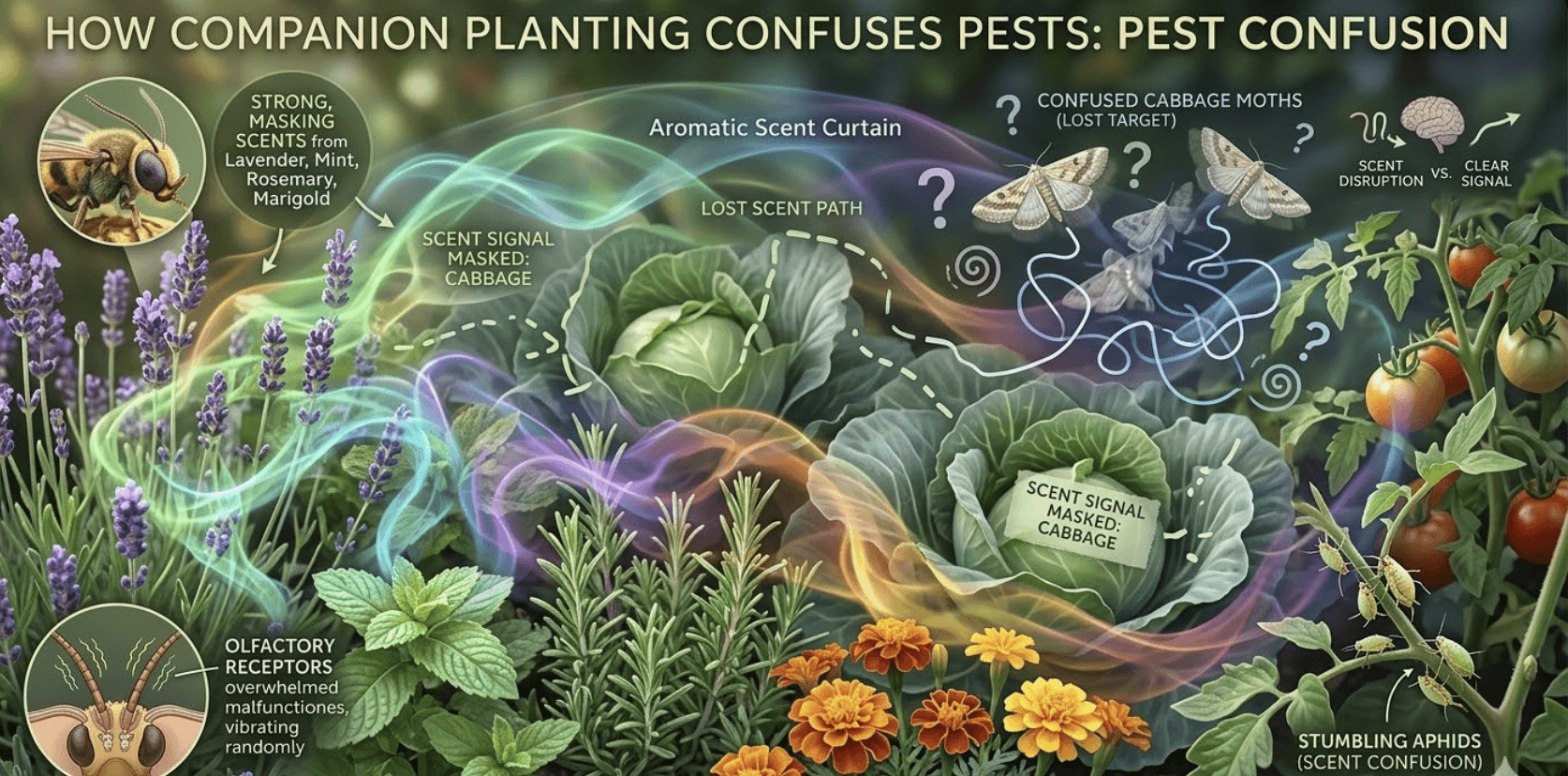
- Maximize bed footprint by intercropping herbs with vegetables using our Strategic Companion Planting Guide.
- Build fertile living soil for heavy-yielding basil and perennial herb beds with our masterclass on Regenerative Soil Biology and Fertility Systems.
- Plan your harvest succession cycles efficiently with our Ultimate Guide to Crop Planning for Market Gardeners.
- Explore wholesale and direct-to-consumer revenue channels in our comprehensive Market Garden Business Model Guide.
University Extension Research References
- Clemson University Cooperative Extension Service: Drying Herbs: Methods, Temperature Management, and Food Safety Standards. Home & Garden Information Center (HGIC 3086). Clemson Extension Herb Preservation.
- Oregon State University Extension Service: Preserving Herbs: Freezing, Dehydrating, and Storage Science. Food Preservation Fact Sheet SP 50-920.
- Colorado State University Extension: Preserving Herbs: Drying, Flavor Chemistry, and Packaging Guidelines. Food and Nutrition Series No. 9.335.
- Penn State Extension: Harvesting and Preserving Culinary and Medicinal Garden Herbs. Department of Horticulture.
Step-by-Step Instructions
Harvest Stems at Peak Morning Oil Concentration
Using sanitized bypass pruners, snip tender vegetative herb stems mid-morning after dew dries. Cut above a leaf node to stimulate secondary branching. Select disease-free stems harvested just before the plant forms flower buds, when vegetative essential oil concentration is highest.
Gentle Cleaning and Moisture Elimination
Shake stems to dislodge field dust and beneficial insects. If soil splatters are present, rinse gently under cold running water and immediately spin dry in a salad spinner. Pat completely dry between clean cotton towels; surface water droplets cause scorching and dark leaf spots during dehydration.
Strip Leaves or Arrange Whole Stems on Dehydrator Mesh
For small-leaf herbs (thyme, oregano, rosemary), place entire sprigs directly on dehydrator mesh trays. For broadleaf herbs (basil, sage), gently strip leaves from woody central stems. Arrange leaves in a single, non-overlapping layer with space between each leaf for continuous cross-flow air circulation.
Set Temperature to 95°F to 105°F and Run Airflow Cycle
Turn on your food dehydrator, dialing the thermostat between 95°F and 105°F (35°C to 40°C). Run continuous low-heat convection airflow for 4 to 12 hours depending on ambient relative humidity and the natural moisture density of the herb variety.
Perform the Brittle Snap and Crumble Test
Check herbs after 4 hours. Remove a sample stem and let it cool for 60 seconds. Bend the stem: it must snap cleanly with an audible crack. Rub a leaf between your thumb and forefinger: it must shatter crisply into dry flakes without any leathery resilience or damp coldness.
Condition Jars for Seven Days to Equalize Moisture
Pack dried herbs loosely into clean glass jars without crushing leaves. Seal tightly and place in a warm room for 7 days, shaking once daily. Check the glass walls: if any fogging or moisture condensation appears, return the batch to the dehydrator for 2 more hours.
Pack in Amber Glass with Oxygen Absorbers
Transfer conditioned whole herbs into dark amber glass jars. Drop one food-grade 50cc to 100cc oxygen absorber packet into the top of the jar to scrub residual headspace oxygen, seal the airtight lid firmly, and label with herb variety and harvest date.
Store in a Cool, Dark Pantry Away from Heat and Steam
Store sealed amber jars in a temperature-controlled pantry, closet, or herb cellar held between 50°F and 65°F (10°C to 18°C). Never store dried herbs directly above a stove, dishwasher, or sunny windowsill where heat spikes and humidity accelerate oil dissipation.
Expert Insights & FAQs
What is the best time of day to harvest garden herbs for drying?
Harvest herbs in the mid-morning after the morning dew has completely evaporated from the foliage, but before the hot midday sun causes volatile essential oils to volatilize and dissipate into the atmosphere. Plants synthesize and concentrate essential terpenes and oils overnight, reaching peak chemical potency in early morning.
Why should you never dehydrate culinary herbs above 105°F?
Volatile organic compounds, terpenes, and essential oils (such as linalool in basil, thymol in thyme, and carvacrol in oregano) possess low boiling points and vaporize at temperatures exceeding 105°F to 110°F. Drying at higher temperatures essentially bakes the herbs, destroying aromatic profiles, degrading antioxidant chlorophyll, and leaving behind flavorless green hay.
Which garden herbs are suitable for traditional air-hanging?
Woody, low-moisture herbs like rosemary, thyme, oregano, savory, sage, and lavender air-dry reliably in warm, well-ventilated rooms with low humidity (below 60%). High-moisture, succulent-leaf herbs like basil, mint, tarragon, lemon balm, and parsley should never be air-hung in humid climates, as they mold and turn black before moisture can evaporate.
How do you know when dehydrated herbs are completely dry?
Herbs are thoroughly dehydrated when stems snap crisply in half like dry kindling without bending or flexing, and leaves crumble into coarse flakes between your fingertips. If a leaf feels cool, spongy, or leathery when rubbed, residual water activity remains above safe storage thresholds.
What is jar conditioning and why is it necessary for dried herbs?
Conditioning is a 7-day post-drying quality verification step. Place newly dehydrated herbs loosely into a clear, sealed glass jar and shake daily. If visible moisture condensation or fogging appears on the inside of the glass, the batch is not dry enough for shelf storage and must return to the dehydrator immediately to prevent mold growth.
Should you store dried herbs whole or crush them into powder?
Always store dried culinary and medicinal herbs as whole intact leaves. The external glandular trichomes that protect volatile essential oils remain intact until the leaf is crushed. Grinding or crumbling herbs into flakes increases surface area exposure to atmospheric oxygen by hundreds of times, causing rapid flavor and aroma loss within weeks.
Why are amber glass jars superior to clear mason jars or plastic bags for herb storage?
Ultraviolet (UV) and blue light wavelengths penetrate clear glass and plastic, triggering photo-oxidation that degrades chlorophyll, fades bright green pigments, and breaks down medicinal compounds. Amber glass blocks 99% of harmful light rays, preserving enzymatic and chemical integrity for over 18 months.
Can home market gardeners legally sell dried culinary herbs under Cottage Food laws?
Yes, in nearly every US state, dried whole culinary herbs and single-ingredient dried seasoning blends qualify as non-potentially hazardous, shelf-stable foods permitted under Cottage Food legislation without commercial kitchen licenses, provided proper labeling guidelines (net weight, ingredients, producer address, and cottage food exemption statements) are followed.
Johnnie McCormick
Zone 7b/8a - North Central Alabama
Johnnie McCormick is a gardening hobbyist and the founder of My Garden Spot. Raised in north-central Alabama, his passion for gardening began in his youth. In 2008, he established a large market garden, teaching himself high-yield growing methods. In the years since, he has operated seasonal seedling sales for transplants, specializing in heirloom tomatoes, peppers, eggplants, decorative ground covers like Ajuga (Bugleweed), marigolds, nasturtiums, and fresh kitchen-window herb arrangements (basil, cilantro). Today, he gardens in the hills between Birmingham and Jasper, Alabama (Zone 7b/8a), sharing practical, community-focused gardening resources.
Verified Authoritative Citations & References
In alignment with our strict E-E-A-T research and verification guidelines, this guide cross-references data from the United States Department of Agriculture (USDA) and Cooperative Extension Service programs.
- Cornell Cooperative Extension: Home Vegetable Gardening Guide and vegetable variety recommendations. gardening.cals.cornell.edu
- Penn State Extension: Master Gardener Manual and companion planting matrices. extension.psu.edu
- Alabama Cooperative Extension System (ACES): Raised bed construction plans and regional seed planting calendars. aces.edu
- USDA NRCS: Cover crops and biological soil health guidelines. nrcs.usda.gov


Please log in to view comments.