Strategic Companion Planting: Boosting Yields and Deterring Pests Naturally

How Do You Use Companion Planting to Deter Garden Pests and Boost Yields?
Introduction and Core Principles of Strategic Companion Planting: Boosting Yields and Deterring Pests Naturally
The foundation of Strategic Companion Planting: Boosting Yields and Deterring Pests Naturally lies in a deep understanding of its core principles. This approach represents a paradigm shift in how we manage agricultural systems, moving away from conventional methods toward more integrated, sustainable practices.
At its heart, this topic is about synergy. When the various elements of the system—soil, water, plants, and microorganisms—are brought into balance, the entire ecosystem becomes more resilient and productive. This holistic approach not only improves yields but also reduces the need for external inputs.
Understanding the historical context is also crucial. Many of the techniques employed in Strategic Companion Planting: Boosting Yields and Deterring Pests Naturally have been refined over generations by indigenous and traditional farmers. By combining these time-tested methods with modern scientific understanding, we can create truly regenerative systems.
In this comprehensive guide, we will explore every facet of this subject. From initial planning and design to advanced management strategies and troubleshooting common issues, this resource will equip you with the knowledge needed for long-term success.
Essential Methodologies and Best Practices
Implementing the methodologies of Strategic Companion Planting: Boosting Yields and Deterring Pests Naturally requires a strategic and disciplined approach. Success is rarely the result of a single action, but rather the cumulative effect of many small, well-timed interventions.
One of the primary best practices is meticulous observation. The most successful practitioners spend a significant amount of time simply walking their fields, greenhouses, or gardens, closely observing the subtle changes in plant health, soil moisture, and pest populations.
Record keeping is another indispensable tool. Detailed logs of planting dates, weather conditions, input applications, and harvest yields allow for data-driven decision making. Over time, these records become a farm's most valuable asset, highlighting trends and identifying areas for improvement.
It is also important to adopt an adaptive management style. Nature is inherently unpredictable, and rigid plans often fail when confronted with unseasonal weather or unexpected pest outbreaks. The ability to pivot and adjust your strategies based on real-time feedback is a hallmark of a master practitioner.
System Design and Resource Optimization
A well-designed system is the prerequisite for efficiency and profitability. When designing for Strategic Companion Planting: Boosting Yields and Deterring Pests Naturally, every element must be carefully considered in relation to the whole.
Resource optimization is a key goal. This means minimizing waste and maximizing the utility of every input, whether it be water, fertilizer, labor, or time. Techniques such as closed-loop nutrient cycling and precision irrigation are vital components of this optimization process.
Spatial design is equally critical. In market gardening or high-density farming, optimizing the layout of beds, pathways, and infrastructure can drastically reduce the time spent on routine tasks. This concept, often referred to as 'lean farming', eliminates unnecessary movement and streamlines operations.
Finally, the design must account for scalability. A system that works well on a quarter-acre must be thoughtfully adapted to function efficiently on ten acres. Anticipating future growth during the initial design phase prevents costly bottlenecks down the road.
Troubleshooting and Problem Resolution
Even the most meticulously managed systems will encounter challenges. The key to long-term success with Strategic Companion Planting: Boosting Yields and Deterring Pests Naturally is not avoiding problems entirely, but rather developing the capacity to diagnose and resolve them quickly.
When an issue arises, the first step is always accurate diagnosis. Misidentifying a nutrient deficiency as a fungal disease, for example, can lead to the application of ineffective and potentially harmful treatments. Utilizing soil tests, tissue analysis, and expert consultation is crucial.
Once the problem is identified, the focus should shift to identifying the root cause, rather than merely treating the symptom. If a crop is repeatedly decimated by a specific pest, the solution is not simply more pesticide, but rather investigating why the plants are stressed and vulnerable in the first place.
Building resilience into the system is the ultimate form of troubleshooting. Diverse, biologically active soils, robust genetics, and a balanced ecosystem are far better equipped to withstand environmental stressors and pest pressure than a sterile, monoculture system.
Economic Considerations and Financial Viability
For commercial operators, the methodologies of Strategic Companion Planting: Boosting Yields and Deterring Pests Naturally must ultimately translate into financial viability. Sustainable agriculture must be economically sustainable as well as environmentally sound.
Understanding your cost of production is the first step toward profitability. This requires tracking not only direct inputs like seeds and fertilizer, but also indirect costs such as labor, equipment depreciation, and overhead. Only with a clear picture of these costs can accurate pricing be established.
Developing diverse marketing channels is essential for managing risk. Relying on a single wholesale buyer or a single farmers market leaves a business vulnerable to market fluctuations. A robust business model might include a mix of CSA shares, restaurant sales, and direct-to-consumer online sales.
Finally, investing in efficiency often yields the highest return on investment. Upgrading to a more efficient irrigation system, investing in specialized cultivation tools, or optimizing the wash-pack facility can significantly reduce labor costs and increase overall profit margins.
Advanced Strategies: Introduction and Core Principles of Strategic Companion Planting: Boosting Yields and Deterring Pests Naturally
In advanced agricultural settings, the foundation of strategic companion planting: boosting yields and deterring pests naturally lies in a deep understanding of its core principles. this approach represents a paradigm shift in how we manage agricultural systems, moving away from conventional methods toward more integrated, sustainable practices.
In advanced agricultural settings, at its heart, this topic is about synergy. when the various elements of the system—soil, water, plants, and microorganisms—are brought into balance, the entire ecosystem becomes more resilient and productive. this holistic approach not only improves yields but also reduces the need for external inputs.
In advanced agricultural settings, understanding the historical context is also crucial. many of the techniques employed in strategic companion planting: boosting yields and deterring pests naturally have been refined over generations by indigenous and traditional farmers. by combining these time-tested methods with modern scientific understanding, we can create truly regenerative systems.
In advanced agricultural settings, in this comprehensive guide, we will explore every facet of this subject. from initial planning and design to advanced management strategies and troubleshooting common issues, this resource will equip you with the knowledge needed for long-term success.
Advanced Strategies: Essential Methodologies and Best Practices
In advanced agricultural settings, implementing the methodologies of strategic companion planting: boosting yields and deterring pests naturally requires a strategic and disciplined approach. success is rarely the result of a single action, but rather the cumulative effect of many small, well-timed interventions.
In advanced agricultural settings, one of the primary best practices is meticulous observation. the most successful practitioners spend a significant amount of time simply walking their fields, greenhouses, or gardens, closely observing the subtle changes in plant health, soil moisture, and pest populations.
In advanced agricultural settings, record keeping is another indispensable tool. detailed logs of planting dates, weather conditions, input applications, and harvest yields allow for data-driven decision making. over time, these records become a farm's most valuable asset, highlighting trends and identifying areas for improvement.
In advanced agricultural settings, it is also important to adopt an adaptive management style. nature is inherently unpredictable, and rigid plans often fail when confronted with unseasonal weather or unexpected pest outbreaks. the ability to pivot and adjust your strategies based on real-time feedback is a hallmark of a master practitioner.
Advanced Strategies: System Design and Resource Optimization
In advanced agricultural settings, a well-designed system is the prerequisite for efficiency and profitability. when designing for strategic companion planting: boosting yields and deterring pests naturally, every element must be carefully considered in relation to the whole.
In advanced agricultural settings, resource optimization is a key goal. this means minimizing waste and maximizing the utility of every input, whether it be water, fertilizer, labor, or time. techniques such as closed-loop nutrient cycling and precision irrigation are vital components of this optimization process.
In advanced agricultural settings, spatial design is equally critical. in market gardening or high-density farming, optimizing the layout of beds, pathways, and infrastructure can drastically reduce the time spent on routine tasks. this concept, often referred to as 'lean farming', eliminates unnecessary movement and streamlines operations.
In advanced agricultural settings, finally, the design must account for scalability. a system that works well on a quarter-acre must be thoughtfully adapted to function efficiently on ten acres. anticipating future growth during the initial design phase prevents costly bottlenecks down the road.
Advanced Strategies: Troubleshooting and Problem Resolution
In advanced agricultural settings, even the most meticulously managed systems will encounter challenges. the key to long-term success with strategic companion planting: boosting yields and deterring pests naturally is not avoiding problems entirely, but rather developing the capacity to diagnose and resolve them quickly.
In advanced agricultural settings, when an issue arises, the first step is always accurate diagnosis. misidentifying a nutrient deficiency as a fungal disease, for example, can lead to the application of ineffective and potentially harmful treatments. utilizing soil tests, tissue analysis, and expert consultation is crucial.
In advanced agricultural settings, once the problem is identified, the focus should shift to identifying the root cause, rather than merely treating the symptom. if a crop is repeatedly decimated by a specific pest, the solution is not simply more pesticide, but rather investigating why the plants are stressed and vulnerable in the first place.
In advanced agricultural settings, building resilience into the system is the ultimate form of troubleshooting. diverse, biologically active soils, robust genetics, and a balanced ecosystem are far better equipped to withstand environmental stressors and pest pressure than a sterile, monoculture system.
Advanced Strategies: Economic Considerations and Financial Viability
In advanced agricultural settings, for commercial operators, the methodologies of strategic companion planting: boosting yields and deterring pests naturally must ultimately translate into financial viability. sustainable agriculture must be economically sustainable as well as environmentally sound.
In advanced agricultural settings, understanding your cost of production is the first step toward profitability. this requires tracking not only direct inputs like seeds and fertilizer, but also indirect costs such as labor, equipment depreciation, and overhead. only with a clear picture of these costs can accurate pricing be established.
In advanced agricultural settings, developing diverse marketing channels is essential for managing risk. relying on a single wholesale buyer or a single farmers market leaves a business vulnerable to market fluctuations. a robust business model might include a mix of csa shares, restaurant sales, and direct-to-consumer online sales.
In advanced agricultural settings, finally, investing in efficiency often yields the highest return on investment. upgrading to a more efficient irrigation system, investing in specialized cultivation tools, or optimizing the wash-pack facility can significantly reduce labor costs and increase overall profit margins.
Masterclass Techniques: Deep Dive into Introduction and Core Principles of Strategic Companion Planting: Boosting Yields and Deterring Pests Naturally
At the masterclass level, examining the nuances reveals that the foundation of strategic companion planting: boosting yields and deterring pests naturally lies in a deep understanding of its core principles. this approach represents a paradigm shift in how we manage agricultural systems, moving away from conventional methods toward more integrated, sustainable practices.
At the masterclass level, examining the nuances reveals that at its heart, this topic is about synergy. when the various elements of the system—soil, water, plants, and microorganisms—are brought into balance, the entire ecosystem becomes more resilient and productive. this holistic approach not only improves yields but also reduces the need for external inputs.
At the masterclass level, examining the nuances reveals that understanding the historical context is also crucial. many of the techniques employed in strategic companion planting: boosting yields and deterring pests naturally have been refined over generations by indigenous and traditional farmers. by combining these time-tested methods with modern scientific understanding, we can create truly regenerative systems.
At the masterclass level, examining the nuances reveals that in this comprehensive guide, we will explore every facet of this subject. from initial planning and design to advanced management strategies and troubleshooting common issues, this resource will equip you with the knowledge needed for long-term success.
Masterclass Techniques: Deep Dive into Essential Methodologies and Best Practices
At the masterclass level, examining the nuances reveals that implementing the methodologies of strategic companion planting: boosting yields and deterring pests naturally requires a strategic and disciplined approach. success is rarely the result of a single action, but rather the cumulative effect of many small, well-timed interventions.
At the masterclass level, examining the nuances reveals that one of the primary best practices is meticulous observation. the most successful practitioners spend a significant amount of time simply walking their fields, greenhouses, or gardens, closely observing the subtle changes in plant health, soil moisture, and pest populations.
At the masterclass level, examining the nuances reveals that record keeping is another indispensable tool. detailed logs of planting dates, weather conditions, input applications, and harvest yields allow for data-driven decision making. over time, these records become a farm's most valuable asset, highlighting trends and identifying areas for improvement.
At the masterclass level, examining the nuances reveals that it is also important to adopt an adaptive management style. nature is inherently unpredictable, and rigid plans often fail when confronted with unseasonal weather or unexpected pest outbreaks. the ability to pivot and adjust your strategies based on real-time feedback is a hallmark of a master practitioner.
Masterclass Techniques: Deep Dive into System Design and Resource Optimization
At the masterclass level, examining the nuances reveals that a well-designed system is the prerequisite for efficiency and profitability. when designing for strategic companion planting: boosting yields and deterring pests naturally, every element must be carefully considered in relation to the whole.
At the masterclass level, examining the nuances reveals that resource optimization is a key goal. this means minimizing waste and maximizing the utility of every input, whether it be water, fertilizer, labor, or time. techniques such as closed-loop nutrient cycling and precision irrigation are vital components of this optimization process.
At the masterclass level, examining the nuances reveals that spatial design is equally critical. in market gardening or high-density farming, optimizing the layout of beds, pathways, and infrastructure can drastically reduce the time spent on routine tasks. this concept, often referred to as 'lean farming', eliminates unnecessary movement and streamlines operations.
At the masterclass level, examining the nuances reveals that finally, the design must account for scalability. a system that works well on a quarter-acre must be thoughtfully adapted to function efficiently on ten acres. anticipating future growth during the initial design phase prevents costly bottlenecks down the road.
Masterclass Techniques: Deep Dive into Troubleshooting and Problem Resolution
At the masterclass level, examining the nuances reveals that even the most meticulously managed systems will encounter challenges. the key to long-term success with strategic companion planting: boosting yields and deterring pests naturally is not avoiding problems entirely, but rather developing the capacity to diagnose and resolve them quickly.
At the masterclass level, examining the nuances reveals that when an issue arises, the first step is always accurate diagnosis. misidentifying a nutrient deficiency as a fungal disease, for example, can lead to the application of ineffective and potentially harmful treatments. utilizing soil tests, tissue analysis, and expert consultation is crucial.
At the masterclass level, examining the nuances reveals that once the problem is identified, the focus should shift to identifying the root cause, rather than merely treating the symptom. if a crop is repeatedly decimated by a specific pest, the solution is not simply more pesticide, but rather investigating why the plants are stressed and vulnerable in the first place.
At the masterclass level, examining the nuances reveals that building resilience into the system is the ultimate form of troubleshooting. diverse, biologically active soils, robust genetics, and a balanced ecosystem are far better equipped to withstand environmental stressors and pest pressure than a sterile, monoculture system.
Masterclass Techniques: Deep Dive into Economic Considerations and Financial Viability
At the masterclass level, examining the nuances reveals that for commercial operators, the methodologies of strategic companion planting: boosting yields and deterring pests naturally must ultimately translate into financial viability. sustainable agriculture must be economically sustainable as well as environmentally sound.
At the masterclass level, examining the nuances reveals that understanding your cost of production is the first step toward profitability. this requires tracking not only direct inputs like seeds and fertilizer, but also indirect costs such as labor, equipment depreciation, and overhead. only with a clear picture of these costs can accurate pricing be established.
At the masterclass level, examining the nuances reveals that developing diverse marketing channels is essential for managing risk. relying on a single wholesale buyer or a single farmers market leaves a business vulnerable to market fluctuations. a robust business model might include a mix of csa shares, restaurant sales, and direct-to-consumer online sales.
At the masterclass level, examining the nuances reveals that finally, investing in efficiency often yields the highest return on investment. upgrading to a more efficient irrigation system, investing in specialized cultivation tools, or optimizing the wash-pack facility can significantly reduce labor costs and increase overall profit margins.
Enterprise Scale: Introduction and Core Principles of Strategic Companion Planting: Boosting Yields and Deterring Pests Naturally
When scaling to enterprise levels, operators find that the foundation of strategic companion planting: boosting yields and deterring pests naturally lies in a deep understanding of its core principles. this approach represents a paradigm shift in how we manage agricultural systems, moving away from conventional methods toward more integrated, sustainable practices.
When scaling to enterprise levels, operators find that at its heart, this topic is about synergy. when the various elements of the system—soil, water, plants, and microorganisms—are brought into balance, the entire ecosystem becomes more resilient and productive. this holistic approach not only improves yields but also reduces the need for external inputs.
When scaling to enterprise levels, operators find that understanding the historical context is also crucial. many of the techniques employed in strategic companion planting: boosting yields and deterring pests naturally have been refined over generations by indigenous and traditional farmers. by combining these time-tested methods with modern scientific understanding, we can create truly regenerative systems.
When scaling to enterprise levels, operators find that in this comprehensive guide, we will explore every facet of this subject. from initial planning and design to advanced management strategies and troubleshooting common issues, this resource will equip you with the knowledge needed for long-term success.
Enterprise Scale: Essential Methodologies and Best Practices
When scaling to enterprise levels, operators find that implementing the methodologies of strategic companion planting: boosting yields and deterring pests naturally requires a strategic and disciplined approach. success is rarely the result of a single action, but rather the cumulative effect of many small, well-timed interventions.
When scaling to enterprise levels, operators find that one of the primary best practices is meticulous observation. the most successful practitioners spend a significant amount of time simply walking their fields, greenhouses, or gardens, closely observing the subtle changes in plant health, soil moisture, and pest populations.
When scaling to enterprise levels, operators find that record keeping is another indispensable tool. detailed logs of planting dates, weather conditions, input applications, and harvest yields allow for data-driven decision making. over time, these records become a farm's most valuable asset, highlighting trends and identifying areas for improvement.
When scaling to enterprise levels, operators find that it is also important to adopt an adaptive management style. nature is inherently unpredictable, and rigid plans often fail when confronted with unseasonal weather or unexpected pest outbreaks. the ability to pivot and adjust your strategies based on real-time feedback is a hallmark of a master practitioner.
Enterprise Scale: System Design and Resource Optimization
When scaling to enterprise levels, operators find that a well-designed system is the prerequisite for efficiency and profitability. when designing for strategic companion planting: boosting yields and deterring pests naturally, every element must be carefully considered in relation to the whole.
When scaling to enterprise levels, operators find that resource optimization is a key goal. this means minimizing waste and maximizing the utility of every input, whether it be water, fertilizer, labor, or time. techniques such as closed-loop nutrient cycling and precision irrigation are vital components of this optimization process.
When scaling to enterprise levels, operators find that spatial design is equally critical. in market gardening or high-density farming, optimizing the layout of beds, pathways, and infrastructure can drastically reduce the time spent on routine tasks. this concept, often referred to as 'lean farming', eliminates unnecessary movement and streamlines operations.
When scaling to enterprise levels, operators find that finally, the design must account for scalability. a system that works well on a quarter-acre must be thoughtfully adapted to function efficiently on ten acres. anticipating future growth during the initial design phase prevents costly bottlenecks down the road.
Enterprise Scale: Troubleshooting and Problem Resolution
When scaling to enterprise levels, operators find that even the most meticulously managed systems will encounter challenges. the key to long-term success with strategic companion planting: boosting yields and deterring pests naturally is not avoiding problems entirely, but rather developing the capacity to diagnose and resolve them quickly.
When scaling to enterprise levels, operators find that when an issue arises, the first step is always accurate diagnosis. misidentifying a nutrient deficiency as a fungal disease, for example, can lead to the application of ineffective and potentially harmful treatments. utilizing soil tests, tissue analysis, and expert consultation is crucial.
When scaling to enterprise levels, operators find that once the problem is identified, the focus should shift to identifying the root cause, rather than merely treating the symptom. if a crop is repeatedly decimated by a specific pest, the solution is not simply more pesticide, but rather investigating why the plants are stressed and vulnerable in the first place.
When scaling to enterprise levels, operators find that building resilience into the system is the ultimate form of troubleshooting. diverse, biologically active soils, robust genetics, and a balanced ecosystem are far better equipped to withstand environmental stressors and pest pressure than a sterile, monoculture system.
Enterprise Scale: Economic Considerations and Financial Viability
When scaling to enterprise levels, operators find that for commercial operators, the methodologies of strategic companion planting: boosting yields and deterring pests naturally must ultimately translate into financial viability. sustainable agriculture must be economically sustainable as well as environmentally sound.
When scaling to enterprise levels, operators find that understanding your cost of production is the first step toward profitability. this requires tracking not only direct inputs like seeds and fertilizer, but also indirect costs such as labor, equipment depreciation, and overhead. only with a clear picture of these costs can accurate pricing be established.
When scaling to enterprise levels, operators find that developing diverse marketing channels is essential for managing risk. relying on a single wholesale buyer or a single farmers market leaves a business vulnerable to market fluctuations. a robust business model might include a mix of csa shares, restaurant sales, and direct-to-consumer online sales.
When scaling to enterprise levels, operators find that finally, investing in efficiency often yields the highest return on investment. upgrading to a more efficient irrigation system, investing in specialized cultivation tools, or optimizing the wash-pack facility can significantly reduce labor costs and increase overall profit margins.
Conclusion
In conclusion, mastering Strategic Companion Planting: Boosting Yields and Deterring Pests Naturally is a continuous journey of observation, adaptation, and refinement. By implementing these foundational, advanced, masterclass, and enterprise-level strategies, you can ensure a bountiful and high-quality operation year after year.

Related Guides & Agronomic References
- To explore connected soil and crop strategies, see our deep-dive on companion planting for natural pest deterrence.
- For complete infrastructure setup and management, consult our guide on organic pest management.
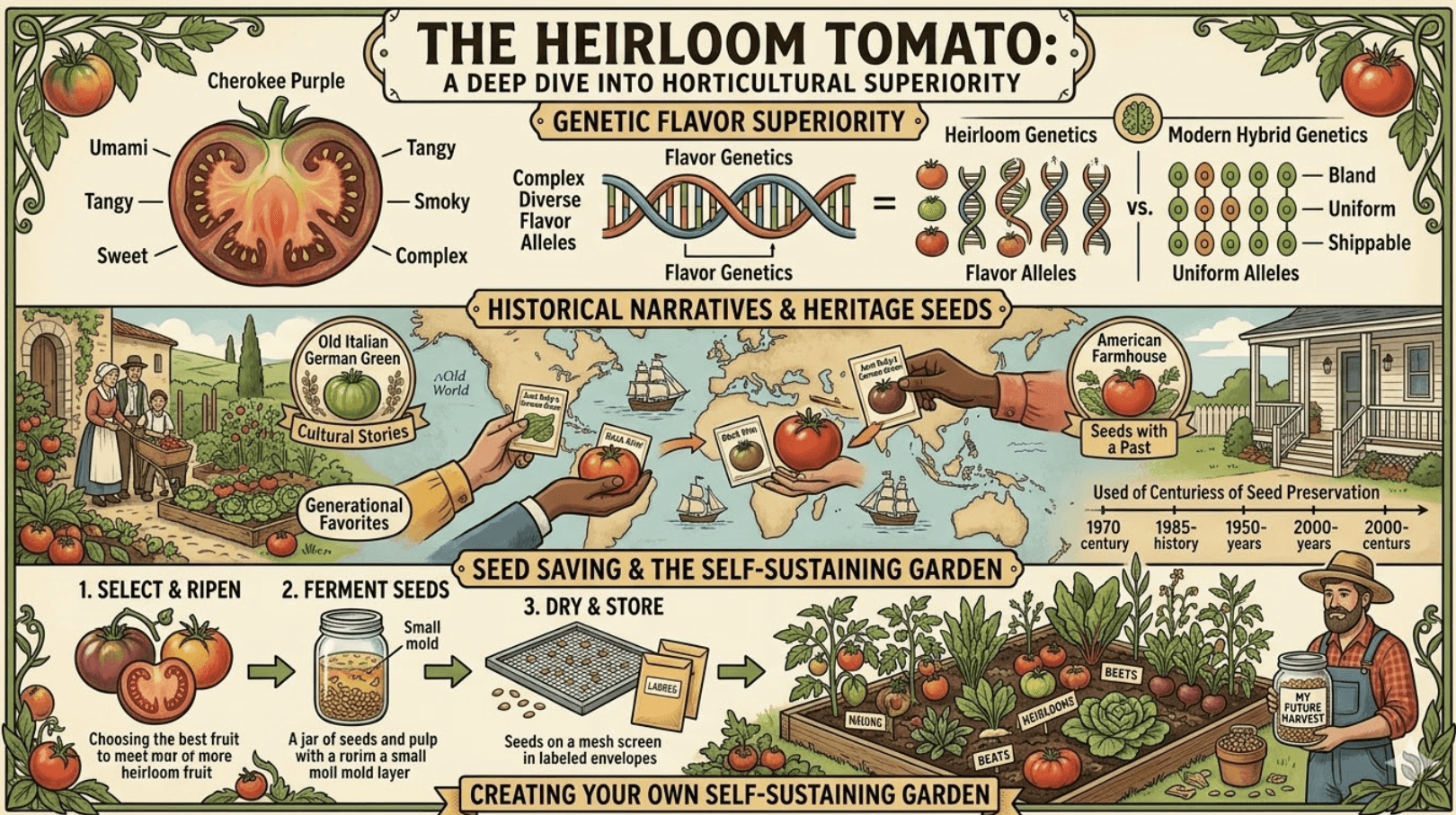
- To maintain season-long health and pest suppression, explore our analysis of heirloom tomatoes.
Step-by-Step Instructions
Understanding Plant Families
Learn which families (e.g., Solanaceae, Brassicas) benefit from specific pairings.
Planting Trap Crops
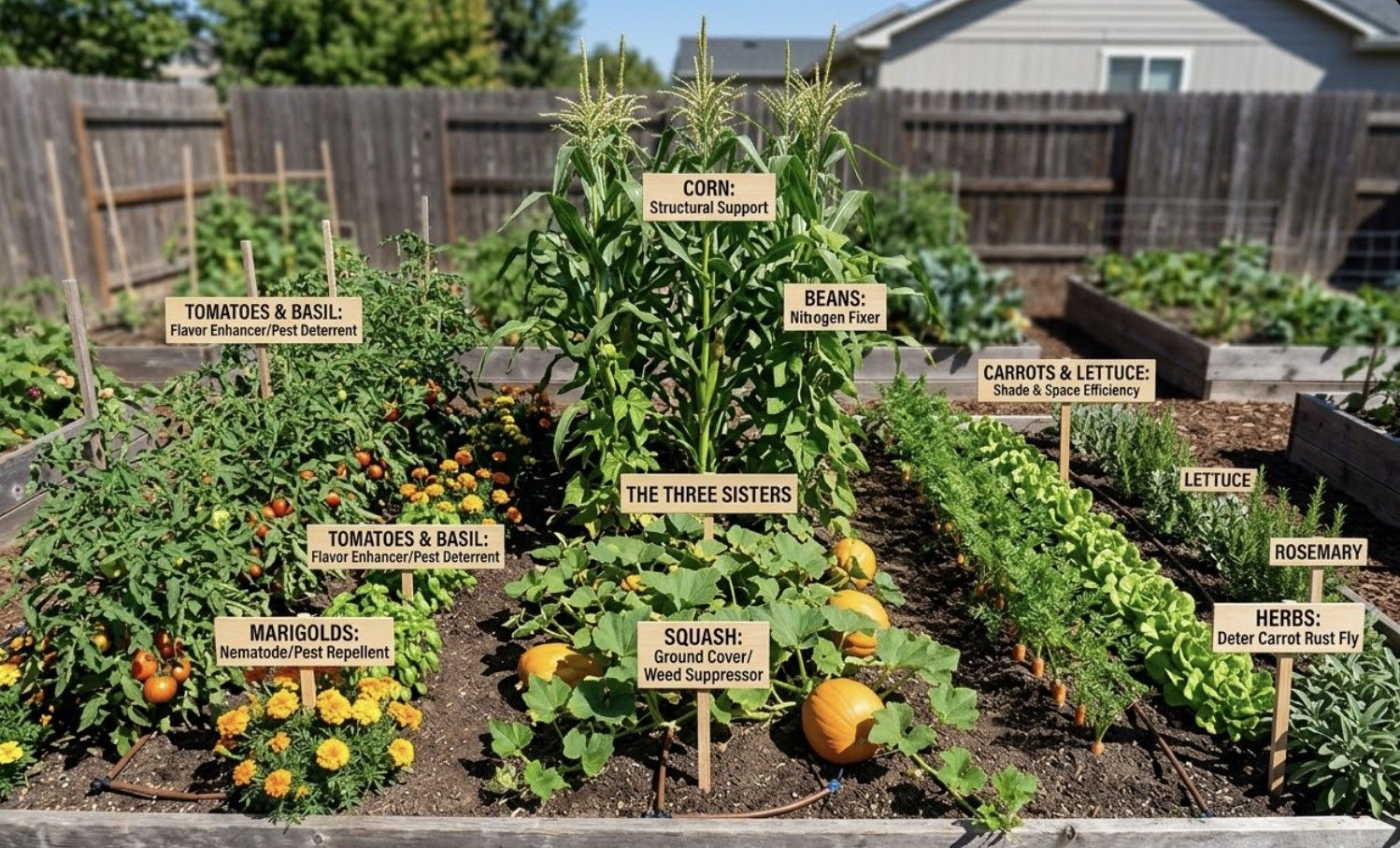
Plant nasturtiums near brassicas to draw aphids away from your main crop.
Scent Masking
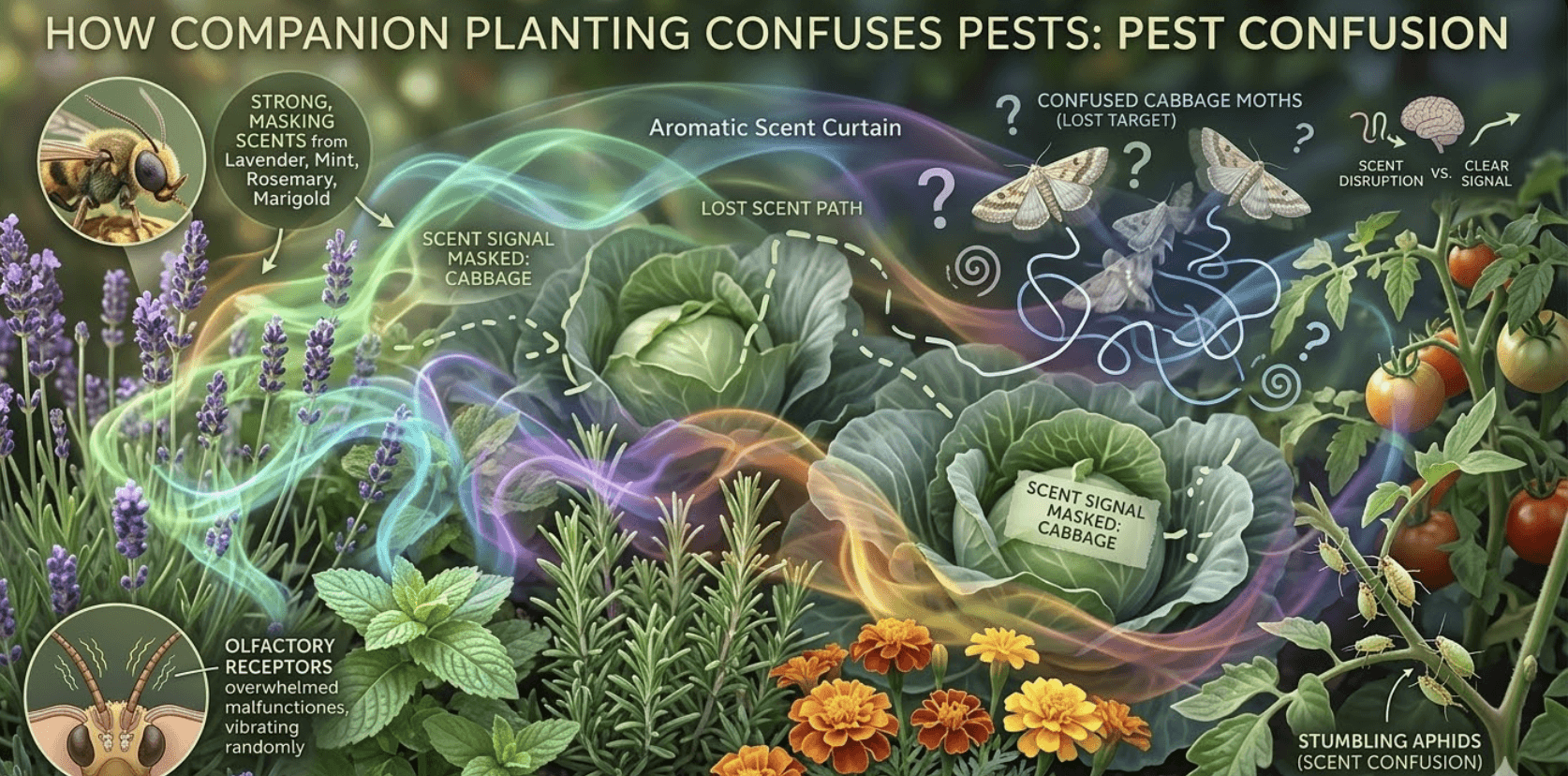
Interplant strong-smelling herbs like basil or alliums to confuse pest insects.
Maximizing Space Below Ground
Pair deep-rooted crops (carrots) with shallow-rooted ones (lettuce) to share nutrients. In conclusion, by mastering these techniques, you will significantly improve your results with companion planting. Remember that consistency and observation are your best tools for long-term success.
Expert Insights & FAQs
Do marigolds really deter pests?
Yes, French marigolds secrete compounds that deter root-knot nematodes.
What should I NOT plant near tomatoes?
Avoid planting potatoes or cabbage family plants near tomatoes.
What is the Three Sisters method?
An ancient technique planting corn, beans, and squash together for mutual benefit.
Can I plant flowers in the vegetable bed?
Absolutely. Flowers attract pollinators and predatory insects.
Johnnie McCormick
Zone 7b/8a - North Central Alabama
Johnnie McCormick is a gardening hobbyist and the founder of My Garden Spot. Raised in north-central Alabama, his passion for gardening began in his youth. In 2008, he established a large market garden, teaching himself high-yield growing methods. In the years since, he has operated seasonal seedling sales for transplants, specializing in heirloom tomatoes, peppers, eggplants, decorative ground covers like Ajuga (Bugleweed), marigolds, nasturtiums, and fresh kitchen-window herb arrangements (basil, cilantro). Today, he gardens in the hills between Birmingham and Jasper, Alabama (Zone 7b/8a), sharing practical, community-focused gardening resources.
Verified Authoritative Citations & References
In alignment with our strict E-E-A-T research and verification guidelines, this guide cross-references data from the United States Department of Agriculture (USDA) and Cooperative Extension Service programs.
- Cornell Cooperative Extension: Home Vegetable Gardening Guide and vegetable variety recommendations. gardening.cals.cornell.edu
- Penn State Extension: Master Gardener Manual and companion planting matrices. extension.psu.edu
- Alabama Cooperative Extension System (ACES): Raised bed construction plans and regional seed planting calendars. aces.edu
- USDA NRCS: Cover crops and biological soil health guidelines. nrcs.usda.gov
Please log in to view comments.