Summer Hydroponics: Chilling Nutrient Solutions and Preventing Pythium (Root Rot)

1. What Are the Thermodynamic Drivers of Nutrient Solution Warming in Summer Hydroponics?
The foundational principle of thermal dynamics in any recirculating aqueous agricultural system relies on the intricate and constant balance of heat ingress versus heat dissipation. In a greenhouse or outdoor summer environment, the nutrient solution reservoir, along with the extensive network of PVC or high-density polyethylene delivery lines, acts as a massive and highly receptive thermal sink. Heat conduction, meticulously governed by Fourier’s Law of Heat Conduction, dictates the exact rate at which thermal energy transfers from the hot ambient air through the physical walls of the reservoir and piping directly into the water matrix. Because water possesses an exceptionally high specific heat capacity (approximately 4.184 Joules per gram per degree Celsius), it requires a massive influx of energy to raise its temperature. However, this same physical property dictates that it subsequently retains that captured thermal energy with stubborn persistence, making passive cooling nearly impossible in high ambient heat.
Convective heat transfer further complicates the dynamic thermal profile of a hydroponic environment. As warm air circulates within the grow space, Newton's Law of Cooling defines the convective heat flux occurring at the boundary layer between the ambient atmosphere and the exposed surfaces of the hydroponic infrastructure. In Deep Water Culture (DWC) or Nutrient Film Technique (NFT) systems, the inherently large surface-to-volume ratio maximizes the convective surface area, allowing for rapid thermal equilibration with the suffocating greenhouse air. Furthermore, the fluid dynamics of the nutrient solution itself—specifically the transition from laminar to turbulent flow within the irrigation piping—drastically alters the convective heat transfer coefficient. While turbulent flow is excellent for mixing nutrient salts, it effectively accelerates the warming of the entire recirculating volume by rapidly stripping heat from the hot inner pipe walls and integrating it into the bulk fluid.
Radiant heat transfer presents the most insidious and difficult-to-mitigate thermal load, particularly in sunlit greenhouses or indoor setups utilizing high-intensity discharge (HID) lighting systems. The Stefan-Boltzmann Law illustrates that the thermal radiation absorbed by the hydroponic system is proportional to the fourth power of the absolute temperature of the radiating body. Dark-colored reservoirs, black polyethylene tubing, and unshielded grow trays act as near-perfect blackbody absorbers, efficiently capturing shortwave solar radiation and converting it instantaneously into longwave thermal energy directly within the water column. Without highly reflective barriers or strategic structural shading, the radiant heat flux can independently raise nutrient solution temperatures by several degrees per hour, bypassing convective and conductive barriers entirely.
Ultimately, mastering the thermodynamics of a summer hydroponic system requires an engineer's approach to calculating the aggregate thermal load. This represents the absolute sum of conductive, convective, and radiant heat gains, alongside the continuous parasitic mechanical heat generated by submerged pumps and air compressors. This cumulative heat load strictly determines the exact tonnage or British Thermal Unit (BTU) extraction capacity required by a mechanical vapor-compression chilling unit. If the rate of heat removal does not permanently exceed the rate of heat ingress, the system will inevitably cross the biological danger threshold of 25°C, triggering a cascading series of physical and biological failures that severely compromise crop viability.
2. How Does Elevated Temperature Alter Dissolved Oxygen (DO) Saturation Dynamics?
The relationship between aqueous temperature and dissolved gas solubility is rigorously defined by Henry’s Law, which states that the concentration of a dissolved gas in a liquid is directly proportional to the partial pressure of that gas above the liquid surface. However, the Henry's Law volatility constant is profoundly temperature-dependent. As the thermal energy of the nutrient solution increases due to summer heat, the kinetic energy of the dissolved diatomic oxygen molecules also increases proportionally. This heightened kinetic state allows the individual oxygen molecules to easily overcome the delicate intermolecular hydrogen-bonding forces of the water matrix, causing them to physically boil out of the solution and vaporize back into the atmosphere, completely depleting the system of oxygen.
At an optimal hydroponic temperature of 20°C (68°F), pure water can hold approximately 9.1 milligrams per liter (mg/L) or parts per million (ppm) of dissolved oxygen at standard atmospheric pressure. If the summer ambient heat drives the reservoir temperature up to 30°C (86°F), the maximum physical oxygen saturation capacity plummets drastically to roughly 7.5 mg/L. While this nominal drop of 1.6 mg/L may seem mathematically trivial to an untrained cultivator, it represents a catastrophic reduction in the absolute biological carrying capacity of the rhizosphere. When factoring in the heavy dissolved mineral salts of the hydroponic nutrient profile, the actual DO saturation ceiling is pushed even lower due to the "salting-out" effect, where dissolved ions physically displace gas molecules within the solvent structure.
The challenge of maintaining high dissolved oxygen is further compounded by the physical mechanics of gas mass transfer. Surface agitation, micro-bubblers, and Venturi injectors all rely on maximizing the gas-liquid interfacial area to facilitate oxygen mass transfer, mathematically represented by the volumetric mass transfer coefficient (kLa). However, in severely warmed water, even an infinite kLa value cannot force the solution to hold more oxygen than the thermodynamic equilibrium strictly dictates. The injected air bubbles simply break the surface tension and escape uselessly into the atmosphere without dissolving into the bulk fluid, rendering massive air compressors highly inefficient and practically useless at elevated temperatures.
| Temperature (°C) | Temperature (°F) | Max DO Saturation (mg/L at 0 Salinity) | Root Respiration Rate Multiplier (Q10) |
|---|---|---|---|
| 15 | 59 | 10.08 | 0.7x |
| 20 | 68 | 9.09 | 1.0x (Baseline Optimal) |
| 25 | 77 | 8.26 | 1.5x (Stress Induction) |
| 30 | 86 | 7.56 | 2.0x (Critical Hypoxic Danger) |
This physical limitation directly collides with the biological reality of the crop. As detailed in the empirical data above, the maximum oxygen carrying capacity of the fluid drops precisely as the biological oxygen demand (BOD) of the root system skyrockets. Therefore, mechanical chilling is not an optional luxury for high-performance summer hydroponics; it is an absolute biophysical necessity. By artificially depressing the temperature of the nutrient solution via titanium heat exchangers, the cultivator manipulates the fundamental thermodynamic parameters of the water, forcing the Henry's Law equilibrium back into a state that favors dense dissolved oxygen retention.
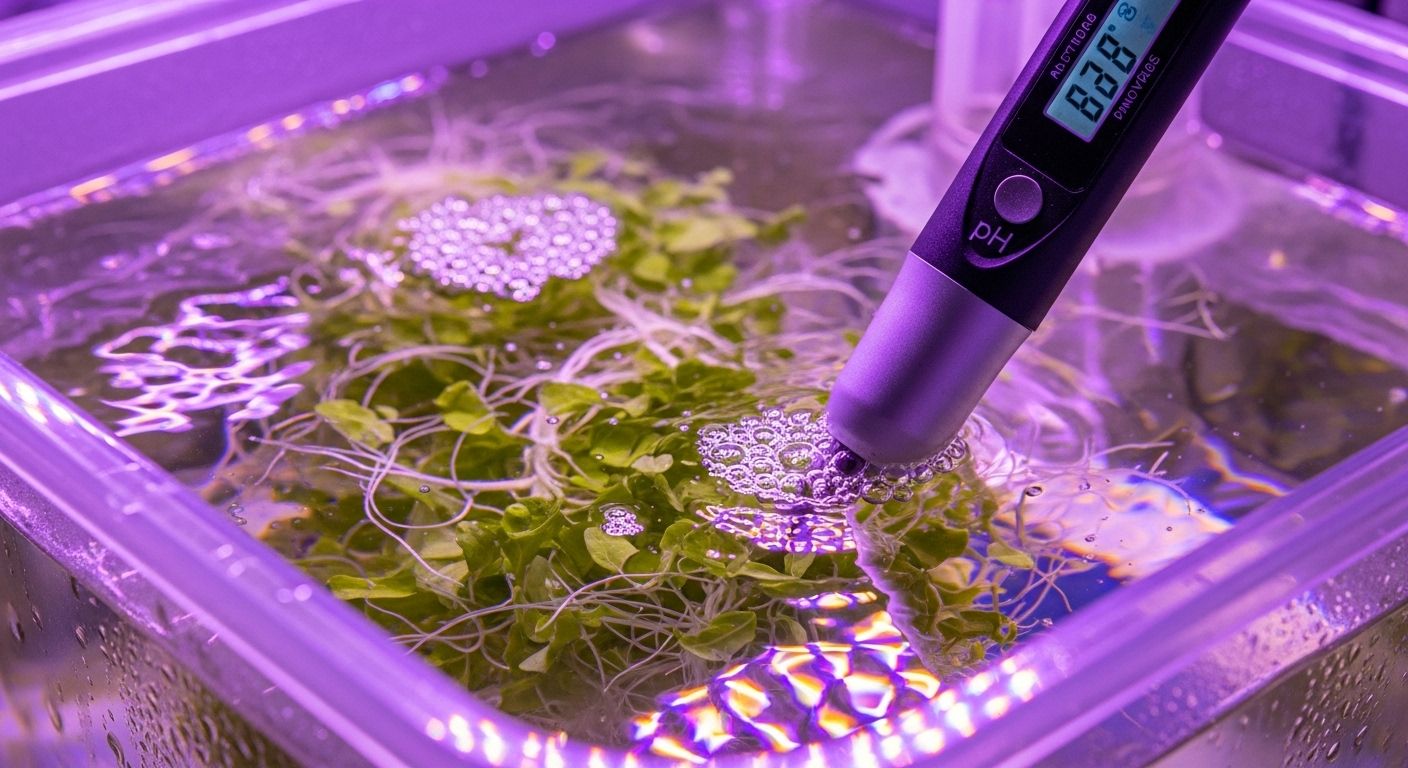
3. What Are the Biochemical Consequences of Root Zone Hypoxia in Hydroponic Crops?
The metabolic demand for oxygen within a plant’s complex root system follows a terrifying exponential trajectory as temperatures climb toward the summer peak. This biological phenomenon is quantified by the Q10 temperature coefficient, a metric representing the factor by which the rate of a biochemical process increases for every 10-degree Celsius rise in ambient temperature. For most terrestrial and hydroponically cultivated crop roots, the Q10 value for cellular aerobic respiration is approximately 2.0. This biological constant dictates that as the nutrient solution warms from a comfortable 20°C to a stressful 30°C, the roots literally double their baseline metabolic rate, effectively doubling their absolute demand for dissolved oxygen simply to sustain aerobic ATP synthesis via mitochondrial oxidative phosphorylation.
When localized oxygen demand rapidly outstrips the maximum dissolved oxygen supply physically available in the warm water, the root tissues enter a state of severe physiological hypoxia. To survive the immediate lack of terminal electron acceptors in the electron transport chain, the root cells are forced to abandon highly efficient aerobic respiration, which ordinarily yields roughly 36 ATP molecules per glucose molecule. Instead, they are biochemically forced to shift entirely to inefficient anaerobic fermentative metabolism, which yields a meager 2 ATP molecules per glucose molecule. This desperate metabolic detour allows for minimal, short-term energy production to maintain basal survival, but it results in the dangerous, unchecked intracellular accumulation of toxic biochemical byproducts.
The primary, highly destructive byproducts of this anaerobic biochemical pathway are lactic acid and ethanol. The rapid cellular buildup of lactic acid causes a severe and immediate drop in cytoplasmic pH—a lethal condition clinically known as cytosolic acidosis. This highly acidic internal environment actively denatures critical metabolic enzymes, halts protein synthesis, and utterly disrupts fundamental cellular homeostasis. Concurrently, the relentless production of ethanol causes acute localized toxicity. Ethanol acts as a potent biological solvent, leading to the rapid breakdown and peroxidation of the delicate lipid bilayer constituting the root cell membranes, physically destroying the cellular walls from the inside out.
As these cellular membranes dissolve, their selective permeability is completely lost. This catastrophic structural failure results in the tragic, uncontrolled leakage of valuable intracellular solutes—including essential complex sugars, amino acids, and vital electrolytes—directly out of the root cortex and into the surrounding hydroponic water. This phenomenon, known as root exudation, effectively turns the pristine hydroponic reservoir into a massive, nutrient-dense biological broth. Stressed roots hemorrhaging sugary exudates into a warm, oxygen-depleted aqueous environment create the perfect biochemical storm, laying an irresistible banquet for opportunistic, motile pathogens expertly adapted to hunt in precisely these degraded conditions.
4. How Does Pythium Aphanidermatum Exploit High Temperatures and Hypoxic Conditions?
Pythium aphanidermatum is frequently, and dangerously, misidentified by amateur cultivators as a fungal pathogen, but it belongs to a distinctly different biological kingdom: the Chromista. Specifically, it is an oomycete, or "water mold." Unlike true fungi, which construct their cell walls primarily from chitin, oomycetes construct their cell walls from a matrix of cellulose and beta-glucans. This unique evolutionary divergence makes Pythium naturally immune to a wide variety of standard commercial fungicides, which are specifically formulated to target chitin synthesis. Instead, Pythium requires targeted, highly specific oxidative or enzymatic intervention to penetrate its unique cellular defenses, particularly during its highly destructive zoospore phase.
The life cycle of Pythium aphanidermatum is explicitly heavily temperature-dependent, rapidly accelerating as water temperatures exceed 25°C. In these warm, hypoxic conditions, mature Pythium mycelia produce specialized structures called sporangia, which rapidly release massive swarms of microscopic, highly motile, biflagellate zoospores directly into the recirculating nutrient solution. These zoospores are the primary vectors of infection in a hydroponic system. They possess two distinct flagella that allow them to actively swim through the water column, rather than relying merely on passive fluid dynamics for dissemination. This active locomotion makes them incredibly dangerous, as they can actively seek out vulnerable root tissues across vast distances within the hydroponic raceways.
These zoospores do not swim blindly; they are highly sophisticated biological hunters that utilize precision chemotaxis. They possess highly sensitive chemical receptors that detect the minute concentrations of sugars, amino acids, and ethanol exuding from the degrading membranes of hypoxic plant roots. Like sharks drawn to blood in the water, the zoospores follow this chemical gradient directly to the source of the exudates—typically the delicate, newly formed root tips or areas of severe cellular damage. This highly targeted hunting mechanism ensures that Pythium strikes the plant precisely where it is weakest, maximizing the probability of a successful, devastating infection.
Upon making physical contact with the stressed root epidermis, the zoospore undergoes a rapid physiological transformation known as encystment. It drops its flagella, secretes an incredibly sticky glycoprotein adhesive to anchor itself to the root surface, and rapidly develops an infection peg. This peg aggressively penetrates the plant's epidermal cells, utilizing a lethal combination of mechanical pressure and potent hydrolytic enzymes, specifically cellulases and pectinases. These enzymes rapidly digest the structural integrity of the root cortex, physically liquefying the plant tissue into a brown, mucilaginous slurry. As the vascular cylinder collapses, the plant loses its ability to uptake water and nutrients, resulting in the rapid, irreversible wilting and death of the entire crop canopy.
5. What Hardware Specifications Are Required for Active Nutrient Solution Chilling Systems?
The engineering core of any active commercial hydroponic chiller is the vapor-compression refrigeration cycle, a highly efficient, closed-loop thermodynamic system consisting of a hermetic compressor, an air-cooled condenser, a thermal expansion valve (TXV), and a submerged evaporator coil. The mechanical compressor acts as the beating heart of the system, physically pressurizing a gaseous chemical refrigerant (such as the legacy R-134a or the more environmentally modern, higher-pressure R-410a), raising its temperature and internal pressure significantly. This superheated, high-pressure gas is then vigorously pumped into the condenser coils, where forced ambient air (driven by high-CFM axial fans) aggressively strips the heat away from the copper fins, causing the refrigerant to undergo a rapid phase change into a high-pressure liquid.
This subcooled liquid then passes through the precise aperture of the thermal expansion valve (TXV), which forces a sudden, massive drop in pressure. According to the thermodynamic principles of adiabatic expansion, this pressure drop causes the liquid refrigerant to rapidly cool to near-freezing temperatures immediately before it enters the evaporator coil, which serves as the primary heat exchanger for the circulating hydroponic fluid. The efficiency of this heat exchange process dictates the absolute cooling power of the chiller, making the surface area and material composition of the evaporator coil the most critical hardware specifications in the entire system.
The specific metallurgical construction material of the evaporator coil is arguably the single most critical specification in long-term hydroponic chiller hardware deployment. Because hydroponic nutrient solutions are essentially highly concentrated, electrically conductive cocktails of corrosive mineral salts (including aggressive nitrates, phosphates, sulfates, and chlorides), standard copper or aluminum heat exchangers will undergo rapid galvanic corrosion and severe structural pitting. Within a matter of weeks, a standard copper coil will leach highly phytotoxic levels of copper ions directly into the nutrient solution, effectively poisoning the crop canopy long before the coil inevitably ruptures and completely destroys the compressor unit.
Therefore, a commercial-grade hydroponic chiller absolutely requires an evaporator coil constructed from pure, medical-grade titanium. Titanium possesses exceptional resistance to galvanic corrosion and chemical degradation, ensuring that the coil remains structurally intact and biologically inert regardless of the extreme electrical conductivity or harsh pH fluctuations of the nutrient solution. Furthermore, the chiller must be sized with an aggressive thermal overhead, typically requiring at least 1/10 Horsepower (HP) of cooling capacity per 40 gallons of total system volume, plus an additional 20% margin to account for the parasitic heat generated by submersible circulation pumps. Proper sizing prevents the compressor from engaging in destructive "short-cycling," thereby maximizing the lifespan of the equipment while maintaining a flawless, stable 20°C root zone temperature.
6. How Do Predictive Flow-Rate Calculations Prevent Thermal Stratification in Deep Water Culture?
In massive commercial Deep Water Culture (DWC) systems, where individual cultivation rafts float atop continuous, sprawling raceways holding tens of thousands of gallons of nutrient solution, the sheer volume of water introduces a highly dangerous physical phenomenon: thermal stratification. If the overall fluid circulation rate is mathematically inadequate, the physical properties of the massive water column will inevitably begin to physically separate based strictly on thermal density. The radiant heat penetrating the top of the floating rafts will aggressively warm the upper horizontal layer of the water (known dynamically as the epilimnion), while the heavier, artificially chilled water returning from the mechanical chiller system sinks and remains entirely trapped at the bottom (the hypolimnion).
This density-driven separation creates a deadly, invisible thermocline directly within the root zone. A grower may check the primary temperature sensor located near the chiller intake at the very bottom of the pool and see a perfectly safe, optimal 68°F. However, just twelve inches higher, located directly in the critical, densely packed upper root mat where the vast majority of nutrient uptake actually occurs, the localized stagnant water may be quietly simmering at a highly hypoxic, highly dangerous 82°F. In these hot, utterly stagnant microclimates, Pythium zoospore swarms will rapidly accumulate and initiate catastrophic, localized root rot outbreaks that quickly ripple across the entire raft structure. To evaluate your system's volume parameters and required flow dynamics, consult the manufacturer of the nutrient solutions being utilized.
To fully eliminate these dangerous thermal gradients, the facility engineer must use advanced computational fluid dynamics to determine precise primary pump sizing and exact manifold geometry. The ultimate goal is to calculate a volumetric flow velocity that mathematically guarantees a specific, high Reynolds number throughout the entire length of the raceway, ensuring the fluid dynamics strictly remain in a constant state of chaotic, turbulent flow rather than smooth, heavily layered laminar flow. Chaotic turbulent flow physically forces the continuous, aggressive physical mixing of the hot top and cold bottom water layers, actively destroying the invisible thermocline and perfectly homogenizing the temperature profile from the surface interface all the way to the concrete floor.
Achieving this total destratification requires massive, continuous turnover rates—often moving the entire tens of thousands of gallons of the raceway through the main pump array every 2 to 4 hours. However, engineers must carefully and mathematically balance this requirement against the massive parasitic sensible heat introduced by the massive impellers required to physically move that volume of fluid. The strategic placement of high-velocity, extremely low-wattage axial flow generators (functionally similar to marine wave-makers) placed directly within the raceway can highly efficiently maintain this critical turbulent flow. This precise engineering keeps the dissolved oxygen uniformly distributed and leaves Pythium with absolutely zero stagnant, hypoxic dead zones.
7. What Is the Role of Extracellular Polymeric Substances (EPS) in Pythium Biofilm Formation?
Biofilms are not merely random accumulations of slime; they are highly structured, deeply complex microbial cities that provide immense evolutionary advantages to waterborne pathogens. When Pythium aphanidermatum establishes a foothold within a hydroponic system, it rarely operates in biological isolation. It rapidly forms synergistic alliances with various pathogenic and opportunistic bacteria, collaborating to secrete a massive, highly resilient shield known as the Extracellular Polymeric Substance (EPS) matrix. This EPS matrix is a thick, highly viscous biochemical hydrogel composed primarily of high-molecular-weight polysaccharides, structural glycoproteins, lipids, and extracellular DNA (eDNA) that acts as the ultimate biological mortar.
The primary function of the EPS matrix is extreme physical and chemical defense. Within the thick, mucilaginous layers of the biofilm, the microbial cells are entirely insulated from the harsh external environment. The matrix acts as an incredibly efficient, highly reactive chemical sponge, physically trapping and immediately neutralizing oxidizing agents like hydrogen peroxide, sodium hypochlorite, and ozone before they can ever reach the delicate cell walls of the pathogens hiding deep within. This is precisely why standard, low-concentration bleach treatments so frequently fail to eradicate recurrent Pythium infections; the oxidizer is completely spent simply burning through the outer micron of the EPS slime, leaving the core microbial population entirely unscathed.
Furthermore, the EPS matrix facilitates sophisticated intracellular communication through a biochemical mechanism known as quorum sensing. As the pathogen population density within the biofilm increases, the microbes release specific signaling molecules (autoinducers) that synchronize the genetic expression of the entire colony. This allows the biofilm to act as a singular, highly coordinated multicellular organism. Through quorum sensing, the biofilm can collectively decide to increase EPS production to defend against a sudden influx of sanitizers, or, conversely, trigger the mass release of highly motile zoospores when the environmental conditions (such as a sudden temperature spike in the nutrient solution) become optimally favorable for a massive infectious swarm.
Deep within the most mature, impenetrable layers of this EPS matrix, Pythium hides its ultimate survival mechanism: the thick-walled, highly resilient sexual spores known as oospores. These dormant oospores represent the absolute most resilient, indestructible phase of the pathogen's entire life cycle. Tucked safely, invisibly deep within the protective biofilm layers clinging to the inside of an entirely inaccessible, glued irrigation manifold, these tough oospores can easily, repeatedly survive standard cleaning protocols. When the next crop is transplanted and fresh, warm nutrient solution flows over the remaining biofilm, the dormant oospores receive the precise chemical signal to rapidly germinate, immediately releasing a massive, fresh swarm of zoospores.
8. How Do Advanced Enzymatic Cleaners Dismantle Protective Pythium Biofilms Between Crop Cycles?
To completely, permanently break the relentless, highly expensive cycle of constant Pythium reinfection, facility-wide system flushing protocols must definitively shift from mere surface sterilization to absolute, physical EPS eradication. Between every single crop cycle, the entire, massive hydrostatic network must be subjected to a highly rigorous, sequential, multi-day deep-cleaning protocol. The critical first phase absolutely requires the heavy application of targeted, highly concentrated commercial-grade enzymatic cleaners. Unlike harsh chemical oxidizers that simply burn organic material indiscriminately, enzymes are highly specific biological catalysts designed to target and cleave exact molecular bonds.
The most effective enzymatic formulas for hydroponic biofilm remediation contain massive concentrations of potent cellulases, aggressive proteases, and highly active amylases. Because the EPS matrix secreted by Pythium and associated bacteria is constructed primarily from complex polysaccharides (sugars) and structural proteins, these specific enzymes act as molecular scissors. The cellulases and amylases aggressively hydrolyze the glycosidic bonds within the complex carbohydrate chains, while the proteases systematically break down the peptide bonds of the structural glycoproteins. This highly targeted biochemical attack chemically, rapidly snips the incredibly tough structural polymer bonds of the EPS matrix itself.
By aggressively digesting the chemical "glue" holding the complex biofilm together, the active enzymes physically, completely liquefy the stubborn slime. This process entirely strips the biofilm from the inner walls of the PVC manifolds, micro-emitters, and reservoir walls, fully exposing the naked, highly vulnerable bacteria and dormant Pythium oospores that were previously hiding underneath. This critical enzymatic soak must absolutely be allowed to actively recirculate for at least a full 12 to 24 hours to ensure complete, total degradation of the thick matrix within the deepest, most complex, impossible-to-reach geometries of the massive plumbing network.
It is imperative to understand that enzymatic cleaners do not strictly "kill" the pathogens; they merely destroy their armor. The enzymes dismantle the biological housing, leaving the oospores and bacteria physically intact but entirely stripped of their chemical defenses. This makes the enzymatic flush the mandatory preliminary step in a two-part sterilization protocol. Only after the biofilm has been completely liquefied and physically flushed out of the system can the cultivator proceed to the highly aggressive chemical oxidation phase, confident that the sanitizing agent will make direct, lethal contact with the naked pathogen cells.
9. Why Is Peroxyacetic Acid (PAA) Superior to Sodium Hypochlorite for Oxidizing Oospores?
Once the highly defensive biofilm architecture has been completely, enzymatically dismantled and flushed away, the highly destructive second phase of system sterilization involves heavy, uncompromising chemical oxidation. While amateur cultivators frequently rely on standard sodium hypochlorite (household bleach) for this task, commercial agricultural facilities overwhelmingly utilize Peroxyacetic Acid (PAA). PAA is a highly potent, extremely caustic equilibrium mixture of concentrated acetic acid and high-strength hydrogen peroxide. It is exclusively recommended for large commercial facilities due to its vastly superior, unmatched penetrating power and absolutely lethal, total efficacy against naked, exposed oospores.
The fundamental superiority of PAA lies in its extreme chemical oxidation potential and its unique mechanism of action. Unlike sodium hypochlorite, which struggles to penetrate the thick, cellulose-based cell walls of oomycete spores, PAA rapidly disrupts the chemiosmotic gradient across the cell membrane. It aggressively oxidizes the sulfhydryl and double bonds in essential proteins and enzymes, rapidly denaturing critical thiol groups within the Pythium oospore. This devastating intracellular oxidative stress physically shreds the internal machinery of the pathogen, guaranteeing absolute cellular death rather than mere temporary dormancy.
Furthermore, sodium hypochlorite exhibits a severe chemical vulnerability when introduced to systems with high residual organic loads (such as lingering plant exudates or degraded root mass). The free chlorine in bleach rapidly reacts with these organic nitrogen compounds to form highly toxic, persistent byproducts known as chloramines. Chloramines possess a fraction of the sanitizing power of free chlorine and are incredibly difficult to flush completely from the system, posing a severe phytotoxic threat to the subsequent crop. In stark contrast, PAA remains highly stable and aggressively active even in the presence of extremely heavy organic loads, ensuring consistent sterilization efficacy throughout the entire manifold.
Finally, the environmental and agricultural safety profile of Peroxyacetic Acid is vastly superior to that of bleach. After it rapidly expends its oxidative energy destroying the Pythium oospores, PAA naturally and completely degrades into entirely harmless, environmentally benign byproducts: pure water, oxygen gas, and trace amounts of dilute acetic acid (vinegar). This leaves absolutely zero toxic chemical residues or harmful salts within the delicate hydroponic infrastructure, allowing the cultivator to rapidly flush the system and safely transplant the next rotation of highly valuable crops without fear of lingering chemical phytotoxicity.
10. How Does Root Exudation in Warm Solutions Feed Opportunistic Aquatic Pathogens?
The integrity of the root epidermal cell membrane is the plant's primary physical defense against soil-borne and waterborne pathogens. Under optimal thermodynamic conditions, this lipid bilayer is highly selective, rigorously controlling the efflux and influx of ions and metabolites. However, when the nutrient solution temperature crosses the critical 25°C threshold and severe hypoxia sets in, the plant's metabolic stress response generates massive quantities of Reactive Oxygen Species (ROS). These highly unstable free radicals aggressively attack the polyunsaturated fatty acids within the cellular membranes, a destructive chain reaction known as membrane lipid peroxidation.
As the lipid bilayer is biochemically shredded by lipid peroxidation, the membrane loses its structural rigidity and selective permeability. The roots literally begin to bleed. This catastrophic structural failure results in the massive, uncontrolled efflux of primary intracellular metabolites directly into the surrounding hydroponic water. These leaked compounds, collectively referred to as root exudates, are primarily composed of low-molecular-weight organic compounds, including vital simple sugars (fructose, glucose), organic acids (citric acid, malic acid), and a wide array of essential amino acids.
| Temperature (°C) | Root Membrane Integrity | Exudate Volume (mg/g root dry weight) | Primary Exudate Composition |
|---|---|---|---|
| 18 | Excellent / Intact | 1.2 | Trace organic acids |
| 22 | Good / Stable | 2.5 | Minor amino acids, trace sugars |
| 26 | Compromised / Leaking | 8.7 | High sugars, moderate amino acids |
| 30 | Severely Degraded | 15.4+ | Massive sugar efflux, ethanol, lactic acid |
As evidenced by the exudate data table above, the volume and biochemical composition of the exudates change dramatically as the thermal stress increases. What was once a pristine, strictly mineral-based hydroponic nutrient solution is rapidly transformed into a complex, highly concentrated biological broth. This sudden influx of high-energy carbon sources radically alters the chemical and microbial ecology of the rhizosphere. It represents a massive, inexhaustible food supply that is instantly available to any microbe capable of metabolizing it in a low-oxygen environment.
For an opportunistic, fast-growing pathogen like Pythium aphanidermatum, this exudate flush represents an absolute biological feast. The sugars and amino acids not only fuel explosive vegetative mycelial growth but also provide the exact chemical signals required to trigger massive zoospore swarming. The zoospores utilize the concentration gradient of these specific exudates to navigate directly to the most severely damaged, leaking root tissues. By failing to control the temperature of the nutrient solution, the cultivator inadvertently forces the plant to actively feed and attract the very pathogens that will ultimately destroy it.
11. Can Beneficial Microbes Competitively Exclude Pythium in Chilled Nutrient Solutions?
The deployment of biological inoculants is a highly advanced, ecologically sound strategy for preventing Pythium outbreaks, but it is a strategy that is universally misunderstood and misapplied by amateur cultivators. The core mechanism of biological control is "competitive exclusion." By intentionally flooding the hydroponic reservoir with massive populations of aggressively colonizing, highly beneficial microbes, the cultivator aims to completely occupy all available physical real estate on the root epidermis and aggressively consume all available food sources (root exudates). If the root surface is entirely covered in a thick, defensive biofilm of beneficial bacteria, the Pythium zoospores physically cannot attach, encyst, and penetrate the plant tissue. We heavily document appropriate inoculation timelines within our /planting-calendar.
The most effective and widely utilized biological agents in commercial hydroponics are specific strains of Bacillus species, particularly Bacillus subtilis and Bacillus amyloliquefaciens, as well as the beneficial symbiotic fungus Trichoderma harzianum. These highly evolved microbes do not merely passively occupy space; they actively wage intense biochemical warfare against invading pathogens. Bacillus species, for example, secrete massive quantities of potent, highly specific antimicrobial lipopeptides, such as surfactin, iturin, and fengycin. These lipopeptides act as powerful biological detergents, aggressively dissolving the unique cellulose cell walls of Pythium zoospores and mycelia, utterly neutralizing the pathogen before it can initiate an infection.
However, there is a massive, highly critical thermodynamic caveat to this biological strategy: these beneficial microbes are obligate aerobes. They absolutely require high levels of dissolved oxygen to survive, reproduce, and synthesize their defensive antimicrobial compounds. If a cultivator introduces expensive Bacillus inoculants into a hot, poorly oxygenated 80°F reservoir, those beneficial bacteria will simply suffocate and die within hours. Their dead cellular mass will then add to the organic load of the system, actually providing additional food for the anaerobic Pythium pathogens.
Therefore, biological inoculation is never a substitute for mechanical chilling; it is a synergistic strategy that relies entirely upon it. The titanium chiller and the high-volume air compressor perfectly set the physical and thermodynamic stage—maintaining the 68°F temperature and 9.0 ppm dissolved oxygen required for aerobic dominance. Only when this perfect, highly oxygenated physical baseline is established can the beneficial microbes successfully colonize the root zone. You can map out your entire biological and companion strategy via the /tools/companion-planting-visualizer, ensuring that your holistic IPM strategy functions flawlessly in tandem with your mechanical infrastructure.
12. What Are the Specific Thermal Insulation Strategies for Above-Ground Hydroponic Reservoirs?
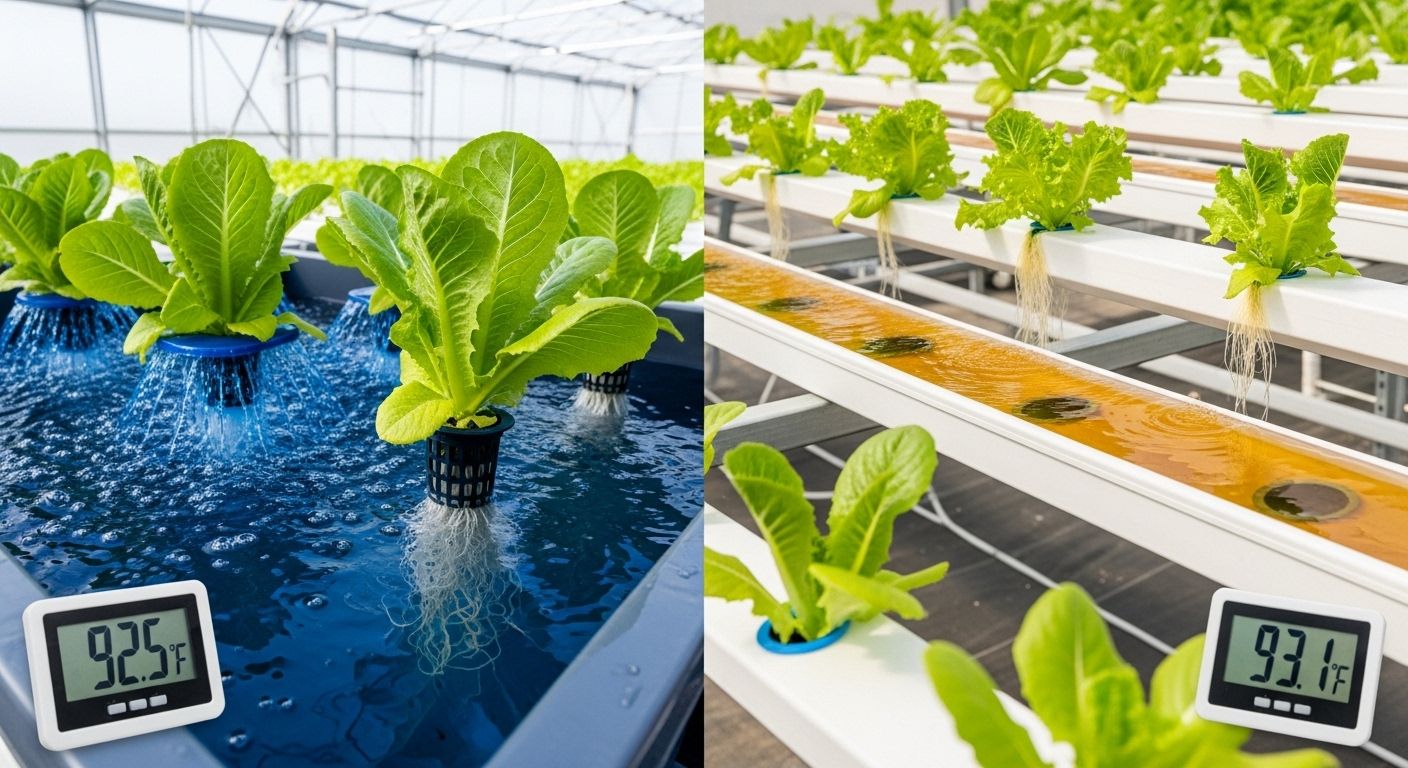
Even with the most powerful, impeccably engineered titanium water chiller actively running on the system, an uninsulated, highly exposed above-ground nutrient reservoir acts as a massive, continuous thermal leak. The mechanical chiller is forced to work constantly, battling against the relentless, overwhelming influx of ambient heat, which leads to massive electrical inefficiencies and premature compressor burnout. To permanently break this cycle, the facility engineer must aggressively isolate the water volume from the surrounding environment using highly specific, scientifically validated thermal insulation strategies that address both conduction and thermal radiation.
The first and most critical point of conductive heat transfer is the physical contact between the bottom of the reservoir and the floor of the greenhouse. Concrete slabs and paved outdoor surfaces absorb massive amounts of solar radiation throughout the day, becoming intense thermal batteries that constantly conduct heat upward directly into the bottom of the plastic reservoir. To sever this severe thermal bridge, the reservoir must be physically decoupled from the floor. The entire tank must be elevated and seated upon a thick continuous layer of high-density Extruded Polystyrene (XPS) rigid foam board. XPS foam possesses a dense, closed-cell structure that completely blocks moisture absorption while providing an exceptionally high R-value, effectively halting the upward migration of floor heat into the water matrix.
| Insulation Material | Thermal Conductivity (W/m·K) | R-Value (per inch of thickness) | Primary Heat Transfer Mitigated |
|---|---|---|---|
| High-Density Polyethylene (Tank Wall) | 0.440 | ~0.3 | None (Highly Conductive) |
| Expanded Polystyrene (EPS) Foam | 0.036 | 3.8 | Conduction |
| Extruded Polystyrene (XPS) Foam | 0.029 | 5.0 | Conduction (Superior Moisture Resistance) |
| Mylar (Foil-Faced Bubble Wrap) | Highly Variable | ~1.1 | Radiation (Highly Reflective) |
The sides and top of the reservoir present a different, highly aggressive thermal threat: radiant heat. Standard black or dark green agricultural mixing tubs are practically perfect blackbody absorbers. They greedily capture shortwave infrared solar radiation and high-intensity discharge (HID) grow light energy, instantaneously converting it into sensible heat within the water column. To defeat this radiant heat flux, the exterior walls and the critical top lid of the reservoir must be completely, seamlessly wrapped in a highly reflective radiant barrier. Heavy-duty diamond Mylar or foil-faced double-bubble insulation must be securely taped entirely around the tank.
This highly reflective, high-albedo barrier literally bounces the incoming shortwave infrared energy back into the surrounding environment before it can ever strike the plastic wall of the reservoir. By aggressively combining the high R-value conductive blocking power of the XPS foam base with the extreme radiant deflection of the Mylar outer wrapping, the cultivator effectively transforms the vulnerable plastic reservoir into a highly efficient, commercial-grade thermal thermos. This rigorous insulation strategy drastically reduces the total ambient thermal load, allowing the mechanical chiller to run far less frequently, easily maintaining the pristine, highly oxygenated 68°F environment required to permanently keep Pythium at bay.
Related Guides & Agronomic References
- To explore connected soil and crop strategies, see our deep-dive on soilless cultivation and hydroponic design.
- For complete infrastructure setup and management, consult our guide on troubleshooting pH fluctuation in warm water.
- To maintain season-long health and pest suppression, explore our analysis of closed-loop aquaponics systems.
Expert Insights & FAQs
Why does my nutrient solution temperature spike even though my greenhouse air is cooled to 75°F?
Air temperature alone does not dictate water temperature. Submersible water pumps generate immense amounts of parasitic mechanical heat (sensible heat) directly into the water. Additionally, radiant thermal energy from grow lights easily penetrates the unshielded water surface. Without an active chiller and proper Mylar insulation, these cumulative heat sources will inevitably drive reservoir temperatures far above ambient air levels.
Is it possible to completely cure Pythium root rot once the roots have turned brown and slimy?
No. Once the plant tissues have become brown, mucilaginous, and necrotic, the structural integrity of the vascular cylinder is permanently destroyed by hydrolytic enzymes. While you can kill the pathogen in the water using hypochlorous acid to protect adjacent healthy plants, you cannot resurrect dead, liquefied root cortex tissue. Prevention via chilling is the only viable commercial strategy.
At what temperature does dissolved oxygen (DO) become critically low for hydroponic crops?
While species vary, a critical physiological threshold is definitively crossed when the nutrient solution exceeds 25°C (77°F). At this temperature, the physical carrying capacity of water for oxygen drops significantly, while the biological respiration demand of the roots exponentially increases due to the Q10 effect, initiating severe localized hypoxia, fermentative metabolism, and rapid cell death.
Can I use household bleach to sterilize my reservoir while plants are actively growing?
Using standard sodium hypochlorite (bleach) in a live system is highly dangerous. Bleach dissociates into the hypochlorite ion, which is highly basic and extremely phytotoxic to delicate root hairs at effective pathogen-killing concentrations. Instead, commercial cultivators utilize Hypochlorous Acid (HOCl), which carries a neutral charge, is perfectly safe for live roots, and is vastly more effective at penetrating pathogen cell walls.
How do I calculate the correct size for a hydroponic water chiller?
Do not base chiller sizing on water volume alone. You must rigorously calculate the total thermal load. A general baseline is 1/10 HP for every 40 gallons of water to achieve a 10-degree drop, but you must meticulously add the wattage of your submersible pumps (1 watt = ~3.4 BTU/hr) and heavily account for the uninsulated surface area of your piping network to prevent compressor short-cycling.
Why do biological inoculants like Bacillus subtilis fail to prevent root rot in my system?
Biological inoculants completely rely on competitive exclusion and require specific, highly aerobic environmental parameters to survive. If your reservoir lacks adequate dissolved oxygen due to high heat, or is treated with heavy doses of chemical oxidizers like hydrogen peroxide, you are actively killing the beneficial Bacillus bacteria before they can establish a defensive biofilm on the root surface.
Does the type of plastic used in the reservoir affect heat retention?
Yes, standard high-density polyethylene (HDPE) plastics are terrible thermal insulators and excellent, highly efficient thermal conductors. If the plastic is dark colored (like a standard black mixing tub), it also acts as a highly efficient blackbody radiant absorber. To prevent rapid thermal bridging, reservoirs must be clad in high R-value closed-cell extruded polystyrene (XPS) foam and wrapped tightly in reflective mylar barriers.
Why do Pythium infections always seem to return to my system exactly three weeks into the new crop cycle?
Recurrent infections are the absolute hallmark of surviving, deeply entrenched aquatic biofilm. A quick rinse between cycles does not remove the tough Extracellular Polymeric Substances (EPS) matrix clinging to the inside of your PVC pipes. This complex biofilm harbors dormant Pythium oospores. You must utilize potent enzymatic cleaners to fully break down the biofilm matrix, followed by strong peroxyacetic acid to kill the exposed oospores.
Johnnie McCormick
Zone 7b/8a - North Central Alabama
Johnnie McCormick is a gardening hobbyist and the founder of My Garden Spot. Raised in north-central Alabama, his passion for gardening began in his youth. In 2008, he established a large market garden, teaching himself high-yield growing methods. In the years since, he has operated seasonal seedling sales for transplants, specializing in heirloom tomatoes, peppers, eggplants, decorative ground covers like Ajuga (Bugleweed), marigolds, nasturtiums, and fresh kitchen-window herb arrangements (basil, cilantro). Today, he gardens in the hills between Birmingham and Jasper, Alabama (Zone 7b/8a), sharing practical, community-focused gardening resources.
Verified Authoritative Citations & References
In alignment with our strict E-E-A-T research and verification guidelines, this guide cross-references data from the United States Department of Agriculture (USDA) and Cooperative Extension Service programs.
- Cornell CEA (Controlled Environment Agriculture): Hydroponic lettuce and crop nutrient solution recipes. cea.cals.cornell.edu
- University of Arizona CEAC: Controlled Environment Agriculture Center technical guides. ceac.arizona.edu
- USDA National Agricultural Library: Aquaponics and closed-loop recirculating aquaculture guidelines. nal.usda.gov
- Alabama Cooperative Extension System (ACES): Small-scale aquaponic systems and water chemistry guides. aces.edu


Please log in to view comments.