How Do You Build High-Yield Vertical Trellis Systems for Small Spaces?

The Evolution of Structural Gardening
The transformation of agriculture from horizontal sprawling plots to vertical, highly engineered systems represents a significant leap in horticultural science. The professionalization of horticulture and the drive to conquer the constraints of limited land can be traced back to the detailed garden manuals of the eighteenth century. During this era, the distinction between the amateur enthusiast and the commercial operator became well-defined, and the foundation of professions such as market gardeners, nursery men, botanists, and florists was established.
Early agrarian pioneers realized that vines creeping across the soil were prone to rot and rodent predation. By elevating the vines, they harnessed more sunlight and drastically reduced disease. Today, that same rigorous adherence to structural engineering and environmental adaptation dictates the margin of success in high-density market gardening. We no longer rely on simple wooden stakes; modern growers utilize high-tensile wire, tensioning ratchets, and specialized roller hooks to turn a tiny physical footprint into a towering, high-yielding vegetative wall.
For the modern small-scale farmer or ambitious homesteader, vertical trellising is not an option—it is an economic imperative. When you are paying a premium for land, every square inch must be optimized. If you are preparing your beds for the upcoming season, review our Spring Soil Preparation Checklist to ensure healthy root establishment before you drive your first trellis post. This comprehensive guide details the advanced mechanics, physics, and agronomy of building vertical trellis systems capable of supporting hundreds of pounds of fruit.
1. Agronomic Benefits of Vertical Production
The transition from ground-level cultivation to vertical trellising is driven by fundamental plant physiology and atmospheric physics. You are not just organizing the garden; you are fundamentally altering the microclimate in which the crop grows.
Solar Interception and Photosynthetic Efficiency
Plants are essentially biological solar panels. Their primary goal is to intercept Photosynthetically Active Radiation (PAR) from the sun and convert it into glucose. When indeterminate crops—such as vining tomatoes, cucumbers, or pole beans—sprawl on the ground, their overlapping leaves create dense internal shading. This self-shading drastically reduces their photosynthetic efficiency. The top leaves get sun, while the bottom leaves are starved of light, turn yellow, and become a drain on the plant's energy reserves.
Vertical trellising forces the plant into a two-dimensional plane. By training the vine straight up, you expose maximum leaf surface area to direct sunlight from dawn until dusk. This massive increase in intercepted light accelerates glucose synthesis, leading to faster vegetative growth, earlier flowering, and significantly faster fruit ripening.
Canopy Air Movement and Transpiration
Elevating the canopy exposes the leaves to ambient wind and horizontal airflow. When plants sit on the humid soil surface, a stagnant boundary layer of moisture forms around the leaves. This high humidity stalls transpiration—the process where plants pull water and nutrients up from their roots and release water vapor from their leaves.
Continuous air movement sweeps away this humid boundary layer, accelerating transpiration. This rapid movement of water through the plant is critical for the transport of immobile nutrients like calcium. By lifting the canopy and increasing airflow, vertical trellising actively prevents nutrient-deficiency disorders like blossom-end rot. For precise water and nutrient delivery directly to the root zone beneath your trellis rows, pair your setup with our Drip Irrigation Setup: Commercial Efficiency.
Disease Mitigation and Companion Controls
Soil is teeming with fungal spores and bacterial pathogens, including early blight, late blight, and Septoria leaf spot. When rain splashes onto ground-dwelling foliage, it carries these pathogens directly onto the leaves, igniting infections.
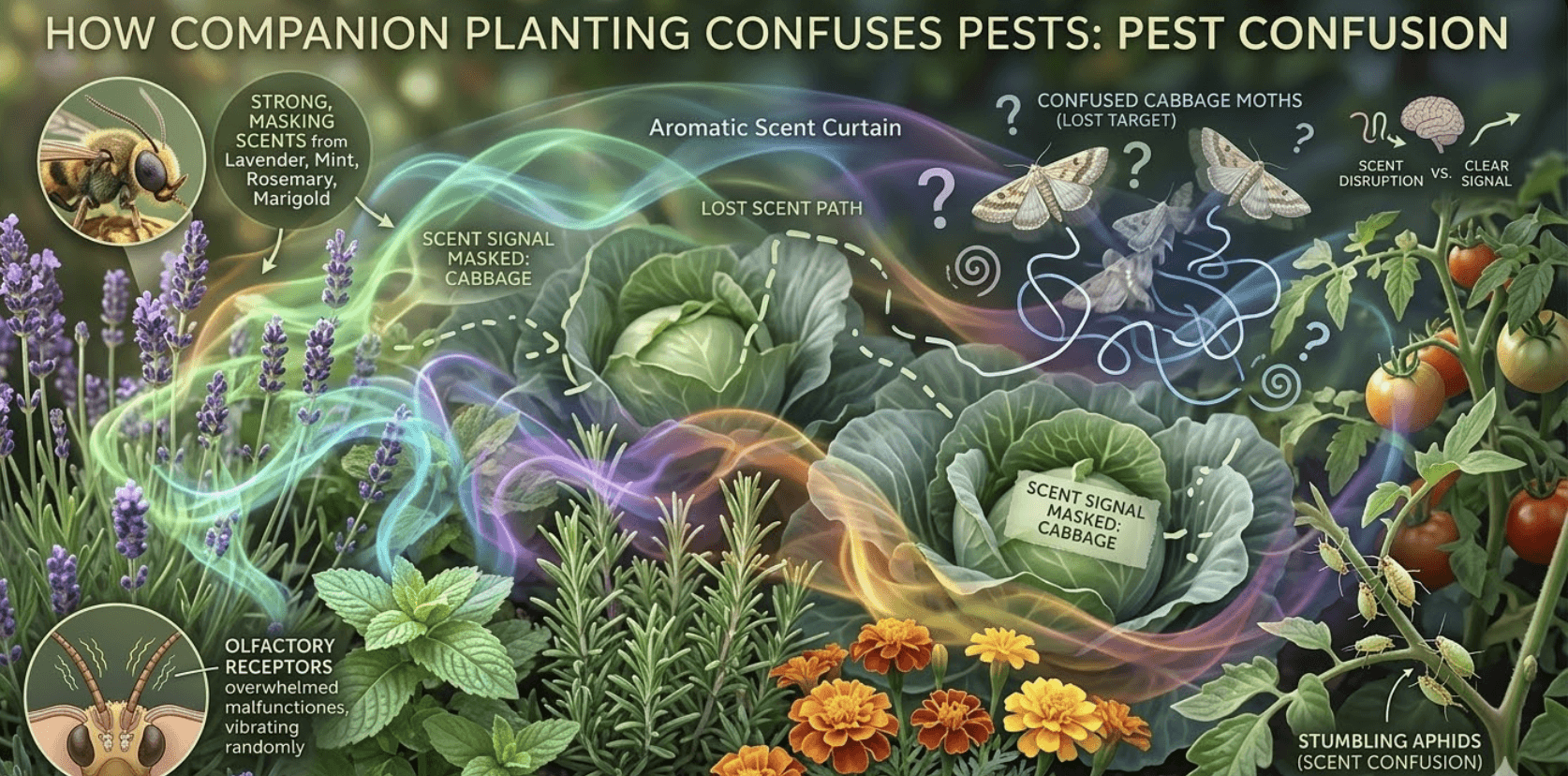
By lifting the foliage away from the damp soil, vertical trellising eliminates the conditions required for these blights and mildews to thrive. Furthermore, by opening up the ground space beneath the trellis, you create room for strategic companion planting. Carrots grow exceptionally well in the dappled shade under vertical tomatoes, as do chives, onions, parsley, and pest-deterring marigolds and nasturtiums.
2. Soil Preparation and Drainage Engineering
Before you begin driving posts and stringing wire, you must address the foundation. The heavy fruit loads supported by a vertical trellis demand a massive, vigorous root system.
Resolving Drainage and Compaction
All springy, low, or water-holding land should be underdrained prior to erecting a trellis. If your trellis posts sit in waterlogged soil, they will rot or shift under the weight of the mature crop. More importantly, standing water suffocates plant roots, leading to Pythium (root rot) and catastrophic crop failure.
To break up deep hardpan compaction without destroying the soil structure, utilize a broadfork before planting. We detail this crucial step in our guide on How to Broadfork Soil for Deep Aeration.
Base Fertility and Biological Composting
A massive vertical vine requires a massive amount of fuel. Standard synthetic fertilizers provide a quick burst of growth but do nothing to build the long-term soil structure required to hold moisture during the peak summer heat.
Base fertility should be driven by applying rich, biologically active compost. Implementing Aerated Static Pile (ASP) composting or utilizing rich extracts from Vermicomposting at Scale directly to the drip line supplies a constant, slow-release stream of bio-available nitrogen, phosphorus, and potassium. By feeding the soil food web, the microbes in turn feed the plant, ensuring sustained, vigorous growth all the way to the top wire of your trellis.
3. Structural Trellis Designs: Overhead Wire vs. Florida Weave
A vertical trellis is not a delicate garden ornament; it is a load-bearing architectural structure designed to withstand immense static canopy weight and dynamic wind sheer. Depending on your crop and budget, there are two primary systems utilized by commercial growers.

The Overhead Wire and String System (Lower and Lean)
This is the gold standard for high-yielding indeterminate tomatoes, cucumbers, and greenhouse crops. It allows vines to grow 20 to 30 feet long over a single season.
- End Posts: The strength of the entire system relies on the end posts. Use 4x4 inch treated lumber or heavy-duty galvanized steel pipes (2-inch diameter minimum). These posts must be driven at least 36 inches deep into the soil at both ends of the row.
- Earth Anchoring: Even a deeply driven post will bend inward under the tension of a fully loaded wire. The end posts must be secured to heavy-duty earth anchors (screw-in auger anchors) set 3 to 4 feet outside the bed footprint, connected to the top of the post via a high-tension brace cable.
- The Overhead Wire: Run a 12-gauge high-tensile smooth wire between the tops of the end posts, typically 7 to 8 feet above the ground. Use a specialized inline wire strainer (ratchet tensioner) to pull the wire completely taut. It should sing like a guitar string when plucked.
- Stringing the Crop: UV-resistant agricultural twine (nylon or treated sisal) is dropped from the overhead wire down to the base of each plant. The twine is gently tied to the base of the stem (leaving a loose loop so as not to strangle the growing stalk).
- Training: As the plant grows, specialized plastic tomato clips are used to secure the main stem to the taut vertical string every 10 to 12 inches.

The Florida Weave (Basket Weave)
The Florida Weave is ideal for determinate (bush) tomatoes, heavy peppers, and eggplants. It requires less overhead engineering but more maintenance during the growing season.
- Post Placement: Heavy-duty steel T-posts are driven into the center of the bed every 4 to 5 feet (typically between every second plant). For rows longer than 30 feet, utilize heavy wooden end posts.
- The First String: When the plants reach 12 inches tall, tie heavy agricultural twine to the end post, about 10 inches off the ground. Pull the twine tightly down one side of the row, wrapping it once tightly around each T-post to maintain tension.
- The Return String: At the far end post, tie off the twine, pull it tightly up the opposite side of the plants, and weave it back down the row, wrapping it around the T-posts again.
- The Sandwich Effect: The plants are now sandwiched tightly between two taut strings. As the crop grows, you repeat this weaving process every 6 to 8 inches of vertical growth, locking the heavy branches into a secure, upright wall of foliage.
4. Material Selection and Galvanization Standards
When erecting a high-yield vertical system, selecting the right materials is the difference between a one-season structure and a permanent farm asset. According to the Penn State Extension guidelines for high tunnel tomato production, structural failure is often linked directly to substandard hardware choices.
Steel Wire Specifications
Never use standard baling wire or coated fencing wire for overhead lines. Commercial growers exclusively rely on 12.5-gauge high-tensile smooth galvanized wire. This material possesses an extraordinary breaking strength (often exceeding 1,300 lbs of tension) and will not stretch or sag under the massive weight of mature, fruiting tomato vines. Class 3 galvanization is highly recommended as it provides superior rust resistance in high-humidity microclimates typical of high tunnels or dense field canopies.
Agricultural Twine Choices
The vertical strings supporting each plant must withstand months of UV exposure, dampness, and friction.
- Polypropylene (Nylon) Twine: The industry standard. It is incredibly strong, UV-stabilized, and inexpensive. However, it must be removed from the field entirely at the end of the season, complicating composting operations.
- Treated Sisal or Jute Twine: A biodegradable alternative. While environmentally friendly, untreated natural fibers will rot and snap by mid-August under heavy fruit loads. If using natural twine, you must source specifically treated agricultural sisal rated for a 50+ lb breaking strength.
Tensioners and Turnbuckles
To maintain the required "guitar string" tension on the overhead wire, use an inline wire strainer (a ratcheting spool) rather than a simple turnbuckle. Inline strainers allow you to easily re-tension the wire mid-season if any slack develops, without having to dismantle or detach the line.
5. Pruning and Training Indeterminate Crops
A vertical trellis is useless if the plant is allowed to grow wild. To utilize an overhead string system, you must ruthlessly prune the plant to manage its vegetative mass.
Single-Leader Pruning
Indeterminate tomatoes will continually sprout secondary stems (suckers) from the "axil"—the 45-degree crotch where a leaf branch meets the main stem. If left unpruned, a single plant will produce dozens of chaotic vines, creating a jungle of foliage, restricting airflow, and producing hundreds of tiny, inferior fruits.
You must prune the plant to a "single leader" (one main vine). Every 3 to 4 days, you must inspect the plant and snap off every single sucker from the leaf axils. This forces the plant to channel 100% of its energy into driving that one main stem upward and sizing up the fruit clusters growing directly off it.
The "Lower and Lean" Technique
If you plant in early May, a vigorous indeterminate heirloom tomato will reach the 7-foot overhead wire by late July. At this point, it cannot grow any higher.
To solve this, commercial growers use "Tomahooks" or roller hooks attached to the overhead wire. These hooks hold a spool of extra twine. When the plant reaches the wire, the grower strips all the lower leaves (up to the lowest cluster of ripening fruit) to improve airflow. Then, they unspool 12 to 18 inches of string from the hook.
The heavy vine is gently lowered toward the ground, and the hook is moved 12 inches sideways down the wire (leaning the plant). The bare lower stem rests gently along the soil surface, while the growing tip is brought back down to eye level, allowing it to continue growing upward toward the wire again. This technique allows a single vine to grow 30 feet long in a 7-foot high greenhouse structure.
6. Irrigation Integration with Vertical Systems
Water delivery in a highly dense vertical system requires absolute precision. Overhead watering is strictly forbidden, as it wets the foliage and instantly nullifies the disease-prevention benefits of trellising.
Emitter Placement and Sub-Surface Drip
With plants spaced as tightly as 18 inches apart, competition for water is fierce. A single drip tape with emitters spaced every 8 to 12 inches must be laid directly along the root zone before planting. For permanent beds, sub-surface drip irrigation (buried 2-4 inches deep) is optimal. This ensures the soil surface remains completely dry—inhibiting weed seed germination—while delivering water directly to the deep root mass.
Fertigation Rhythms
A vertical tomato plant carrying 25 pounds of fruit consumes massive quantities of water and soluble nutrients. Injecting liquid organic fertilizers (like fish emulsion or kelp extract) directly into the drip lines—a process known as fertigation—ensures a consistent, easily absorbed nutrient flow without compacting the soil surface via top-dressing.
7. Load-Bearing Calculation and Anchor Engineering
The sheer physical weight of a mature trellis system is staggering and often underestimated by novice growers. An under-engineered trellis will collapse catastrophically after a heavy July rainstorm, destroying months of work in seconds.
Consider a dense 50-foot row of indeterminate tomatoes planted on 18-inch spacing (approximately 33 plants).
- A single mature, heavily fruited tomato vine can easily weigh 20 pounds.
- 33 plants × 20 pounds = 660 pounds of static, dead weight hanging from that single overhead wire.
Now, factor in dynamic wind shear. A 50-foot long, 7-foot high solid wall of foliage acts like a massive ship's sail. In a 40 mph thunderstorm gust, the lateral wind pressure pushing against that trellis can exceed 800 pounds of force.
Your end post earth anchors are the only thing keeping the system upright. Using a simple wooden stake driven two feet into the ground is a recipe for disaster. You must use 30-inch or 36-inch galvanized steel auger anchors (duckbill anchors), screwed deeply into undisturbed subsoil, and braced to the top of the end post using 9-gauge or 10-gauge bracing wire with a turnbuckle tensioner. Over-engineering is the cheapest insurance policy a farmer can buy.
8. Weekly Trellis Maintenance Schedule
To maintain the architectural integrity and biological health of your vertical systems, you must implement a strict weekly operational rhythm.
| Task | Frequency | Action Items |
|---|---|---|
| Suckering | Every 3-4 Days | Pinch out all axillary shoots while they are under 2 inches long to prevent scarring the main stem. |
| Clipping | Weekly | Attach a new tomato clip directly beneath the newest sturdy leaf node to support the growing tip. |
| Lower Leaf Removal | Bi-Weekly | Once the plant is 4 feet tall, begin snapping off the lowest 2-3 leaves to promote airflow near the soil line. |
| Tension Check | Weekly | Inspect the inline strainers and bracing turnbuckles; tighten slightly if the wire shows visible sag under fruit weight. |
| Lower and Lean | As Needed (July/Aug) | Unspool 12-18 inches of twine, drop the vine, and slide the hook down the wire to maintain the growing tip below 7 feet. |
9. Space Efficiency ROI and Yield-per-Square-Foot Metrics
The ultimate justification for the labor and material cost of building vertical trellis systems is the exponential increase in Return on Investment (ROI) and yield density.
If you allow a tomato plant to sprawl horizontally on the ground in a traditional garden, it requires a massive footprint—often 16 to 25 square feet per plant—to avoid choking out its neighbors. In a sprawling system, much of the fruit rots on the ground, and yields typically average 1 to 2 pounds of marketable fruit per square foot of garden space.
By implementing a high-tensile vertical string system, you compress the footprint of that plant into a mere 2 to 3 square feet. The vines grow straight up, the fruit hangs cleanly in the air, and disease pressure is minimized.
In a meticulously managed vertical system, a single indeterminate plant can easily yield 20 to 30 pounds of premium fruit. Because you have packed the plants tightly together (18-inch spacing in the row), your yield spikes to an incredible 5 to 8 pounds per square foot.
For a market gardener selling heirloom tomatoes at $4.00 per pound, shifting from horizontal sprawling to vertical trellising transforms a 100-foot bed from a $600 hobby patch into a $2,500 high-profit enterprise. The initial investment in steel wire, heavy posts, and specialized clips is repaid tenfold in the very first season.
By mastering the architecture of vertical growth, optimizing the solar interception of your canopy, and managing the aggressive vegetative pruning required, you can push the absolute physical limits of your land's productive capacity, securing a highly profitable, sustainable harvest year after year.
Trellising Economics and Yield Optimization

When analyzing the cost-benefit ratio of high-yield vertical systems, one must look beyond the initial material investment and factor in long-term labor efficiency. While rigid cattle panels offer immediate structural stability, the "lower and lean" twine method—commonly used for indeterminate tomatoes in commercial greenhouses—drastically reduces the time required for weekly pruning and harvesting. This is critical for spacing strategies to maximize yield per square foot. However, the extreme density of vertical growth necessitates rigorous climate control. If you notice early leaf curling, it is often a sign of heat stress, meaning you must immediately deploy shade cloth over the tunnel. By mastering these vertical systems, a small farm can produce such an overwhelming abundance of fruit that they must actively seek out local CSAs or wholesale restaurant accounts to offload the excess harvest before it spoils.
Expert Insights & FAQs
What is the primary benefit of pruning indeterminate tomatoes to a single leader?
Pruning to a single leader directs the plant's metabolic energy entirely into fruit production and vertical extension rather than lateral vegetative growth, ensuring larger fruit and maintaining adequate airflow through the canopy to prevent fungal diseases.
How does vertical trellising mitigate fungal pathogens like blight and powdery mildew?
Vertical trellising lifts the foliage away from the damp soil, prevents soil-borne spores from splashing onto the leaves during rain, and exposes the canopy to ambient wind, which sweeps away the stagnant, humid air required for fungal germination.
Why is an overhead wire and string system superior for greenhouse production?
The overhead string system allows growers to utilize the 'lean and lower' method, where vines that reach the roof are dropped and shifted horizontally, allowing a single indeterminate plant to grow continuously for over 40 feet in length while remaining at a harvestable height.
What companion plants can be grown beneath a tomato trellis to maximize space and health?
Carrots are good to grow with tomatoes, and tomatoes are also highly compatible with chives, onion, parsley, marigold, and nasturtium, which can easily be planted in the understory of the vertical canopy.
How do you anchor the end posts of an overhead wire trellis system?
End posts must be driven at least 36 inches into the earth, angled slightly outward, and tied via a high-tension heavy-gauge steel cable to a deep earth anchor or concrete footing to counteract the immense weight of the mature crop pulling inward.
Can the Florida weave method be used for indeterminate climbing crops?
While primarily designed for determinate bush varieties, the Florida weave can be used for indeterminate crops if the T-posts are sufficiently tall (7 to 8 feet) and the weaving is maintained diligently every 6 to 8 inches of upward growth.
Why is drainage so critical before erecting a vertical trellis?
All land that is springy, low, and sour, or that holds water in puddles, should be thoroughly underdrained because poor drainage leads to root rot and weak anchorage, which can cause the heavy trellis posts to shift or collapse in wet soil.
How do radishes benefit a vertically trellised cucumber crop?
When growing cucumbers on a vertical lean-to or A-frame, you can sow two or three radish seeds in the cucumber hills to effectively protect the crop against devastating cucumber beetles.
Johnnie McCormick
Zone 7b/8a - North Central Alabama
Johnnie McCormick is a gardening hobbyist and the founder of My Garden Spot. Raised in north-central Alabama, his passion for gardening began in his youth. In 2008, he established a large market garden, teaching himself high-yield growing methods. In the years since, he has operated seasonal seedling sales for transplants, specializing in heirloom tomatoes, peppers, eggplants, decorative ground covers like Ajuga (Bugleweed), marigolds, nasturtiums, and fresh kitchen-window herb arrangements (basil, cilantro). Today, he gardens in the hills between Birmingham and Jasper, Alabama (Zone 7b/8a), sharing practical, community-focused gardening resources.
Verified Authoritative Citations & References
In alignment with our strict E-E-A-T research and verification guidelines, this guide cross-references data from the United States Department of Agriculture (USDA) and Cooperative Extension Service programs.
- Cornell Cooperative Extension: Home Vegetable Gardening Guide and vegetable variety recommendations. gardening.cals.cornell.edu
- Penn State Extension: Master Gardener Manual and companion planting matrices. extension.psu.edu
- Alabama Cooperative Extension System (ACES): Raised bed construction plans and regional seed planting calendars. aces.edu
- USDA NRCS: Cover crops and biological soil health guidelines. nrcs.usda.gov
Please log in to view comments.