Marketing Your CSA: Utilizing Local Directories and SEO for Late Sign-Ups

How Do You Market Your CSA Using Local Directories and SEO for Late Sign-Ups?
Running a Community Supported Agriculture (CSA) program is the financial heartbeat of a commercial market garden.
A sold-out membership roster solves the biggest risk in agriculture: cash flow. When customers pay for their shares in January and February, you have the capital you need to order heirloom seeds, replace worn drip irrigation lines, buy potting soil, and pay early greenhouse labor. You go into the spring with guaranteed buyers, completely insulated from bad weather days at the Saturday farmers market.
Then reality strikes.
It is late April. Your greenhouse tables are packed with thousands of stocky tomato and pepper transplants. Your early direct-seeded carrots, radishes, and spinach are pushing through the field dirt. But your CSA roster is sitting at sixty percent capacity. You have forty open shares, thousands of dollars in crop inputs already sunk into the ground, and opening pickup day is less than three weeks away.
Panic sets in.
Most growers react by blasting their personal social media profiles with desperate pleas. They post photos of empty fields accompanied by paragraphs begging friends to buy a share. When that fails, they slash prices by thirty percent, instantly devaluing their brand and infuriating the loyal members who paid full price two months earlier.
Panic marketing does not work.
I experienced that exact stomach-dropping panic during my third season running a market garden in north-central Alabama. The solution is not desperation. The solution is running a targeted, calm, hyper-local marketing system that captures the people who are right now searching for fresh food within a ten-mile radius of your drop sites.
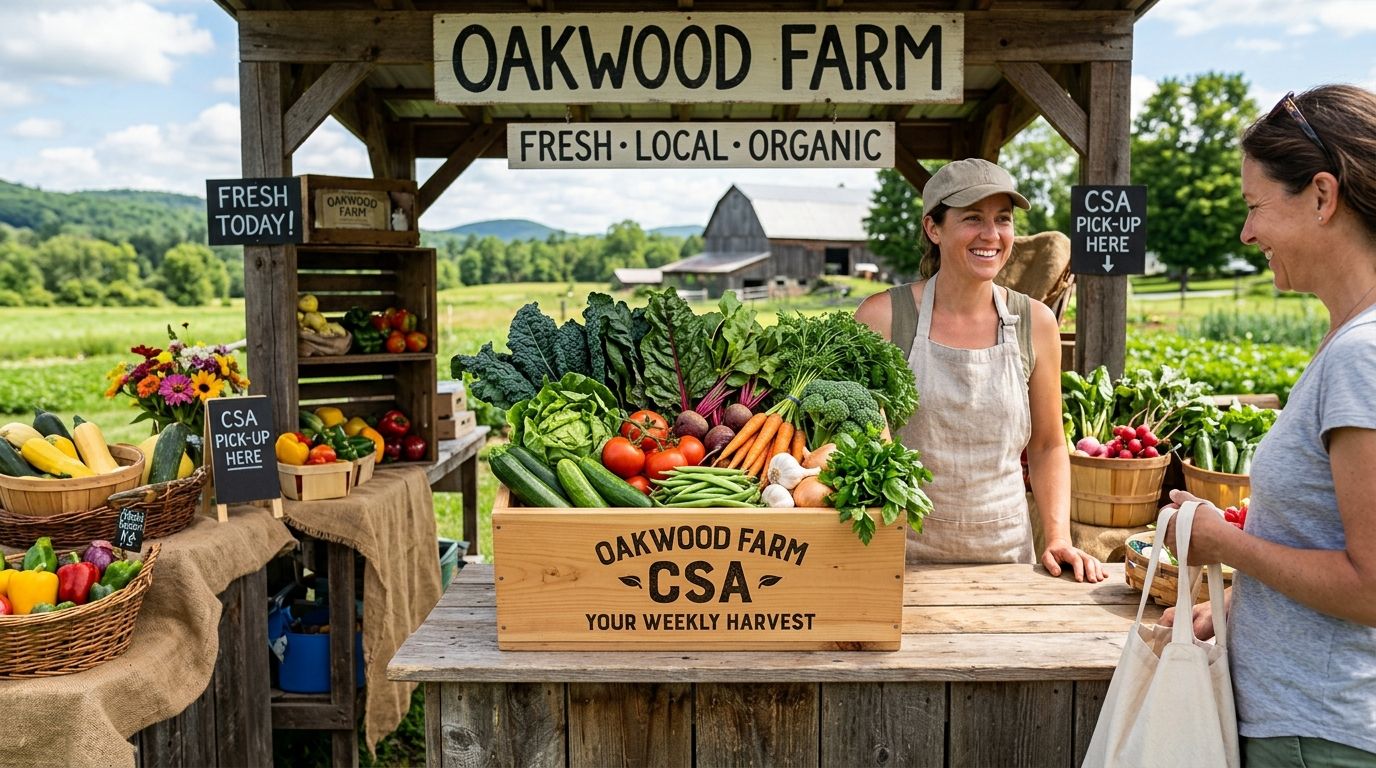
1. The Psychology of Late Sign-Ups: Why Customers Hesitate
To sell open shares after your main spring push, you must understand who your late-season customer is and why they have not signed up yet.
Early-bird buyers (the people who sign up in January) are committed local food advocates. They know what the acronym "CSA" stands for. They follow your farm on Instagram, understand seasonal availability, and gladly pay $600 up front to support your operation through thick and thin.
Late-season buyers are completely different.
THE TWO TYPES OF CSA BUYERS

EARLY-BIRD BUYERS (January - February)
- Die-hard local food champions
- Understand farm risk & seasonal shifts
- Happy to pay months in advance
- Need zero education on how CSAs work

LATE-SEASON BUYERS (April - June)
- Practical convenience shoppers
- Triggered by warm weather & market visits
- Intimidated by large upfront lump sums
- Fear paying for weeks they already missed
Late buyers are not thinking about your seed budget in January. They only start thinking about fresh tomatoes when the sun warms up in late April and the local farmers markets open their gates.
When a late-season shopper visits your website, they face three specific mental hurdles:
- The Penalty Fear: If your twenty-week season began on May 1st and they discover your farm on May 20th, they assume they are too late. They fear they will be forced to pay full price while missing out on the first three weeks of food.
- The Volume Anxiety: They worry about receiving a box full of strange vegetables they cannot identify, ending up with food waste they feel guilty about throwing into the trash.
- The Commitment Hesitation: Handing over $500 or $700 all at once to a farm they just discovered online feels risky.
If your marketing addresses those three hesitations directly, you will fill your open delivery slots in days.
2. Dominating Hyper-Local Search: How Google Connects You with Buyers
When a resident in your town types "buy organic vegetables near me" or "farm box delivery [City Name]" into their phone, they are not casually browsing.
They have high commercial intent. They have an open kitchen, an appetite for clean produce, and their credit card within reach. If your farm does not appear in the top three search results on their screen, your business does not exist to them.
Small-farm search engine optimization (SEO) has nothing to do with ranking nationally against massive grocery chains or meal-kit corporations. It is about total geographical dominance over your delivery zones.
+-------------------------------------------------------------------------------------------------------+
|                                  LOCAL HIGH-INTENT SEARCH TARGET MATRIX                               |
+--------------------------+-----------------------+----------------------------------------------------+
| Search Query Type        | Example Search Phrase | Customer Intent Level                              |
+--------------------------+-----------------------+----------------------------------------------------+
| Hyper-Local "Near Me"    | "CSA farm near me"    | Maximum intent; ready to buy this week             |
| Geo-Specific Produce     | "produce box Birmingham AL" | High intent; evaluating local farm options   |
| Specific Crop Inquiries  | "heirloom tomatoes buy local" | Seasonal interest; ripe for CSA upsell     |
| Competitor & Market Terms| "Saturday market farm boxes"  | Active shopper looking for convenient pickup|
+--------------------------+-----------------------+----------------------------------------------------+
The Google Business Profile Playbook
Your single most valuable digital marketing tool is your Google Business Profile (formerly Google My Business). It costs zero dollars, yet many small growers leave their profiles unclaimed, unverified, or out of date.
When someone searches for fresh produce in your area, Google displays the Map 3-Pack—a map showing the top three local business listings directly below the search bar. Getting into that 3-pack drives more high-converting website traffic than paid ads.
Here is how to set up your profile to win those top spots:
- Match Your Business Details Exactly: Ensure your business name, street address, and phone number (known in SEO as NAP) match your website character for character. Inconsistencies confuse search algorithms.
- Select the Right Categories: Set your primary category to "Community Supported Agriculture" or "Produce Market." Add secondary categories like "Organic Farm," "Farm," and "Farmers' Market."
- Define Specific Service Areas: If you operate delivery routes or drop spots in neighboring towns, add every target zip code to your service radius. This tells Google to display your listing when residents in those suburbs search for fresh food.
- Upload Bright, Fresh Photos Weekly: Do not upload blurry shots of muddy tractor tires. Post crisp photos of clean, colorful harvest crates, packed boxes, and smiling customers picking up their food. Listings with active weekly photo uploads receive significantly more clicks.
- Run a Review Acquisition Campaign: Google weights fresh, authentic customer reviews heavily. Send a quick, personal text message or email to ten of your happiest returning members: "Hey Sarah, we have a few open shares left for our summer harvest season. Would you mind taking sixty seconds to leave us a quick review on Google mentioning the quality of our greens? It helps local families find our farm!" Positive reviews mentioning your city name solidify your map ranking.
3. Agricultural Directory Listings: Mining High-Trust Audiences
Beyond search engines, conscious eaters hunt for local food on specialized national directories.
These directories have spent decades building trust with the exact audience you want: health-conscious home cooks who gladly pay premium prices for chemical-free, nutrient-dense food.
+----------------------------------------------------------------------------------------------------+
|                                    PREMIER LOCAL FOOD DIRECTORIES                                  |
+--------------------------+-----------------------+-------------------------------------------------+
| Directory Platform       | Domain Authority      | Target Consumer Demographic                     |
+--------------------------+-----------------------+-------------------------------------------------+
| LocalHarvest.org         | Very High (DA 70+)    | Core CSA enthusiasts, organic shoppers, chefs   |
| USDA Local Food Directory| High Federal Resource | Institutional buyers, regional consumers        |
| EatWild.com              | High Specialization   | Pasture-raised, regenerative agriculture buyers |
| Certified Naturally Grown| Niche Eco-Label       | Chemical-free, soil-health-conscious shoppers   |
| State Ag Dept Directory  | Regional Government   | Shoppers seeking local state-grown products     |
+--------------------------+-----------------------+-------------------------------------------------+
Optimizing Your LocalHarvest Profile
LocalHarvest is the granddaddy of direct-to-consumer farm databases. If a family moves to your city from across the country and wants a farm share, LocalHarvest is usually their first stop.
Yet thousands of farm listings on the site are digital ghost towns: abandoned in 2018, missing photos, and listing broken email links. An updated, complete profile stands out immediately.
- Write Outcome-Driven Descriptions: Do not just write: "We grow vegetables on five acres using sustainable methods." That is dry and forgettable. Instead, write about the eating experience: "We grow crisp salad greens, sweet carrots, and vine-ripened heirloom tomatoes using living soil methods. Our members pick up their shares within twenty-four hours of harvest, giving your kitchen produce that lasts two full weeks in the crisper drawer."
- List Exact Crop Schedules: Detail what members can expect month by month. Link directly to a clear seasonal breakdown, such as our guide on what comes in a CSA box monthly harvest guide. When customers see specific lists—sugar snap peas in May, sweet corn in July, winter squash in October—their hesitation disappears.
- Direct Links to Your Checkout Page: Do not link to a generic home page where visitors have to hunt for your order form. Link straight to your live registration portal. Make the path from discovery to payment as short as possible. For guidance on structuring profiles, check the resources provided by the ATTRA Sustainable Agriculture Program.
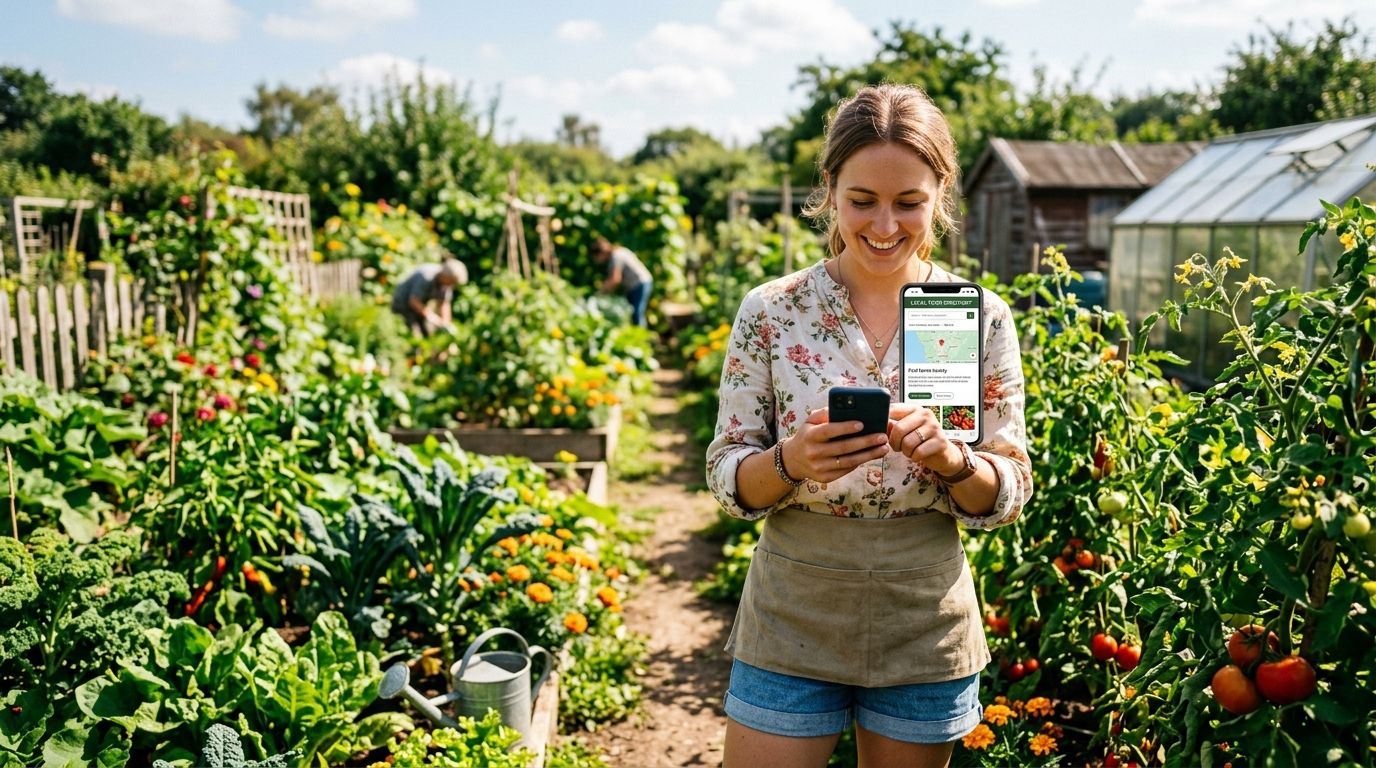
4. The Prorated Late Sign-Up Engine: Eliminating Friction
The single most effective tactic for filling open CSA shares once your harvest season begins is dynamic prorating.
If your twenty-week season started two weeks ago, a full-season $600 share works out to $30 per week. If a customer visits your website today, they should not see a $600 price tag. They should see a bold, clear $540 Prorated Late Share for the remaining eighteen weeks.
THE PRORATED CHECKOUT WORKFLOW

[ Customer Lands on Website in Week 3 ]
                   |
                   v
  "SUMMER CSA: LATE REGISTRATION OPEN"
  Full 20-Week Price: ~~$600~~
  YOUR PRICE (18 Weeks Remaining): $540
                   |
                   v
[ Select Drop-Off Location: Downtown Roastery ]
                   |
                   v
[ Flexible Payment: $135 Today (4-Pay Plan) ]
                   |
                   v
[ "YOUR FIRST BOX IS READY THIS TUESDAY!" ]
The Three Rules of Late Sign-Up Pricing
- Automate the Math: Modern farm e-commerce software (such as GrownBy, Shopify, or WooCommerce) allows you to set up rolling, prorated pricing automatically. Every Monday night, the system ticks the share price down by one week's value.
- Call It Out Clearly: Place a banner across the top of your website: "Did you miss opening week? No problem! Join today with our prorated summer share—you only pay for the weeks you receive." This simple sentence removes the fear of overpaying.
- Offer Split Payments: Late buyers are often on monthly household budgets. Paying $500 all at once can feel overwhelming. Break that prorated balance into three or four automatic installments billed every two weeks. Spreading the cost turns an intimidating investment into an easy, grocery-budget-friendly transaction. For deeper details on membership structures, review our guide on what is community supported agriculture.
5. Host-Site Partnerships: Borrowing Established Foot Traffic
If your search rankings and directory profiles are not filling your open shares fast enough, go directly to where your ideal customers already spend money.
Do not deliver individual boxes to forty doorsteps across the county. That burns fuel, ties up your delivery vehicle, and wastes hours of your week. Instead, partner with high-end, community-minded brick-and-mortar businesses to create host drop-off sites.
+----------------------------------------------------------------------------------------------------+
|                                    IDEAL CSA HOST SITE PROFILES                                    |
+--------------------------+-----------------------+-------------------------------------------------+
| Business Category        | Shared Customer Values| The Mutual Benefit                              |
+--------------------------+-----------------------+-------------------------------------------------+
| Specialty Coffee Roasters| Quality, craftsmanship| High morning foot traffic; members buy coffee   |
| Yoga & Pilates Studios   | Wellness, clean eating| Direct access to health-conscious households    |
| Artisanal Sourdough Bakery| Scratch cooking, local| Perfect pairing: members pick up bread and greens|
| Independent Micro-Brewery| Community gathering   | Evening pickup spot; members stay for a pint    |
+--------------------------+-----------------------+-------------------------------------------------+
Pitching the Host Site
Approach business owners with a clear, professional proposition that benefits their bottom line:
- "Hi Mark. We run an organic market garden six miles out of town. We have thirty loyal CSA members in this neighborhood who pick up their boxes every Thursday afternoon. We would love to host our drop spot right here in your coffee shop.
- Every Thursday between 3:00 and 6:00 PM, thirty local families will walk through your doors to grab their farm share. While they are here, they buy espresso drinks, beans, and pastries.
- In exchange for providing a shaded corner for our cooler crates for three hours, we will feature your roastery across our email newsletters and social channels, and we will give your staff a complimentary vegetable share each week."
This strategy costs you zero advertising dollars. It affiliates your farm with a respected local brand and drives steady foot traffic that business owners appreciate. If you want to see how multi-grower networks manage these logistics, explore our guide on multi-farm CSAs and cooperative supply chains.
6. Abandoned Cart Recovery: Saving Lost Customers
In online commerce, roughly seventy percent of people who add an item to their shopping cart leave the website without completing the checkout.
Think about what that means for your farm. For every ten people who click on your CSA sign-up page, choose a pickup site, and type in their name, seven walk away before entering their credit card number.
They did not leave because they hate fresh vegetables. Their phone rang, their child needed help, or they got distracted by an email. If you do not follow up with them, that sale is lost for good.
THE ABANDONED CART RECOVERY TIMELINE

[ Customer Abandons Cart at Checkout ]
                   |
                   | (Wait 2 Hours)
                   v
EMAIL 1: THE HELPFUL CHECK-IN
• Personal, plain-text tone from the farmer
• "Did life get in the way? Your cart is saved."
• Clear link straight back to pre-filled checkout
                   |
                   | (Wait 24 Hours - If Still Unpurchased)
                   v
EMAIL 2: LOGISTICAL REASSURANCE
• Answers common questions: vacation holds, delivery dates
• Reminds them that remaining shares are limited
• "Questions? Just hit reply and ask me directly."
The Plain-Text Recovery Email
Do not send slick, impersonal corporate graphics. Send a simple, plain-text email that sounds like it came straight from a real farmer standing in a greenhouse:
Subject: Did your computer freeze? (Saved your summer share)
Hi [First Name],
I noticed you started signing up for our Summer Farm Share earlier today, but didn't quite make it across the finish line.
With spring planting in full swing, I know how busy life gets! I went ahead and saved your spot so your share doesn't get grabbed by someone on our waiting list.
If you had any questions about our drop-off times or how our vacation hold system works, just hit reply to this email and ask. I check my messages every evening when I come in from the fields.
Ready to finish up? You can complete your sign-up in sixty seconds right here: [Direct Cart Link]
Hope to grow for you this season!
Best,
Johnnie McCormick
MyGardenSpot
A simple email like that recovers ten to fifteen percent of abandoned carts. On thirty open shares, recovering four abandoned orders puts an extra $2,000 into your farm checking account without spending a penny on ads.
7. Landing Page Architecture: Turning Clicks into Paid Members
Driving traffic to your website means nothing if your registration page is confusing, slow, or cluttered.
A high-converting CSA landing page keeps things simple. It answers every logistical question before the visitor can think of an objection.
+-----------------------------------------------------------------------------+
|                     HIGH-CONVERTING CSA LANDING PAGE LAYOUT                 |
+-----------------------------------------------------------------------------+
| [ HERO HEADLINE ]: "Real Food, Grown Five Miles Away. Delivered Weekly."    |
| [ SUB-HEAD ]: "Prorated Summer Shares Open Now — Join for Weeks 3 Through 20"|
| [ CLEAR CTA BUTTON ]: [ Claim Your Summer Share Today ]                     |
+-----------------------------------------------------------------------------+
| [ THE VISUAL PROOF ]: Real un-filtered photos of packed weekly boxes        |
| [ HARVEST TIMELINE ]: Simple table showing what crops ripen when            |
+-----------------------------------------------------------------------------+
| [ TRANSPARENT LOGISTICS ]:                                                  |
| - Pickup Site A: Downtown Roastery (Thursdays 3-6 PM)                       |
| - Pickup Site B: Westside Farm Stand (Saturdays 9 AM - Noon)                |
| - Vacation Policy: Pause your box twice per season with 48-hr notice        |
+-----------------------------------------------------------------------------+
| [ SOCIAL PROOF ]: 3 short quotes from real members praising freshness      |
| [ CHECKOUT SECTION ]: Clean form; multiple payment options; SSL secure badge|
+-----------------------------------------------------------------------------+
Critical Elements to Include
- Show Real Boxes: Never use generic stock photography of clean, polished vegetables sitting on a white background. Show real harvest boxes packed for members, complete with fresh leafy greens and sweet carrots. Show real field dirt and green leaves. Real photos build immediate authenticity.
- Explain the Vacation Policy: One of the main reasons families avoid joining a CSA is summer vacation plans. Address this directly on the page: "Going out of town for a week? No problem. Use our customer portal to put your share on hold, and we will credit you with an extra box in the fall or donate your produce to the local food pantry."
- Keep the Checkout Form Short: Do not ask twenty questions on your order form. All you need is their name, email, phone number, pickup location, and credit card. Every extra field you add reduces your conversion rate. For comprehensive legal guidelines on member contracts, review our breakdown on CSA legal and permitting considerations.
8. On-Farm and Market Conversion: The Physical Sign-Up Funnel
Your weekly farmers market booth is your best live billboard.
Every Saturday morning, hundreds of shoppers walk past your display table. They look at your fresh produce, admire the colors, and buy a three-dollar bunch of radishes.
If you let those shoppers walk away with just a bunch of radishes, you are missing your best opportunity to fill late-season CSA spots.
THE FARMERS MARKET CSA CONVERSION FUNNEL

1. EYE-LEVEL SIGNAGE
   [A large wooden chalkboard: "LOVE THIS FOOD? GET IT EVERY WEEK."]
                    |
                    v
2. DISPLAY THE CSA BOX
   [Set a fully packed demo box on the corner of the table with price breakdown]
                    |
                    v
3. SCAN TO JOIN (QR Code)
   [Laminated QR code on table linking straight to mobile prorated checkout]
                    |
                    v
4. IMMEDIATE INCENTIVE
   ["Sign up today at the booth, get your radishes and greens free today!"]
The Demo Box Strategy
Set a fully packed CSA box on the front corner of your market table, angled toward foot traffic. Place a chalkboard next to it:
- "This is our Summer Family Share. Harvested yesterday, packed this morning.
- Value: $35. Prorated spots open for the next 16 weeks.
- Scan the QR code to join today, and take today's box home with you right now!"
Shoppers can see, touch, and smell exactly what they will receive each week. Seeing the tangible product on the table removes all mystery and turns casual market visitors into committed seasonal members. To learn how to move surplus produce without hurting prices, read our field guide on farmers market vendor tips for selling CSA excess.
9. Retention Economics: Turning Late Sign-Ups into Early Birds
Filling late shares saves your current season's cash flow, but the real payoff comes next year.
When you bring a late subscriber into your farm community in May or June, you have roughly four months to turn them into a lifetime advocate. If you treat them like second-class members, they will leave in October and never come back. If you onboard them thoughtfully, they will be the first people to hand you cash next January.
+----------------------------------------------------------------------------------------------------+
|                               THE LATE-SUBSCRIBER RETENTION TIMELINE                               |
+---------------+----------------------------------------------------+-------------------------------+
| Phase         | Action Steps                                       | Member Experience Goal        |
+---------------+----------------------------------------------------+-------------------------------+
| Week 1        | Send personal welcome text; include crisper guide  | Remove intimidation; ease     |
| (Onboarding)  | in first box with simple storage instructions      | produce handling in kitchen   |
+---------------+----------------------------------------------------+-------------------------------+
| Week 4        | Check in via email: "How are the greens holding up?| Catch problems early before   |
| (Mid-Season)  | Need any recipe ideas for summer squash?"          | frustration builds up         |
+---------------+----------------------------------------------------+-------------------------------+
| End of Season | Send private "Early Bird" renewal link with $25    | Secure next year's revenue    |
| (October)     | discount before opening shares to the general public| five months before spring hits|
+---------------+----------------------------------------------------+-------------------------------+
The Kitchen Crisper Guide
The number one reason new CSA members drop out is guilt over spoiled produce.
They open the box, put everything in the refrigerator without thinking, and four days later their delicate greens have turned to slimy liquid.
Include a simple, laminated Produce Care Card in their very first box:
- Which items stay on the kitchen counter (tomatoes, winter squash, garlic).
- Which items need a plastic bag with a damp paper towel (head lettuce, spinach, culinary herbs).
- Which roots need their green tops trimmed immediately to keep the roots sweet and crisp (carrots, beets, radishes).
When customers know how to keep their produce crisp for two full weeks, they feel like kitchen rockstars. They enjoy every meal, value their investment, and renew their shares year after year without hesitation. For broader business strategies, study our masterclass on small-scale production and business fundamentals.
Expert Insights & FAQs
What are the primary channels for attracting late-season CSA members?
The most effective channels for late-season acquisition include geo-targeted Google Business Profile updates, localized social media announcements, hyper-local agricultural directory listings (LocalHarvest, USDA), and automated abandoned cart recovery sequences. Aligning these channels captures high-intent traffic from consumers who are actively seeking fresh, regional produce once the weather warms up in late spring.
How do you optimize your local directory listings for maximum regional visibility?
Optimizing directory listings requires perfectly consistent NAP data (Name, Address, Phone), high-resolution photos of actual harvest crates, and detailed descriptions of your growing practices. Claiming and verifying your profiles across platforms like Google, LocalHarvest, and regional farm boards signals geographic relevance to search algorithms, increasing your local map pack rankings.
What on-page SEO strategies target high-intent, late-season search terms?
Targeting high-intent, late-season search terms involves publishing content tailored to the specific questions of late subscribers, including prorated share options, delivery logistics, and seasonal harvest timelines. Using long-tail keywords like "prorated CSA share [City Name]" or "join farm box subscription mid-season" connects your site directly with ready-to-buy consumers.
How should you construct high-converting landing pages for late sign-ups?
High-converting landing pages feature a clear headline, real photos of packed harvest boxes, transparent pickup locations and schedules, and a simple registration form. Clearly displaying a dynamic prorated price for the remaining weeks eliminates the fear of paying for missed produce, speeding up checkout decisions.
What email marketing sequences convert directory leads into active CSA members?
Email sequences for late conversions should balance helpful reassurance with clear availability limits. A two-stage plain-text recovery sequence—checking in two hours after an abandoned checkout to offer help, followed by a second message twenty-four hours later answering common pickup and vacation questions—consistently recovers ten to fifteen percent of hesitant buyers.
How do you use social proof and testimonials to encourage last-minute sign-ups?
Integrating authentic customer reviews and photos of home-cooked meals from current members directly into checkout pages reduces perceived purchase risk. Featuring quotes from local families praising produce quality and shelf life gives new buyers the confidence to commit to a seasonal subscription.
What paid advertising methods deliver the highest ROI for late CSA marketing?
The highest ROI comes from geo-fenced social media ads and Google Search ads restricted to a narrow five- to ten-mile radius around your delivery drop sites. Narrow geographic targeting prevents wasted ad spend on consumers who live too far away to attend weekly pickups, keeping customer acquisition costs low.
How do you track and analyze marketing performance to optimize future sign-ups?
Tracking marketing performance requires reviewing website analytics, email conversion rates, and checkout referral sources. Monitoring key metrics like Cost Per Acquisition (CPA) and abandoned cart recovery rates highlights which directories and search terms generate the most revenue, letting you plan your marketing budget efficiently for future seasons.
Johnnie McCormick
Zone 7b/8a - North Central Alabama
Johnnie McCormick is a gardening hobbyist and the founder of My Garden Spot. Raised in north-central Alabama, his passion for gardening began in his youth. In 2008, he established a large market garden, teaching himself high-yield growing methods. In the years since, he has operated seasonal seedling sales for transplants, specializing in heirloom tomatoes, peppers, eggplants, decorative ground covers like Ajuga (Bugleweed), marigolds, nasturtiums, and fresh kitchen-window herb arrangements (basil, cilantro). Today, he gardens in the hills between Birmingham and Jasper, Alabama (Zone 7b/8a), sharing practical, community-focused gardening resources.
Verified Authoritative Citations & References
In alignment with our strict E-E-A-T research and verification guidelines, this guide cross-references data from the United States Department of Agriculture (USDA) and Cooperative Extension Service programs.
- USDA Agricultural Marketing Service (AMS): Community Supported Agriculture (CSA) standards and local market surveys. ams.usda.gov
- Penn State Extension: Small Farm Economics, financial planning, and crop pricing research documents. extension.psu.edu
- Cornell Cooperative Extension: Market gardening business planning and local sales guidelines. smallfarms.cornell.edu
- Alabama Cooperative Extension System (ACES): Local food regulations, CSA legal permits, and farm safety standards. aces.edu

Please log in to view comments.